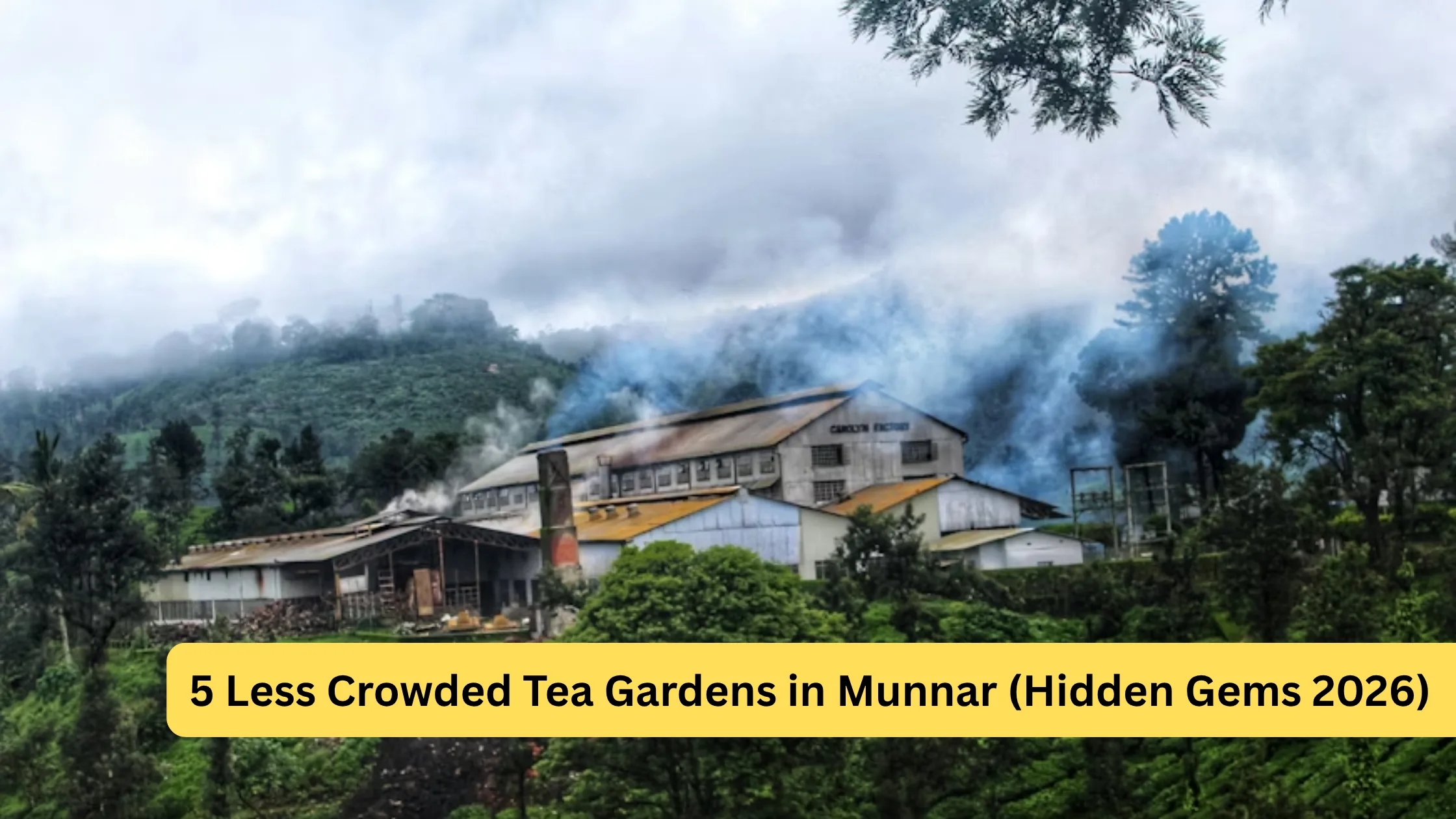
If you’re dreaming of Munnar but dread the usual tourist crush at spots like the Tea Museum or Mattupetty Dam, you’re not alone. In 2026, with Kerala tourism hitting record highs—over 25 crore visitors in 2025 alone—Munnar’s iconic rolling hills still draw crowds. But here’s the good news: just a short drive or bumpy jeep ride away lie five serene tea gardens that feel worlds apart from the hustle. These offbeat tea estates in Munnar offer the same emerald vistas, fresh-plucked aromas, and peaceful walks, minus the selfie-stick armies.
I’ve pieced this together from recent traveler stories, local guides, and on-ground reports. Whether you’re a solo adventurer chasing sunrise over the hills or a couple seeking quiet picnics, these hidden tea gardens in Munnar deliver authentic Kerala tea experiences. Ready to trade crowds for cloud-kissed calm?
Why Skip the Crowded Spots for Munnar’s Offbeat Tea Plantations?
Munnar’s tea country isn’t just pretty—it’s a living heritage. British planters started it in the late 1800s, and today, estates like those under Kannan Devan Hills Plantations (KDHP) produce some of India’s finest orthodox teas. But mainstream spots get packed by 10 AM.
The less crowded tea gardens? They reward the curious with organic practices, fewer visitors, and genuine interactions with pluckers. Plus, in 2026, sustainable rural tourism is booming—Munnar even ranked among Asia’s top rural escapes. These spots let you support local communities while soaking in biodiversity-rich shola forests and misty valleys. No filters needed; the views are that good.
1. Kolukkumalai Tea Estate: The World’s Highest Hidden Gem
Perched at a dizzying 7,900 feet, Kolukkumalai isn’t just high—it’s the highest tea plantation on the planet. The journey alone is an adventure: a 4×4 jeep bounces along a steep, winding track from Munnar, passing through cloud forests and dramatic gorges. Crowds? Minimal. The tough access keeps it blissfully quiet.
Once there, rows of hand-pruned bushes stretch endlessly against the Western Ghats backdrop. The estate sticks to organic methods and vintage 1930s British machinery for processing. Join a quick factory tour, watch leaves wither and roll, then sip a strong, malty brew straight from the source.
One trekker friend described catching sunrise here: “The plains of Tamil Nadu unfolded like a golden carpet below—worth every bump.” Perfect for 2026 travelers craving high-altitude magic without the usual Munnar chaos. Entry is around ₹100–150; go early for solitude.

2. Lockhart Tea Estate: Colonial Charm in Quiet Hills
Founded in 1879, Lockhart feels like stepping back in time—without the tour buses. Tucked in Devikulam near Munnar, this private estate keeps things low-key with guided walks only. Its rolling hills, old factory, and small museum showcase colonial-era equipment that still hums today.
Wander the trails at your own pace. Pluck a leaf (with permission), chat with workers carrying head-loads of fresh greens, or end at the tasting room for exclusive blends. It’s less commercialized than bigger KDHP spots, so you get that personal touch—think stories from planters about monsoon plucking cycles.
A recent visitor noted in 2025 reviews how the mist rolling in at dusk felt “pure therapy.” Fees run ₹150–250 for the full experience, including museum access. Closed Sundays, so plan accordingly.
3. Pallivasal Tea Garden: The Serene Birthplace of Munnar Tea
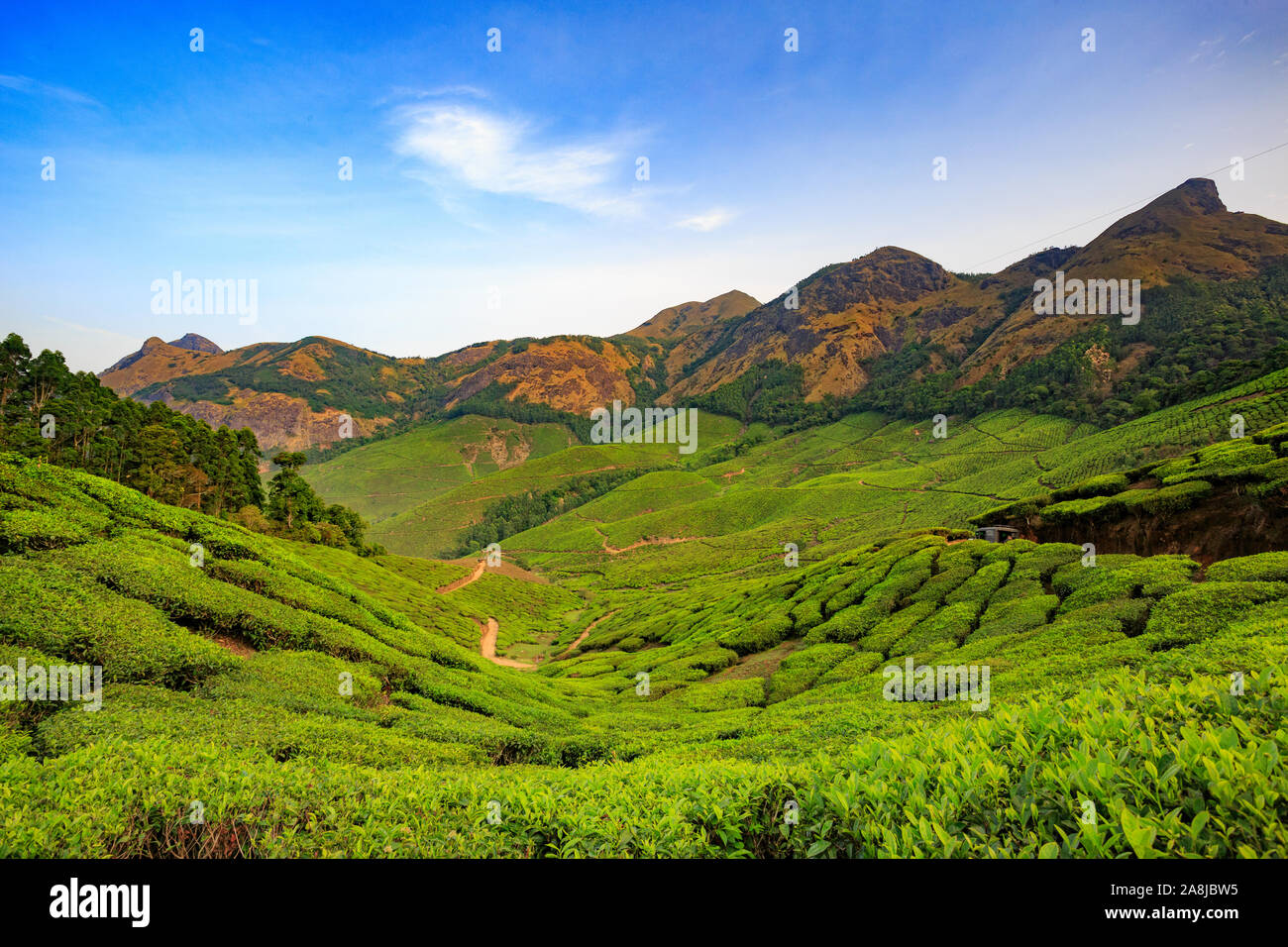
Often called the cradle of commercial tea in Munnar, Pallivasal sits just 8 km from town but feels a million miles away. Surrounded by dense forests, waterfalls like Attukal, and the historic Pallivasal Power Project, its gently undulating slopes invite lazy walks rather than rushed tours.
No hefty entry fees here—stroll freely among 120 acres of lush bushes. Watch women in colorful saris pluck “two leaves and a bud” with practiced precision. It’s peaceful enough for a picnic blanket and thermos of estate-fresh chai.
Local experts highlight its role in early 20th-century tea history, blending heritage with untouched nature. One couple shared how they spent an entire afternoon here post-monsoon, with only birdsong and distant waterfalls for company. Free entry makes it ideal for budget-conscious hidden-gem hunters in 2026.
4. Letchmi Tea Estate: A Trekker’s Organic Paradise
Letchmi earns its “hidden gem” status among nature lovers and offbeat seekers. Winding through meadows and shola forests near the Anamudi range, it emphasizes organic farming and conservation—key to Munnar’s eco-friendly appeal these days.
Guided sunrise treks reveal panoramic views of Idukki hills and rare flora. Spot butterflies or learn how shade-grown tea supports biodiversity. It’s not on the main circuit, so you’ll share the paths with maybe a handful of fellow wanderers.
Guides often share insights on climate challenges facing Kerala tea in 2026, making your visit feel informative too. Tours start around ₹300–500. If you love blending hikes with tea culture, this is your spot.
5. Sevenmallay Tea Estate: Colonial Bungalows and Untouched Views
Owned by Tata Tea, Sevenmallay stands out for its well-preserved colonial bungalows and vast, manicured fields. One of Munnar’s oldest, it mixes history with biodiversity—think birdwatching amid tea rows and valley vistas that stretch forever.
Stay overnight in a planter’s bungalow if you can (or visit for walks), cycle gentle paths, or join sessions on plucking and early processing. It’s off the beaten track enough that families and photographers flock here for uncrowded golden-hour shots.
Travelers rave about the “timeless elegance” without the commercial buzz. Guided walks are affordable (₹100–150), and the estate’s upkeep keeps it pristine for sustainable visits.

How to Reach and Explore These Less Crowded Tea Gardens Responsibly
Most are 10–40 km from Munnar town. Hire a local driver or join small-group jeep tours—public transport is limited. Best accessed via NH185 or estate roads; 4x4s are essential for Kolukkumalai.
Respect rules: Stick to paths, don’t litter, and ask before photographing workers. Support by buying estate tea or booking eco-stays. In 2026, apps like Kerala Tourism’s help with real-time permits and crowd updates.
Best Time to Visit Munnar’s Hidden Tea Gardens in 2026
October to March offers clear skies and post-monsoon greenery—perfect for walks. Avoid peak December holidays for even fewer people. Monsoons (June–September) bring lush drama but slippery trails; great if you love mist and solitude.
Final Thoughts: Your 2026 Munnar Escape Awaits
These five less crowded tea gardens in Munnar prove you don’t need to fight crowds for that postcard-perfect experience. From Kolukkumalai’s lofty heights to Pallivasal’s tranquil paths, they capture the soul of Kerala’s tea country—fresh, fragrant, and refreshingly real.
Pack light layers, good shoes, and an open mind. In a year when everyone’s chasing “hidden gems,” these spots remind us why Munnar endures: it’s not just about the views, but the quiet stories in every leaf.
Safe travels—may your cup overflow with peace (and premium Assam-Ceylon blends).
Read Also: Is Munnar Safe for Solo Travelers in 2026? Honest Truth
FAQ: Your Quick Guide to Munnar’s Offbeat Tea Estates
What are the top less crowded tea gardens in Munnar for 2026?
Kolukkumalai (highest in the world), Lockhart, Pallivasal, Letchmi, and Sevenmallay stand out for their serenity and low footfall.
Are these hidden tea gardens free to visit?
Most walks are free or low-cost (₹100–250 for guided tours/factories). Kolukkumalai and Lockhart have small fees for full experiences.
How do I avoid crowds in Munnar tea plantations?
Visit early mornings, choose private estates, or head to offbeat spots like these instead of central attractions.
Is sustainable tourism big in Munnar’s tea gardens?
Yes—organic practices and community support are growing, aligning with 2026’s rural travel trends.
Best way to get authentic tea tasting in less crowded spots?
Book small tours at Lockhart or Kolukkumalai factories for fresh brews and expert stories.

Sunil Singh is a dedicated travel content writer and the founder of MunnarTeaGardens.in. He specializes in creating comprehensive, user-friendly guides on Munnar’s tea gardens, hill stations, and Kerala tourism. Drawing from the latest tourism trends, official sources, and visitor experiences, Sunil helps thousands of travelers plan safe and rewarding trips every year.