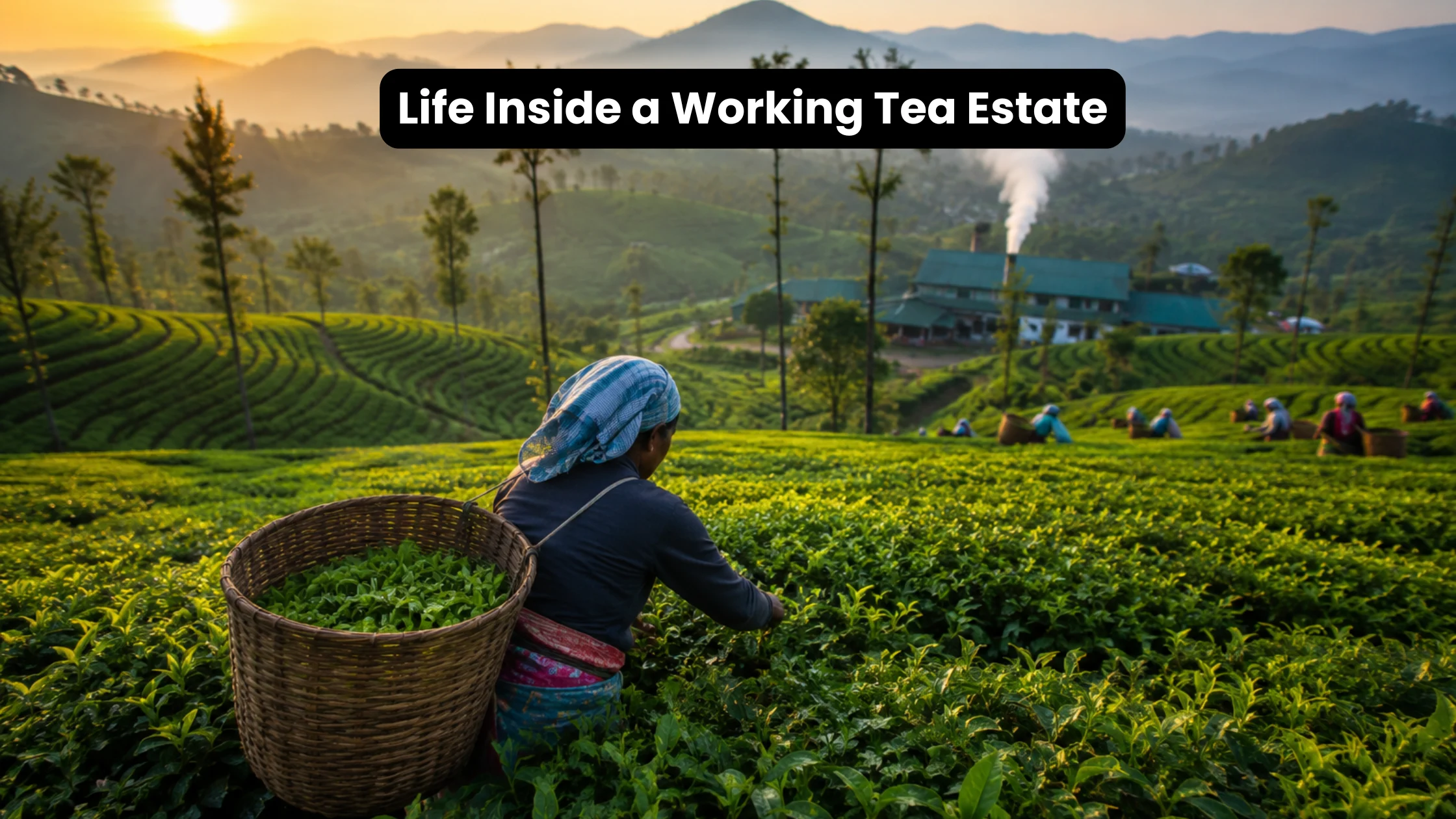
When people think about tea estates, they often imagine endless green hills, cool mountain air, and beautiful photographs taken from viewpoints. What many visitors never see, however, is the life that exists behind those postcard-perfect landscapes.
A working tea estate is much more than rows of tea bushes stretching across hillsides. It is a living community where hundreds of people work together every day to produce the tea that eventually reaches homes, cafés, and stores around the world.
From the first light of dawn to the final processing of freshly harvested leaves, life inside a tea estate follows a rhythm that has remained largely unchanged for generations. While modern technology has influenced certain parts of tea production, much of the work still depends on human skill, experience, and dedication.
What Is a Working Tea Estate?
A working tea estate is an active plantation where tea plants are cultivated, maintained, harvested, and processed into tea products.
Unlike tea gardens that exist mainly as tourist attractions, working estates are production centers. Every section of the estate serves a purpose, from the carefully maintained tea fields to the factories where fresh leaves are transformed into tea.
Most tea estates include:
- Tea plantations
- Processing factories
- Worker housing
- Storage facilities
- Management offices
- Small shops and community spaces
- Schools or healthcare centers in larger estates
In regions such as Munnar, many tea estates function almost like self-contained villages.
The Day Begins Before Sunrise
Life inside a tea estate starts early.
Long before tourists arrive to admire the scenery, workers are already preparing for the day. The cool morning hours are considered ideal for field work because temperatures are comfortable and tea leaves remain fresh.
As the sun rises over the hills, workers begin walking toward assigned sections of the plantation carrying baskets or collection bags.
Estate supervisors review daily targets, weather conditions, and harvesting plans before the work officially begins.
The quiet hills that appear peaceful to visitors soon become active workplaces filled with movement and conversation.
Tea Plucking: The Most Skilled Job on the Estate
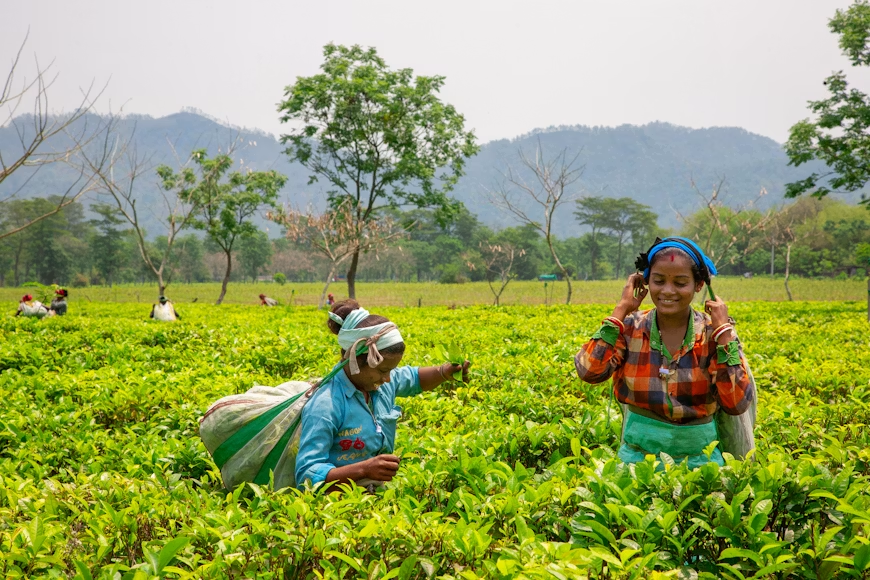
Many people assume that tea plucking is simple work. In reality, it requires remarkable skill and experience.
Tea workers must identify the correct leaves to harvest. In most cases, only the youngest leaves and unopened buds are collected because they produce the highest-quality tea.
Workers are trained to recognize:
- Fresh growth
- Tender shoots
- Suitable harvest size
- Signs of disease or damage
Picking too many mature leaves can affect tea quality. Harvesting too little can reduce productivity.
Experienced workers can move through rows of tea bushes with impressive speed while maintaining quality standards.
A skilled tea plucker often harvests many kilograms of leaves in a single day.
Understanding the “Two Leaves and a Bud” Rule
One phrase frequently heard in tea estates is “two leaves and a bud.”
This refers to the ideal combination of leaves harvested from a tea plant.
The top bud and the two youngest leaves contain the best flavors and aromas. They are rich in compounds that contribute to the final taste of the tea.
Workers constantly inspect plants and selectively pluck these young shoots.
This careful approach explains why quality tea production remains labor-intensive even today.
Life on the Hillsides
Tea fields may look smooth and easy to walk through from a distance, but the reality can be physically demanding.
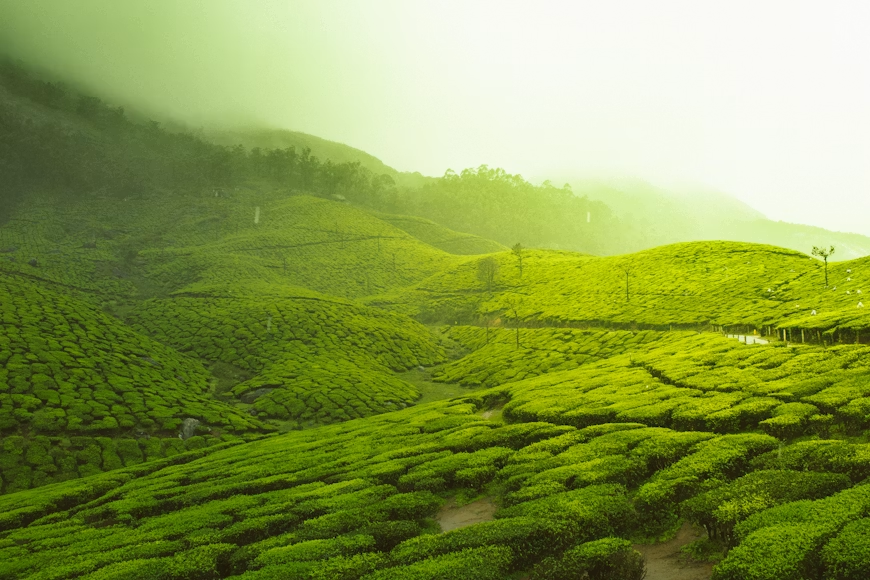
Many plantations are located on steep slopes where workers spend hours walking uphill and downhill.
Challenges include:
- Uneven terrain
- Sudden weather changes
- Heavy baskets of leaves
- Long hours outdoors
- Seasonal rain and fog
During the monsoon season, conditions become even more challenging. Wet paths can become slippery, and workers often continue their duties despite light rain.
Their work requires stamina, balance, and determination.
The Journey of Freshly Picked Leaves
Once enough leaves are collected, they are transported to collection centers.
At these points:
- Leaves are weighed.
- Quality checks are performed.
- Records are maintained.
- Leaves are sent to the processing factory.
Speed is important.
Fresh tea leaves begin losing quality if they remain unprocessed for too long. Estates therefore coordinate transportation carefully to ensure the leaves reach factories quickly.
This stage forms a critical link between the plantation and the final tea product.
Inside the Tea Factory
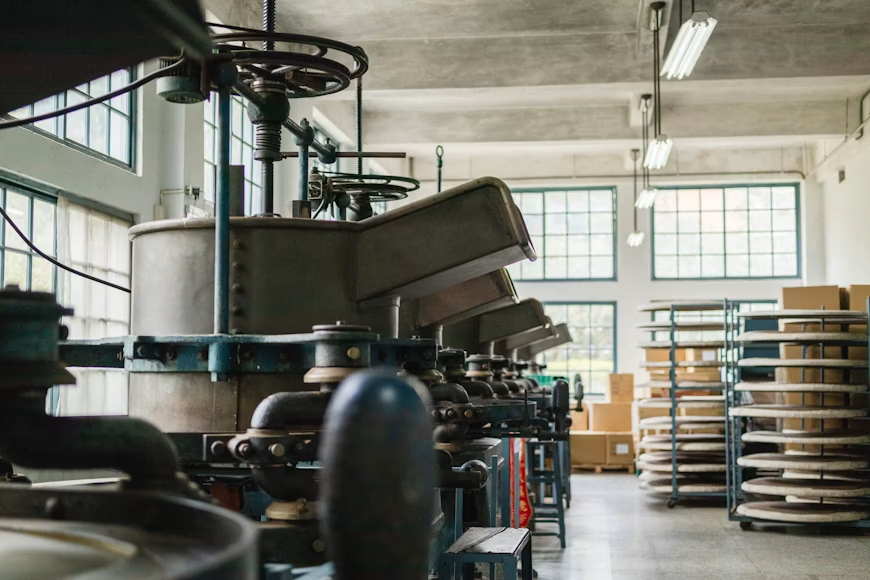
Many visitors are surprised to discover that tea factories are among the busiest areas of an estate.
Fresh leaves enter the factory and pass through multiple stages before becoming finished tea.
Depending on the type of tea being produced, the process may include:
Withering
Fresh leaves are spread out to reduce moisture content.
Rolling
Leaves are rolled to break cell walls and release natural compounds.
Oxidation
This stage develops flavor, aroma, and color.
Drying
Moisture is removed to stabilize the tea.
Sorting
Tea is graded according to size and quality.
Packaging
Finished tea is packed for distribution.
Factory workers monitor temperatures, timing, and machinery carefully because even small variations can influence the final product.
The Importance of Estate Maintenance
Tea harvesting is only one part of estate life.
A significant amount of work happens behind the scenes to keep plantations healthy.
Maintenance activities include:
- Pruning tea bushes
- Weed control
- Soil management
- Irrigation monitoring
- Pest management
- Pathway repairs
- Drainage maintenance
Tea plants require constant attention throughout the year.
Without regular maintenance, yields and quality can decline quickly.
Weather Shapes Everyday Life
Tea estates depend heavily on weather conditions.
Rainfall, temperature, sunlight, and humidity all influence tea growth.
Estate managers monitor weather patterns closely because they affect:
- Harvest schedules
- Worker assignments
- Leaf quality
- Crop yield
A prolonged dry season may slow plant growth.
Heavy rainfall can improve growth but may also create operational challenges.
Because of this, estate life often revolves around seasonal cycles.
The Communities That Grow Around Tea Estates
One of the least understood aspects of tea estates is the strong sense of community they create.
Many workers and their families have lived near plantations for generations.
Large estates often include:
- Housing colonies
- Community halls
- Schools
- Small shops
- Healthcare facilities
- Religious places
These communities develop their own traditions, celebrations, and social networks.
Children grow up surrounded by tea fields and often possess a deep understanding of plantation life from an early age.
Women Play a Central Role
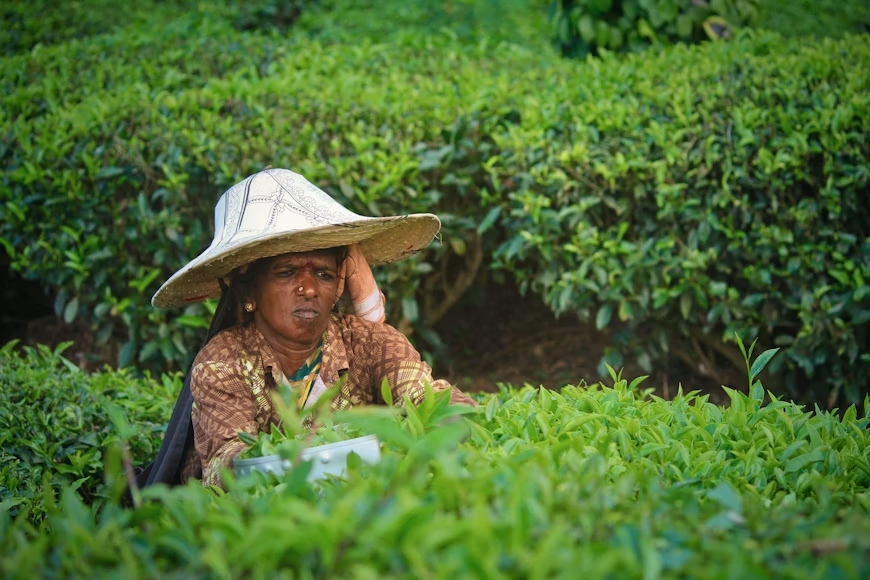
In many tea-growing regions, women make up a significant portion of the workforce.
Their contribution is especially visible during harvesting because tea plucking requires patience, consistency, and attention to detail.
Many experienced female workers possess decades of knowledge about:
- Harvesting techniques
- Plant health
- Seasonal changes
- Quality selection
Their expertise plays a major role in maintaining tea standards.
Without their contribution, large-scale tea production would be difficult to sustain.
Challenges Faced by Tea Estate Workers
Life inside a tea estate is not always easy.
Workers face numerous challenges including:
Physical Demands
Long hours on steep terrain can be exhausting.
Weather Exposure
Most work takes place outdoors regardless of changing weather.
Seasonal Variations
Production levels and workloads can fluctuate.
Remote Locations
Some estates are located far from major towns and cities.
Despite these challenges, tea workers continue to support an industry that millions of people depend on every day.
Why Tea Estate Life Fascinates Visitors
Tourists often visit tea estates because they want to experience something different from city life.
What attracts visitors is not only the scenery but also the sense of simplicity and connection to nature.
Watching workers move through green hillsides, seeing tea leaves processed in factories, and learning about traditional techniques provides a deeper appreciation for every cup of tea.
Many visitors leave with a new understanding of how much effort goes into producing something they consume daily without much thought.
How Modern Technology Is Changing Tea Estates
Although traditional practices remain important, modern tea estates increasingly use technology.
Examples include:
- Digital weighing systems
- Weather monitoring tools
- Mechanized pruning equipment
- Data-driven crop management
- Improved factory machinery
Technology helps improve efficiency while maintaining quality standards.
However, human expertise continues to remain at the heart of tea production.
No machine can fully replace the experience of a skilled tea plucker or an experienced factory supervisor.
The Connection Between Tea Estates and Sustainable Tourism
In recent years, many tea estates have opened their doors to visitors.
Responsible tourism creates opportunities for people to learn about tea cultivation while supporting local communities.
Visitors who understand the effort behind tea production often develop greater respect for the environment and the people who work in the industry.
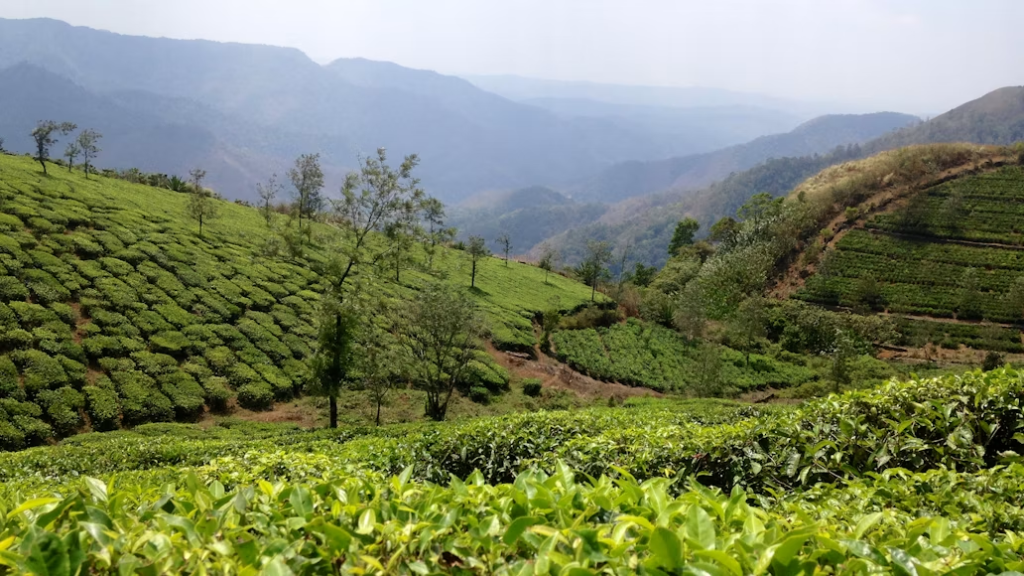
This educational aspect makes tea estate tourism more meaningful than simply taking photographs.
Final Thoughts
Life inside a working tea estate is a story of dedication, skill, and community. Behind every cup of tea lies the effort of workers who spend long hours caring for plants, harvesting delicate leaves, and ensuring that quality is maintained at every stage of production.
The next time you enjoy a cup of tea, it is worth remembering that it began its journey on a hillside where people have devoted their lives to this craft for generations.
A working tea estate is not just a plantation. It is a place where agriculture, tradition, culture, and human effort come together every single day.
Read Also: Complete Lockhart Tea Estate Munnar Travel Guide
(FAQs)
What happens inside a working tea estate?
A working tea estate involves cultivating tea plants, harvesting leaves, processing tea, maintaining plantations, and managing estate communities.
What time do tea estate workers start their day?
Most workers begin early in the morning, often shortly after sunrise, when conditions are ideal for harvesting fresh tea leaves.
Why are only certain tea leaves picked?
Tea quality depends on young, tender leaves. Workers usually harvest the top bud and two young leaves because they produce better flavor and aroma.
Do people live inside tea estates?
Yes. Many large tea estates have housing colonies where workers and their families live, sometimes for multiple generations.
Can tourists visit working tea estates?
Many tea estates allow visitors to tour plantations and factories, offering insights into tea cultivation and processing.
Is tea plucking difficult work?
Yes. Tea plucking requires skill, experience, physical endurance, and careful selection of the correct leaves.
How does weather affect tea production?
Rainfall, temperature, humidity, and sunlight directly influence tea growth, harvesting schedules, and final tea quality.
Are tea estates important for local communities?
Absolutely. Tea estates provide employment, housing, education, healthcare, and economic support for thousands of families in tea-growing regions.
Also See: Can Senior Citizens Easily Visit Munnar Tea Estates?

Sunil Singh is a dedicated travel content writer and the founder of MunnarTeaGardens.in. He specializes in creating comprehensive, user-friendly guides on Munnar’s tea gardens, hill stations, and Kerala tourism. Drawing from the latest tourism trends, official sources, and visitor experiences, Sunil helps thousands of travelers plan safe and rewarding trips every year.