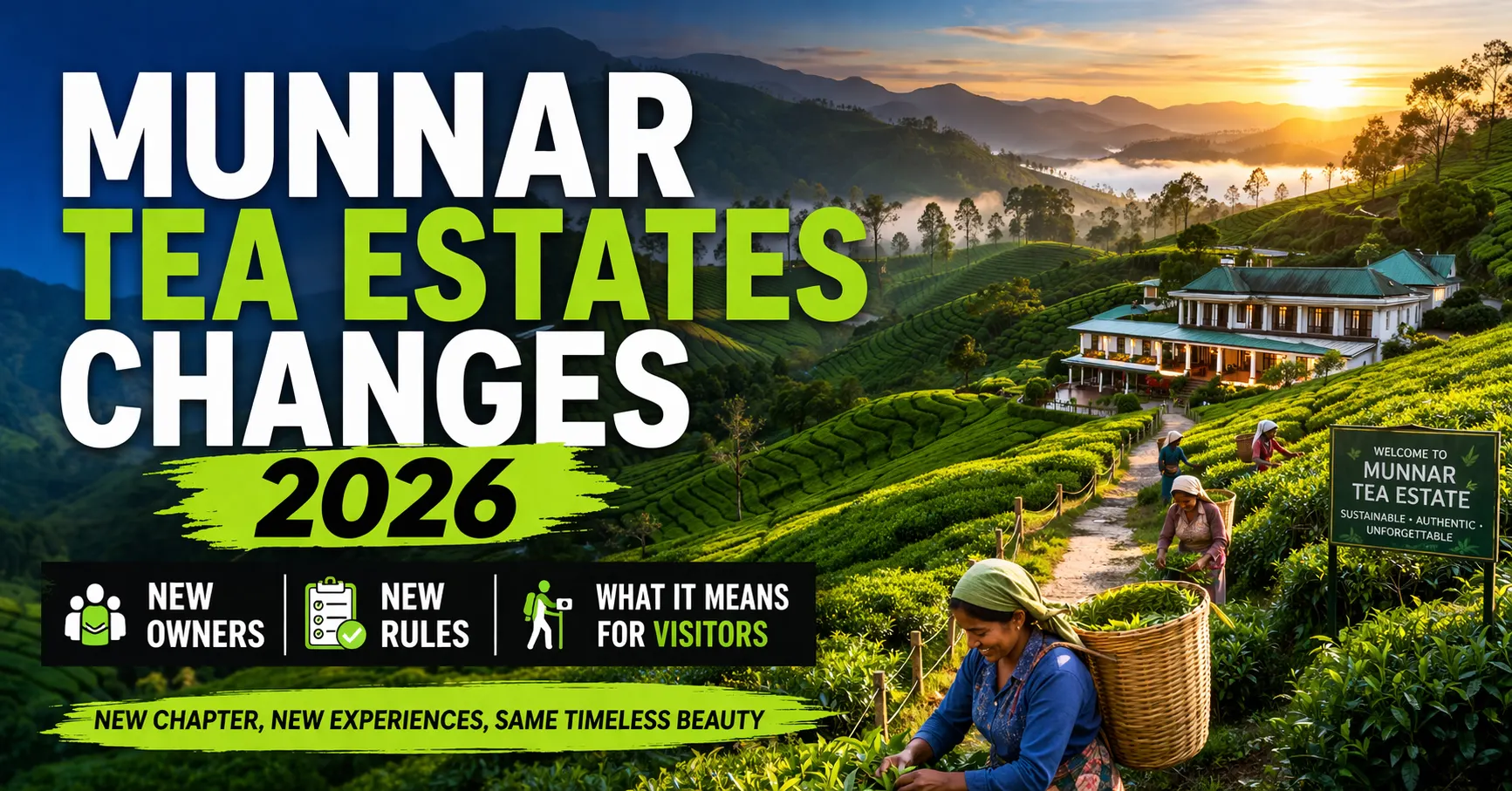
Munnar’s tea gardens have long been a popular tourist attraction. Every year, hundreds of tourists travel to Munnar, which is known for its endless tea plantations, pleasant climate, and undulating green hills. However, things are shifting in 2026.
From new ownership patterns to stricter tourism rules, Munnar tea estates are going through a major transformation. These changes are not only affecting the tea industry but also reshaping how tourists experience this beautiful hill station.
In this detailed guide, we will explain everything in simple words—what is changing, why it matters, and what visitors should expect in 2026.
Why Munnar Tea Estates Are Changing
Munnar’s tea estates have a long history that dates back to the British era. For decades, they were managed by large companies and traditional plantation systems. However, in recent years, multiple factors have pushed change:
- Rising tourism pressure
- Environmental concerns
- Worker welfare issues
- Changing business models
In 2026, these factors have led to new ownership structures, updated government rules, and a fresh approach to tourism.
A Quick Look at Munnar’s Tea Estate History
Munnar’s tea industry began during British colonial rule. Companies like Tata Tea played a big role in developing plantations here.
Over time, tea estates became not just production centers but also tourist attractions. Visitors came to see:
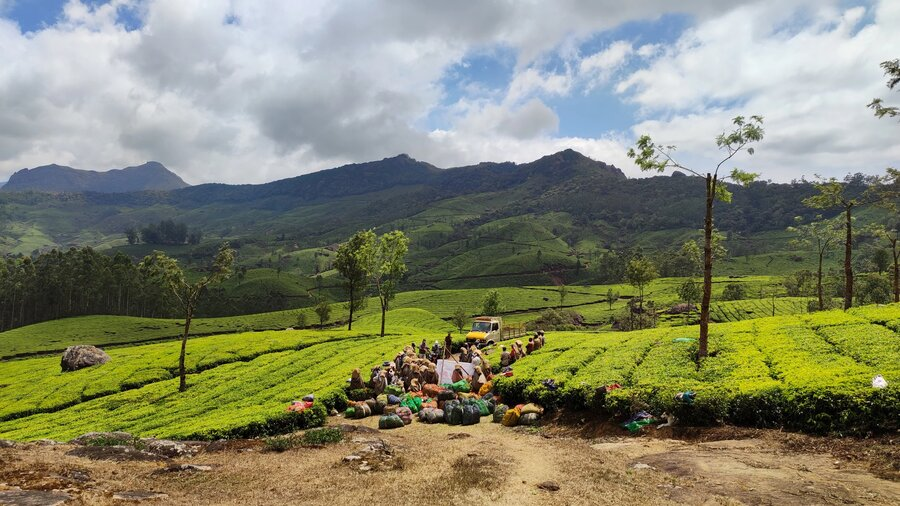
- Tea gardens spread across hills
- Tea factories and processing units
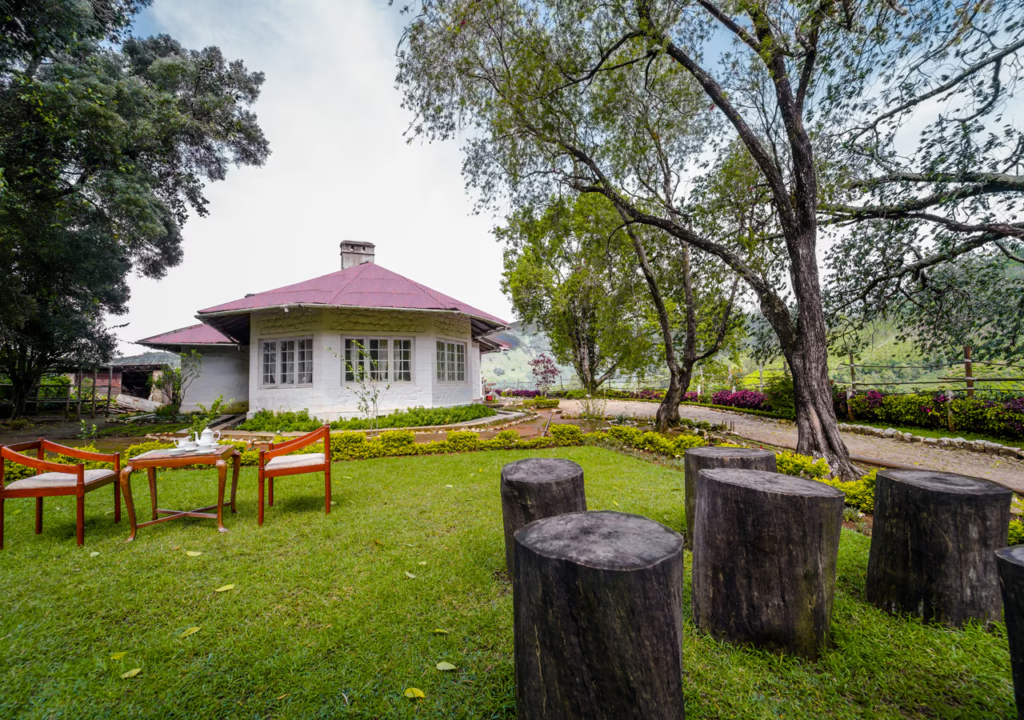
- Colonial-era bungalows
Now, in 2026, this traditional system is evolving into something more modern and sustainable.
New Ownership Trends in 2026
1. Rise of Private Investors
One major change is the entry of private investors into tea estates. Earlier, large companies controlled most plantations. Now:
- Smaller investors are buying sections of estates
- Boutique tea brands are emerging
- Some estates are being converted into eco-resorts
This shift is bringing innovation but also changing the feel of traditional tea gardens.
2. Worker-Owned Cooperatives
Another important trend is worker ownership. In some areas:
- Workers are forming cooperatives
- They are managing tea production themselves
- Profits are shared among workers
This model is improving worker conditions and giving them more control over their livelihood.
3. Conversion into Tourism Properties
Many tea estates are now partly or fully turning into:
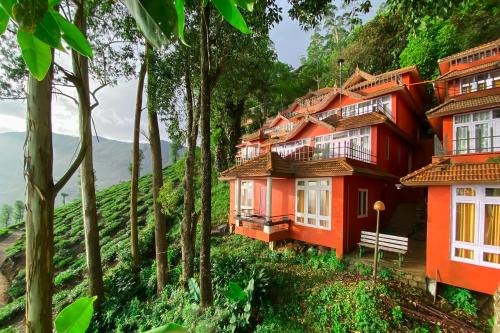
- Luxury resorts
- Homestays
- Experience-based tourism spaces
This means visitors can now stay inside tea estates, not just visit them.
New Government Rules in 2026
The Kerala Tourism and local authorities have introduced new rules to protect Munnar’s environment and manage tourism better.
1. Entry Restrictions in Tea Gardens
Earlier, tourists could walk freely inside many tea estates. Now:
- Entry is restricted in certain areas
- Visitors must follow designated paths
- Some estates require permission or tickets
This is done to protect crops and ensure safety.
2. Limited Tourist Footfall
To control overcrowding:
- Some estates have daily visitor limits
- Advance booking is required in popular areas
- Peak season access may be controlled
This helps maintain the beauty of Munnar without damaging nature.
3. Ban on Plastic and Littering
Strict rules are now in place:
- Single-use plastic is banned in many areas
- Heavy fines for littering
- Eco-friendly tourism is promoted
Visitors must follow these rules strictly.
4. Drone and Photography Regulations
Photography is still allowed, but with conditions:
- Drone usage requires permission
- Commercial shoots need approval
- Some private estates restrict photography
This ensures privacy and safety.
Environmental Changes and Sustainability Efforts
Munnar is known for its fragile ecosystem. In 2026, protecting nature has become a top priority.
1. Organic Tea Farming
Many estates are shifting to organic farming:
- Reduced use of chemicals
- Better soil health
- Safer products for consumers
This also attracts eco-conscious tourists.
2. Reforestation Projects
Efforts are being made to restore natural forests:
- Native trees are being planted
- Wildlife habitats are protected
- Tea cultivation is balanced with nature
3. Water Conservation
Tea estates are adopting:
- Rainwater harvesting
- Efficient irrigation systems
- Reduced water wastage
This is important in maintaining the region’s natural balance.
What These Changes Mean for Visitors
If you are planning a trip to Munnar in 2026, these changes will directly affect your experience.
1. More Organized Tourism
Earlier, visiting tea gardens was informal. Now:
- Tours are more structured
- Guided experiences are common
- Information is better explained
This improves the overall visitor experience.
2. Fewer Crowds, Better Experience
With entry limits:
- You will see fewer crowds
- Enjoy peaceful surroundings
- Get better photo opportunities
3. Paid Experiences
Many activities that were free earlier are now paid:
- Tea garden entry tickets
- Guided plantation walks
- Tea tasting sessions
But the quality of experience is much better.
4. Unique Stay Options
You can now stay inside tea estates:
- Heritage bungalows
- Luxury plantation resorts
- Budget homestays
This gives a deeper connection with nature.
Popular Tea Estate Experiences in 2026
Visitors can enjoy many new experiences in Munnar tea estates.
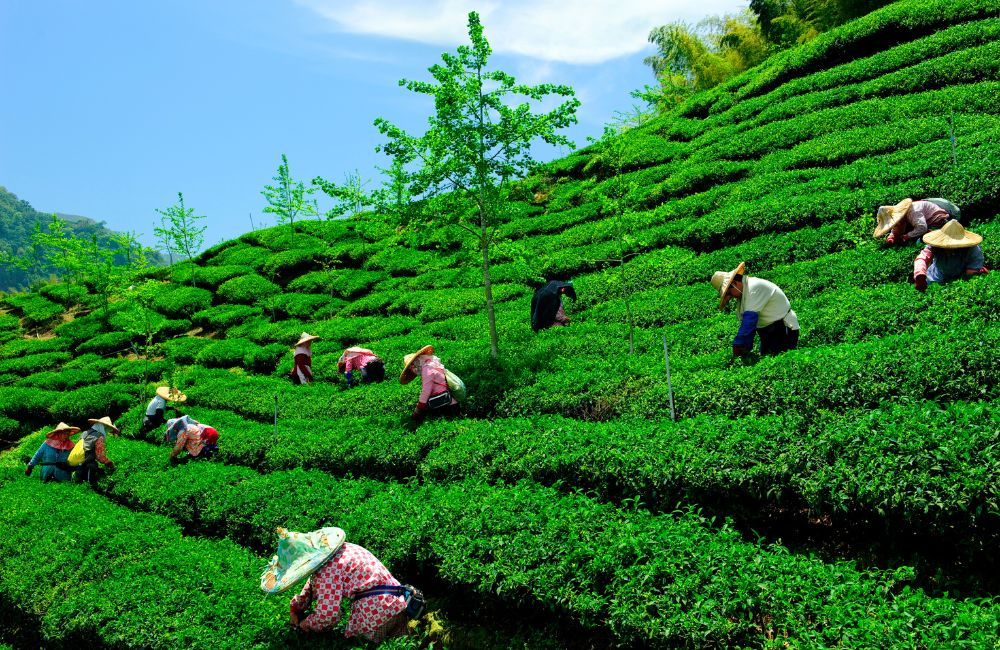
1. Tea Plucking Experience
Tourists can join workers and learn:
- How tea leaves are picked
- Which leaves are best
- Traditional methods of plucking
2. Tea Factory Visits
Factories now offer guided tours:
- Learn tea processing steps
- See machines in action
- Taste fresh tea
A popular place for this is the Tata Tea Museum.
3. Tea Tasting Sessions
You can taste different varieties:
- Black tea
- Green tea
- Flavored tea
Experts explain flavors and quality differences.
4. Photography Tours
Professional photography tours are now available:
- Sunrise shoots in tea gardens
- Misty landscape photography
- Guided scenic spots
Impact on Local Workers
Changes in ownership and rules are also affecting workers.
Positive Impacts
- Better wages in some estates
- Improved working conditions
- Opportunities in tourism jobs
Challenges
- Job shifts from farming to tourism
- Adjustment to new systems
- Dependence on seasonal tourism
Overall, the situation is improving but still evolving.
Best Time to Visit Munnar Tea Estates in 2026
Munnar is beautiful throughout the year, but the best time depends on your preference:
- October to March: Cool weather, best for sightseeing
- April to June: Slightly warmer, still pleasant
- July to September: Monsoon season, lush greenery but heavy rains
Tips for Visitors in 2026
To enjoy your trip smoothly, follow these tips:
- Always check entry rules before visiting
- Book tickets in advance during peak season
- Wear comfortable shoes for walking
- Respect local rules and environment
- Avoid littering and plastic use
- Take permission before flying drones
Future of Munnar Tea Estates
The future looks promising but different from the past.
We can expect:
- More eco-friendly tourism
- Advanced tea production methods
- Increased global attention
- Better infrastructure for visitors
At the same time, maintaining the natural beauty of Munnar will remain a priority.
FAQs About Munnar Tea Estates in 2026
1. Can tourists still walk freely in tea gardens?
No, many estates now have restricted access. Visitors must follow designated paths or take guided tours.
2. Are tea estate visits free?
Some areas are free, but many estates now charge entry fees or offer paid experiences.
3. Is drone photography allowed?
Only with permission. Unauthorized drone use is restricted.
4. Are tea estate stays available?
Yes, many estates now offer stays ranging from budget to luxury.
5. Is Munnar still worth visiting in 2026?
Absolutely. The experience is now more organized, eco-friendly, and immersive.
Conclusion
Munnar tea estates are entering a new phase in 2026. With new owners, updated rules, and a focus on sustainability, the experience for visitors is changing in a positive way.
While some freedom has been replaced by regulations, the overall quality of tourism has improved. Visitors can now enjoy cleaner surroundings, better facilities, and deeper experiences.
If you are planning a trip to Munnar, understanding these changes will help you make the most of your journey. The charm of tea gardens remains the same—only the way you experience them has evolved.
Read Also: Munnar Plantation Bungalow Stay — What It Costs, What to Expect & How to Book (2026)

Sunil Singh is a dedicated travel content writer and the founder of MunnarTeaGardens.in. He specializes in creating comprehensive, user-friendly guides on Munnar’s tea gardens, hill stations, and Kerala tourism. Drawing from the latest tourism trends, official sources, and visitor experiences, Sunil helps thousands of travelers plan safe and rewarding trips every year.