








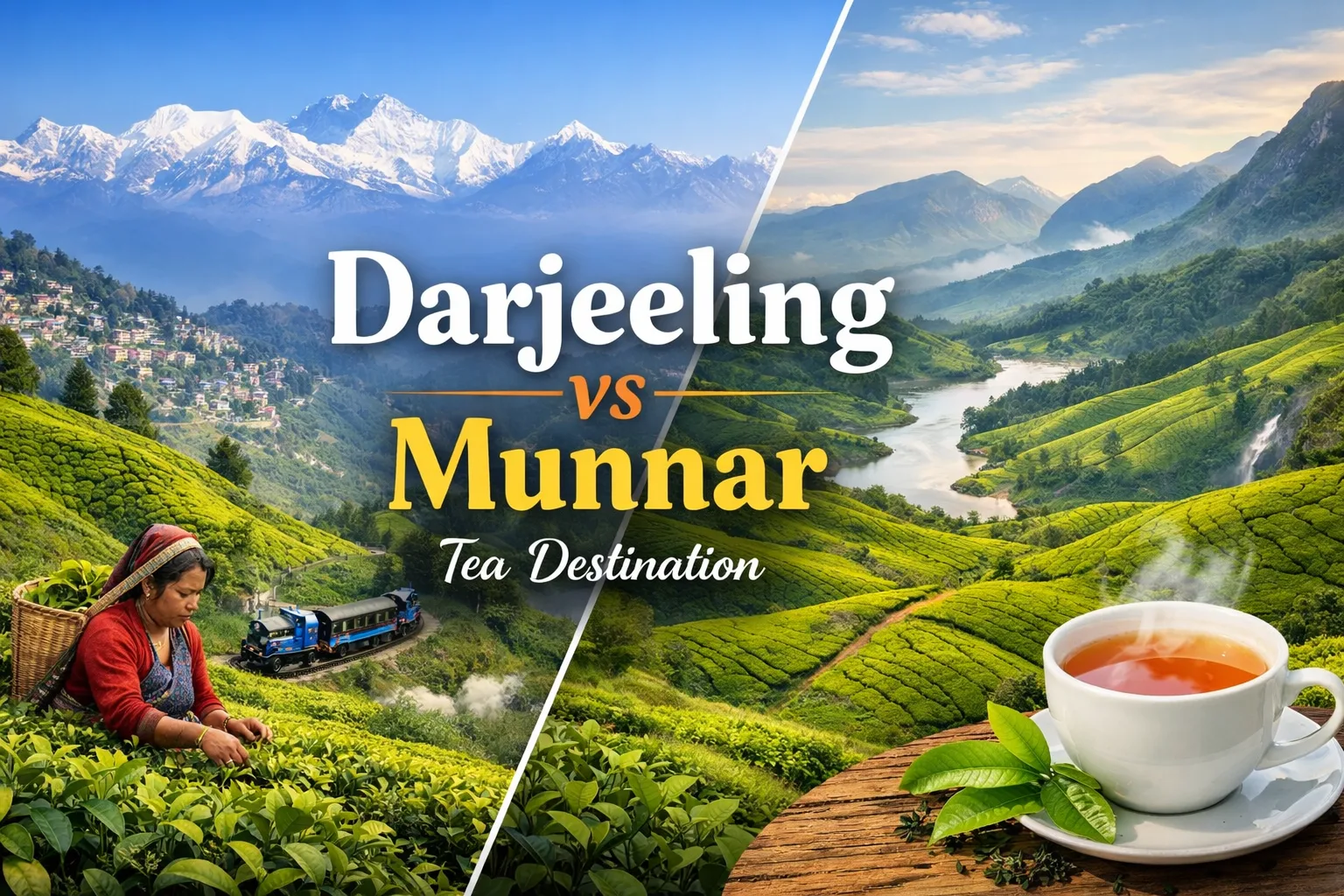
There’s something quietly magical about standing in the middle of a tea garden. The rows of trimmed bushes stretch out like a green carpet, mist curls off the hillsides, and the air smells of something ancient and alive. India has two places that do this better than almost anywhere else on earth: Darjeeling in the northeast and Munnar in the south.
Both are jaw-droppingly beautiful. Both are steeped (pun intended) in tea culture. And both sit on the bucket lists of millions of travellers who want something more than a beach holiday or a city break.
But which one should you actually visit in 2026?
That’s not a trick question — the honest answer is: it depends entirely on who you are and what you’re looking for. This guide breaks it all down, honestly and practically, so you can make the call.
A Tale of Two Tea Destinations
Before diving into comparisons, it helps to understand what makes each place distinctly itself.
Darjeeling sits at roughly 2,000 metres in West Bengal, nestled in the foothills of the Himalayas. It has the colonial bones of a British hill station, a famous toy train that UNESCO has recognised as a World Heritage Site, and a reputation for producing what’s often called the “Champagne of teas.” The first flush Darjeeling — harvested between March and April — is one of the most coveted specialty teas on the planet, fetching hundreds of dollars per kilogram at auctions in Kolkata.
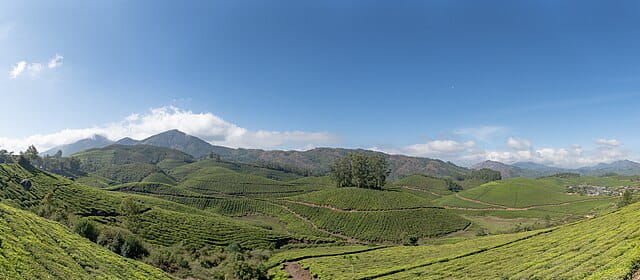
Munnar, on the other hand, is tucked into the Western Ghats of Kerala at around 1,600 metres. It came to prominence as a tea-growing region under British planters in the late 19th century, and today its estates — many run by Tata’s Tea brand — blanket over 30,000 hectares of rolling hills. The landscape here is lush, almost shockingly green, and the tea itself is bold, full-bodied, and designed for the kind of strong brew that Kerala is famous for.
They’re both spectacular. They’re also completely different experiences.
The Tea Itself: What Are You Drinking?
Darjeeling: The Connoisseur’s Cup
If you care deeply about tea as a craft — if you read about oxidation levels, enjoy tasting notes like “muscatel grape” and “floral finish,” and appreciate the idea of terroir applying to leaves the same way it does to wine — Darjeeling is your destination.
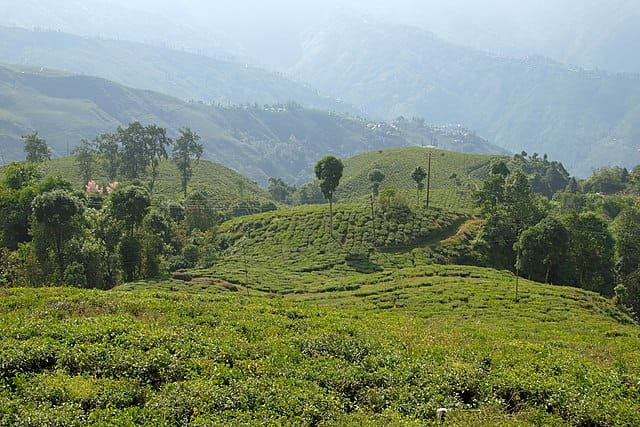
The region produces four distinct flushes per year. The first flush (spring) is light, bright, and almost green in character. The second flush (summer) is the most famous, producing that distinctive muscatel flavour that tea experts lose sleep over. The monsoon flush is heavier and used mostly for blending. The autumnal flush is mellow and rounder.
Visiting estates like Happy Valley, Makaibari, or Glenburn offers not just a garden walk but a full sensory education — from plucking to processing to cupping. Makaibari, in particular, is legendary: it’s the world’s first biodynamic tea estate, and its approach to farming is as philosophical as it is agricultural.
Munnar: The Everyday Champion
Munnar doesn’t try to be rarified. Its teas — primarily CTC (Crush, Tear, Curl) varieties — are the backbone of the Indian chai culture that billions of people rely on every morning. These teas are robust, malty, and built to hold their own against milk and sugar.
The KDHP (Kannan Devan Hills Plantations) Museum in Munnar is one of the best small tea museums in India, walking visitors through the full history of tea cultivation in Kerala. The Tata Tea Museum nearby is similarly engaging, with hands-on displays and tastings.
If you want to understand how the majority of India’s tea actually reaches the cup, Munnar is the more illuminating destination.
Landscape and Scenery: Which Is More Beautiful?
This is deeply subjective, but worth unpacking because the visual experience of each place is genuinely different.
Darjeeling’s Himalayan Drama
Darjeeling’s landscapes come with altitude and drama. On a clear morning — and clear mornings are not guaranteed — you can see Kanchenjunga, the world’s third-highest peak, floating above the clouds. The tea gardens here are terraced into steep hillsides, broken up by rhododendron forests, mountain streams, and the occasional Buddhist monastery.
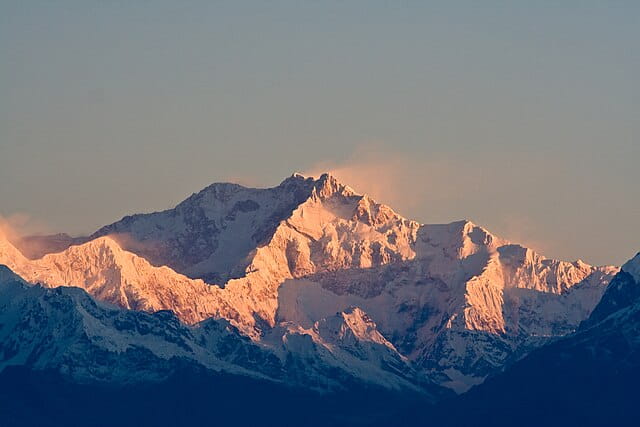
The light changes fast. One hour it’s foggy and ethereal; the next it’s crystal clear with views that stretch for a hundred kilometres. For photographers, this is endlessly exciting. For travellers who like things predictable, it can be maddening.
The town of Darjeeling itself has tremendous character: crumbling colonial-era buildings, Tibetan influences, street food stalls selling momos and thukpa, and the Ghoom Monastery nearby, which dates back to 1850.
Munnar’s Emerald Rolls
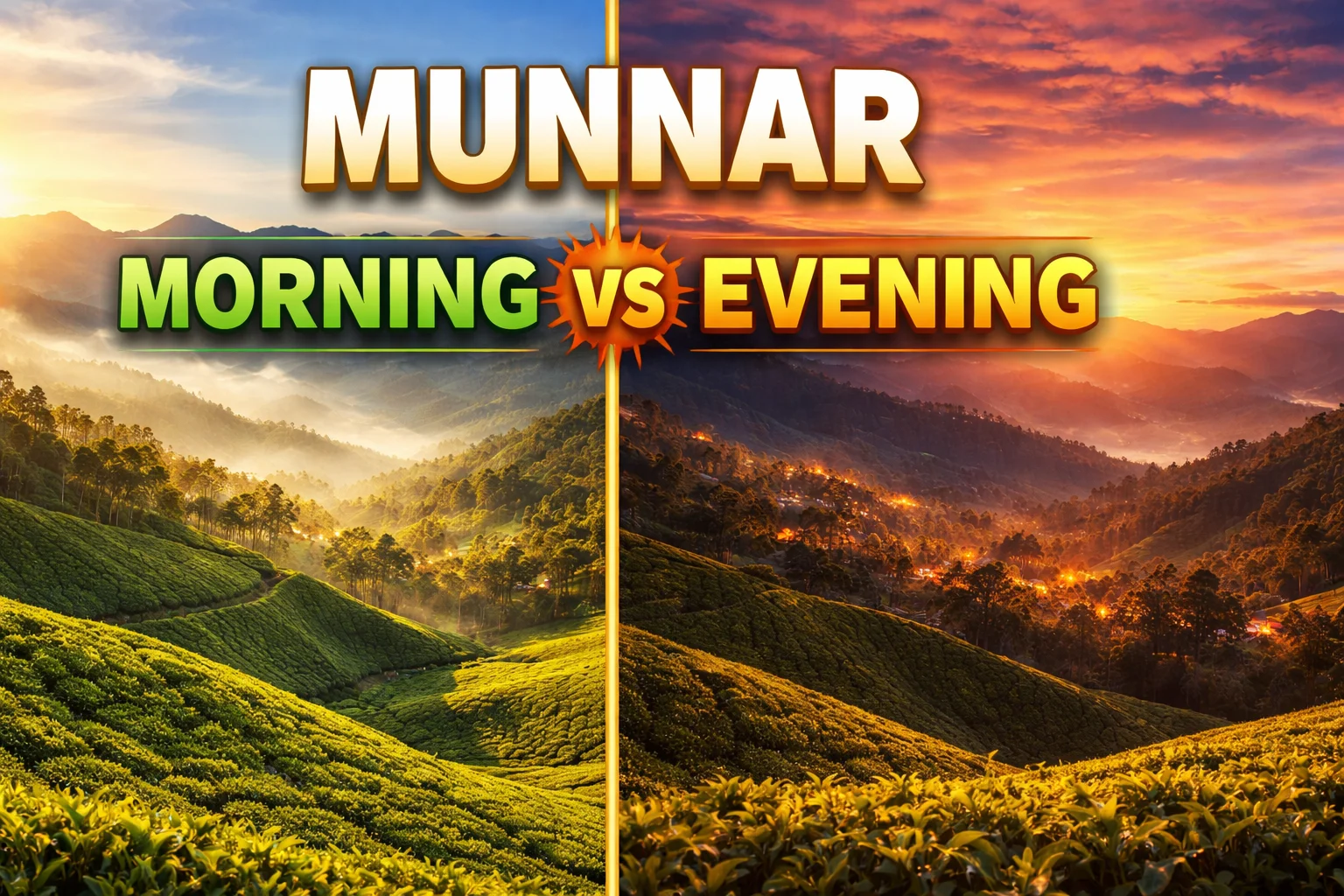
Munnar’s scenery is more consistently accessible — less dramatic, perhaps, but no less beautiful. The hills here are gentler in gradient and the tea fields create this mesmerising tapestry of deep green that feels almost unreal, especially in the monsoon season when everything is saturated.
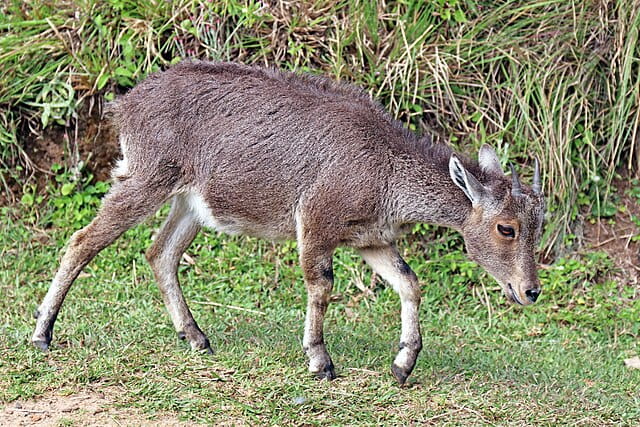
The Eravikulam National Park, just outside Munnar, is home to the endangered Nilgiri tahr (a mountain goat found nowhere else) and occasionally hosts the spectacular Neelakurinji bloom — a rare flowering event that turns the hillsides purple. The last major bloom was in 2018; the next is expected around 2026, which makes this year potentially one of the best times to visit in nearly a decade.
That’s not a small detail. If you’re reading this in 2026 and haven’t checked whether the Neelakurinji is blooming — check now.
Best Time to Visit: Timing Your Trip Right
When to Go to Darjeeling
The best windows for Darjeeling are March to May (spring/first flush season — clear skies and fresh tea) and October to December (post-monsoon, excellent visibility, the autumnal flush). The monsoon months of June through September bring heavy rainfall and frequent landslides, making road travel unreliable.
If seeing Kanchenjunga at sunrise from Tiger Hill is on your list — and it should be — spring is your best shot.
When to Go to Munnar
Munnar is pleasant year-round but shines between September and March, when the rains have cleared but the hills are still vibrantly green. The peak tourist months are December and January, when domestic travel surges. If you want fewer crowds, aim for October or early November.
Avoid visiting during June and July unless you specifically want to experience the monsoon — which, admittedly, has its own moody appeal.
Getting There: The Practical Reality
Reaching Darjeeling
The nearest major airport is Bagdogra Airport (IXB), about 90 kilometres from Darjeeling. From there, you’ll either hire a taxi (roughly 3–4 hours depending on traffic and road conditions) or take the famous Darjeeling Himalayan Railway toy train from New Jalpaiguri — a heritage experience that takes 7–8 hours but is unforgettable. Direct trains connect NJP to most major Indian cities.
The roads to Darjeeling can be slow and occasionally disrupted, especially after rains. Factor in extra travel time.
Reaching Munnar
Munnar’s nearest airport is Cochin International Airport (COK), approximately 130 kilometres away, with well-maintained highways making the journey around 3.5–4 hours by road. Kochi is one of India’s best-connected airports, with international flights as well as extensive domestic connections.
The roads to Munnar wind through rubber plantations and spice estates before climbing into the tea hills — scenic driving, particularly if you break the journey at Cheeyappara Waterfalls.
Verdict on accessibility: Munnar is easier to reach for most travellers, especially those flying internationally. Darjeeling rewards the extra effort but requires more logistical patience.
Accommodation: Where to Stay
Darjeeling’s Heritage Hotels
Darjeeling has a range of stays that mirror its colonial character. The Elgin Darjeeling is a beautifully restored heritage property with fireplaces and views that make it hard to leave. For tea lovers with deeper pockets, staying at Glenburn Tea Estate — a working plantation with bungalow accommodation — offers an immersive experience that few places in India can match.
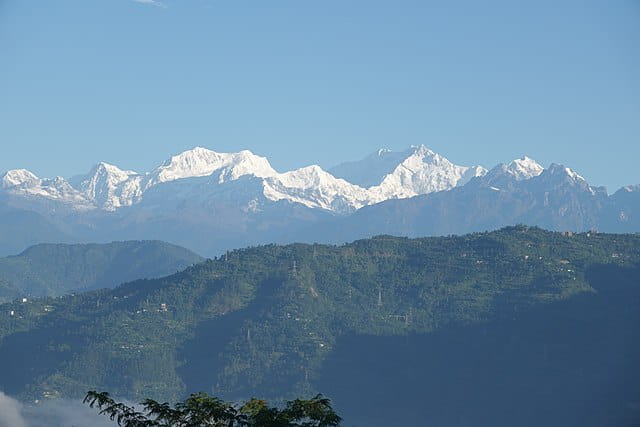
Budget travellers will find clean guesthouses in the town itself, many with Kanchenjunga views from rooftop terraces.
Munnar’s Resort Scene
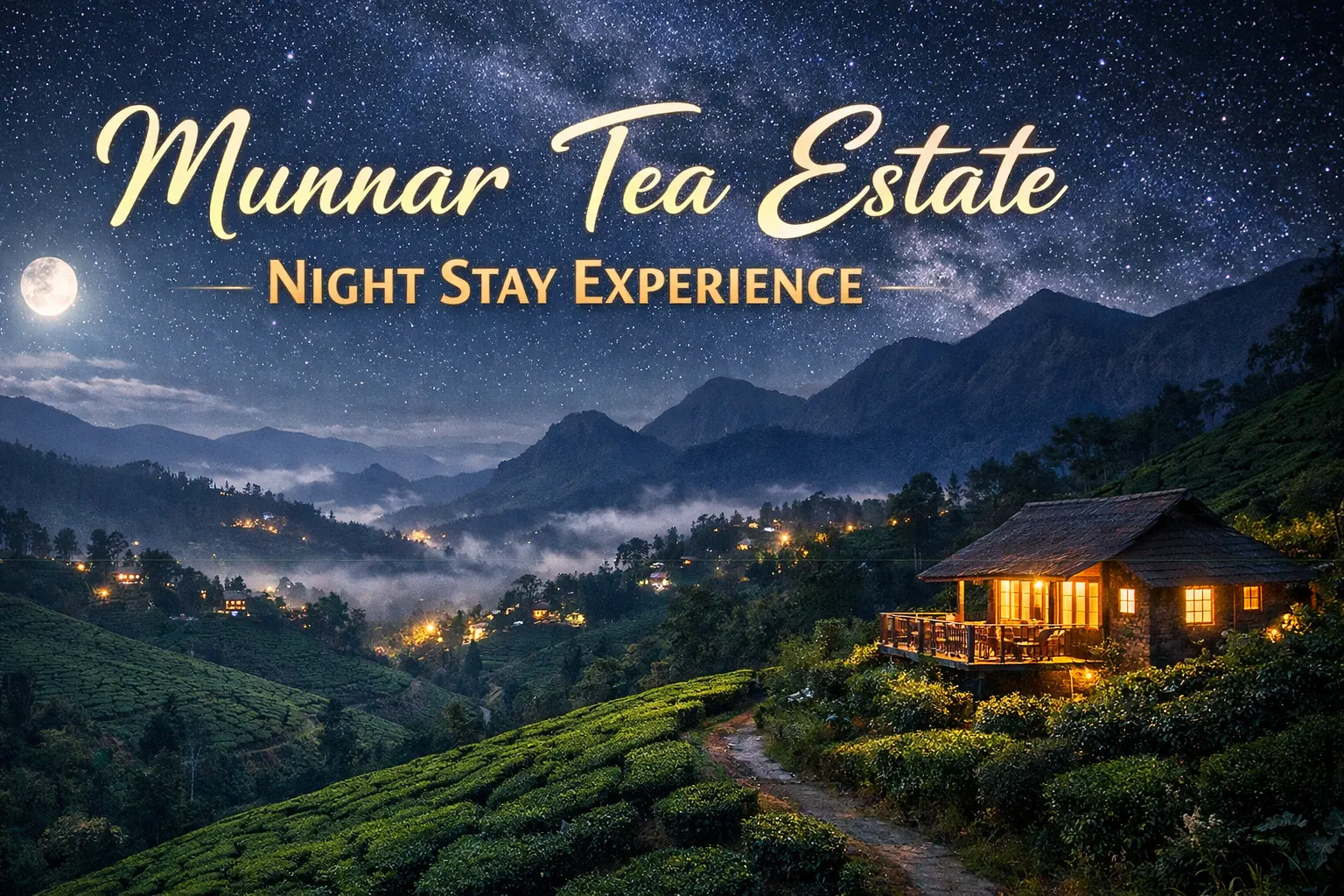
Munnar has developed a strong luxury resort circuit over the past decade. Properties like Windermere Estate, Fragrant Nature, and The Tall Trees offer plantation views, infinity pools, and spa treatments. These are polished, well-run resorts that attract both honeymoon couples and families.
The town of Munnar itself is more congested and less atmospheric than the town of Darjeeling — most visitors prefer to stay a little outside it, where the quiet and the greenery take over.
Read Also: Kerala 7-Day Trip Itinerary: Munnar, Thekkady, Alleppey & Kovalam (2026 Guide)
Tea Tourism Experiences: Side by Side
| Experience | Darjeeling | Munnar |
|---|---|---|
| Estate walks | ✅ Intimate, artisanal | ✅ Large-scale, industrial |
| Tea tasting | ✅ First/second flush specialties | ✅ CTC and orthodox varieties |
| Museum visits | ✅ Moderate options | ✅ Excellent KDHP Museum |
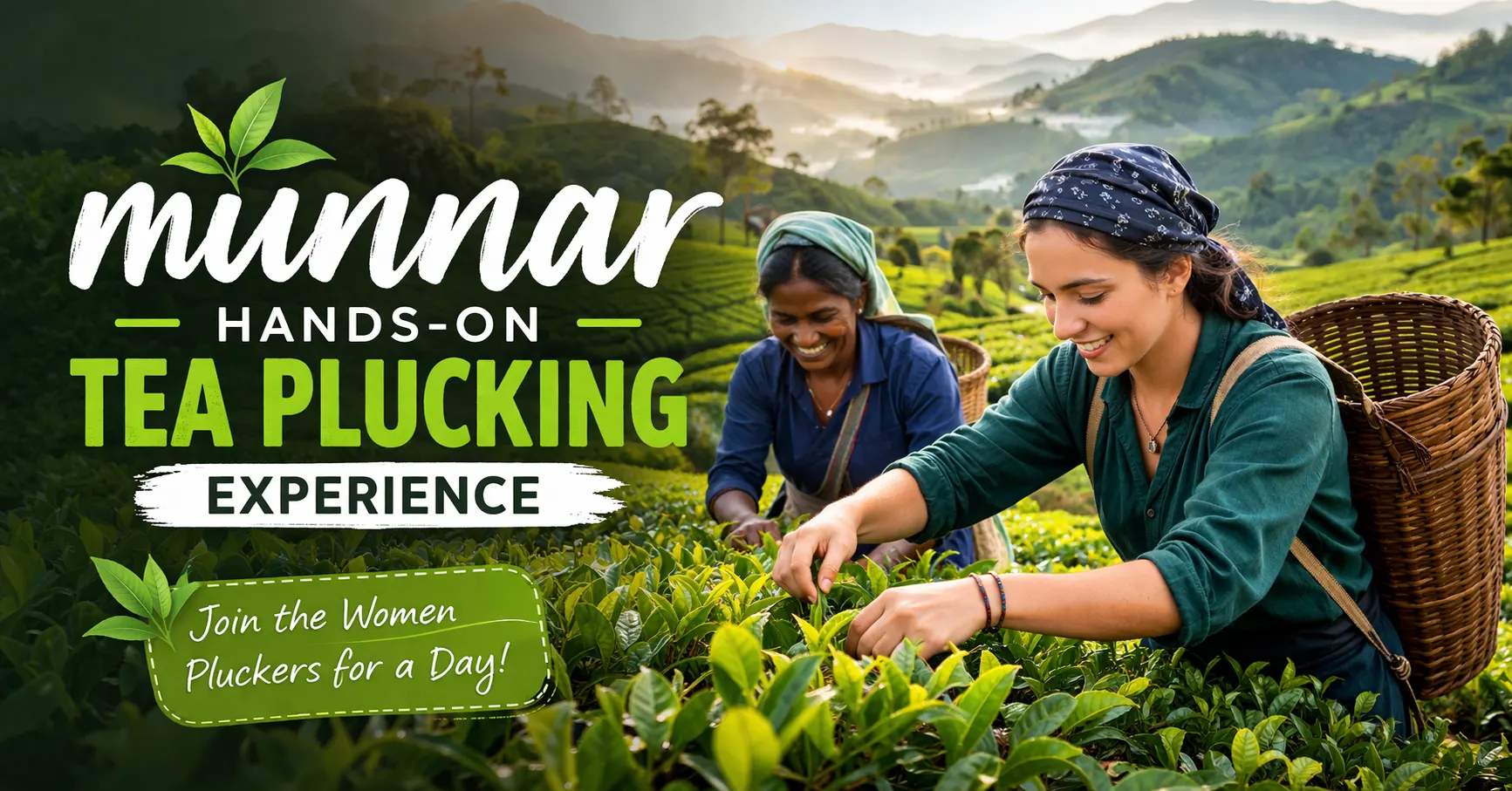
| Plucking experience | ✅ At select estates | ✅ Widely available |
| Tea blending workshops | Available at some estates | Available at KDHP |
| Organic/biodynamic estates | ✅ Makaibari stands out | Limited |
Beyond Tea: What Else Can You Do?
Darjeeling’s Cultural Depth
Darjeeling isn’t just tea. The town has a rich Tibetan-Nepali cultural mix — you’ll hear Nepali spoken more than Bengali, find Buddhist prayer flags strung across hillside paths, and discover Tenzing Norgay’s legacy (he was from the Darjeeling region) at the Himalayan Mountaineering Institute.
The Tiger Hill sunrise, the Batasia Loop (a stunning spiral railway loop with war memorial), and the Padmaja Naidu Himalayan Zoological Park (home to the endangered red panda) round out a trip that goes well beyond tea estates.
Munnar’s Natural Abundance
Munnar has Eravikulam National Park, Mattupetty Dam, Kundala Lake, and Top Station — a viewpoint that, on a clear day, offers views across Kerala and into Tamil Nadu. The nearby Chinnar Wildlife Sanctuary is excellent for birdwatching, with over 225 species recorded.
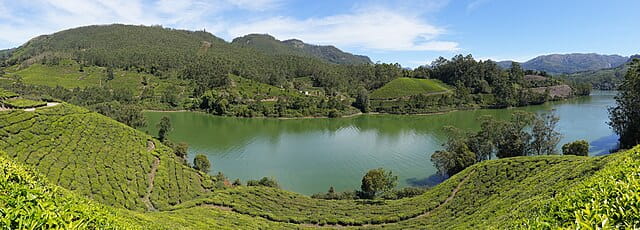
Kerala’s broader appeal — backwaters, Ayurvedic spas, seafood cuisine — is also within reach if you combine Munnar with a few days in Kochi or Alleppey.
Budget Breakdown: Which Is More Affordable?
Both destinations can be done on a range of budgets, but there are some meaningful differences.
Darjeeling tends to be slightly more expensive on accommodation, especially if you want quality. The remote location inflates prices for goods, and the heritage hotel sector commands a premium. Expect to pay ₹4,000–₹15,000/night for mid-to-upper range stays.
Munnar offers more competition in the resort market, which keeps prices more in check, though luxury properties still command premium rates during peak season. Mid-range stays run ₹3,000–₹10,000/night.
Food is reasonably priced in both destinations, with local thalis and street food keeping daily costs low if you eat like a local.
Darjeeling vs Munnar: Who Should Go Where?
Here’s the honest summary:
Choose Darjeeling if you:
- Are passionate about specialty or artisanal tea
- Love mountain landscapes, Himalayan views, and high-altitude trekking
- Are interested in Tibetan-Nepali culture, colonial history, and heritage railways
- Don’t mind some logistical complexity in exchange for a rawer, more layered experience
Choose Munnar if you:
- Want lush, accessible scenery without the travel complications
- Are travelling with family or on a honeymoon and prefer polished resort infrastructure
- Want to combine tea tourism with broader Kerala experiences
- Are visiting in 2026 specifically to witness the Neelakurinji bloom (if it’s happening — check the latest updates before you book)
Choose both if you can. Seriously. A week in each, or ten days split between them, gives you one of the most memorable tea tourism itineraries in the world. Start in Munnar — it’s easier to ease into — then fly up to Bagdogra and work your way up to Darjeeling for the second act.
Final Verdict
Neither Darjeeling nor Munnar is objectively “better.” They’re different conversations about the same leaf, told in completely different accents.
Darjeeling is the poet — introspective, complex, historically rich, occasionally difficult to reach, but deeply rewarding when you do. Munnar is the storyteller — vivid, welcoming, visually generous, and easier to share with a wider audience.
In 2026, both destinations are investing in sustainable tourism, better infrastructure, and more immersive visitor experiences. Indian tea tourism is growing fast, and these two regions are leading that growth in distinctly different ways.
Whatever you choose, go with your senses open. Sit down at a small estate, hold a warm cup, look out at the hills, and let yourself be completely present in it.
That’s the whole point, really.
Planning your trip? Bookmark this guide and check seasonal updates for both destinations closer to your travel dates — especially if the Neelakurinji bloom in Munnar is on your radar for 2026.

Sunil Singh is a travel writer and hill station explorer specialising in Kerala’s tea gardens, with years of firsthand experience visiting Munnar’s estates and plantations. Through Munnar Tea Gardens, he shares real-visit guides, honest reviews, and practical tips to help travellers plan smarter trips.