Tucked away in the lush hills of Munnar, the narrative of tea estates is about more than just plants—it is about people, culture, colonial history, and transformation. Although its history dates back to the British Raj, when British planters first noticed the region’s temperate climate and rolling hills, Munnar is now one of India’s most well-known hill stations.
This article explores the complete history of Munnar tea estates—from their colonial roots to their modern role in tourism in 2026—using simple language and real insights that readers actually search for.
What Makes Munnar Perfect for Tea Cultivation?
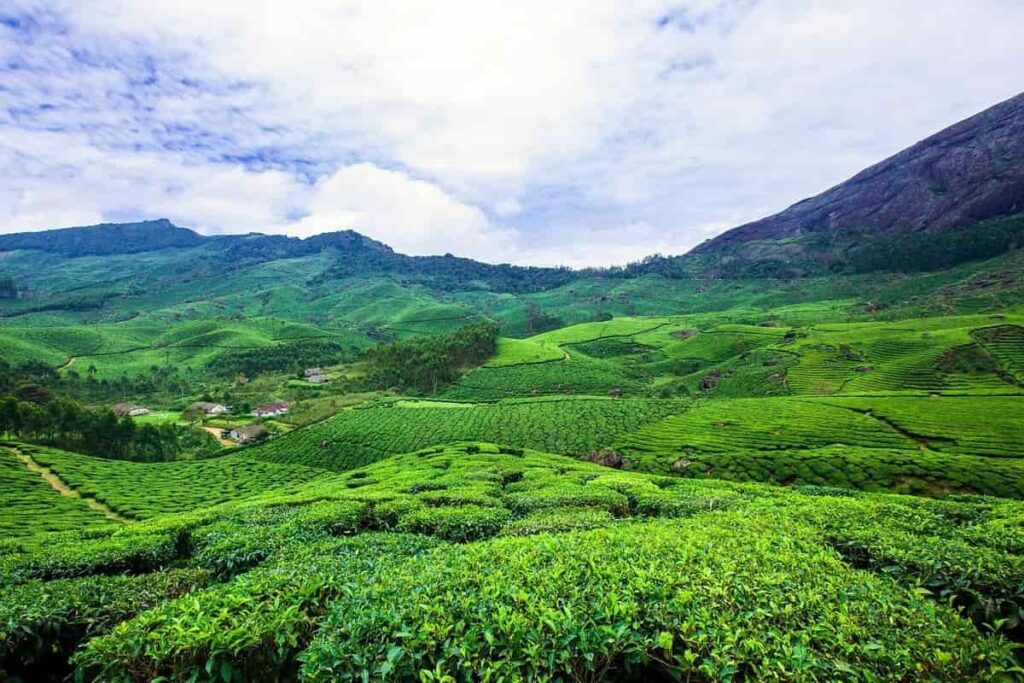
Munnar is located in the Western Ghats of Kerala, at an altitude of around 1,600 meters above sea level. This unique geography makes it ideal for tea cultivation.
Key Reasons:
- Cool climate throughout the year
- Frequent rainfall
- Rich, fertile soil
- Sloping terrain for drainage
These natural advantages attracted British planters in the 19th century, who were searching for suitable areas to grow tea after success in places like Darjeeling and Assam.
How the British Discovered Munnar Tea Estates
The origin of tea plantations in Munnar dates back to the late 1800s. British officers and entrepreneurs began exploring the region during colonial expansion.
Early Developments:
- In the 1870s, European planters arrived in the region
- Initial focus was on coffee, but it failed due to plant diseases
- Tea replaced coffee as the main crop
One of the important companies involved was Kannan Devan Hills Produce Company, which played a major role in developing large tea estates.
Real Story Insight:
Many workers were brought from Tamil Nadu to work in plantations. Even today, their descendants form a large part of Munnar’s population, preserving a unique blend of cultures.
Life in British-Era Tea Plantations
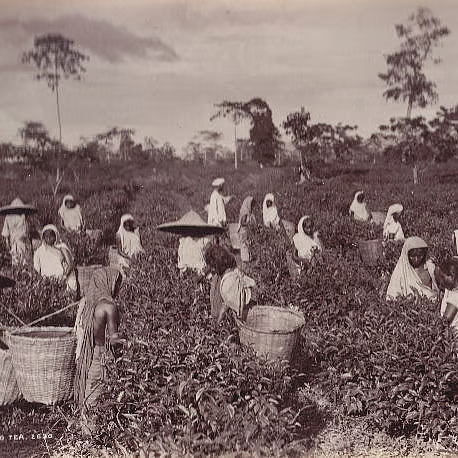
Life during the British plantation era was not easy for workers.
Working Conditions:
- Long working hours
- Low wages
- Limited rights
- Basic housing in estate lines
British planters lived in large bungalows, while workers stayed in small quarters.
Social Structure:
- Strict hierarchy between British owners and Indian workers
- Estate managers controlled daily operations
- Workers had limited access to education and healthcare
Despite these hardships, communities grew around plantations, and traditions developed that continue even today.
The Growth of Tea Industry in Munnar
By the early 20th century, Munnar had become a major tea-producing region in India.
Key Developments:
- Expansion of tea estates across hills
- Construction of roads and railways for transport
- Establishment of tea factories
Tea from Munnar started reaching global markets, especially Britain.
Industrial Progress:
The introduction of machines improved production efficiency, but manual labor remained essential for plucking tea leaves.
Transition After Indian Independence
After India gained independence in 1947, major changes happened in ownership and management.
Important Changes:
- British companies gradually transferred ownership
- Indian companies took over operations
- Workers gained better rights and protections
One of the major transformations came when Tata Tea became involved in managing tea estates in the region.
Worker Welfare Improvements:
- Better housing facilities
- Access to education
- Healthcare services
- Fair wages (compared to earlier times)
This phase marked the beginning of a more balanced system between workers and management.
The Role of Tata Tea in Munnar’s History
The entry of Tata Tea was a turning point.
Contributions:
- Modernization of tea processing
- Focus on quality and branding
- Export growth
Later, the estates were handed over to workers under a cooperative model known as Kanan Devan Hills Plantations Company.
Real Story Insight:
This worker-owned model is one of the rare examples in India where employees became stakeholders in the tea business.
How Munnar Tea Estates Became a Tourist Attraction
In recent years, tea estates have become more than just agricultural land—they are now major tourist attractions.
Why Tourists Visit:
- Scenic green landscapes
- Tea factory tours
- Fresh tea tasting experiences
- Photography opportunities
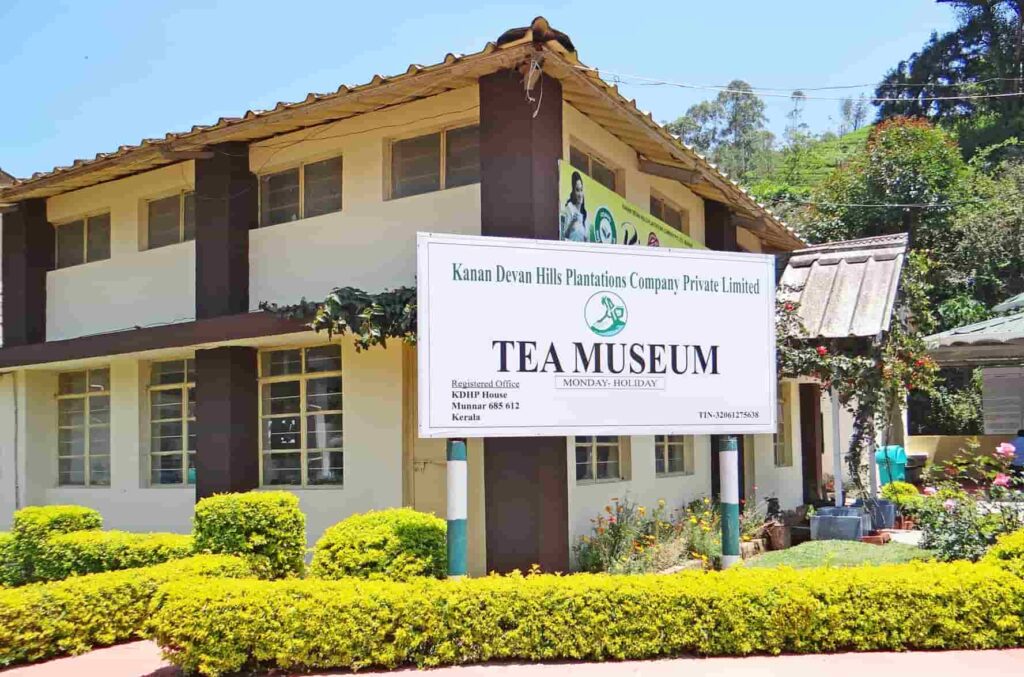
One popular spot is the Tata Tea Museum, where visitors can learn about the history of tea production.
Munnar Tea Tourism in 2026
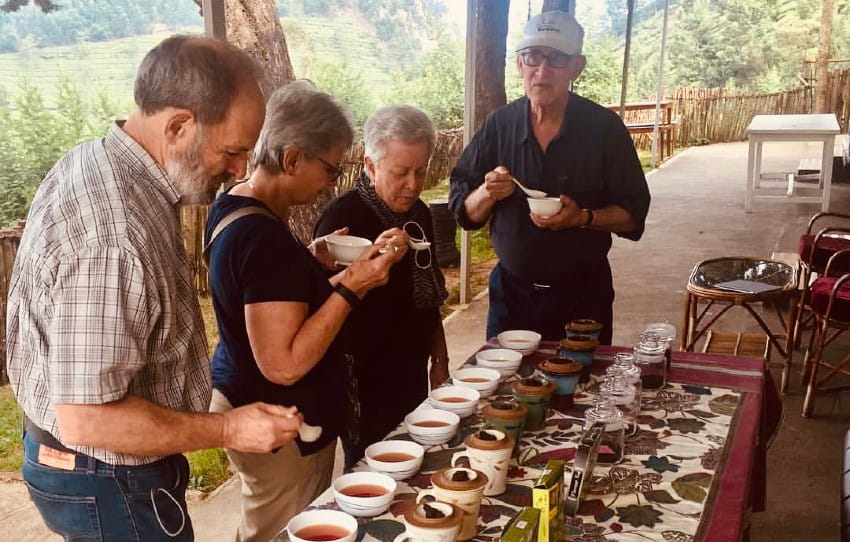
As of 2026, Munnar has become a top destination for eco-tourism and heritage tourism.
Current Trends:
- Tea estate stays and homestays
- Guided plantation walks
- Organic tea farming awareness
- Sustainable tourism practices
What Has Changed:
- Better infrastructure and roads
- Online booking for estate tours
- Increased focus on eco-friendly travel
Real Visitor Insight:
Many regular visitors say that early morning walks through mist-covered tea gardens offer one of the most peaceful experiences in India.
Challenges Faced by Munnar Tea Estates
Despite growth, the tea industry in Munnar faces several challenges.
Major Issues:
- Climate change affecting production
- Rising labor costs
- Competition from other tea regions
- Declining profit margins
Environmental Concerns:
- Soil erosion
- Deforestation in some areas
- Need for sustainable farming
Efforts are being made to adopt eco-friendly practices and preserve the natural beauty of the region.
Cultural Impact of Tea Estates in Munnar
Tea plantations have shaped the culture of Munnar in many ways.
Cultural Elements:
- Tamil worker communities
- Unique festivals and traditions
- Plantation lifestyle
Food and Lifestyle:
- Simple, traditional South Indian meals
- Strong tea culture in daily life
The mix of Kerala and Tamil Nadu cultures gives Munnar a unique identity.
Best Tea Estates to Visit in Munnar
If you are planning a visit, here are some well-known tea estates:
- Kolukkumalai Tea Estate (highest tea plantation in the world)
- Lockhart Tea Estate
- Sevenmallay Tea Estate
- Kanan Devan Hills plantations
These places offer a mix of history, views, and real tea experiences.
Best Time to Visit Munnar Tea Estates
Ideal Months:
- September to March (pleasant weather)
- June to August (monsoon beauty, but heavy rain)
Travel Tips:
- Visit early morning for best views
- Carry light woolens
- Wear comfortable walking shoes
FAQs About Munnar Tea Estates
1. Who started tea plantations in Munnar?
Tea plantations were started by British planters during the late 19th century.
2. Are Munnar tea estates still active?
Yes, they are fully operational and produce tea for domestic and international markets.
3. Can tourists stay inside tea estates?
Yes, many estates offer homestays and guided tours.
4. What is special about Munnar tea?
It has a unique flavor due to high altitude and cool climate.
5. Is tea tourism popular in 2026?
Yes, it is growing rapidly with eco-tourism and heritage experiences.
Conclusion
The history of Munnar tea estates is a journey from colonial exploitation to community ownership and modern tourism. What started as a British plantation experiment has now become a symbol of natural beauty, cultural diversity, and sustainable travel.
Today, Munnar is not just about tea—it is about stories. Stories of workers, families, and generations who built their lives around these green hills.
If you are planning a trip in 2026, visiting Munnar tea estates is not just a sightseeing activity—it is an experience that connects you with history, nature, and real human stories.
Read Also: Budget Tea Estate Stay in Munnar for Nature Lovers (2026 Guide)

Sunil Singh is a travel writer and hill station explorer specialising in Kerala’s tea gardens, with years of firsthand experience visiting Munnar’s estates and plantations. Through Munnar Tea Gardens, he shares real-visit guides, honest reviews, and practical tips to help travellers plan smarter trips.