









Every few months, you’ll see the same debate flare up in travel forums: “Is Munnar overrated?”
Some travelers come back absolutely in love — photos of misty tea gardens, cool breezes, and winding hill roads. Others feel genuinely disappointed — crowded viewpoints, commercialized spots, and traffic jams that eat up hours of a short trip.
So which is it?
The honest answer: both groups are right — but for different reasons. Munnar is not overrated as a destination. It can feel overrated if you visit at the wrong time, in the wrong way, or with the wrong expectations.
This guide will tell you what most travel blogs skip — the real conditions, the smarter decisions, and exactly who Munnar is (and isn’t) for.
What You’ll Actually Experience (Most of the Time)
Munnar during peak season — October to January and summer holidays — is genuinely crowded. Popular spots like Mattupetty Dam, Echo Point, and Eravikulam National Park see hundreds of visitors on the same day. The roads are narrow, and traffic can add 1–2 hours to every short drive.
One thing most people don’t realize is that most of the “stunning views” you see in photos are taken either very early in the morning (before 8 AM) or during the monsoon months (July–September), when tourist footfall is lower but roads can get risky.
Many regular visitors say that if you manage your timing correctly, Munnar feels nothing like the crowded, commercialized place people complain about — it feels genuinely magical.
Is Munnar Worth Visiting in 2026?
Short answer: Yes — if you plan smartly.
Munnar still offers something rare: a working hill station ecosystem with real tea plantations, genuine wildlife (Nilgiri Tahr, Shola forests), and cool temperatures year-round. At elevations between 1,450 and 2,695 metres, it’s one of South India’s highest motorable destinations.
What makes it stand out from other hill stations:
- Tea plantation culture that you can actually walk through (not just photograph from outside)
- Anamudi Peak — the highest point in South India at 2,695 m (inside Eravikulam National Park)
- Tata Tea Museum — a genuinely interesting 100-year history of tea in the region
- Proximity to Kerala’s coast — many travelers combine Munnar with Alleppey backwaters or Kochi
If you’ve never visited a working hill tea estate, Munnar remains one of the few places in India where you can do that at scale.
What Makes Munnar Special (Why People Love It)
1. Endless Tea Gardens & Scenic Views
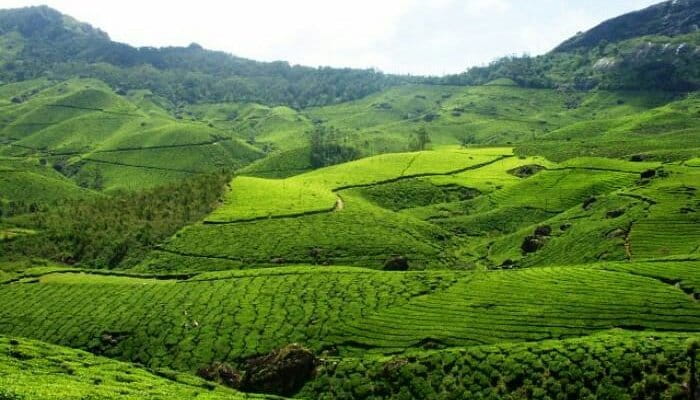
Munnar is famous for its rolling green tea plantations that look straight out of a postcard.
- Vast landscapes with layered hills
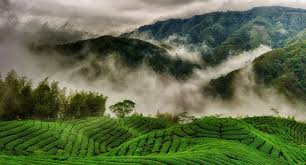
- Early morning fog covering the valleys
- Peaceful walking paths between plantations
Insight:
If you arrive after 10 AM, you’ll miss the best fog views — early morning is when Munnar looks completely different.
2. Cool Weather (Even in Summer)
Unlike most of India, Munnar stays pleasant year-round.
- Summer (March–May): 15°C – 25°C
- Winter (Dec–Feb): Can drop below 10°C
Many regular visitors say that this weather alone makes Munnar worth visiting, especially if you’re escaping city heat.
3. Beautiful Road Journey
The drive to Munnar is part of the experience.
- Curvy hill roads
- Waterfalls on the way
- Spice plantations
One thing most people don’t realize is the last 40–50 km of the journey is slow but incredibly scenic.
4. Famous Attractions
Top places include:
- Eravikulam National Park
- Mattupetty Dam
- Top Station
- Tea Museum
These spots offer a mix of nature, views, and local culture.

Why Some People Say Munnar Is Overrated
1. Traffic & Crowds (Peak Season Problem)
This is the biggest complaint.
- Long traffic jams (especially weekends)
- Parking issues near attractions
- Crowded viewpoints
Reality check:
If you visit during holidays or after 10 AM, Munnar can feel chaotic.
2. Prices Can Feel High
Compared to other hill stations:
- Hotels can be expensive during peak season
- Taxi costs are high due to terrain
- Food is slightly overpriced in tourist areas
3. Limited Activities (For Some Travelers)
If you’re expecting adventure like Manali or Rishikesh, you may feel disappointed.
- Fewer adventure sports
- Mostly sightseeing + relaxing
Who feels this most?
Travelers looking for nightlife or high-energy activities.
4. Weather Can Ruin Plans
During monsoon (June–September):
- Heavy rain
- Landslides (rare but possible)
- Limited visibility
Many regular visitors say that Munnar looks beautiful in rain but sightseeing becomes difficult.
Best Time to Visit Munnar (Month-by-Month Breakdown)
| Month | Weather | Crowd Level | Verdict |
|---|---|---|---|
| Jan–Feb | Cool, clear | High | Good, but book early |
| Mar–Apr | Warming up | Moderate | Underrated sweet spot |
| May–Jun | Hot, pre-monsoon | Very High | Avoid if possible |
| Jul–Sep | Monsoon, misty | Low | Great scenery, slippery roads |
| Oct–Nov | Post-monsoon, lush | High | Best overall season |
| December | Cool, festive | Very High | Expect traffic and premium pricing |
Insight: If you arrive after 10 AM at any major viewpoint, you’ll miss the best fog views — early morning (6–8 AM) is when Munnar looks completely different. The valley fills with mist, visibility drops beautifully, and the crowds haven’t arrived yet.
Where to Go in Munnar: Beyond the Tourist Checklist
Popular Spots (Worth Visiting, With Caveats)
Eravikulam National Park Home to the endangered Nilgiri Tahr. The trek to the entrance area and the grassland views are genuinely worth it. Booking is mandatory online — do it at least 2–3 days in advance during peak months.
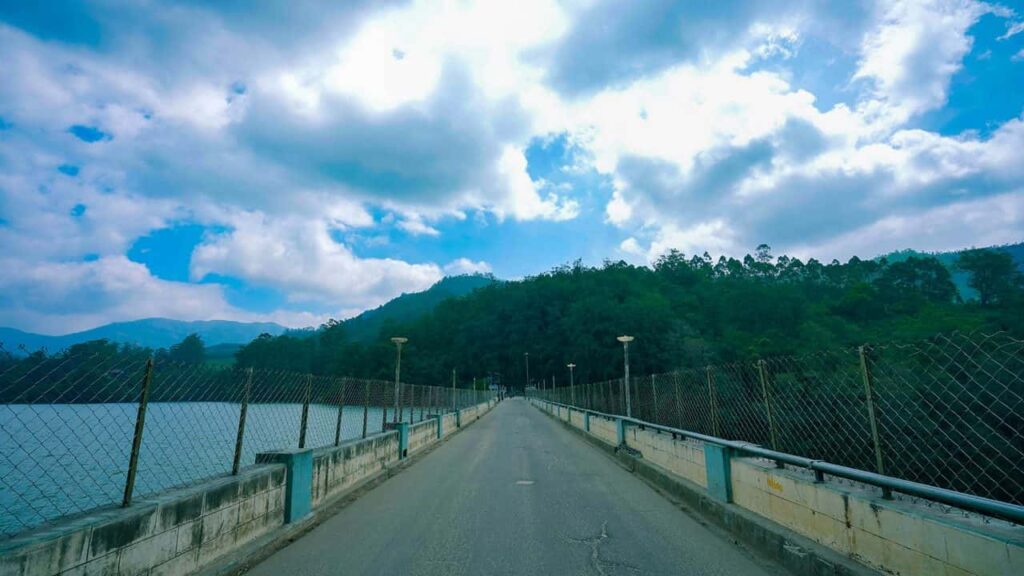
Mattupetty Dam & Lake Good for a morning walk. Skip the boating if crowds bother you — the queue can be 45–60 minutes long on weekends.
Tea Museum (Tata Tea) One of the most underrated stops in Munnar. The machinery, historical photographs, and tea-tasting session are genuinely interesting. Entry fee is low, and it’s rarely overcrowded.
Top Station The highest point reachable by road (about 32 km from Munnar town). On clear days, you can see into Tamil Nadu. Many regular visitors say this viewpoint, early morning, is the most rewarding spot in all of Munnar — and it’s often ignored in standard tour packages.
Spots Most Blogs Don’t Tell You About
Lakkam Waterfalls Located about 25 km from town, this is a forest-surrounded waterfall with far fewer visitors than Attukal or Cheeyappara. The trail around it offers a quiet hour in the jungle.
Kolukkumalai Tea Estate At 2,100 m, it’s one of the world’s highest tea plantations. The road is rough (jeep-only from a certain point), and the views on the way up are extraordinary. Most package tours skip this entirely.
Rajamala (Beyond the Park Gate) The grassland walk beyond the Eravikulam gate — if you go early and slowly — often rewards with Nilgiri Tahr sightings within 15–20 minutes. Many visitors rush through this and miss the wildlife completely.
What Most Blogs Don’t Tell You About Munnar
- The town itself isn’t scenic: Munnar town is functional, not beautiful. The magic is outside it — in the estates, the hillsides, the forests. If you base your expectations on town views, you’ll be disappointed.
- Packages are a mixed bag: Most budget tour packages rush through 5–6 spots in one day, giving you 15 minutes at each. This is not a good way to experience Munnar. Renting a vehicle and self-driving (or hiring a driver for a day) is far better.
- Neelakurinji blooms are rare: These famous flowers bloom only once every 12 years. The last bloom was in 2018, and the next is expected around 2030. Don’t book a trip specifically for this and be disappointed.
- The drive to Munnar is part of the experience: Whether you come from Kochi or Coimbatore, the ghat roads are stunning. Many travelers arrive at night (to save time) and miss one of the best parts of the journey entirely.
- Accommodation inside estates is worth the extra spend: Staying inside a tea estate — rather than a hotel in town — completely changes the experience. You wake up to fog, birdsong, and rows of tea. This is where Munnar earns its reputation.
Cost Breakdown: How Much Does a Munnar Trip Cost? (2026)
Budget Traveler (Per Person, 3 Nights)
| Item | Approximate Cost (INR) |
|---|---|
| Accommodation (hostel/budget guesthouse) | ₹500–₹900/night |
| Food (local restaurants) | ₹300–₹500/day |
| Local transport (shared jeep/auto) | ₹200–₹400/day |
| Entry fees (avg) | ₹100–₹300/day |
| Total (3 nights) | ₹5,000–₹8,000 |
Mid-Range Traveler (Per Person, 3 Nights)
| Item | Approximate Cost (INR) |
|---|---|
| Accommodation (estate stay/3-star hotel) | ₹2,500–₹5,000/night |
| Food (mix of restaurants) | ₹600–₹1,000/day |
| Private driver/cab | ₹2,500–₹3,500/day |
| Entry fees + activities | ₹400–₹800/day |
| Total (3 nights) | ₹22,000–₹35,000 |
Tip: Prices at tea estate resorts jump by 30–50% during Christmas/New Year and long weekends. Booking 3–4 weeks in advance saves significantly.
How to Reach Munnar
By Road from Kochi (Ernakulam): ~130 km, 3.5–4.5 hours depending on traffic. This is the most popular route. The Neriamangalam–Adimali stretch is particularly beautiful.
By Road from Coimbatore: ~100 km, 3–3.5 hours via Marayoor. This route passes through sandalwood forests and is less commonly taken — making it quieter and often more scenic.
By Road from Thekkady (Periyar): ~90 km, 3 hours. A good option if combining Munnar with a wildlife safari.
Nearest Airport: Cochin International Airport (COK) — about 110 km away.

Nearest Railway Station: Ernakulam (Kochi) — about 130 km away. No direct train to Munnar exists.
Practical tip: If you’re taking a bus from Kochi, the KSRTC service from Ernakulam Bus Stand is reliable and affordable (₹150–₹200). Private buses are also available but vary in comfort. The journey itself along the ghats is part of the experience — window seat strongly recommended.
Practical Travel Tips for Munnar (2026)
- Carry layers. Even in summer, mornings and evenings can drop to 10–15°C. Most tourists underestimate this.
- Book Eravikulam tickets online at least 48–72 hours in advance during peak months (Oct–Jan). Walk-in availability is limited.
- Fuel up before heading to remote areas. Petrol stations are sparse beyond Munnar town.
- Carry cash. Many estate stays and roadside stalls don’t accept cards or UPI reliably.
- Don’t plan more than 2 major spots per day. The roads are narrow and scenic — rushing kills the experience.
- Download offline maps. Network connectivity drops frequently on the ghat roads and in forested areas.
Mistakes to Avoid in Munnar
1. Visiting only on weekends Munnar’s traffic and crowd problem is heavily weekend-driven. A Tuesday–Thursday visit to the same spots feels like a completely different destination.
2. Taking a rushed day-trip A day-trip from Kochi means you spend 7–8 hours driving for 3–4 hours in Munnar. It’s not worth it. Minimum 2 nights is needed to experience the place properly.
3. Trusting “best viewpoint” signs on the road Many signs for “viewpoints” on the Munnar road are private shops looking to attract customers. The actual view from the spot is secondary to the chai and trinkets they want to sell you.
4. Skipping the early morning This is the single biggest mistake. Waking up at 6 AM in Munnar — even just to sit outside your accommodation — often gives you the mist, the silence, and the landscape that people come to see.
5. Booking the cheapest package without reading it Many packages list “Top Station” but take you to a viewpoint 10 km short of it. Always ask specifically which spots are included and for how long.
Also Read This: Morning vs Evening in Munnar: Which Time is Better for Sightseeing? (2026 Guide)
Who Is Munnar Best For (And Who Should Probably Skip It)?
Munnar Is Perfect For:
- Nature lovers and photographers who enjoy landscapes
- Couples looking for a relaxed, scenic hill station holiday
- Families with older children who like mild outdoor activities
- Travelers who want cool weather relief from Kerala’s coastal heat
- People combining it with a Kerala backwaters trip
Munnar Might Disappoint:
- Adventure seekers expecting technical treks or extreme sports (options are limited)
- Travelers who hate traffic and are visiting in peak season without flexibility
- People who want a purely “offbeat” destination — Munnar is well-developed tourism territory now
- Short-trip visitors expecting to “do it all” in 1 day
FAQs (Helpful & Real Queries)
1. Is Munnar worth visiting in 2026?
Yes, especially if you plan your trip well and avoid peak crowd timings.
2. Why do some people say Munnar is overrated?
Mostly due to traffic, crowds, and unrealistic expectations.
3. How many days are enough for Munnar?
2–3 days are ideal for a relaxed trip.
4. Is Munnar expensive?
It can be mid-range expensive, especially during peak season.
5. What is the best time to visit Munnar?
October to March offers the best weather and visibility.
6. Is Munnar good for couples?
Yes, it’s one of the best peaceful romantic destinations in South India.
7. Can I visit Munnar on a low budget?
Yes, with budget hotels, buses, and careful planning.
Read Also: Best Tea Estate Stays in Munnar (Budget, Luxury & Honeymoon Guide 2026)
Final Verdict: Is Munnar Overrated or Worth Visiting?
Munnar is not overrated — it’s over-touristed in specific pockets, which is a very different problem.
The tea estates are real. The mist is real. The wildlife is real. The coolness in the air at 6 AM when the whole valley disappears into fog is completely real.
What’s overrated is the idea that you can show up in December, follow a standard itinerary, rush through five viewpoints in a day, and experience what Munnar actually is.
Go early in the morning. Stay at least 2 nights. Pick a Tuesday over a Saturday. Stay inside an estate if you can afford it. Drive slowly through the ghats. Do these things, and Munnar will deliver exactly what the photographs promise.
The secret to Munnar in 2026 is the same as it always has been: it rewards the traveler who slows down, and quietly disappoints the one who rushes.
Planning your Munnar trip? Check our complete travel guides to avoid common mistakes and save money.
About Author:
Written by Sunil Singh, who has studied Munnar travel patterns, seasonal behavior, and visitor experiences across multiple trips and traveler feedback.

Sunil Singh is a travel writer and hill station explorer specialising in Kerala’s tea gardens, with years of firsthand experience visiting Munnar’s estates and plantations. Through Munnar Tea Gardens, he shares real-visit guides, honest reviews, and practical tips to help travellers plan smarter trips.