Introduction: Is Lockhart Tea Estate Worth Visiting in 2026?
Munnar is a destination where tea is everywhere — draped over hills, rising through morning fog, perfuming the cool mountain air. But most visitors rush through the same handful of spots without knowing what each one actually offers. Lockhart Tea Estate is one of those places that often gets a quick tick on an itinerary without much thought.
So here’s the honest truth: Lockhart Tea Estate is not just a pretty landscape — it’s one of the oldest tea estates in Munnar, with a living factory that has been running since 1936 and a story that goes back to 1879. If you approach it with the right expectations, it can be one of the most genuinely informative stops on your trip.
This guide will tell you what to expect, what most blogs conveniently skip, exactly how much you’ll pay, and the small details that make a real difference on the day you visit.
Quick Overview: Lockhart Tea Estate at a Glance
| Detail | Information |
|---|---|
| Location | Devikulam, Munnar, Kerala |
| Distance from Munnar town | ~9 km on the Thekkady Road |
| Entry Fee (Indian Adults) | ₹250 per person |
| Entry Fee (Children, 8–14 yrs) | ₹100 per person |
| Entry Fee (Foreign Nationals) | ₹250 per person |
| Opening Hours | 9:00 AM – 5:00 PM |
| Weekly Off | Monday (and most public holidays) |
| Tour Duration | Approx. 1 hour |
| Best Time to Visit | September to March |
| Managed by | Harrisons Malayalam Limited |
The History Behind Lockhart Estate: More Than Just a Plantation
One thing most people don’t realize is that Lockhart Estate is not just one of the early tea estates in Munnar — it was established in 1879 by Baron John Von Rosenberg and his son, Baron George Otto Von Rosenberg. What makes this history especially interesting is that the estate didn’t start with tea at all.
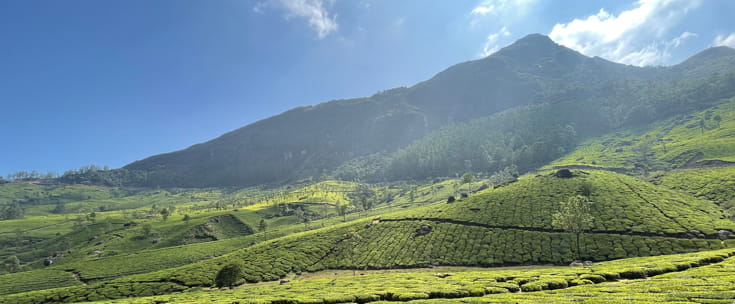
Initially, the Rosenbergs planted cinchona (used for quinine/malaria medicine), then moved to coffee, before finally settling on tea. That progression tells you a lot about how the British-era planters were constantly experimenting in those hills.
The factory itself was constructed in 1936, making it one of the oldest tea manufacturing facilities in India still in operation. Today it is owned and managed by Harrisons Malayalam Limited, one of South India’s major tea cultivators. The Lockhart Tea factory produces about 20 million kilograms of tea annually.
That’s not a museum recreation — it’s a real, functioning factory. And that’s precisely what makes a visit here different from simply strolling through a tea garden.
Lockhart Tea Estate Entry Fee (2026): Full Cost Breakdown
The entry fee for Indian adults is ₹250 per person, ₹100 for children between 8 and 14 years, and ₹250 for foreign nationals.
Here’s what that fee covers, and what it doesn’t:
Included in the entry fee:
- Guided factory tour (approximately 1 hour)
- Access to the tea museum inside the estate
- Tea tasting session with multiple varieties
Not included / may cost extra:
- Packaged tea purchases from the on-site shop
- Food or snacks (there is a small area for refreshments, but these are priced separately)
- Personal photography equipment inside restricted factory areas
Insight for budget travelers: Some visitors feel the ₹250 fee is on the higher side for what they see, especially solo travelers. However, for families or couples who genuinely enjoy understanding how tea is made, the guided tour adds real value that a standard plantation walk simply doesn’t offer.
One thing worth knowing: Always carry exact change or a UPI app. The counter doesn’t always maintain change for larger notes, especially early in the morning.
What Happens on the Tour? A Step-by-Step Walk-Through
Visitors are guided through the various stages of tea production, starting from the plucking of fresh tea leaves from the surrounding estates. You’ll learn about withering — a step where leaves lose moisture — followed by rolling, oxidation (fermentation), and finally drying, which halts the process before the tea is sorted and graded.
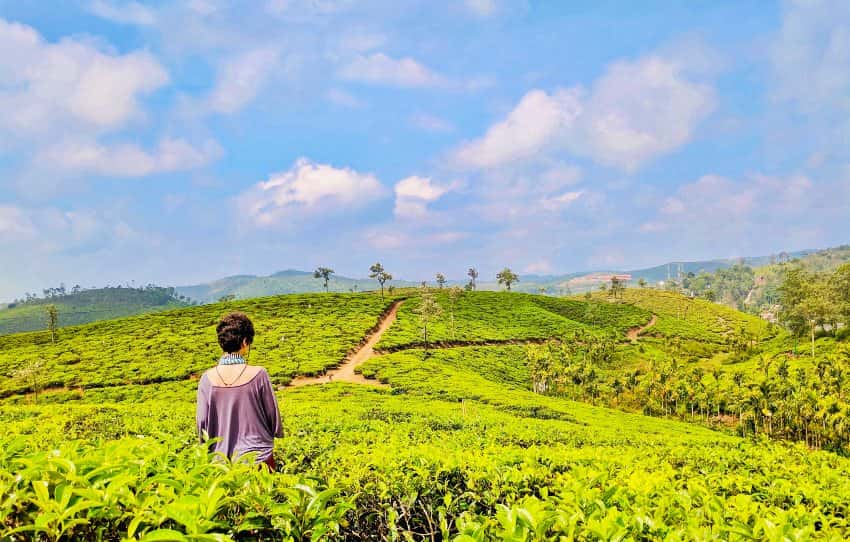
The hour-long guided tour explores the rich history of tea cultivation in Munnar, covering the various types of tea and their manufacturing processes, ending with a tea-tasting session where you can try different varieties produced at the factory.
What the guides cover well:
- How black tea, green tea, and white tea differ in processing
- The significance of altitude in flavor development
- Old photographs of British-era planters displayed in the museum section
- Vintage equipment like mechanical harvesting machines, fletcher sprayers, and hand-shears
What the tour doesn’t emphasize much:
- The ecological or sustainability practices of the estate
- Detailed comparisons with modern tea production methods elsewhere
Many regular visitors say that the tea tasting at the end is the highlight — not just because of the flavors, but because the guide explains why each type tastes the way it does. That context makes the experience linger far longer than a cup of chai from a roadside stall.
Lockhart Tea Museum: What’s Actually Inside
The museum houses several equipment, data, and info explaining the nitty-gritties of tea production and processing, including mechanical harvesting machines, shears, and fletcher sprayers, as well as 100-year-old photographs of British planters.
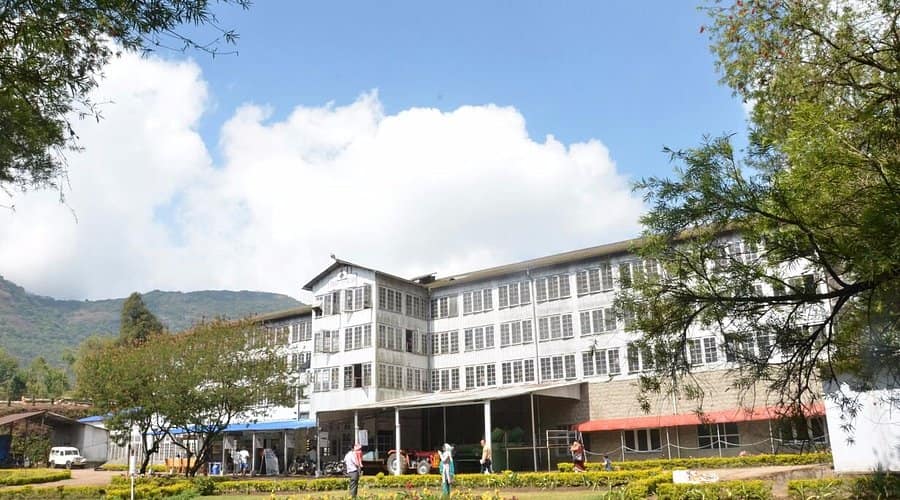
Beyond the tools and photographs, the museum section also features a watch tower, a display of Indian medicinal plants found in the region, and information boards on the origins of tea cultivation going back to the 1800s.
Honest assessment: The museum is compact. It isn’t on the scale of the Tata Tea Museum in Munnar, which has more resources and is more expansively presented. But Lockhart’s museum has a rougher, more authentic character — the factory surrounding it is still working, which gives the space a lived-in quality that polished heritage centers sometimes lack.
Timings, Best Days, and When to Arrive
The Lockhart Tea Factory is open from 9:00 AM to 5:00 PM, six days a week, and is closed on Mondays. It also remains closed on most major public holidays, so it’s wise to confirm before planning a visit around a long weekend.
The best time to arrive is between 9:00 AM and 10:30 AM.
Here’s why this matters more than most guides admit: If you arrive after 10:30 AM on weekends or peak season days (October through January), you can find yourself waiting for a tour batch to fill up or trailing a large group. Early morning also means the factory machinery is freshly running — there’s more activity to observe, and the guides tend to be more relaxed and talkative.
If you arrive after 10 AM on a holiday weekend, you’ll miss the morning mist hanging over the tea rows and the calm that makes Munnar look like a different planet entirely. The estate looks its best before the day heats up and the crowds thicken.
The best overall time to visit Munnar — and therefore Lockhart — is during the cooler months from September to March, when temperatures range from 10°C to 25°C, making it ideal for walking the plantation and taking in the scenery.
Avoid visiting during: Heavy monsoon months (June–August), when roads to Devikulam can be slippery, visibility is poor, and the estate occasionally has restricted access.
How to Reach Lockhart Tea Estate from Munnar Town
Lockhart Tea Museum is located 9 km from Munnar Bus Stand, on the road toward Thekkady.
By car or taxi (recommended): The most comfortable option. The road from Munnar town is mostly well-maintained, with scenic bends and tea garden views along the way. A one-way auto-rickshaw costs roughly ₹150–₹200; a taxi will charge ₹300–₹400 for the round trip including wait time, depending on negotiation.
By bus: Local buses ply between Munnar and Devikulam, with stops near the Thekkady Road. Ask the conductor specifically for “Lockhart Gap” or “Lockhart Estate.” The frequency varies, so it’s not ideal if you’re on a tight schedule.
By two-wheeler (for the adventurous): Many travelers rent scooters in Munnar town (₹400–₹600/day). The roads toward Lockhart are generally manageable for scooters during dry weather. The drive itself is part of the experience — winding through the hills with tea stretching endlessly on both sides.
GPS Coordinates / Address: Lockhart Tea Museum, Devikulam, Munnar, Kerala 685613 Phone: +91 4865 264036 / 9446005406
What Most Blogs Don’t Tell You About Lockhart Estate
Here are a few things that don’t show up easily in other travel articles:
1. The Lockhart Gap viewpoint is nearby — and it’s free. A short drive from the estate entrance, Lockhart Gap is a dramatic mountain pass with a single-lane road perched on the edge of a cliff at around 1,200 meters. Many visitors who come only for the factory don’t realize this viewpoint is practically next door — and on clear days, it offers one of the most breathtaking panoramic views in all of Munnar.
2. The on-site tea shop prices are high. The packaged teas sold inside the estate (particularly the special blends and gift sets) are priced at a significant premium compared to similar quality teas available at shops in Munnar town. If you’re buying tea to bring back as gifts, it’s worth comparing prices at local stores before committing to the estate’s retail counter.
3. The factory floor can be noisy and dusty. This sounds obvious but many visitors — especially those with respiratory sensitivities — aren’t prepared for the smell and fine tea dust inside the processing areas. Wearing a light scarf or carrying a mask is genuinely useful, not just cautionary.
4. Photography restrictions inside the factory. While outdoor and museum photography is generally allowed, it’s good practice to check for any specific restrictions inside the factory areas, particularly around machinery. Some machinery areas discourage flash photography. Always ask your guide before pointing a camera at the equipment.
Who Should Visit Lockhart Tea Estate — And Who Should Skip It
Lockhart is best for:
- History enthusiasts and tea lovers who want depth, not just a backdrop
- Families with school-age children (the guided tour is genuinely educational)
- First-time visitors to Munnar who want to understand what makes this region special
- Photographers interested in industrial heritage and misty plantation landscapes
- Travelers combining a visit with the nearby Lockhart Gap viewpoint
You might want to skip it if:
- You’ve already done a detailed tea factory tour elsewhere in Munnar (the experience overlaps significantly)
- You’re traveling on a very tight budget and have already visited the Tata Tea Museum
- You dislike guided tours and prefer self-paced exploration
- You’re visiting purely for landscapes — in that case, the Lockhart Gap viewpoint alone is worth the drive
Mistakes to Avoid at Lockhart Tea Estate
These are the things that genuinely trip up visitors — and that almost no other guide mentions clearly:
1. Visiting on a Monday. The estate is closed. It sounds simple but surprisingly many travelers discover this on arrival.
2. Arriving just before 5:00 PM. The last tours often begin by 4:00 PM. If you arrive at 4:30 PM expecting a full tour, you may be turned away or rushed through.
3. Expecting a large, immersive heritage experience. The museum is informative but modest in size. Going in with expectations calibrated for a world-class heritage museum will leave you underwhelmed. Going in with curiosity will leave you satisfied.
4. Skipping the tea tasting. Some visitors in a hurry try to bypass this part. Don’t. The tasting session — with a guide explaining the differences between white, green, and black tea processed at this very factory — is the part most visitors say they remember longest.
5. Not combining it with Lockhart Gap. These two spots are so close that visiting only one without the other is genuinely a missed opportunity. Plan for both in a single morning.
Realistic Expectations vs. Reality
| What you might expect | What it actually is |
|---|---|
| A sprawling luxury estate with manicured paths | A working, industrial-style tea estate — authentic but not glossy |
| A large, museum-quality heritage gallery | A compact, honest collection of real tools and archive photographs |
| Rare or exclusive tea varieties | High-quality orthodox teas — excellent, but widely available in Munnar |
| Crowd-free early mornings | Relatively quiet on weekdays; can be busy on weekends and peak season |
| A full day’s activity | Best treated as a 2–3 hour stop, ideally morning |
Nearby Attractions to Combine with Your Visit
Lockhart Estate sits on a route packed with good stops. Here are the most worthwhile nearby places:
- Lockhart Gap (Viewpoint) — Literally minutes away; a must-see cliff-edge panorama
- Anayirankal Dam — A quiet reservoir about 15 km further, great for a peaceful stop
- Devikulam Lake — Around 7 km from the estate, with a scenic, relatively less-crowded atmosphere
- Cheeyappara Waterfalls — On the Munnar–Cochin highway, dramatic cascades worth pausing for on the way in or out
You can also read: Best Tea Estate Stays in Munnar (Budget, Luxury & Honeymoon Guide 2026)
Practical Travel Tips: Small Details That Make a Big Difference
- Wear closed shoes. The factory floor is uneven and sometimes wet. Sandals are uncomfortable and potentially hazardous.
- Carry a light jacket. Even on warm Munnar days, the factory interior and early morning estate can be noticeably cool.
- Carry exact change. The ticket counter sometimes has limited change.
- Confirm public holiday closures. Calling ahead (+91 4865 264036) before visiting on or around a national holiday takes 30 seconds and can save your entire plan.
- Bring a reusable bag. If you plan to buy packaged teas, a bag helps — the estate’s packaging is compact but can be awkward to carry loosely.
- Foreigners should carry ID. Foreign nationals are advised to bring their identification documents when visiting.
One insight that doesn’t show up elsewhere: The tea served during tasting is made from the same batch processed that morning in many cases. Ask your guide — if the answer is yes, you’re tasting something remarkably fresh, not a cached sample.
FAQ: Your Real Questions, Answered
1. What is the entry fee for Lockhart Tea Estate in 2026?
The current entry fee is ₹250 per person for Indian adults and foreign nationals, and ₹100 for children between 8 and 14 years. This includes a guided tour and tea tasting.
2. Is Lockhart Tea Estate closed on any day of the week?
Yes. The estate is closed every Monday and on most public holidays. Always confirm before visiting on or around a holiday.
3. How long does a visit to Lockhart Tea Estate take?
The guided factory tour takes approximately one hour. Including the museum, tea tasting, and a short walk around the estate grounds, most visitors spend about 1.5 to 2.5 hours in total.
4. Is the Lockhart Tea Estate different from the Tata Tea Museum in Munnar?
Yes, they are entirely separate attractions. The Tata Tea Museum (part of the Kanan Devan estate) is larger, more polished, and more visitor-oriented. Lockhart is a still-active private estate with a more raw, industrial character. Both are worth visiting if you have time; Lockhart is better for those who prefer authenticity over presentation.
5. Can I buy tea directly from Lockhart Estate?
Yes, there is an on-site shop where you can buy packaged teas, including black tea, green tea, and specialty blends. However, many visitors note the prices are higher here than at Munnar’s local shops.
6. Is the tour suitable for children?
Yes, the guided tour works well for older children (roughly 8 years and above) who can follow explanations. The machinery and hands-on explanation of how tea is made tends to hold their attention reasonably well.
7. Is photography allowed inside the estate?
Photography is generally permitted in outdoor areas and the museum section. Inside the factory floor near machinery, it’s best to ask your guide first, as some areas have restrictions.
Conclusion: Should You Visit Lockhart Tea Estate in 2026?
Lockhart Tea Estate is not the most glamorous stop in Munnar, and it doesn’t try to be. What it offers is something more lasting: a genuine connection to the history of one of the oldest tea-growing regions in India, inside a factory that still hums with the same purpose it has carried since the 1930s.
If you come with curiosity — about how tea actually goes from a leaf on a hillside to a cup in your hand — and pair the visit with the free Lockhart Gap viewpoint just minutes away, you will leave with more than photographs. You’ll leave understanding why Munnar’s tea tastes the way it does.
Go early. Wear good shoes. Listen to your guide. And don’t skip the tasting.
Have questions about planning your Munnar trip? Drop them below — real answers, no fluff.

Sunil Singh is a travel writer and hill station explorer specialising in Kerala’s tea gardens, with years of firsthand experience visiting Munnar’s estates and plantations. Through Munnar Tea Gardens, he shares real-visit guides, honest reviews, and practical tips to help travellers plan smarter trips.