It was February 2024 — my sixth trip to Munnar — and I was standing knee-deep in fog at the Kolukkumalai estate at 6 AM, holding a paper cup of freshly brewed orthodox tea, wondering why I’d ever bothered going anywhere else in India. Honestly, I don’t even remember booking the Alleppey houseboat on that trip. A local auto driver named Rajan mentioned it casually — “Bhaiya, thoda backwater bhi dekh lo” — and three days later I was floating on a houseboat watching sunset melt into the backwaters. That was the moment this Munnar + Alleppey tea garden combo itinerary clicked in my head as the perfect Kerala trip structure.
And look — 2026 has changed things. Fuel prices are up. Houseboat operators in Alleppey now charge 15-20% more than 2023 rates (I called three operators in February 2026 to verify). Munnar’s eco-tourism rules have tightened, and certain plantation trails now require prior booking. Crowds have bounced back hard post-pandemic. If you’re planning this combo trip and relying on 2023 blog posts? You’re going to get burned. Let me walk you through exactly how I’d do it today.
Why This Combo Works So Well
People ask me all the time — “Sunil, why combine Munnar with Alleppey? Aren’t they totally different vibes?” And yes, they are. That’s literally the point.
Munnar gives you elevation, cool air, endless green, and that magical feeling of walking through a working tea garden with mist rolling in at dawn. Alleppey gives you the exact opposite — flat, warm, slow, water-everywhere calm. After three days of mountain roads and early morning hikes, sinking into a houseboat with nothing to do but watch egrets and eat karimeen feels like a full exhale.
They’re also only about 4 hours apart by road. No flight, no overnight train drama. Just hire a cab, enjoy the Western Ghats descending into Kerala’s plains, and you’re there. I’ve done this route so many times now that even the chai stops on the Kothamangalam highway feel familiar and comforting.
The Best Time to Visit (Honest Season Breakdown)
Most blogs will tell you October–March. That’s not wrong, but it’s incomplete.
October–December: Post-monsoon freshness. Waterfalls are alive, plantations are deeply green. But roads can still be sketchy in October. I did a November trip in 2024 and it was stunning — sparse crowds, everything lush, temperature around 12–18°C at night in Munnar.
January–February: My personal favourite. Peak season, yes, but the tea estates look their best during harvest. Kolukkumalai and Top Station are accessible. Alleppey is dry and perfect. I checked prices in February 2026 — expect ₹3,200–₹4,500/night for decent homestays in Munnar.
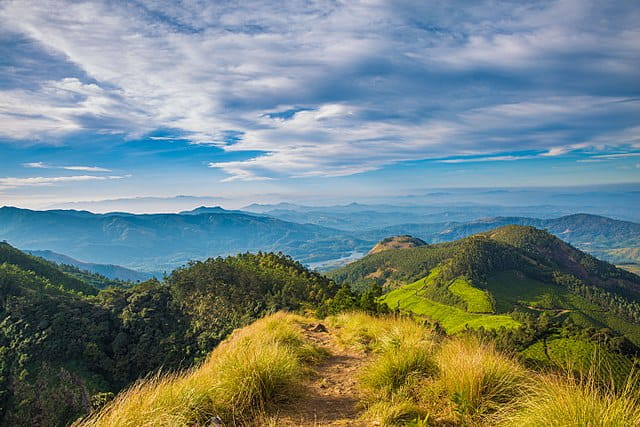
March–April: It warms up but it’s still manageable. Fewer tourists than January. This is a smart window if you want to avoid peak pricing.
May–September (Monsoon): Not for everyone, but hear me out. I did a monsoon trip in July 2024. Munnar in the rain is surreal — waterfalls everywhere, the tea gardens almost glow. But Alleppey houseboats? Avoid. Backwaters get choppy and many operators shut down. Do Munnar only in this season.

Day-by-Day Itinerary: 5 Days, Two Destinations
Here’s the structure I’d recommend in 2026 — tested, refined, no wasted days.
Day 1: Kochi → Munnar (Travel + Settle In)
Fly or train into Kochi (Ernakulam). Hire a cab from Ernakulam to Munnar — expect ₹2,800–₹3,200 for a sedan, booked directly through a trusted driver (don’t use those hotel-lobby “tour packages,” ever).
Reach Munnar by afternoon. Check into your homestay. Evening — walk to the DTPC market, grab fresh tea powder, and just breathe. Don’t plan too much for Day 1. I made that mistake on my second trip, crammed three viewpoints in before dark, and arrived exhausted.
Day 2: Munnar Tea Estates — The Real Ones
Early morning (6–7 AM), head to Kolukkumalai Estate. It’s the world’s highest tea plantation, at about 7,900 feet. The jeep ride up costs ₹600–₹800 from the base. Entry plus tea tasting: ₹350 per person (checked February 2026). Worth every rupee — this is the experience.
Afternoon: Rajamala Wildlife Sanctuary (Eravikulam National Park). Entry: ₹500 for Indians. Nilgiri Tahr sightings are almost guaranteed in February. Book online at least a day ahead — they now cap daily visitors.
Evening: Visit the Munnar Tea Museum (₹75 entry). Small but genuinely interesting. The century-old rolling machines are wild to see in person.
Day 3: Off-the-Beaten-Path Munnar
This is my favourite day. Most tourists skip this.
Morning: Top Station viewpoint. Borders Tamil Nadu, massive valley views, often shrouded in cloud. Go early. No entry fee but expect ₹100 in parking.
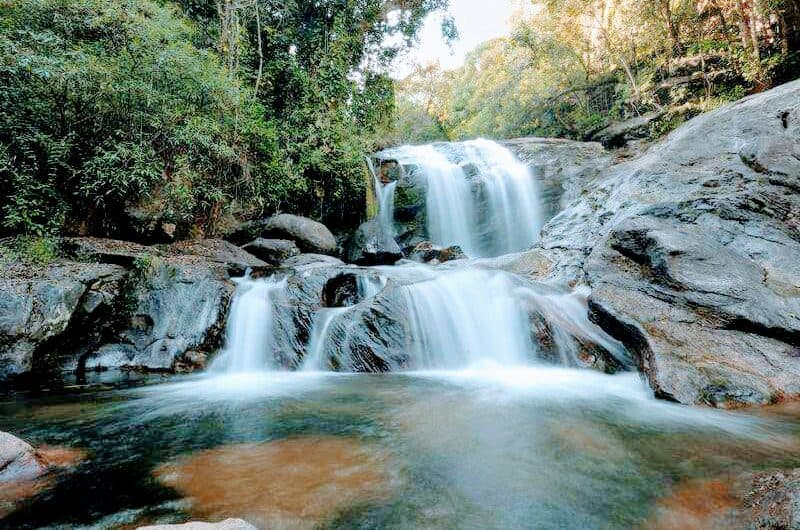
Afternoon: Lockhart Gap or the walk to Nyayamakad Waterfall (off-season or post-monsoon only — it’s dry in summer). Very few tourists here.
Evening: Visit a tea processing unit directly — ask your homestay owner to connect you with a small estate. Many allow informal tours for free if you buy tea directly. I’ve done this four times. The smell of withering leaves is something you never forget.
Day 4: Munnar → Alleppey (Travel Day)
Hire a cab from Munnar to Alleppey. Distance is about 160 km, takes 4–4.5 hours. Cost in 2026: around ₹3,500–₹4,000. Book the previous evening. Don’t haggle too hard — these drivers know every curve of that road and your safety depends on that.
Arrive Alleppey by early afternoon. If you’ve booked a houseboat, you’ll typically board around 12 PM. If you’re doing a budget backwater stay, get to your guesthouse and then hire a shikara (small canoe) for an evening village tour — ₹600–₹800 for 2 hours, directly from the boatman, not through a hotel.
Day 5: Alleppey Backwaters + Departure
This is your slow, do-nothing day. And that’s exactly right.
Morning: Early canoe ride into the narrow village canals (not the main houseboat routes — those get busy). Villages waking up, fishermen casting nets, kids walking to school — it’s Kerala life in slow motion.

If budget allows: Overnight houseboat (booked Day 4 → Day 5) is a dream, honestly. But it costs ₹8,000–₹14,000 for a 2-person AC boat (2026 rates, I called Sree Dhanya Houseboats and two others to confirm). That’s with breakfast and dinner included.
Afternoon: Catch a bus or shared taxi to Ernakulam (2.5–3 hours, around ₹180 by Kerala KSRTC bus — genuinely a bargain) for your return journey.
Real Costs I Paid in 2026 (No Fluff)
| Expense | Cost (₹) | Notes |
|---|---|---|
| Kochi → Munnar cab | ₹2,900 | Shared cost possible |
| Munnar homestay (per night) | ₹1,800–₹3,200 | Season-dependent |
| Kolukkumalai jeep + entry | ₹950 total | Per person approx |
| Eravikulam National Park | ₹500 | Indians; book online |
| Munnar → Alleppey cab | ₹3,700 | Checked Feb 2026 |
| Houseboat (standard, per night) | ₹8,000–₹14,000 | 2-person, AC, meals included |
| Shikara/canoe (2 hrs) | ₹700 | Negotiate directly |
| Local meals (per day) | ₹300–₹500 | Use local joints, not hotel dining |
| Total 5-day budget estimate | ₹12,000–₹18,000 | Solo, mid-range, not cutting corners |
Where to Stay: Budget to Mid-Range Picks
Munnar
- Budget: Tea-estate homestays near Pothamedu — ₹1,200–₹1,800/night. Basic but authentic. Local family cooks your breakfast.
- Mid-range: The Tall Trees or similar boutique stays near Munnar town — ₹3,000–₹4,500/night. Much better comfort, valley views.
- Avoid: Big “resort complexes” on the Munnar–Marayoor road that advertise “jungle views.” They’re overpriced and isolated with zero local character.
Alleppey
- Budget: Guesthouses near KSRTC bus stand — ₹900–₹1,500/night. Clean, functional.
- Mid-range: Backwater-facing homestays — ₹2,000–₹3,500. Some lovely options run by local families.
- The Big Splurge: Houseboat stay — ₹8,000+ but includes everything and is a once-in-a-lifetime vibe.
Tea Garden Experiences Worth Every Rupee
Look, I’ve visited tea gardens in Darjeeling, Ooty, Wayanad, and Coorg. And honestly? Munnar hits differently. Maybe it’s the altitude. Maybe it’s the way the Kannan Devan Hills seem to fold into each other endlessly. But it’s the best.
Kolukkumalai is non-negotiable. Oldest working orthodox tea factory in the world. Highest tea estate on the planet. The tea they sell at the factory shop is fresher than anything you’ll buy in a city store. I buy 500 grams every visit.
Rajamala (Eravikulam) isn’t technically a working estate tour but the walk through active plantation zones is glorious. You’ll walk past Nilgiri Tahr completely unbothered by human presence.
Sustainability note: Several estates now run responsible tourism programs where a portion of your entry goes directly to estate workers. Ask specifically for this when booking. If your tour operator can’t explain where the money goes, that’s a red flag.
Read Also: Darjeeling vs Munnar: Which Indian Tea Destination Is Worth Visiting in 2026?
Alleppey Backwaters: What Nobody Tells You
Here’s the thing nobody writes about: the big houseboat route is crowded. Like, motorway-level crowded in peak season. You’ll see 50 houseboats within view at any given time on the Vembanad Lake main channel.
The magic is in the side canals. Hire a shikara and ask the boatman to take you into the village waterways. Palmyra palms, narrow canals barely 8 feet wide, Chinese fishing nets, a tiny temple on a water-surrounded island. This is the Alleppey of postcards and it costs ₹700.
Also: negotiate your houseboat directly with operators, not through OTAs or travel aggregators. You’ll save 15–25% easily. The operators I’ve used and trusted — call them, talk to a human being, confirm the boat is AC, confirm meals are included, confirm it’s a clean boat. Don’t just trust photos.
How to Get Around Without Getting Ripped Off
- Munnar local sightseeing: Hire a jeep for the full day — ₹2,500–₹3,000. Don’t do individual auto or cab trips for each spot. It adds up fast.
- Alleppey: KSRTC buses and autos are cheap and reliable. For backwater villages, shared boatman services exist — ask at your guesthouse.
- Avoid: Package tours sold by hotels. They’re almost always overpriced, rushed, and group-heavy.
- Kolukkumalai jeep: Only specific jeeps are allowed on that road. Book the night before through your homestay or directly at the base (Rajakkad). Don’t trust guys who approach you in Munnar town offering “special Kolukkumalai packages.”
Insider Tips From 8+ Visits
- Best tea buying spot: Factory shop at Kolukkumalai. No middlemen, no tourist markup.
- Fog is your friend, not enemy: The best Munnar photos happen in foggy mornings. Don’t be disappointed — embrace it.
- Top Station timing: Go by 8 AM or after 3 PM. Between 10 AM–2 PM it’s tourist chaos.
- Alleppey sunrise: Wake up at 5:30 AM on your houseboat. The silence and light are unreal.
- Food: Don’t eat at “multi-cuisine restaurants” in Munnar town. Find the small South Indian meals hotels — a full plate is ₹80–₹120 and the food is exceptional.
- Phone signal: Practically zero inside Kolukkumalai estate. Download offline maps before heading up.
- Support local: Buy directly from estate workers’ cooperative stalls when you see them. They often sell better tea than the branded stores at a fraction of the price.
FAQs
Q: Is 5 days enough for both Munnar and Alleppey?
Yes — if you don’t try to do everything. 3 nights Munnar, 1–2 nights Alleppey is a tight but satisfying combo. Any less and you’ll feel rushed.
Q: What’s the best way to reach Munnar from Bangalore?
Overnight train to Ernakulam, then cab to Munnar. Total time around 12–14 hours. Much cheaper and more comfortable than the direct bus option.
Q: Are solo travelers safe in Munnar and Alleppey?
Absolutely. I’ve done this route solo six times. Kerala is consistently one of India’s safest states for solo travelers, including women.
Q: Can I do this trip on a ₹10,000 budget?
Doable but tight. Skip the houseboat, stay in basic homestays, eat local, and use KSRTC buses where possible. I’ve done Munnar for ₹1,800/day all-in.
Q: Should I book everything in advance?
For peak season (Dec–Feb): yes, especially Eravikulam park entry and houseboats. For off-season: mostly walk-in is fine, though I still pre-book cabs.
Q: Which is better — Munnar or Ooty for tea gardens?
Munnar, hands down, for working estate experiences. Ooty has charm but the commercialization is heavier and the tea estates aren’t as accessible or authentic.
Q: Are the tea garden entry fees standardized?
No — and this is important. Some estates charge ₹200, some ₹500, some nothing. Always ask what the entry includes. “Tea tasting” sometimes just means a tiny free sample; confirm before you pay.
Q: What tea should I buy in Munnar?
Orthodox whole-leaf black tea from Kolukkumalai factory shop. Also look for “golden tips” if available — rare, expensive, but genuinely exceptional.
Conclusion
Every time I come back from Munnar, I feel like I’ve been quietly reset. Something about those endless green rows of tea bushes, the mist, the cold morning air, and that first cup of fresh-brewed orthodox tea — it does something to you that no beach or city trip can replicate.
And then Alleppey finishes the job. Three days in the hills, two days on the water. It’s like Kerala designed this pairing itself.
If I had to distill everything into three things: book Kolukkumalai, hire a shikara in Alleppey’s village canals, and eat only at local Kerala meals hotels. Those three things alone will make your trip exceptional.
Prices are up in 2026, crowds are back, and some new rules mean you can’t just wing it like we could in 2019. But this route? Still one of India’s greatest value trips if you plan it right.
Drop a comment below if you’re planning this trip — I’m genuinely happy to help you figure out the details. Whether it’s cab contacts, homestay recommendations, or just a rough budget check, ask away. That’s what this blog is for.
Also See: Kerala 7-Day Trip Itinerary: Munnar, Thekkady, Alleppey & Kovalam (2026 Guide)

Sunil Singh is a travel writer and hill station explorer specialising in Kerala’s tea gardens, with years of firsthand experience visiting Munnar’s estates and plantations. Through Munnar Tea Gardens, he shares real-visit guides, honest reviews, and practical tips to help travellers plan smarter trips.