There’s a specific kind of quiet you only find in the hills.
Not the silence of an empty room — but the layered, living quiet of a tea estate at dawn. Mist threading through rows of manicured bushes. The distant call of a Nilgiri flycatcher. The smell of wood smoke and cardamom drifting from a kitchen somewhere down the corridor.
That is what waking up in a Munnar plantation bungalow feels like.
And once you’ve experienced it, a standard hotel room will never quite satisfy you again.
This guide covers everything you need to know before booking a plantation bungalow stay in Munnar in 2026 — realistic price ranges, what’s actually included, honest things to watch out for, and a step-by-step booking approach that saves you both money and disappointment.
What Exactly Is a Plantation Bungalow in Munnar?
Before we get into costs, it helps to understand what you’re actually booking.
Plantation bungalows in Munnar are heritage properties — typically colonial-era or early 20th-century residences originally built to house British tea estate managers. Many of them sit within active working estates owned by companies like Tata Tea (now Tata Consumer Products), Kanan Devan Hills Plantations (KDHP), or smaller family-run estates.
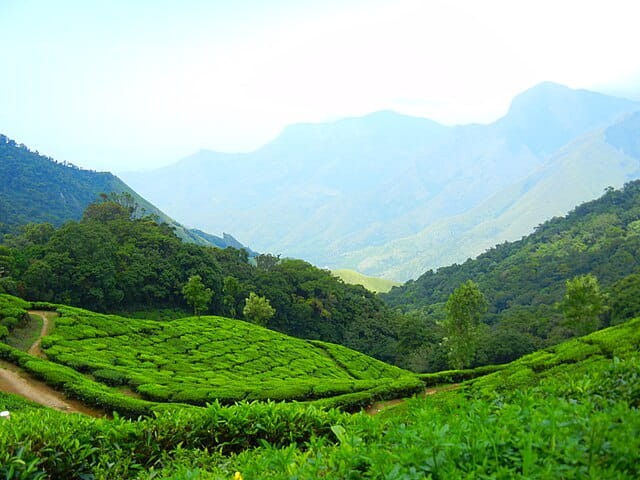
Unlike a resort, a plantation bungalow is a private structure — sometimes available exclusively to one group at a time. You’re not sharing a lobby with strangers or competing for poolside chairs. You’re a guest in a working landscape.
Most bungalows include:
- A full-time caretaker or butler (resident staff)
- All meals prepared on-site, often using estate-grown produce
- Guided estate walks through tea, cardamom, or spice gardens
- Fireplaces or wood-burning stoves for chilly evenings
- Verandas or sit-outs overlooking the estate
Some properties are heritage-listed. Others are tastefully modernized while retaining original architecture — wooden flooring, high ceilings, period furniture, and the kind of deep bathtubs that make you cancel your plans.
Munnar Plantation Bungalow Costs in 2026: A Realistic Breakdown
This is the question everyone asks first — and the one most travel blogs answer vaguely. Let’s be direct.
Budget Tier (₹5,000–₹9,000 per night)
At this price point, you’re looking at smaller estate bungalows or homestay-style properties attached to family-run spice or coffee estates on the outskirts of Munnar — areas like Anayirankal, Pallivasal, or Kolukkumalai.
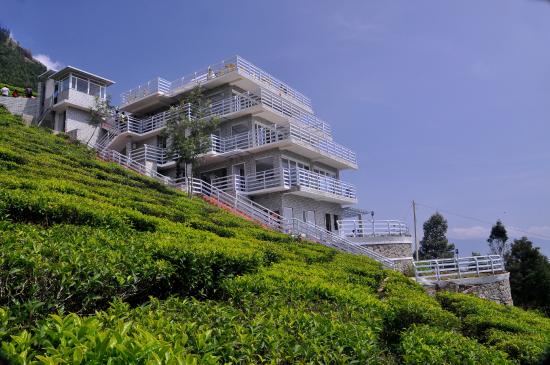
Expect basic but characterful rooms, home-cooked Kerala meals, and genuine warmth from host families who’ve worked the land for generations. Don’t expect luxury toiletries or turndown service.
Best for: Solo travellers, budget-conscious couples, and anyone who values authenticity over amenities.
Mid-Range Tier (₹10,000–₹22,000 per night)
This is the sweet spot for most travellers. Properties in this range — like those managed through Kerala Tourism’s heritage bungalow circuit or platforms like SaffronStays and Evolve Back — offer properly restored colonial bungalows with attentive staff, multi-course meals, estate tours, and infrastructure that actually works (Wi-Fi, hot water, backup power).
Many mid-range plantation bungalows in this bracket are exclusive-use properties, meaning you book the entire bungalow — not just a room. A bungalow sleeping 6–8 guests at ₹18,000 per night often works out cheaper per person than a five-star resort room.
Best for: Families, friend groups, anniversary trips, and anyone who wants privacy without paying premium-luxury prices.
Luxury & Heritage Tier (₹25,000–₹65,000+ per night)
At the top end, you’re entering properties that have been featured in Condé Nast Traveller and Tatler — think Tata’s heritage bungalows managed through Tata Guesthouses, or exclusive estates with private butlers, curated planting experiences, farm-to-table dining, and décor that reads like a museum of the hill country.
Some of these properties require direct inquiry (no OTA listing), have minimum stay requirements of 2–3 nights, and include a full complement of experiences in the tariff.
Best for: Luxury travellers, destination weddings, and corporate offsite retreats.
What’s Usually Included vs. What Costs Extra
| Typically Included | Often Charged Separately |
|---|---|
| All meals (MAP or full board) | Airport/station transfers |
| Tea/coffee through the day | Alcoholic beverages |
| Estate guided walk | Jeep safaris to Eravikulam NP |
| Caretaker/butler service | Spa or massage sessions |
| Bonfire evenings (seasonal) | Additional day trips |
| Welcome drink & snacks | Laundry (at some properties) |
Always confirm what “all-inclusive” means before you pay the deposit. Some properties use the term loosely.
What to Expect During Your Stay: An Honest Account
The Landscape Experience
Munnar sits at roughly 1,600 metres above sea level in the Western Ghats, and the plantation bungalows here aren’t just near the landscape — they’re embedded in it. Your morning view is likely to be rows of tea bushes rolling into a ridge of shola forest, with mist moving through like slow breath.
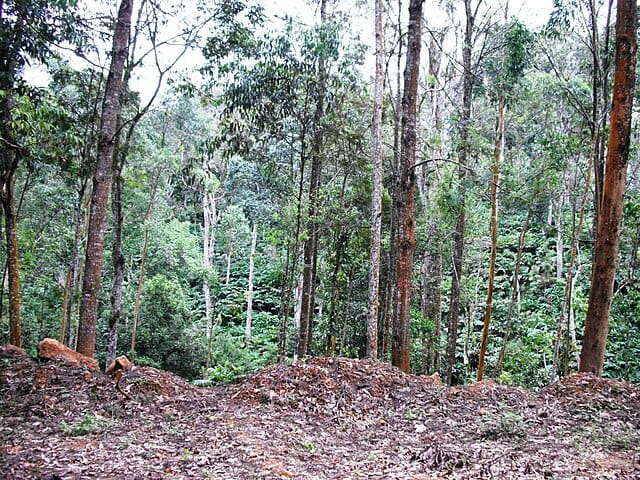
Many guests describe the first morning as slightly disorienting in the best possible way. There’s no traffic noise, no construction hum, no notification pull. The estate operates on its own rhythm — and within a day, you tend to adjust to it.
The Food
This is often the most underrated part of a plantation bungalow stay.
Meals are typically prepared by a resident cook who has worked the estate for years — sometimes decades. Breakfast might be appam with coconut milk stew, fresh fruit from the estate garden, and filter coffee strong enough to reset your nervous system. Lunch and dinner are usually a rotating sequence of Kerala dishes: fish curry, thoran, aviyal, rice, pickles.
Some estates grow their own cardamom, pepper, and ginger — and you’ll taste the difference.
If you have dietary restrictions, communicate early. Most cooks are flexible and genuinely eager to accommodate, but they need advance notice.
The Estate Walk Experience
Almost every plantation bungalow offers some version of a guided estate walk. The quality varies considerably.
At the best properties, your guide is a third-generation estate worker who can tell you about the exact micro-climate conditions that make Munnar’s Pekoe grade distinct, show you the difference between Assam and Ceylon varietals growing side by side, and explain how the altitude affects the fermentation timeline.
At less attentive properties, you’re handed a pamphlet and pointed toward a path.
Ask specific questions when booking: Who leads the walk? How long does it last? Is it tailored to guest interests or a fixed route?
Weather and Best Season
Munnar’s plantation bungalows are at their most atmospheric between October and March, when the skies are clear, temperatures are mild (12°C–22°C), and the landscape is lush from the retreating monsoon.
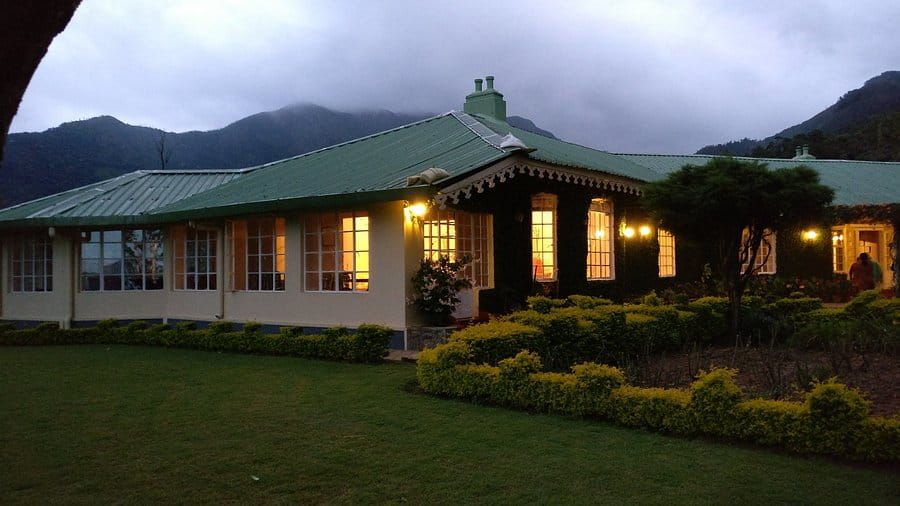
April and May bring heat and haze. June through September is monsoon season — dramatic, atmospheric, and genuinely beautiful if you don’t mind rain, but some estate roads become difficult to navigate, and a few properties close for maintenance.
Pro tip: The shoulder months of October and late February offer the best combination of good weather, lower tariffs, and fewer fellow travellers.
Top Plantation Bungalow Stays in Munnar Worth Knowing (2026)
These are properties consistently cited by verified guests and travel journalists — not sponsored placements.
Kolukkumalai Estate Bungalow
At 2,100 metres, Kolukkumalai claims the title of the world’s highest tea estate. The estate bungalow here is rustic, remote, and genuinely unforgettable — but the drive up (a jeep-only track) is not for the faint-hearted. Expect no mobile signal, extremely basic facilities, and a view that renders all those inconveniences irrelevant.
Windermere Estate
A well-regarded mid-range property in the Pothametu area, Windermere has been operated by the same family for decades. It offers a balance of comfort and authenticity that’s rare in this price range — and their cardamom estate walk is one of the better-guided experiences in the region.
Tall Trees Munnar
More resort than bungalow in terms of infrastructure, but its plantation setting and well-trained staff earn it consistent mentions among Munnar’s better stays. Good for families or those who want estate ambiance without sacrificing modern amenities.
Ripple Estate Bungalow
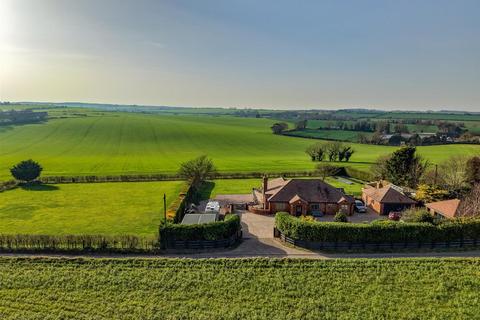
A smaller, quieter property preferred by travellers who’ve already done the “resort thing” and want something more personal. The hosts live on-site and cook all meals themselves. Limited availability means it books out months in advance during peak season.
How to Book a Plantation Bungalow in Munnar: Step-by-Step
Step 1 — Decide Your Travel Style First
Are you looking for an exclusive-use private bungalow (entire property for your group), or are you comfortable with a private room within a shared estate? This single decision will filter your options significantly.
Step 2 — Use the Right Booking Channels
Direct booking (via the property’s own website or phone) is almost always cheaper than third-party platforms — typically 10–20% less. It also gives you the chance to negotiate inclusions (extra estate walks, airport pick-up, etc.).
Recommended platforms for discovery:
- Kerala Tourism’s Heritage Bungalow listings (keralatourism.org) — verified, often with heritage certification
- SaffronStays — strong curation of exclusive-use plantation properties across India
- Airbnb — useful for homestay-style options; read reviews carefully
- Booking.com / MakeMyTrip — wider inventory but less curation; always verify what’s included
Avoid: Booking through aggregator sites that don’t list contact information for the property directly. If something goes wrong on arrival, you want to be able to reach the host immediately.
Step 3 — Ask These Questions Before Paying
Don’t finalize any booking without clear answers to:
- Is the tariff full-board, MAP (breakfast + dinner), or room-only?
- Is the bungalow exclusive-use, or will other guests be staying simultaneously?
- What is the cancellation/refund policy?
- How do guests reach the property — is a 4WD vehicle required?
- Is mobile connectivity available? (Relevant if you’re working remotely)
- Are there any additional charges not listed in the tariff?
Step 4 — Timing Your Booking
For peak season (December–January, and around Diwali/Pongal): book 3–4 months in advance, particularly for exclusive-use properties with limited rooms.
For mid-season (February–March, October–November): 6–8 weeks is usually sufficient, though popular properties fill faster.
For monsoon season: availability is generally high, and direct negotiation on rates is both acceptable and often successful.
Step 5 — Getting There
Munnar is approximately:
- 4.5–5 hours from Kochi (Cochin) International Airport — the most common entry point
- 3.5–4 hours from Madurai Airport
- 5–6 hours from Coimbatore Airport
Most plantation bungalows arrange transfers on request — confirm this in advance and ask whether it’s included in the tariff or charged separately. Estate properties are rarely accessible by app-based cabs.
Practical Tips That Most Travel Guides Skip
Carry cash. Several estate properties, especially in remote areas, have limited card payment infrastructure. ATMs exist in Munnar town but are sparse beyond it.
Pack layers. Nights drop to 10°C or lower between November and February. Even mid-range properties may not have central heating — they have fireplaces. Pack accordingly.
Respect the working estate. Tea pluckers begin work at dawn. Estate walks are generally scheduled to minimise disruption to daily operations. Follow your guide’s lead.
Don’t overschedule. The instinct on a Munnar trip is to pack in Eravikulam National Park, Mattupetty Dam, Echo Point, and a spice market into two days. Resist it. The plantation bungalow experience works best when you give it time to breathe.
Verify eco-credentials carefully. Several properties market themselves as “eco-friendly” or “sustainable” without meaningful certification. If this matters to you, look for Kerala Responsible Tourism (RT) certification or ask specific questions about waste management and sourcing.
Is a Plantation Bungalow Stay Worth It in 2026?
Here’s the honest answer: it depends on what you’re optimizing for.
If you want guaranteed luxury, predictable service standards, and an infinity pool with a Instragrammable backdrop, a five-star resort in Munnar will serve you better and arguably cost less per room night at the top end.
But if you want to understand why Munnar exists — the agricultural history, the landscape ecology, the extraordinary quality of a cup of tea that’s been grown, plucked, and processed within walking distance of where you’re sitting — a plantation bungalow is not just worth it. It’s irreplaceable.
Many travellers who stay once come back within a year. Not to the same property, necessarily, but to the same experience: that particular combination of scale, silence, and deep green that you only find in the working hill estates of Kerala.
Some things you don’t need to photograph to remember.
Also Read: Best Valley View Tea Estate Resorts in Munnar (2026 Guide)
Quick Summary: Munnar Plantation Bungalow at a Glance
| Category | Details |
|---|---|
| Best Season | October–March |
| Budget Range | ₹5,000–₹65,000+ per night |
| Typical Inclusions | Meals, estate walk, caretaker service |
| Booking Lead Time | 6–12 weeks (peak: 3–4 months) |
| Nearest Airport | Cochin International (~130 km) |
| Best For | Couples, families, offbeat travellers |
| Not Ideal For | Those who need strong connectivity or nightlife |
Planning a Munnar trip in 2026? Drop your questions in the comments — specific property recommendations, route advice, or anything else. Travellers who’ve been recently are also welcome to share what’s changed.

Sunil Singh is a travel writer and hill station explorer specialising in Kerala’s tea gardens, with years of firsthand experience visiting Munnar’s estates and plantations. Through Munnar Tea Gardens, he shares real-visit guides, honest reviews, and practical tips to help travellers plan smarter trips.