The real Munnar — the one that locals and repeat visitors talk about — is a layered experience of misty ridgelines, the faint smell of fresh-picked leaves, and narrow paths through knee-high bushes that stretch further than your eye can follow. It’s a place where the light changes every 20 minutes and the fog rolls in without warning.
If you’re planning your first trip and want to actually experience the tea gardens (not just photograph them), this guide will walk you through the best 2-day and 3-day itineraries for 2026, along with the micro-details that can make or break your visit.
Who Is This Itinerary Best For (And Who Should Skip It)?
This guide is ideal for:
- First-time visitors to Munnar who want a structured plan
- Couples, families, and solo travelers who love nature and slow travel
- Anyone curious about how tea is actually grown, plucked, and processed
- Travelers coming from Kochi, Coimbatore, or Madurai by road
You might want to reconsider if:
- You have mobility issues — many tea garden paths are uneven and steep
- You’re visiting during peak monsoon (July–August) when leeches on trails are a real problem
- You expect 5-star luxury — Munnar’s charm is in its simplicity, not its hotels
- You only have one day — one day is genuinely not enough to see Munnar’s best
Best Time to Visit Munnar Tea Gardens in 2026
The sweet spot is October to March — cool mornings, clear skies, and manageable crowds. Many regular visitors say that the post-monsoon window (October–November) is especially magical because the hills are intensely green and the waterfalls are full.
April and May see school holiday crowds, and the weather gets warmer. June to September brings heavy monsoon — beautiful in its own way but not ideal for garden walks.
Insight: If you arrive after 10 AM, you’ll miss the best fog views — early morning is when Munnar looks completely different. The mist sits low on the valley floors, and the tea rows seem to vanish into the clouds.
2-Day Munnar Tea Garden Itinerary (First-Time Visitors)
Day 1: Arrival + Classic Tea Garden Trail
Morning — Check In and Head Out Early
Reach Munnar town by early morning if possible. Most visitors traveling from Kochi (about 130 km) leave by 5–6 AM and arrive by 9–10 AM via the scenic NH 49.
Once you check in, don’t wait. Head straight to the Kolukkumalai Tea Estate, about 38 km from Munnar town — it’s one of the highest tea estates in the world and sits at roughly 7,900 feet. The drive itself is extraordinary — narrow roads, misty curves, and patches of shola forest alongside tea.
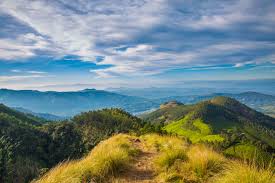
Kolukkumalai practical tips:
- You’ll need a jeep from Suryanelli village (about ₹2,000–₹2,500 for a return jeep, shared or private)
- The estate still uses century-old machinery — the factory tour here is unlike anything you’ll find in the main estates
- Arrive before 11 AM to catch the fog lifting off the peaks
Afternoon — Tea Plucking Experience
If you want to actually understand tea, skip the main touristy spots and head to Chithirapuram or any small estate near Pallivasal. Many smaller estates allow visitors to walk alongside the pluckers during working hours (roughly 7 AM–1 PM). Ask your hotel or homestay owner to arrange this — it’s rarely listed online but almost always possible.

One thing most people don’t realize is that the “two leaves and a bud” rule — where only the top two leaves and the terminal bud are hand-plucked — is incredibly labour-intensive. Watching it in person changes how you drink tea forever.
Evening — Munnar Town Walk
End the day with a slow walk through Munnar town’s small market. Pick up a few small packets of white tea or single-estate Darjeeling-style Munnar tea from the KDHP (Kanan Devan Hills Plantations) company outlet. These are far superior to the flavoured teas sold at tourist traps.
Day 2: Tea Factory Tour + Eravikulam + Sunset Point
Morning — KDHP Tea Museum and Factory
Start at the KDHP Tea Museum in Nallathanni (about 2 km from town). It opens at 9 AM and costs around ₹75–₹150 per person. The exhibits cover the full history of tea cultivation in the Nilgiris — from British colonial planters to the cooperative model that exists today.
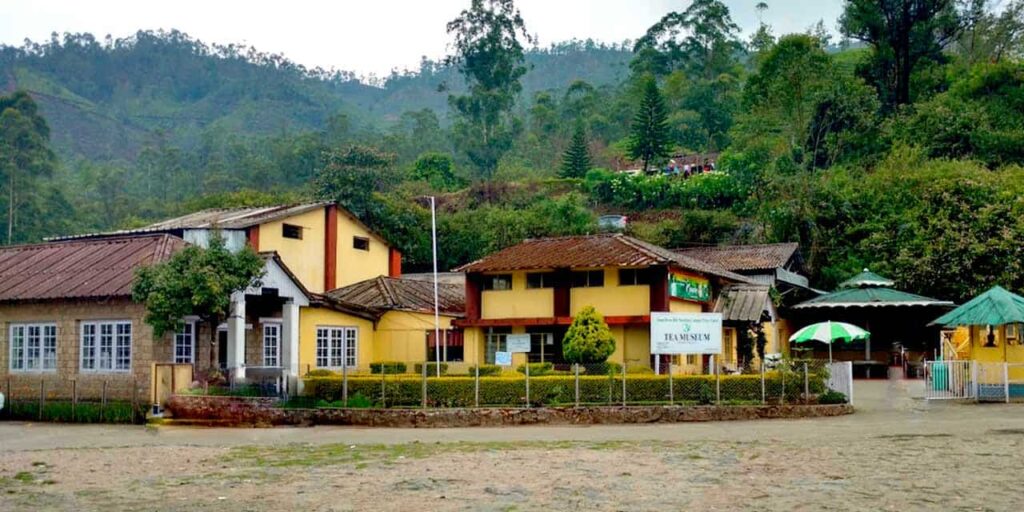
The attached factory tour runs on weekdays and is free with the museum ticket. You’ll walk through withering, rolling, fermentation, and drying rooms — each with a distinct smell. The fermentation room, in particular, has a rich, earthy smell that many visitors describe as surprisingly pleasant.
Skip the museum if: You’re coming on a Sunday — the factory is closed and the visit loses half its value.
Mid-Morning — Eravikulam National Park
This is non-negotiable on any Munnar itinerary. The park is home to the Nilgiri Tahr — a mountain goat found nowhere else on Earth — and the famous Rajamala peaks.
Booking is now mandatory online through the Kerala Forest Department website. Walk-in tickets are limited and often sold out by 8 AM on weekends. Book at least 2–3 days in advance.
- Entry fee: ₹120 (Indian nationals) + ₹50 camera fee
- Only KMTR buses operate inside the park — private vehicles aren’t allowed
- Best sighting time for the Tahr: early morning or just before park closing (4 PM)
Insight: The Neelakurinji flower blooms once every 12 years, turning entire hillsides purple-blue. The last bloom was in 2018, meaning the next one is expected in 2030 — but the tea gardens look stunning year-round regardless.
Afternoon — Tea Garden Walk Near Top Station
The road to Top Station (32 km from Munnar) passes through some of the most photogenic tea garden stretches in all of Kerala. Rather than rushing to Top Station itself (which is essentially a viewpoint), stop multiple times along the road and just walk into the garden rows.
Most visitors drive past these stretches without stopping. The light in the afternoon turns the green rows golden-amber — entirely different from morning photos.
Evening — Sunset at Mattupetty Dam
Arrive at Mattupetty Dam around 4:30–5 PM. The dam view is fine, but the real reason to be here is the surrounding landscape as the sun drops behind the Anamudi range. The reflection in the dam water on a clear day is exceptional.
3-Day Munnar Tea Garden Itinerary (Deep Dive)
Follow Day 1 and Day 2 from the 2-day plan above, then add:
Day 3: Chinnar Wildlife Sanctuary + Hidden Tea Villages
Morning — Drive to Chinnar (45 km East of Munnar)
Most blogs focus entirely on the western side of Munnar. But the eastern slope — the rain-shadow side toward Tamil Nadu — is a completely different landscape. Drier, warmer, with scrub forest, sandalwood trees, and the Chinnar Wildlife Sanctuary.
Chinnar is far less visited than Eravikulam but offers guided treks, river crossings, and the chance to spot elephants, gaur, and rare star tortoises. Book a guided trek in advance through the forest department.
- Entry: ₹100–₹200 per person (trekking packages vary from ₹300–₹800)
- Best for: Nature lovers, photographers, anyone bored of the “standard” Munnar circuit
Afternoon — Explore Marayoor and Its Ancient Heritage
Just 17 km from Chinnar is Marayoor — Kerala’s only natural sandalwood forest and home to prehistoric dolmens (burial chambers) dating back thousands of years. It’s one of the most underrated stops in the entire Munnar region.
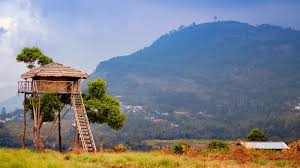
Many regular visitors say that Marayoor feels completely off the tourist trail even though it’s only a two-hour drive from town. The government-run sandalwood factory here offers short, informal tours.
Also in Marayoor: a cluster of jaggery-making units (sugarcane farms) that sell fresh, unrefined jaggery — an unusual and genuinely tasty souvenir.
Evening — Return and Final Tea Tasting
Back in Munnar by evening, stop at one of the tea tasting sessions offered by estate guesthouses near Pallivasal or Anayirangal. These are small, informal affairs — often just the estate manager, a kettle, and a few chairs on a veranda — but they’re far more genuine than the commercially packaged experiences in town.
Cost Breakdown: What to Budget for Munnar (2026)
| Expense | Budget | Mid-Range | Comfortable |
|---|---|---|---|
| Accommodation (per night) | ₹800–1,500 | ₹2,000–4,000 | ₹5,000–10,000+ |
| Food (per day) | ₹400–600 | ₹700–1,200 | ₹1,500+ |
| Jeep hire (Kolukkumalai) | ₹2,000–2,500 | — | — |
| Eravikulam entry | ₹120–170 | — | — |
| Tea Museum | ₹75–150 | — | — |
| Chinnar trekking | ₹300–800 | — | — |
| Misc (shopping, tips) | ₹500–1,000 | — | — |
Realistic total for 3 days (2 people): ₹8,000–₹18,000 excluding transport to Munnar.
How to Reach Munnar (2026 Options)
By Road (Most Common):
- From Kochi: 4.5–5 hours via NH 49 (Aluva–Munnar route) — most scenic, passes waterfalls and rubber estates
- From Coimbatore: 4 hours via Valparai or Udumalpet (Tamil Nadu side)
- From Thekkady/Periyar: 3–3.5 hours through beautiful winding forest roads
By Air:
- Nearest airport: Cochin International (COK) — 110 km away
- Taxis from airport: ₹2,500–₹3,500 (pre-booked outstation cab)
By Train + Cab:
- Nearest railhead: Aluva or Ernakulam (Kochi) — then a cab or KSRTC bus to Munnar
Insight: Don’t book a shared taxi from Kochi’s tourist spots — they often overcharge and take longer routes. Book a cab through apps like InDrive or a pre-arranged hotel taxi for better pricing and reliability.
Mistakes to Avoid in Munnar (Honest List)
This is the section most travel blogs skip. Pay attention to these — they matter.
- Arriving without booking Eravikulam tickets — walk-in is almost impossible on weekends and holidays in 2026; book at least 48 hours ahead online.
- Booking a hotel in “Munnar town” without realizing it’s crowded and noisy — the real experience is in homestays near estates (try areas like Pallivasal, Anayirangal, or Kolukkumalai base villages).
- Only visiting during daytime — many visitors never see Munnar at night. On clear nights, the lack of light pollution makes the sky extraordinary. If you’re into stargazing, ask your homestay about clear sky chances.
- Buying flavoured tea from roadside shops — cardamom tea, chocolate tea, strawberry tea — these are tourist products, not real Munnar tea. The real stuff is unflavoured and sold at KDHP outlets.
- Underestimating driving time between spots — roads are narrow and winding. 30 km in Munnar can take 1.5 hours. Plan your day with this in mind.
- Going to every viewpoint on the map — Echo Point, Mattupetty, Top Station, Photo Point — these all start to look similar. Choose 2–3 and spend real time there instead of rushing through all of them.
What Most Blogs Don’t Tell You About Munnar
- The tea estates are privately owned — you technically need permission to walk through them. In practice, most estate managers are fine with respectful visitors, especially if you approach the estate office first and ask politely.
- Weather changes within hours. A sunny morning can become a cold, foggy afternoon. Always carry a light jacket even in March.
- The best tea experiences are free — walking the rows, watching pluckers, sitting beside a small estate factory. You don’t need a ₹500 guided tour package for this.
- There is a significant difference in tea quality between the high-altitude estates (like Kolukkumalai at 7,900 feet) and the lower valley estates. High-altitude teas are sharper, more aromatic, and less bitter.
- Many homestays near the estates will make you fresh tea from that morning’s plucked leaves if you ask — this is a genuinely special experience and almost never advertised.
How to Book Your Trip
Stay:
- Book hotels in tea estate areas for better views
Transport:
- Private cab is best (₹3000/day approx)
Activities:
- Book Kolukkumalai jeep 1 day prior
Realistic Expectations vs Reality
| What People Expect | What’s Actually True |
|---|---|
| Endless open access to gardens | Most large estates restrict entry — smaller ones are more accessible |
| Warm weather all year | Even in April, nights can be 12–14°C — carry a jacket |
| Quick, easy roads | Narrow, winding mountain roads — driving takes 2x longer than Google Maps says |
| Affordable luxury hotels | Budget and mid-range options are plentiful; true luxury is limited |
| Tea sampling everywhere | Quality tasting is available, but you need to seek out the right places |
Practical Travel Tips
- Start your day early (before 8 AM)
- Carry cash (network issues in some areas)
- Wear layers — mornings are cold
- Book Kolukkumalai jeep in advance
Micro Tip:
Mobile networks often drop near Top Station — download maps offline.
FAQs: Munnar Tea Garden Itinerary 2026
Q1. How many days are enough for Munnar’s tea gardens?
A minimum of 2 full days is needed to cover the key experiences. 3 days is ideal if you want a relaxed pace and want to explore areas like Chinnar and Marayoor.
Q2. Can I walk inside the tea gardens freely?
Most large private estates don’t allow free public access, but you can walk along the roads that pass through them. Some smaller estates allow visitors if you ask at the estate office. Guided tours are the easiest way to get proper garden access.
Q3. Is Munnar suitable for families with young children?
Yes, generally. Eravikulam, the Tea Museum, and Mattupetty Dam are all family-friendly. Some treks and jeep rides to Kolukkumalai may be too rough for very young children.
Q4. What is the best hotel area to stay in Munnar?
For peace and proximity to nature, stay in homestays or estate-adjacent guesthouses near Pallivasal, Anayirangal, or the Kolukkumalai base area. Munnar town is convenient but noisy.
Q5. Is Munnar expensive?
Not at all. Munnar is one of India’s more affordable hill stations. A mid-range trip for two people over 3 days (excluding travel to Munnar) can be done in ₹10,000–₹15,000 comfortably.
Q6. What should I buy in Munnar as a souvenir?
Single-estate KDHP tea, cardamom pods, fresh spices, and Marayoor jaggery are the best authentic buys. Avoid pre-packaged gift boxes from tourist shops — they’re often lower quality and overpriced.
Q7. Do I need a guide for the tea garden visit?
Not necessarily for the main spots, but a local guide adds genuine value for places like Kolukkumalai, Chinnar, and any off-trail walks. Your homestay can usually arrange a trusted local guide for ₹500–₹800 per day.
For those extending their Kerala trip, check out our Thekkady to Munnar Road Trip Itinerary — a 3-hour drive that passes through some extraordinary spice country.
If you’re combining this trip with a beach holiday, our Kerala 7-Day Itinerary: Hills to Coast covers how to combine Munnar with Alleppey or Varkala seamlessly.
Conclusion: Plan Smart, Go Early, Stay Longer
Munnar’s tea gardens are one of those rare travel experiences that reward patience. The more time you give this place, the more it gives back.
Don’t rush. Wake up early. Get off the main road. Talk to the estate workers if you can. Drink a cup of tea you’ve watched being made. These are the moments that don’t make it onto Instagram but stay with you for years.
For 2026, the key planning steps are simple: book Eravikulam in advance, stay near the estates rather than in town, skip the flavoured tea, and arrive before the fog lifts.
Whether you have 2 days or 3, Munnar’s tea country is absolutely worth every slow, misty, mountain-road minute.

Sunil Singh is a travel writer and hill station explorer specialising in Kerala’s tea gardens, with years of firsthand experience visiting Munnar’s estates and plantations. Through Munnar Tea Gardens, he shares real-visit guides, honest reviews, and practical tips to help travellers plan smarter trips.