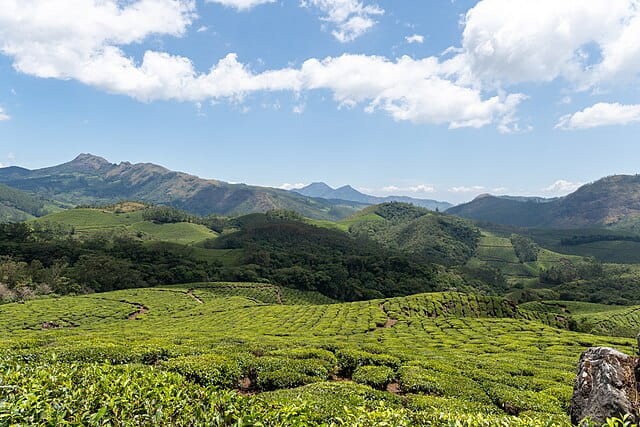
There’s a moment — usually somewhere around the Mattupetty Road curve, just as the mist rolls in from the Western Ghats — when Munnar stops being a place on a map and becomes something you feel in your chest.
Rolling green carpets of tea bushes stretch across mountain ridges. The air smells like wet soil and crushed leaves. A tea plucker in a bright sari bends at the waist, her hands moving faster than your eyes can follow.
It’s one of the most breathtaking places in India. And like most breathtaking places, first-timers almost always mess it up.
Too cold at night, wrong shoes, wrong tour operator, photographed something they shouldn’t have — the list goes on. This guide is everything you actually need to know before you step off the bus at Munnar in 2026. No fluff. Just the stuff locals and repeat visitors wish someone had told them.
Why Munnar Tea Gardens Are Worth the Journey
Munnar sits about 1,600 metres above sea level in Kerala’s Idukki district, and it produces some of India’s finest tea. The region is home to over 30,000 hectares of tea estates, many operated by Tata Tea (now Tata Consumer Products) under the Kanan Devan Hills Plantations brand.
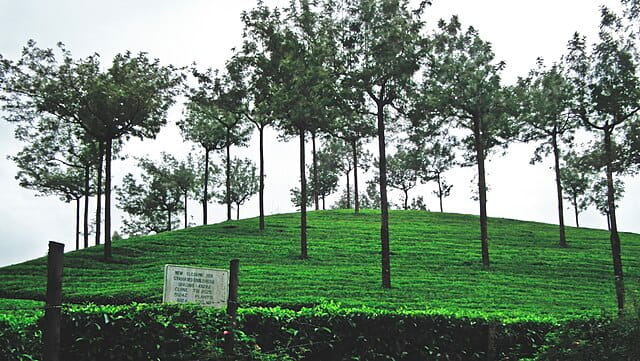
What makes Munnar tea unique? The altitude, the humidity, and the laterite-rich soil create growing conditions that produce a liquor with a distinctly malty, full-bodied flavour — especially in the orthodox varieties. That’s not just tourism branding; it’s why these teas consistently command premium prices at Kochi’s tea auctions.
But beyond the agriculture, Munnar is an experience. You’re walking through living history — British planters carved these estates out of shola forests in the 1870s and 1880s. The infrastructure, the bungalows, even some of the tea-processing machinery, tells that story quietly in the background.
Best Time to Visit Munnar Tea Gardens in 2026
This is where most first-timers make their first mistake: showing up during the wrong season and wondering why half the viewpoints are buried in fog.
Peak Season: September to May
The post-monsoon window from September through May is when Munnar is at its greenest and most photographable. October and November are particularly spectacular — the hills are saturated with colour, the waterfalls are full, and the temperature sits between 10°C and 25°C.
December to January is colder (it can dip to 5°C at night) and busy with domestic tourists, but the skies are often clearest. If you want the iconic misty-morning photograph, this is your window.
What About the Monsoon?
June through August brings heavy rainfall. Landslides are common, some tea estate roads close, and leeches appear on trails. That said, if you’re not planning to trek and you genuinely love moody green landscapes and near-empty hotels at half the price, early monsoon (June) can be quietly magical.
Avoid late July and all of August unless you’re a serious rain enthusiast. Roads wash out with very little warning.
Biggest Mistakes First-Time Visitors Make in Munnar
Many regular visitors say that the biggest issue in Munnar is not the place itself — it’s how people plan their trip.
Here are the most common mistakes:
1. Reaching sightseeing spots too late
Most people start their day around 10 AM, but by then:
- Fog has already cleared
- Crowds have started building
Early morning (6:30–9 AM) is when Munnar looks completely different — quieter, cooler, and more scenic.
2. Staying in Munnar town expecting tea garden views
One thing most people don’t realize is:
Munnar town has hotels, not tea plantations
If you want real tea garden views:
- Stay in Chithirapuram
- Anachal
- Devikulam road area
3. Underestimating travel time
Distances in Munnar look short on Google Maps, but:
- Roads are narrow
- Traffic can slow you down
A 20 km drive can easily take 45–60 minutes
4. Trying to cover everything in one day
Many first-time visitors try to:
- Visit all viewpoints
- Do all activities
This leads to rushing and missing the actual experience
5. Not checking access conditions
Some tea estates:
- Require permission
- Have restricted access
Always confirm before visiting — not all “tea garden locations” are open to tourists
Munnar Tea Gardens Dress Code: What to Actually Wear
Let’s be direct: there is no strict official dress code enforced by most tea estates in Munnar. But there are practical and cultural layers to this that matter.
Inside the Estates and Processing Factories
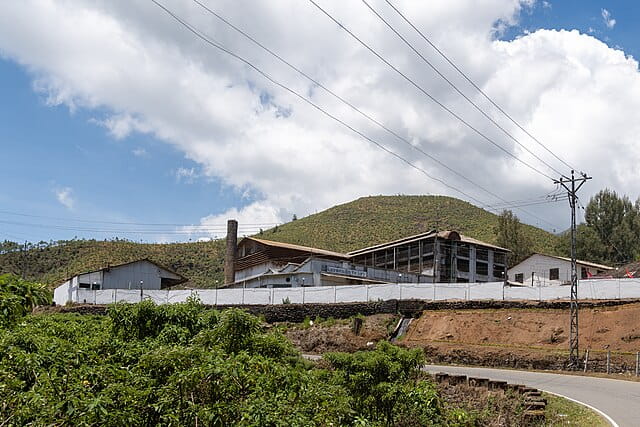
The Kanan Devan Hills Plantations tea factory (one of the most visited in India) and other estate tours ask visitors to wear closed-toe shoes or sports sandals — not flip-flops. The factory floors have damp patches, and some areas near withering troughs have metal edges on the ground.
Long trousers are strongly recommended, not just for cultural reasons but because the low scrub and rough tea bushes at ankle height will scratch bare skin repeatedly.
Trekking Into Tea Plantation Rows
If you’re walking between the actual bushes rather than on the road:
- Long, full-length trousers tucked into socks (leech prevention — even in dry months, leeches appear in shaded, damp rows)
- Sturdy closed footwear — trail runners are ideal, waterproof hiking boots even better
- Light full-sleeve top — sunburn on mountain slopes is deceptive; the UV intensity is higher than the temperature suggests
Visiting Local Communities Near Estates
Munnar’s tea-growing belt has a significant Tamil-origin worker population, and the communities near the estates are conservative by habit. A sleeveless top or shorts that end mid-thigh won’t get you in trouble, but respectful clothing — a light kurta, a linen shirt, trousers to the knee — goes a very long way. You’ll be treated noticeably better at chai stalls and local eateries.
The Night Temperature Rule
Pack one layer more than you think you need. People from Delhi or Mumbai regularly underestimate Munnar nights. A 15°C evening with mountain wind is not the same as a 15°C evening in the plains. A light down jacket or fleece plus a wind layer is the correct answer, not just a sweatshirt.
Common Scams in Munnar Tea Gardens (And How to Dodge Them)
Here it is — the section every travel blog dances around. These scams are real, they happen frequently, and knowing about them in advance is genuinely protective.
The “Official Tea Garden Tour” Scam
This is the most common one. A man near the bus stand or your hotel approaches you and offers a “private official tour” of the tea garden for ₹300–500 per person. He’ll have a laminated ID card that looks convincing.
The reality: Many of these tours are completely unaffiliated with the estates. You’ll be walked through a public road adjoining a private estate, shown tea bushes from 15 metres away, and dropped at a shop owned by his cousin.
What to do instead: Book directly through the KDHP Tea Museum (run by the actual Kanan Devan plantation) or ask your guesthouse to connect you with a licensed guide registered with the Kerala Tourism Development Corporation (KTDC). The museum tour includes the factory and is priced officially.
The “Rare Medicinal Tea” Shop Push
You’ll see roadside stalls selling “cardamom tea,” “special white tea,” “anti-diabetes green tea,” and various blends at prices ranging from ₹200 to ₹2,000 for small packets. The aggressive sales pitch often includes health claims that have no verification.
Most of this tea is of average quality. The cardamom is often dried out, and the “white tea” is frequently a low-grade product repackaged attractively.
Better option: Buy directly from the KDHP Tea Museum shop or from the Tea County outlet on Bison Valley Road. These are fixed-price, quality-verified, and you can taste before buying.
The Auto-Rickshaw “Short Route” Trick
Some autorickshaw drivers near the town centre will quote you a price to a viewpoint, take you on a 20-minute detour through their “friend’s spice garden shop,” then claim the original price didn’t include the “full route.” You’ll feel obligated to tip extra.
Fix: Negotiate the full route clearly upfront, write it down if needed, and confirm it includes no unscheduled stops. Better yet, use Rapido or local taxi apps where available in Munnar town (coverage is improving in 2025–2026).
Photography Boundaries and the “Fine” Scam
Inside tea processing factories, photography is generally restricted in specific areas — near the drying machines and fermentation floors, usually for liability and proprietary process reasons.
Some unofficial “guides” will tell you photography is banned everywhere and then offer to “arrange special permission” for a fee. This is not a thing. Just follow the posted signs and ask the official tour guide directly.
What Most First-Time Visitors Regret
After visiting Munnar, many travellers say their regrets are surprisingly similar.
1. Not staying inside a tea estate
👉 Watching tea gardens from far is very different from waking up inside one
2. Missing sunrise viewpoints
Places like Kolukkumalai require:
- Early planning
- Jeep access
👉 Many people skip this and regret it later
3. Overbooking activities
Trying to fit:
- Trekking
- Sightseeing
- Shopping
👉 Results in a tiring trip instead of a relaxing one
4. Ignoring weather changes
Munnar weather changes quickly:
- Sunny morning
- Foggy afternoon
- Rain in evening
👉 Not being prepared can affect your plans
Local Hacks That Actually Make a Difference
These are not on the brochures. These come from people who’ve been multiple times, from local residents, and from the kind of knowledge you pick up after making avoidable mistakes.
Hack #1: Go to the Estates at 7 AM
Tourist buses start arriving by 9:30 AM. By 10 AM, popular viewpoints near Top Station and Eravikulam National Park get congested. If you are at a tea estate row or a factory entrance by 7:00–7:30 AM, you will often be the only non-worker there. The light is extraordinary, the tea pluckers are active, and the mist is still sitting low on the ridgelines. This single habit transforms the experience.
Hack #2: Eat Where the Estate Workers Eat
There are small “meals” hotels (the Kerala term for a basic lunch restaurant) on the Munnar–Adimali road, near Chithirapuram junction, and in the Pallivasal area. These places serve rice, sambar, rasam, dry curries, and sometimes a tapioca-based dish for under ₹80 a plate. The food is fresher and more authentic than anything you’ll find on the main tourist street.
Ask your accommodation host or a local autorickshaw driver where they eat lunch. That’s your answer.
Hack #3: The KDHP Museum is Underrated
Most first-timers skip the Kanan Devan Hills Plantations Heritage Museum (or spend only 20 minutes there) because they think they’re “just here to see nature.” This is a mistake. The museum documents over 130 years of tea cultivation history, including the British colonial management era, the first Indian managers, and the worker cooperative that now partly owns the company. It’s genuinely fascinating, and it gives every tea bush you see afterward a depth it didn’t have before.
Entry is modest. The guided tour takes about 45 minutes and is worth every minute.
Hack #4: Rent a Bike, Don’t Just Take Taxis
Munnar’s best viewpoints — Rajamala Road, Lockhart Gap, Pothamedu — are best experienced at your own pace. Renting a scooter (₹400–600 per day, 2026 rates) from one of the shops near the KSRTC bus stand gives you the freedom to stop at any bend, wait for clouds to clear, or double back when you realize the light just changed dramatically.
Important: The roads here are mountain roads. They are not dangerous if you’re a confident rider, but if you’ve never ridden on hairpin bends before, stick to taxis. This is not a beginner learning spot.
Hack #5: The Afternoon Tea Tasting at Smaller Estates
Several smaller, family-run tea estates near Yellapatty and Chinnakanal offer informal tasting sessions if you turn up and ask politely. These aren’t advertised tours. You might be offered two or three varieties brewed the traditional way, with a basic explanation of the processing differences. Sometimes there’s no charge; sometimes they’ll ask ₹50–100 and expect you to buy a packet.
These informal encounters are often the most memorable part of the trip.
Hack #6: Book Eravikulam Entry Tickets Online in Advance
Eravikulam National Park — home to the endangered Nilgiri Tahr — has limited daily entry slots and a booking portal through the Kerala Forest Department. Tickets sell out on weekends. Book at least 3 days ahead. The park opens at 7:30 AM and the first entry batch has the best wildlife sighting odds.
Getting Around Munnar Tea Gardens: Practical Information
From Kochi: The most popular approach. It’s roughly 130 km and takes 3.5–4.5 hours depending on traffic at Aluva and the road condition through Neriamangalam. KSRTC buses run frequently; private cabs (₹2,500–3,500 one way) are more comfortable.
From Coimbatore: About 100 km via Udumalpet and Marayoor, roughly 3.5 hours. This eastern approach is less travelled and passes through Marayoor’s sandalwood forests — worth doing at least one way.
Within Munnar: Autos are plentiful. Agree on the fare before getting in; most short trips within the main area should cost ₹50–150. For full-day estate tours, a private cab with driver costs ₹1,800–2,500 depending on the circuit.
Real Experience Tips That Make a Big Difference
These small details are what separate a good trip from a great one:
- Carry some cash — many plantation areas have limited online payment options
- Mobile network can be weak — especially in remote tea estate areas
- Morning walks inside tea gardens are often better than crowded viewpoints
- Local food at homestays is usually more authentic than town restaurants
Responsible Tourism at Munnar Tea Estates
This matters more than most blogs acknowledge.
The workers in these estates — predominantly Tamil-origin communities who migrated to Kerala during the British era — live and work in these hills. Their daily lives are not a photo opportunity. Before you photograph a tea plucker, ask permission. Many will agree warmly; some will decline, and that deserves equal respect.

The tea bushes are agricultural crops, not decorative props. Don’t break off branches for photos. Don’t trample the rows. Some estates have started restricting tourist access precisely because previous visitors treated the estate like a theme park.
Leave the trails cleaner than you found them. There are no magic bins halfway up a mountain.
Quick-Reference Checklist for First-Timers
Before You Go:
- Book Eravikulam National Park tickets online (3+ days ahead)
- Check road conditions if visiting June–September
- Pack a fleece layer even for summer months
- Download offline maps (Munnar signal is inconsistent)
On Arrival:
- Get oriented at the KDHP Tea Museum first
- Confirm your guide’s credentials with the estate or KTDC
- Agree on all transport fares upfront in writing if possible
At the Estates:
- Wear closed-toe shoes and long trousers
- Ask before photographing workers
- Buy tea at official outlets, not roadside stalls
- Arrive at viewpoints by 7 AM for the best experience
Who Should Plan Their Trip Differently
Munnar is not the same experience for everyone:
- If you prefer luxury → choose plantation bungalows
- If you want quiet nature → avoid town stays
- If you want fast travel → Munnar may feel slow
👉 Understanding this before visiting avoids disappointment
Final Thought: What Munnar Teaches You
Munnar is one of those places that rewards patience and punishes rushing. The travellers who leave with the best memories aren’t the ones who ticked off the most viewpoints in a day. They’re the ones who sat with a glass of milky tea at a roadside stall as the fog came down, who stayed an extra morning to catch the light at 7 AM, who asked questions and listened to the answers.
Come curious. Dress sensibly. Don’t be in a hurry. And please — buy good tea.
Read Also: Munnar Tea Garden vs Thekkady — Which Should You Visit First on a Kerala Trip? (2026)

Sunil Singh is a travel writer and hill station explorer specialising in Kerala’s tea gardens, with years of firsthand experience visiting Munnar’s estates and plantations. Through Munnar Tea Gardens, he shares real-visit guides, honest reviews, and practical tips to help travellers plan smarter trips.