At five thirty in the morning, there’s a certain silence in Munnar. Something warmer than the lifeless quiet of a deserted city street. Inside a mud-plastered house, you hear the gentle clatter of a pressure cooker. Somewhere in the mist is a rooster. The soft murmur of a woman using a coconut-rib broom to sweep her courtyard. No travel brochure shows this as the Munnar. This is the real Munnar, and all it needs of you is to slow down enough to see it.
Most people who visit Munnar spend their time navigating the busy bazaar, riding a jeep to viewpoints, sipping chai at roadside dhabas, and clicking photos at Eravikulam National Park. That’s a fine trip. But if you stay an extra day or two, venture off the NH49, and actually walk into one of the dozens of small villages scattered across these hills, something changes. You stop being a tourist and start being a guest. That shift makes all the difference.
Why Munnar’s Villages Are Different from the Rest of Kerala
Munnar is not coastal Kerala. The backwaters, the Chinese fishing nets, the Kathakali shows — those belong to a different world entirely. Up here at 1,600 metres, the culture is shaped by altitude, isolation, and a history deeply tied to the British tea industry that transformed these hills in the 1880s. When the British planted tea across every ridge, they brought in Tamil laborers from the plains of Tamil Nadu. Their descendants — the estate workers — still live in neat rows of small houses called “line rooms” scattered across the hillside plantations. Alongside them are the indigenous Muthuvan and Mannan tribal communities who have lived in these forests for centuries, long before the first tea seed was planted.
So when you step into a Munnar village, you are not stepping into a single culture. You are stepping into a layered, quietly complex world where Malayalam, Tamil, and old tribal dialects coexist. Where a Hindu temple sits across from a church built by Scottish missionaries. Where toddy shops open early and close late, and where the smell of cardamom from a kitchen garden can stop you mid-step on a narrow path.
“The estate workers have lived on these slopes for four or five generations. They know every plant by name, every trail by memory. But most visitors drive past their homes without a second glance.”— A homestay owner in Pallivasal village, speaking to a travel researcher
Getting There: Finding the Villages Most People Skip
Munnar town is the entry point, but it is not the destination. The real villages are tucked further in — down unnamed roads that branch off the main highway toward Udumalpet, or past the Mattupetty dam heading toward Kundaly. Some are accessible by auto-rickshaw; others require a short hike. Here are a few that genuinely reward the effort:
Pallivasal
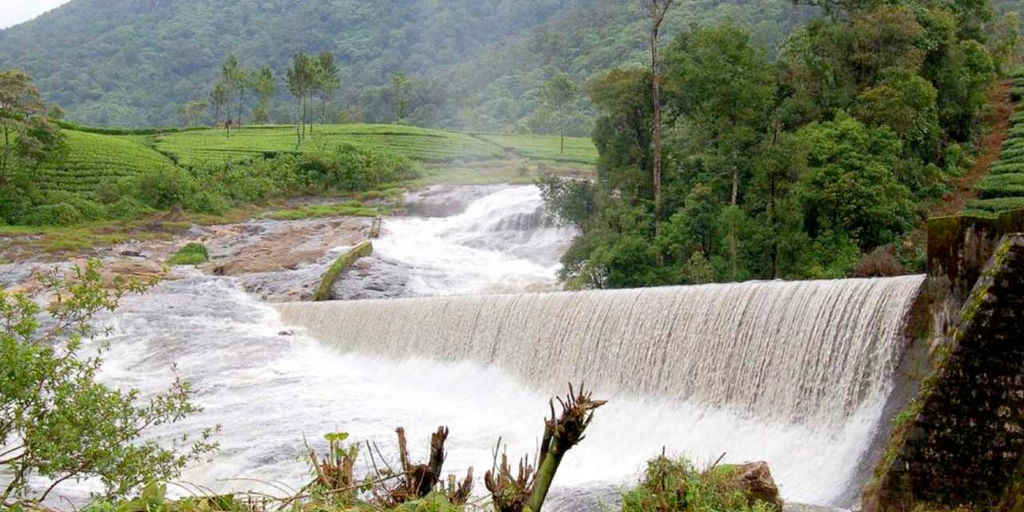
Just 6 kilometres from Munnar town and shockingly untouched. A historic hydro-power station from 1940 hums alongside a small village where estate workers sell fresh vegetables in the morning. The waterfalls here are visited mainly by locals — which tells you everything about how undiscovered this place still is.
Kolukkumalai
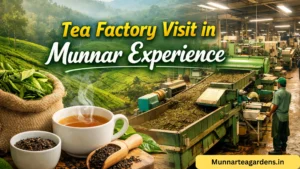
Perched at 2,100 metres, this is the world’s highest tea estate — and the village surrounding it is entirely self-contained. A community of Tamil-speaking estate families live here with limited road access. The tea factory (circa 1930s) still uses original wood-fired machinery. Jeeps run from Suryanelli on the way up.
Chithirapuram
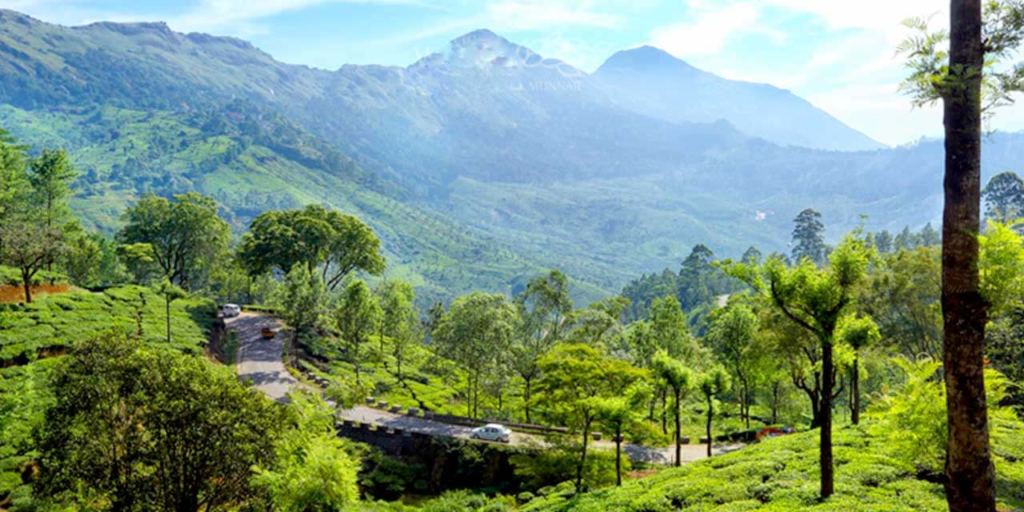
A planned colony built by the British for their managers, now a fascinating ghost of colonial ambition. Bungalows with English names still stand. A cricket ground, a golf course, a church. Local families live in what were once staff quarters. Walking through Chithirapuram on a weekday feels like wandering into a film set that forgot to stop.
Vattavada
The highest village in Kerala, at approximately 2,240 metres. The air is genuinely thin. Villagers here grow temperate vegetables — carrots, beans, cauliflower — that don’t grow anywhere else at this latitude in India. The market on Sunday mornings draws farmers from surrounding hamlets, and it’s one of the most authentically local experiences you can have in the entire Munnar region.
A Morning in a Tea Estate Village: What It Actually Looks Like
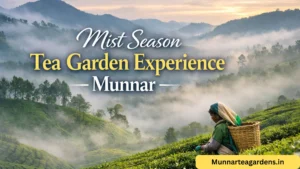
If you stay at a homestay inside or near a tea estate — and there are now a small number of families that open their homes to guests — your morning will begin well before sunrise. By 5 AM, the estate workers are already up. Women in bright cotton sarees tie their hair, pack a light breakfast of rice and leftover curry into steel tiffin boxes, and walk in quiet groups down the hill toward the plucking lines. Their chappals slap against the dewy path. Their breath fogs in the cold air.
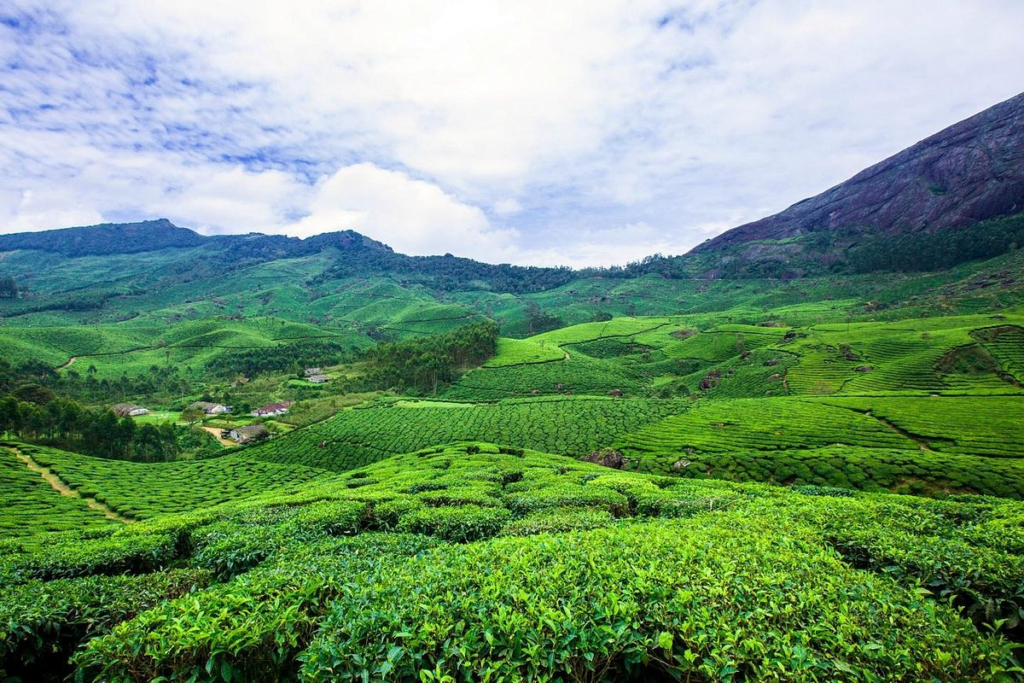
The tea bushes stretch in every direction, clipped into a perfectly level green carpet that follows the contours of the hill. Each woman carries a large wicker basket strapped to her forehead by a cloth band. The plucking is precise — only the top two leaves and a bud are taken from each shoot. In a good eight-hour shift, a skilled plucker takes roughly 20 to 25 kilograms of green leaf. She earns somewhere between ₹400 and ₹600 for the day, depending on the estate.
If you ask politely, many women will let you walk alongside them for an hour. Some will teach you to pluck — which sounds simple but requires a snap of the wrist that takes time to learn. They find your slow, clumsy attempts quietly amusing. Nobody makes you feel like a fool. This is the kind of interaction that no organized tour can manufacture.
Travel tip: Carry a small gift — a packet of good biscuits, a bag of peanuts, or even a few bananas. Showing up empty-handed and photographing people’s work without acknowledgment is considered rude. Offering something small, however modest, is a gesture that opens real conversation.
Food in the Villages: This Is Not Restaurant Kerala
If you have eaten at a Kerala restaurant in Kochi or Thiruvananthapuram, you know the standard: appam and stew, fish curry, puttu with kadala curry, biryani. Good food. But village food in Munnar is different in ways that are hard to describe until you taste it.
The Tamil-origin estate communities eat a simpler, more austere cuisine shaped by both poverty and altitude. Rice is the staple — usually the red-boiled variety. The curries are made with whatever grows nearby: raw banana, tapioca, a dark leafy green called muringayila (drumstick leaves), small dried fish, or a thin lentil dal with a heavy tempering of mustard seeds and red chilli. Everything is cooked on a wood fire, and the smoke imparts a flavor that no LPG flame can replicate.
The Muthuvan tribal communities have their own food culture entirely — wild tubers, forest greens, a fermented millet drink, meat from small game. If you get the rare opportunity to share a meal with a Muthuvan family through a responsible tribal tourism program, you will eat things you have never eaten before. Some of it will be difficult for an unfamiliar palate. All of it will be honest.
In Vattavada village, the local vegetable farmers often sell freshly picked produce straight from the field for prices that are laughably low compared to what you’d pay in any city. Carrots the size of your forearm. Cauliflower still carrying soil. Buying a bag and cooking it at your homestay that evening is an experience worth building a whole day around.
What to Try in Village Kitchens
- Tapioca and fish curry — the unofficial comfort food of the region
- Kanji (rice porridge) — morning staple in estate homes, deeply nourishing in cold weather
- Ela sadya — a simple banana-leaf meal served at local temples during festivals
- Kalan — a thick, tangy yogurt curry with raw banana or yam
- Cherupayar (green gram) curry — a staple across the villages, mild and filling
- Homemade rice wine (kallu) — offered in some households, always politely, never aggressively
The Tribal Communities: Meeting the Muthuvans Respectfully
The Muthuvan people are one of the oldest indigenous communities in the Western Ghats. They live in small hamlets deep inside the forests above Munnar — particularly in the Marayur and Chinnar Wildlife Sanctuary areas. For a long time, their land was protected from outside intrusion, but increasing encroachment and, paradoxically, the attention of well-meaning tourism have both complicated their lives.
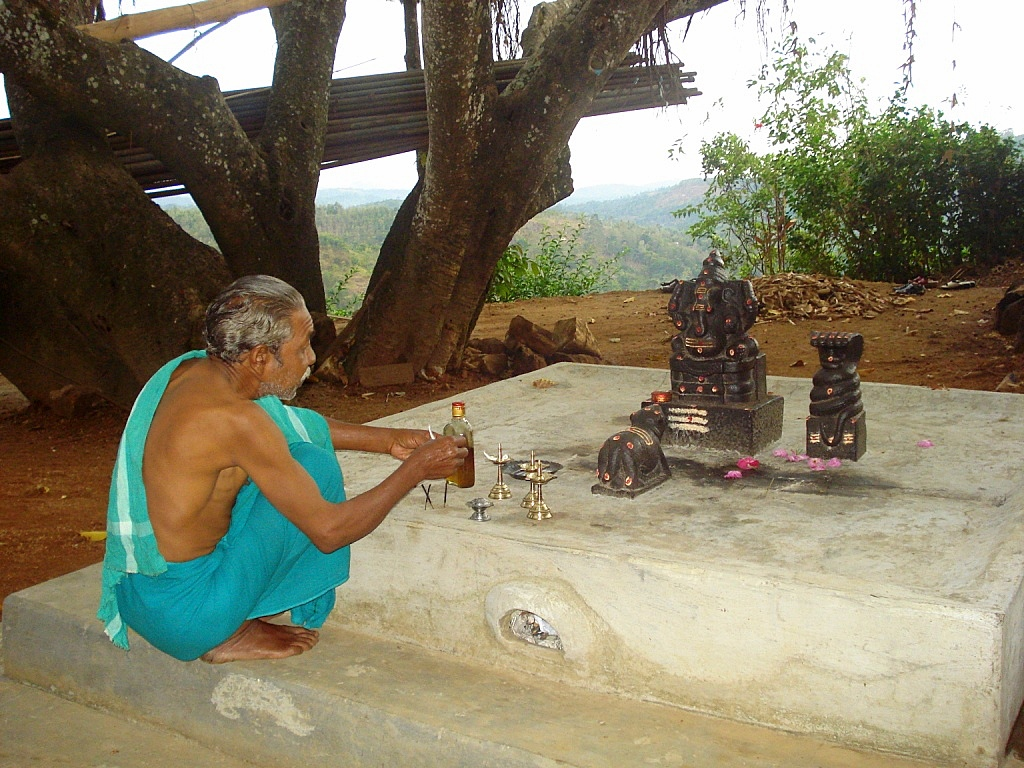
If you want to visit a Muthuvan settlement, it must be done through an authorized channel — either through the Kerala Tribal Welfare Department’s approved programs or through a certified local guide from the community itself. Simply showing up at a tribal hamlet unannounced is not only culturally intrusive but also legally restricted in certain forest zones. That said, ethical tribal tourism is growing in the Munnar region, and there are now a few programs where visitors can meet community members, learn about their knowledge of medicinal plants, and witness traditional craft-making.
The Muthuvans are known for their deep knowledge of the forest — every plant, every bird call, every shift in weather. Spending two hours walking with a Muthuvan elder through the forest edge near Rajamala or Marayur is a masterclass in ecological literacy that no guided nature walk with binoculars and pamphlets can rival. Their world is not a tourist attraction. It is a living system. Your job is to be a quiet, respectful witness.
A Note on Responsible Visiting
The Munnar region has seen a significant surge in tourists over the last decade, and the pressure on communities — especially tribal ones — is real. Some villages near the main road have started to feel the effects of over-tourism: plastic waste, intrusive photography, demand for “authentic experiences” that are actually staged performances. The antidote is simple: travel slowly, ask before photographing, spend money locally (buy directly from farmers, eat at village tea stalls, hire local guides), and accept that some places are not meant to be consumed.
Festivals and Rituals: When the Village Truly Comes Alive
If your visit coincides with a local festival, rearrange your itinerary to witness it. Munnar’s villages celebrate a calendar of Hindu, Tamil, and tribal festivals that rarely make it into travel guides. Some of the most meaningful ones:
| Festival | Timing | Where to See It |
|---|---|---|
| Pongal | January (Tamil harvest festival) | Estate villages; open courtyard celebrations with sugarcane and new rice |
| Vishu | April (Malayalam New Year) | Pallivasal, Chithirapuram; temple rituals at dawn |
| Attukal Pongala | February/March | Estate community gatherings; cooking pongal outdoors |
| Kanni Pooja | October | Tribal settlements; worship of forest deities, not open to outsiders but visible from a distance |
| Christmas | December 25 | Chithirapuram and surrounding areas; church services + carol singing in English and Malayalam |
The estate communities’ Pongal celebrations are particularly open and joyful. Families cook the traditional sweet rice pudding in clay pots outdoors, and neighbours move between houses exchanging food and greetings. As a visitor who arrives with genuine curiosity rather than a camera ready to fire, you will likely be invited to sit, eat, and stay for longer than you planned.
Where to Stay: Inside the Village, Not on Its Edge
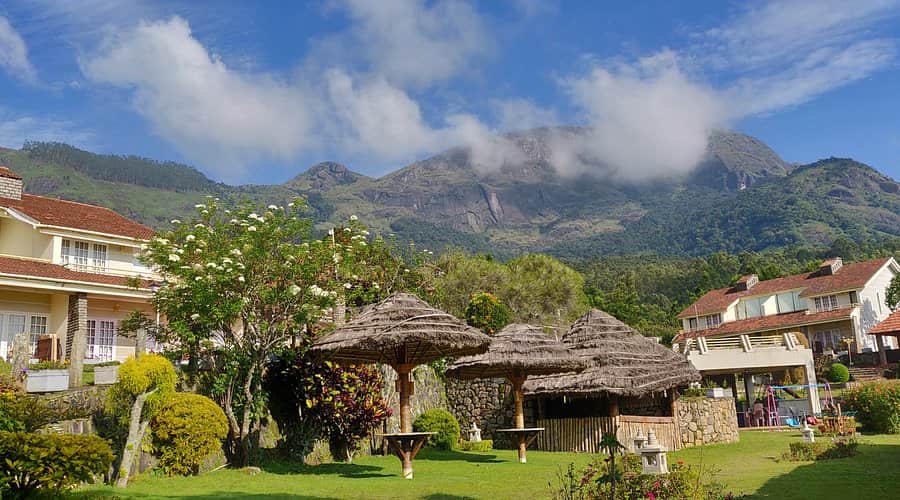
The difference between staying in a Munnar resort and staying in a village homestay is the difference between watching a documentary and being in one. Resorts are comfortable, professionally managed, and deliberately insulated from the noise of ordinary life. Homestays — the real, family-run ones inside villages — are something else entirely.
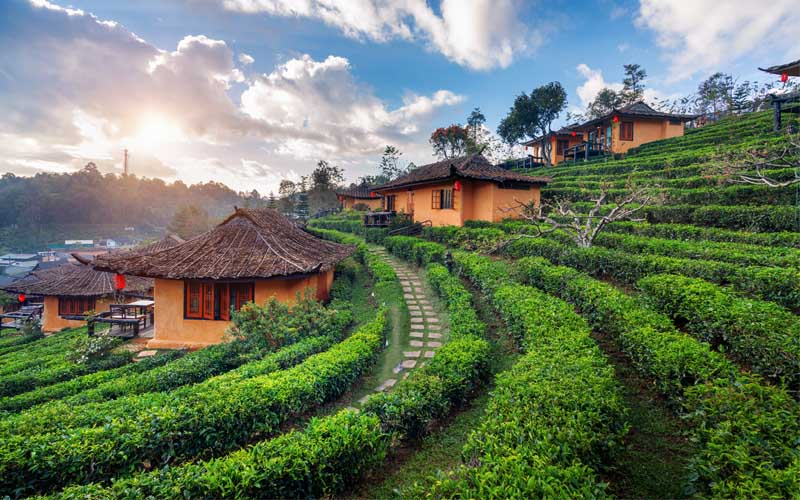
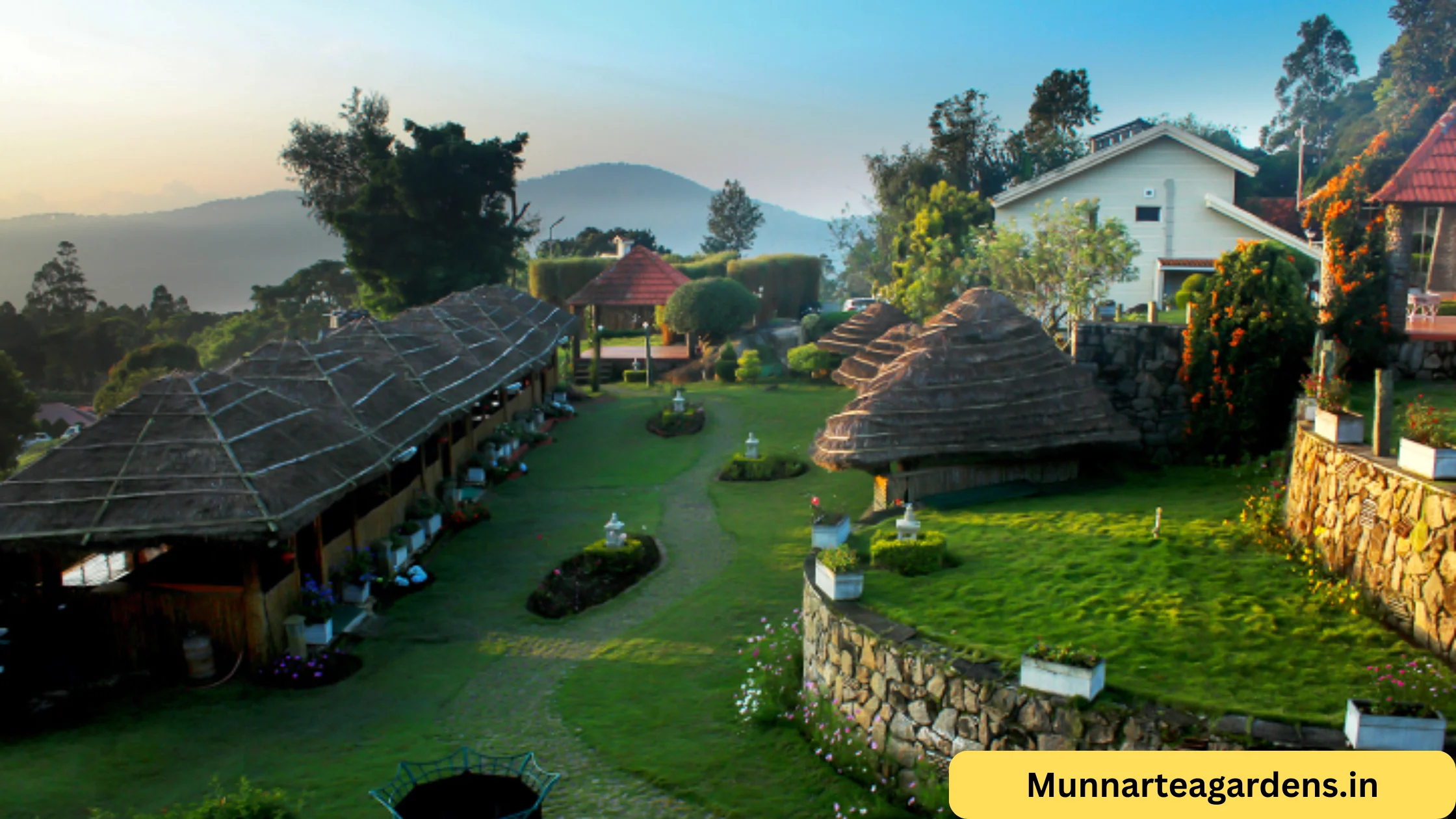
A typical village homestay in Munnar means staying in a spare room in a family’s house. The bed will have clean sheets and a warm blanket — nights here drop to 8 or 10 degrees in winter. The bathroom will be modest but functional. Breakfast will be whatever the family is eating: maybe idiyappam and coconut milk, maybe thick parathas with pickle. In the evening, you might sit with the family on the veranda and watch the mist roll in across the valley while someone’s grandmother shells beans into a steel bowl.
This is not luxury travel. But it is rich travel, in the way that matters most.
Practical Homestay Tips for Munnar Villages
- Book through local contacts or Kerala Tourism’s certified homestay list — avoid large platforms that list “homestays” that are actually small hotels
- Confirm meal arrangements in advance; most families will cook for you if asked, but not all
- Bring enough cash — most village homestays don’t accept cards or UPI
- Pack warm layers; Munnar nights are cold year-round, and mountain mornings are cold even in summer
- A small LED torch is useful; power cuts happen, especially during monsoon season
- Ask your host to recommend a local guide — they will know someone reliable and trustworthy
The Best Time to Go — and the Honest Answer
Every article will tell you that the best time to visit Munnar is October to March, after the monsoon clears. That is true. The skies are crisp, the views are long, and the tea estate air smells of eucalyptus and something sweet you can never quite name.
But here’s a less popular opinion: Munnar during the monsoon (June–September) is extraordinary. It is difficult and wet and sometimes miserable, and it is also one of the most astonishing landscapes on earth. The waterfalls multiply. The hills turn so green they look painted. The mist is so thick it fills the valleys like milk in a glass. Tourist numbers drop, homestay prices fall, and you have the trails and the tea estates largely to yourself. If you don’t mind getting wet and can handle unreliable roads, the monsoon Munnar is the Munnar of a lifetime.
The festival calendar also factors in: if village festivals are your primary draw, plan around Pongal in January or Vishu in April. Those weeks see the communities at their most celebratory and open.
How to Spend Three Days in Munnar’s Villages
Day 1: Arrive in Munnar town, skip the crowded viewpoints, and head straight to Pallivasal village in the late afternoon. Walk the village path along the small river. Eat dinner with your homestay family. Sleep early — the cold air guarantees it.
Day 2: Take an early morning jeep to Kolukkumalai. Arrive before 7 AM to watch the sunrise over the tea rows. Visit the old factory. Talk to the estate workers. Come back via Suryanelli and stop at a local tea stall for lunch. In the afternoon, take a quiet walk through the estate rows near your homestay — no guide needed, just your instincts and a good pair of shoes.
Day 3: Drive out to Vattavada. It’s roughly 40 kilometres from Munnar but the road takes over an hour. Spend the morning at the Sunday market if the timing works. Buy vegetables. Walk to the viewpoint above the village. On the way back, stop at Marayur for jaggery shopping — this region produces some of the finest natural jaggery in India, sold straight from palm-thatched sheds along the road.
What You’ll Take Home That Doesn’t Fit in a Suitcase
People come to Munnar for the scenery. They leave with something they didn’t expect. It might be the image of a woman walking uphill in a bright sari at dawn with a basket on her back and earrings catching the early light. It might be the taste of a particular tea — drunk from a glass in a line-room kitchen, made from leaves plucked a hundred metres away. It might be the strange peace of sitting on a stone wall above the valley with a cup of cardamom chai, watching the clouds move below you rather than above.
Village life in Munnar is not picturesque in the curated, filtered way of travel photography. It is hard-working, complex, layered with history and economic difficulty and quiet dignity. The tea plucker earning ₹500 a day is also part of a supply chain that ends in a luxury boutique in London selling handcrafted Kerala tea at £18 a tin. The tribal elder who knows every medicinal plant in the forest also lives without reliable electricity. These contradictions don’t cancel each other out. They are the texture of a real place.
And if you sit with them long enough — at a kitchen table, on a veranda step, beside a fire — you stop being a traveller looking for an experience and start being a person talking to another person. That is, ultimately, what travel is for.
Final Thoughts: Go Slowly, Stay Longer
Munnar’s village life is not a tourist product. It never marketed itself to you. The families in Pallivasal and Kolukkumalai and Vattavada were not waiting for your arrival, and they will go about their days whether you visit or not. That is exactly what makes visiting meaningful.
Go with curiosity rather than expectation. Hire local guides, eat local food, sleep in someone’s house, buy your vegetables from the farmer who grew them. Leave some money in the village — not through a resort’s “cultural experience” package, but directly with the people whose lives you are briefly touching.
Munnar will give you mountains and mist and magnificent tea as a matter of course. The villages will give you something rarer: a sense of the actual world, in all its particular, unhurried, unglamorous, quietly beautiful reality.