You’ve booked your flights to Kochi. You’ve got about ten days. Everyone keeps telling you Kerala is “God’s Own Country,” and you absolutely believe it — but now the itinerary is staring back at you, and you’re paralyzed by a single question:
Munnar first or Thekkady first?
It sounds like a small decision. It isn’t. The order you visit these two iconic destinations can shape the rhythm of your entire trip — your energy levels, your acclimatization, your budget flow, and honestly, the memories you carry home.
This guide is going to settle that debate for you, clearly and practically, based on real traveler experiences, geography, seasonal patterns, and what makes each destination truly shine in 2026.
What Makes Munnar and Thekkady So Special — And So Different
Before we get into the sequencing, let’s be clear: these are not interchangeable destinations. They’re neighbors in Kerala’s high ranges, yes, but the experiences they offer are worlds apart.
Munnar is landscape poetry. Imagine rolling hills draped in green velvet, with tea bushes stretching as far as your eyes can reach. The air at 1,600 meters above sea level carries a cool, misty quality that feels like the world has slowed down. Munnar is where you go to breathe — literally and figuratively.
Thekkady, on the other hand, is about wild encounters. Periyar Tiger Reserve, one of India’s best-managed wildlife sanctuaries, sits at the heart of Thekkady. The lake, the jungle trails, the spice plantations hugging the hillsides — it’s sensory, alive, and slightly unpredictable in the best possible way.
Neither is better. But one of them is better first — and that depends on you.
Munnar Tea Gardens: What You Actually Get
The Landscape Experience
Munnar’s tea gardens are managed largely by Tata Tea (now Tata Consumer Products) and the Kerala government, and they cover approximately 30,000 hectares across the Idukki district. The Kolukkumalai Tea Estate, the highest tea estate in the world at around 2,100 meters, offers a plucking and processing experience that you genuinely cannot find anywhere else in India.
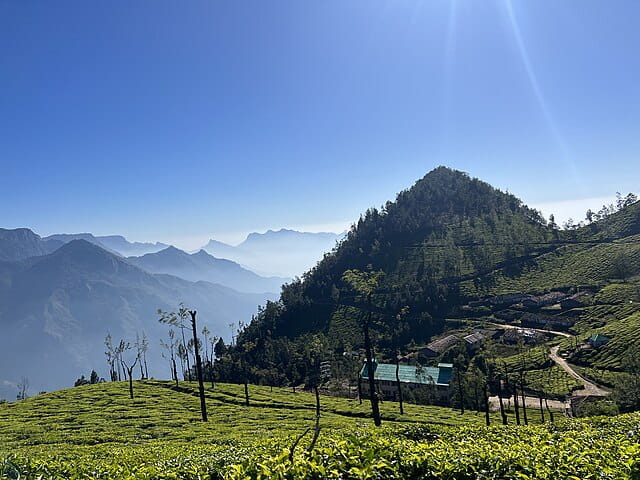
When you walk through a tea garden early morning — say, around 6:30 AM before the tourist coaches arrive — there’s a quality of silence that’s almost startling. The only sounds are birdsong and the distant rhythm of women pluckers at work, their fingers moving with practiced efficiency. It’s not just scenic. It feels like watching something ancient and real.
Key Experiences in Munnar
The Top Station viewpoint on the Munnar-Kodaikanal road offers panoramic views of the Western Ghats that will recalibrate your sense of scale. On clear mornings (especially between October and February), you can see three states — Kerala, Tamil Nadu, and Karnataka — from a single vantage point.
The Eravikulam National Park, home to the endangered Nilgiri Tahr, is one of those rare wildlife encounters that doesn’t require any luck — the tahr are so habituated to humans that they’ll walk right up to you on the trail. The park opens annually around February after the calving season ends.
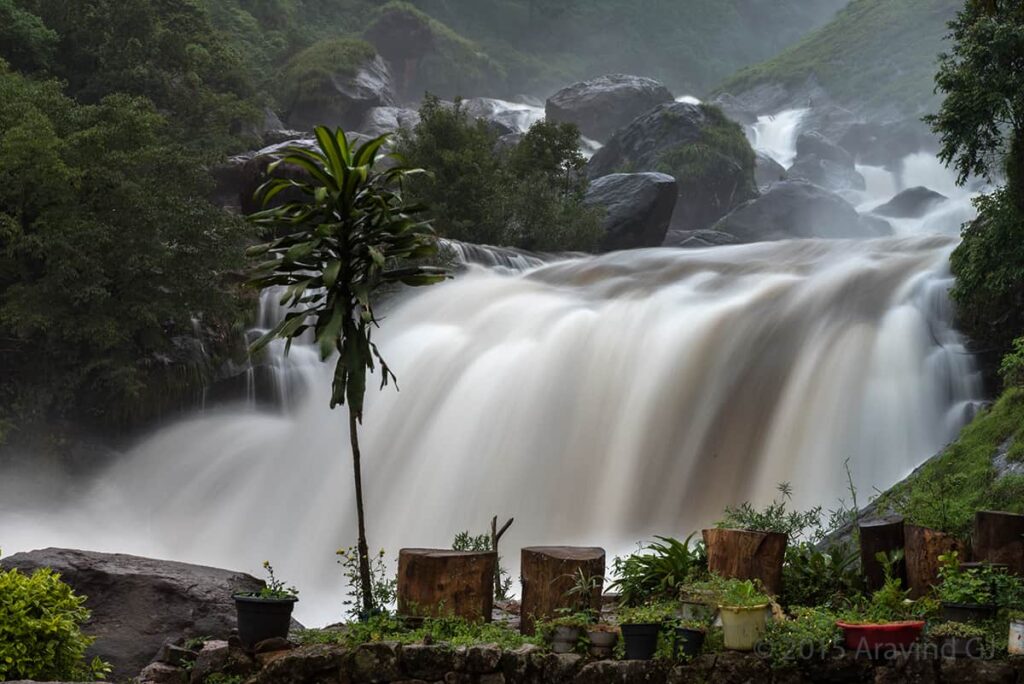
Mattupetty Dam and Indo-Swiss Farm offer a gentler afternoon experience, while Attukal Waterfalls hit their dramatic peak between July and September during the monsoon season.
Who Munnar Is Perfect For
Munnar is ideal for couples looking for that misty, romantic escape. It’s also great for first-time Kerala visitors who want an easy, scenic introduction to the state’s highland character. If you’re arriving from a hot, busy city — which most travelers do — Munnar’s cool air and unhurried pace gives you the decompression you need before diving into wildlife territory.
Thekkady and Periyar: What You Actually Get
The Wildlife Experience
Thekkady is built around Periyar Tiger Reserve, a 925 sq km protected area that’s been a conservation success story since the 1970s. While tiger sightings are rare (they’re elusive cats — that’s the honest truth), elephant sightings on boat safaris are genuinely common. The morning boat rides on Periyar Lake — especially the ones departing at 7:00 AM — have produced some of the most photographed elephant moments in all of Kerala.
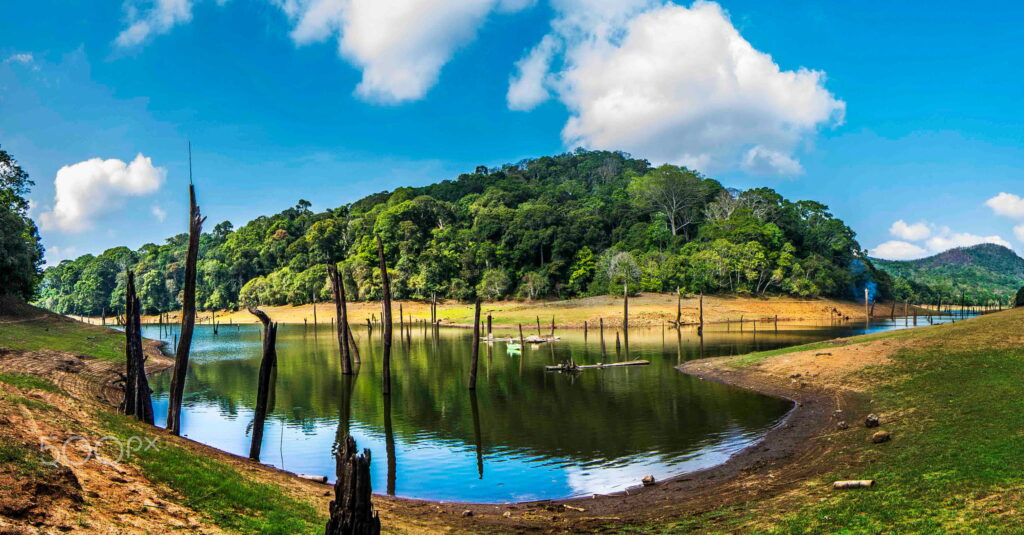
Beyond the boat ride, Thekkady offers something Munnar doesn’t: immersive jungle encounters. The Periyar Tiger Trail, a two-day guided trek through the core area of the reserve, is run by reformed poachers who have now become some of India’s finest naturalist guides. This program, supported by WWF-India, is considered a global model for community-based conservation.
Key Experiences in Thekkady
Bamboo Rafting in the core zone of the reserve is a five-hour experience that takes you deep into a part of the forest most tourists never see. It requires an early morning start and a booking done well in advance — often weeks ahead during peak season (October to March).
Spice plantation tours are another Thekkady signature. The region around Kumily (the town adjacent to the reserve) is dense with cardamom, pepper, cinnamon, and clove plantations. A two-hour guided walk through a working spice estate is genuinely educational and fragrant in a way that makes you rethink every spice rack you’ve ever owned.
The Kadathanadan Kalari Centre hosts Kalaripayattu performances — Kerala’s ancient martial art — every evening at 7 PM. It’s touristy, yes, but the athleticism is real and worth an hour of your evening.

Who Thekkady Is Perfect For
Thekkady suits nature lovers, wildlife enthusiasts, and travelers who want more than passive sightseeing. It’s also excellent for those interested in Kerala’s indigenous culture and agro-forestry traditions. Families with older children (12+) generally have a richer experience here than in Munnar, given the range of active options.
The Route Logic: Why Geography Should Influence Your Decision
Here’s something most travel blogs skip: the road between Munnar and Thekkady is one of the most beautiful drives in South India, and the direction you travel it matters.
The distance between the two is approximately 85 kilometers, taking about 3.5 hours by road through the Chinnar-Bodimettu route. If you’re arriving from Kochi (the most common arrival point), Munnar is about 130 km away — roughly 4 hours. Thekkady from Kochi takes around 190 km and 4.5 to 5 hours.
The practical route logic:
Kochi → Munnar → Thekkady is the most natural arc. You acclimatize gradually from sea level to 1,600 meters in Munnar, spend two or three nights there, then descend slightly into the more temperate Thekkady zone. The drive from Munnar to Thekkady via the Bodimettu Pass is stunning — forest cover, mist, and occasional shola grasslands all the way.
If you reverse this and do Thekkady first, you’d be taking a longer drive from Kochi to start, and the Munnar finale, while beautiful, often feels rushed because most travelers have already committed extra time to Thekkady’s activity bookings earlier in the trip.
A Honest Look at the Budget Side
Neither destination is expensive by international standards, but they’re not identical in cost structure.
Munnar offers a broader range of accommodation — from budget guesthouses at ₹800–1,200 per night to mid-range resorts at ₹3,000–6,000 and luxury tea estate bungalows going up to ₹15,000 per night. Most sightseeing is self-guided and low-cost.
Thekkady’s accommodation is concentrated around Kumily town and is slightly pricier at comparable quality levels. The premium experiences — bamboo rafting (approximately ₹1,500 per person), Tiger Trail (around ₹4,500 for two days), and even the boat safari (₹200–400 for KTDC rides) — add up, but they’re worth every rupee if wildlife and nature are your priorities.
Bottom line on budget: Plan for Munnar to cost less per day, and Thekkady to cost more but deliver more structured experiences.
Seasonal Wisdom: When You Go Changes Everything
Best Time for Munnar
October to March is peak season and for good reason — skies are clear, the tea estates are vibrant green, and Eravikulam opens up. April and May see the Neelakurinji bloom only once every twelve years (the last was 2018; next bloom is expected in 2030), so that’s a special year when the entire hillside turns purple.
Avoid June to August if you’re not into rain — though the monsoon Munnar has its own moody beauty and much thinner crowds.
Best Time for Thekkady
October to February is the sweet spot. Wildlife activity is highest around the water sources as summer heat builds up. The spice harvest season (October-November for pepper and cardamom) makes plantation tours especially interesting.
March to May gets hot but bamboo rafting and boat rides are still excellent. Monsoon (June-September) reduces wildlife visibility significantly.
The Verdict: Which Should You Visit First?
Visit Munnar first if:
- You’re flying into Kochi and want the most logical road route
- You want a gentle, scenic introduction to Kerala’s highlands
- You need a few quiet days to settle in before doing active wildlife experiences
- You’re traveling with older adults or very young children
- You’re visiting between November and February for clear skies and peak scenery
Visit Thekkady first if:
- You’re flying into Madurai (Tamil Nadu) or coming up from Kovalam/Trivandrum
- You’ve booked the Bamboo Rafting or Tiger Trail and have fixed slots
- Your trip is short (under a week) and you want wildlife to be the centerpiece
- You’re a seasoned India traveler who doesn’t need the decompression phase
The Ideal Kerala Itinerary in 2026
For most first-time Kerala visitors, a 10-day itinerary that goes Kochi (2 nights) → Munnar (3 nights) → Thekkady (2 nights) → Alleppey Backwaters (2 nights) → Kochi departure works beautifully. It builds in intensity — from scenic calm to wildlife to the floating world of the backwaters — and it follows the natural geography of the region without unnecessary backtracking.
If you have fewer days, the Munnar → Thekkady pairing alone over 5 nights gives you a complete Highland Kerala experience.
Quick Comparison: Munnar vs Thekkady at a Glance
| Feature | Munnar | Thekkady |
|---|---|---|
| Primary appeal | Tea gardens, hill scenery | Wildlife, spice estates |
| Best season | Oct–Feb | Oct–Feb |
| Altitude | ~1,600m | ~900m |
| Distance from Kochi | ~130 km | ~190 km |
| Average daily budget | ₹2,500–4,500 | ₹3,500–6,000 |
| Ideal duration | 2–3 nights | 2–3 nights |
| Best for | Couples, scenic drives | Nature lovers, families |
| Top experience | Kolukkumalai tea estate | Bamboo rafting / Boat safari |
Final Thought
Here’s the thing nobody tells you before a Kerala trip: you won’t regret either one. Munnar will give you mornings where the mist rolls in from the valleys and you feel like the only person in the world. Thekkady will give you the moment a wild elephant walks into the water fifty feet from your boat and everyone on deck stops breathing.
Both are real. Both are Kerala at its finest.
The question of which comes first is really a question of what kind of traveler you want to be at the start of your journey — the one who eases in gently with tea and mist, or the one who arrives with wide eyes ready for the wild.
Either way, you can’t lose.

Sunil Singh is a travel writer and hill station explorer specialising in Kerala’s tea gardens, with years of firsthand experience visiting Munnar’s estates and plantations. Through Munnar Tea Gardens, he shares real-visit guides, honest reviews, and practical tips to help travellers plan smarter trips.