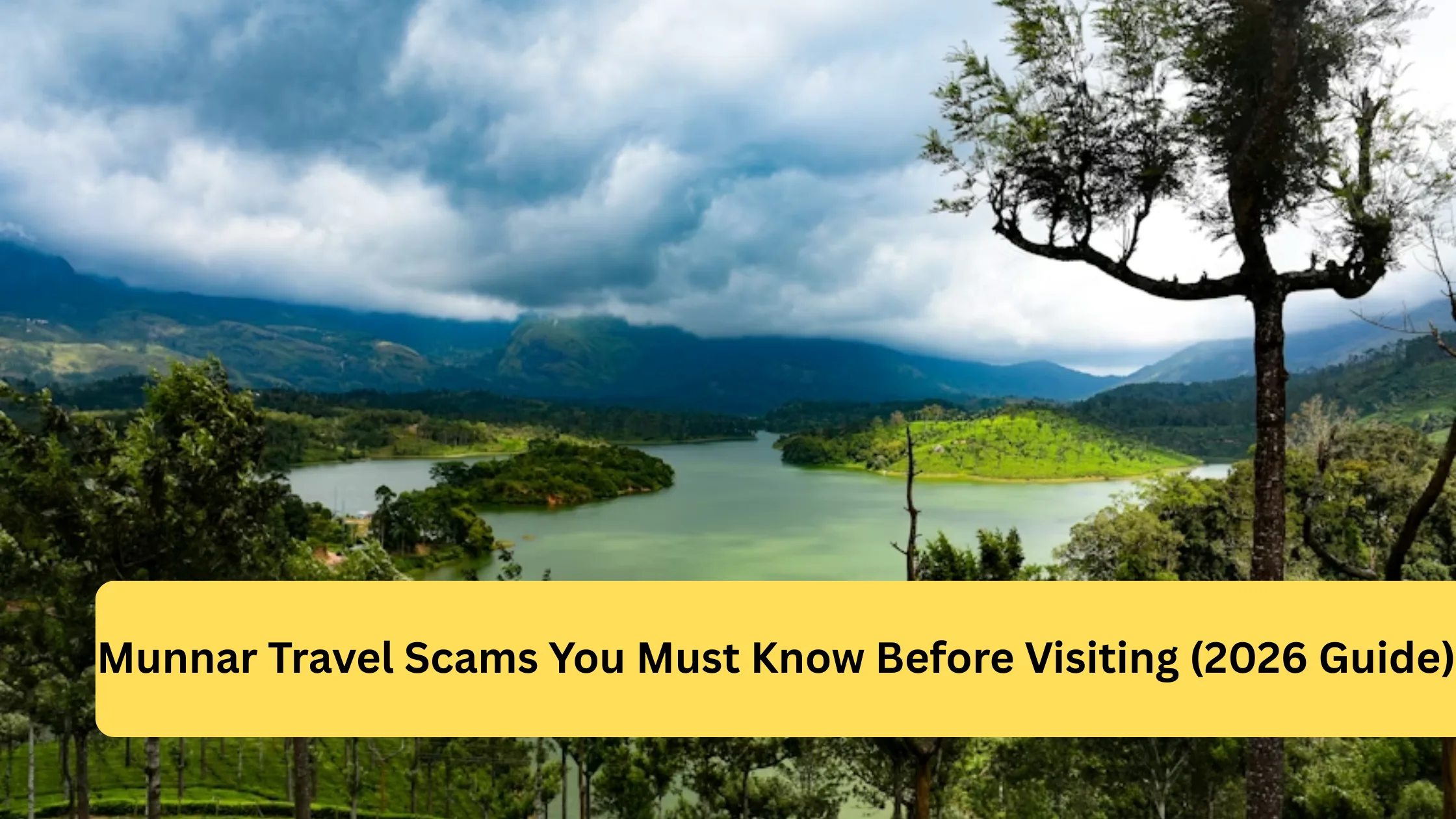
Imagine this: You’ve just gotten off the bus in Munnar, and the refreshing mist from the Western Ghats welcomes you. You can immediately picture hazy sunrises and clean mountain air as tea estates spread out like green carpets. That ideal, however, is dashed in a matter of hours when a nice driver tells you that the hotel you had reserved is “closed” and directs you to his cousin’s expensive resort. Even worse, after paying for a “luxury” spice garden tour, you discover that it’s just a five-minute walk and a hard push for phony ayurvedic products.
Munnar remains one of Kerala’s crown jewels, but in 2026, savvy travelers know the difference between a memorable trip and a costly nightmare. This isn’t fear-mongering—it’s the reality backed by recent traveler reports, Kerala Tourism advisories, and on-the-ground stories. With over 1 in 4 Indians falling victim to travel scams (per McAfee’s 2025 India Safer Summer Travel Research), Munnar’s popularity makes it a prime target.
In this no-nonsense 2026 guide, we’ll break down the most common Munnar travel scams, share real examples, and arm you with practical tips so you can focus on what matters: soaking in those breathtaking views without emptying your wallet. Let’s dive in.
Why Munnar Still Deserves Your Visit—With Eyes Wide Open
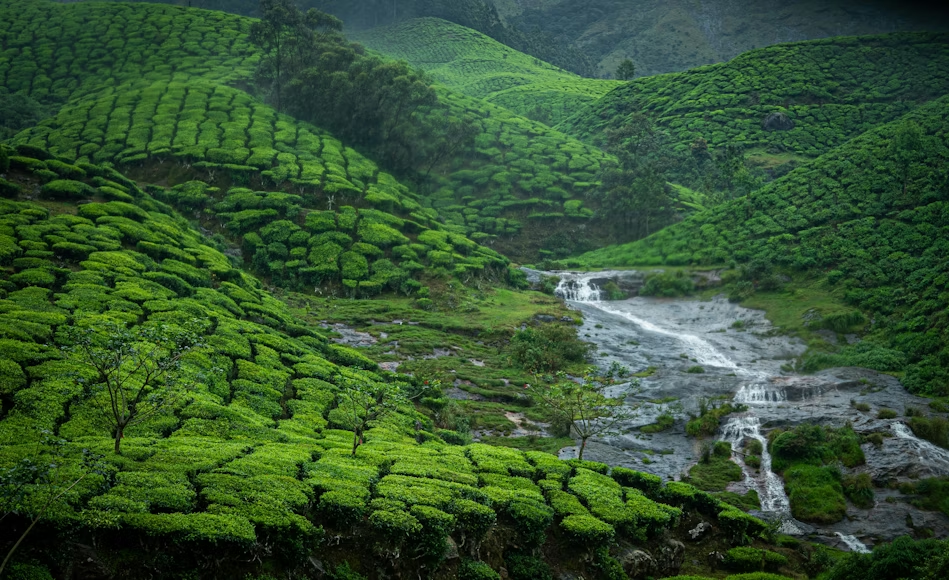
Munnar isn’t just another hill station. Its rolling tea estates, Eravikulam National Park home to the endangered Nilgiri tahr, and cool climate (perfect year-round but magical in post-monsoon months) draw lakhs of visitors annually. Honeymooners, families, and solo adventurers flock here for trekking, boating at Mattupetty Dam, and those iconic sunrise jeep rides.
Yet, as Kerala’s tourism booms, so do opportunistic scams. Kerala Travel Mart Society and Kerala Tourism issued fresh warnings in late 2025 about surging online frauds and on-ground rackets targeting Munnar-bound tourists. The good news? Most scams are predictable, avoidable, and don’t involve violence—just clever psychology and local networks.
Knowing them turns you from an easy mark into a confident explorer.
Scam #1: Taxi and Transport Traps – The Notorious “Mafia” Routine
You arrive at Munnar bus stand or airport transfer point. Suddenly, drivers swarm you. Pre-booked cabs? They claim the vehicle “broke down.” Your Uber or Ola? “Not allowed here, saar—union rules.”
This is the classic Munnar taxi scam. Unionized drivers (often called the “taxi mafia” in local reports) overcharge by 2-3x, refuse meters, and force detours to commission shops. In October 2025, a viral incident near KSRTC bus stand saw tourists harassed and drivers arrested for aggressive behavior. Reddit threads and TripAdvisor reviews echo the same: drivers lock in high fares or threaten to strand you if you complain.
How it plays out in 2026:
- They say your hotel is full/closed/flooded.
- They demand ₹2,500+ for a short hop that should cost ₹800-1,200.
- Private cars get blocked or intimidated on narrow roads.
Avoid it: Pre-book trusted taxis via official Kerala Tourism apps or apps like Kerala Kabs. Use Google Maps for exact fares. Insist on seeing the driver’s ID and vehicle registration before boarding. If hassled, head straight to the tourist police kiosk (they have a dedicated unit in Munnar now).
Scam #2: Online Hotel Booking Frauds – The QR Code Trap
You book a cozy resort on a trusted platform months ahead. Two days before arrival, you get a WhatsApp from “hotel staff” with a fake ID card: “Sir, your booking is confirmed, but due to system glitch, please reconfirm payment via this QR code.”
Boom—Kerala Travel Mart Society flagged a surge in exactly these scams across Munnar, Kochi, and Kumarakom in November 2025. Scammers clone Google Business pages, change phone numbers, and demand “advance top-ups” or “upgrade fees.” Once paid, poof—they vanish, and the real hotel has no record of your booking.
McAfee’s research shows younger travelers (25-34) are hit hardest by these digital tricks.
Pro tip for 2026: Always verify by calling the hotel’s official landline from their verified website (not the number they send you). Ignore any unsolicited payment links. Book directly on hotel sites for the best rates and protection.
Scam #3: Spice Garden and Shopping Commission Rackets
Your driver smiles and says, “Free stop at authentic spice garden, madam—must-see for photos!” You end up at places like Ayur Valley or Indian Spices Herbal Garden. Entry feels cheap (₹100), but the “30-minute guided tour” lasts five minutes before the hard sell begins: overpriced cardamom, fake saffron, or “miracle” ayurvedic oils at 5-10x market rates.
TripAdvisor and Reddit are flooded with identical complaints. Drivers earn fat commissions—sometimes 50%—so they pressure you hard. One traveler in 2025 described being “held hostage” for 90 minutes until they bought something.
Real example: A group on Reddit shared how their Munnar driver refused to leave until they purchased ₹5,000 worth of “premium” tea that tasted like supermarket dust.
Skip it: Buy spices from government-run outlets like the Spice Board shop in Munnar town or supermarkets. If a garden looks legit, go independently—never via driver.
Scam #4: Bogus Tour Packages and Fake Guides
“Sir, full-day sightseeing package only ₹1,999 per person—including jeep safari!” Sounds amazing until the “jeep safari” is a bumpy ride on public roads or, worse, an unregulated off-road thrill that was officially restricted in Idukki district in mid-2025 due to safety issues.
Fake tour operators (often posing as “Munnar Info” or similar) promise luxury but deliver cramped vans and hidden fees. Guides demand tips mid-tour or steer you to more commission shops.
2026 update: The district collector banned unregulated off-road MUV safaris for safety. Stick to licensed operators listed on the official Kerala Tourism website.
Scam #5: Other Sneaky Traps to Watch
- Fake “closed” attractions: Drivers claim Eravikulam Park or Tea Museum is shut, then pivot to paid alternatives.
- Gem and jewelry upsells: Less common in Munnar than Rajasthan but still pops up in some tea estate shops.
- ATM or card skimming: Rare but happens at isolated machines—use hotel ATMs or apps like PhonePe.
Pickpocketing spikes during peak season (December-March).
Real Traveler Stories That Hit Home
Take Priya from Bangalore (shared anonymously on Reddit, 2025): “We lost ₹18,000 on a fake package. The ‘luxury resort’ was a dingy homestay, and the driver vanished.” Or the Mumbai couple whose taxi ride turned into a three-hour detour with mandatory shopping stops.
These aren’t isolated. Kerala’s own tourism bodies acknowledge the issue and are pushing stricter enforcement.
Expert-Backed Tips: How to Enjoy Munnar Scam-Free in 2026
Here’s your quick, actionable checklist (perfect for saving or screenshotting):
- Book transport and stays only through verified channels – Kerala Tourism portal, official apps, or big platforms with cancellation protection.
- Never pay via QR codes or links from strangers – Call the hotel directly.
- Research drivers – Use apps with ratings; share live location with family.
- Avoid unsolicited “free” stops – Politely say no.
- Carry printed confirmations – Digital can be faked.
- Download offline maps and translation apps – Hindi/Malayalam basics help.
- Contact tourist police immediately if pressured – Dial 100 or visit the Munnar station.
- Travel in a group when possible, especially evenings.
Local experts at KTMS recommend treating every unsolicited offer as a potential red flag.
What to Do If You’ve Already Been Scammed
Report it fast. File an online complaint on the Kerala Police portal or national consumer helpline (1915). Keep screenshots, payment proofs, and vehicle numbers. Many victims recover money through quick police intervention, especially with taxi unions under scrutiny.
Your Dream Munnar Trip Awaits—Safely
Munnar in 2026 is still magical: watch the sunrise over tea estates, trek to Anamudi Peak, and sip fresh chai while elephants roam nearby. The scams? They’re real, but they’re also entirely avoidable when you go prepared.
Pack your sense of adventure, this guide, and a healthy dose of skepticism. You’ll return with stories of misty mornings and warm locals—not regret.
Safe travels. Drop your own Munnar tips or questions in the comments below. And if you’re planning your trip, check Kerala Tourism’s official site for the latest updates.
Read Also: Local Transport in Munnar: Taxi Fares, Bus Routes, Scooter/Bike Rental & Costs (2026)
Sunil Singh is a dedicated travel content writer and the founder of MunnarTeaGardens.in. He specializes in creating comprehensive, user-friendly guides on Munnar’s tea gardens, hill stations, and Kerala tourism. Drawing from the latest tourism trends, official sources, and visitor experiences, Sunil helps thousands of travelers plan safe and rewarding trips every year.