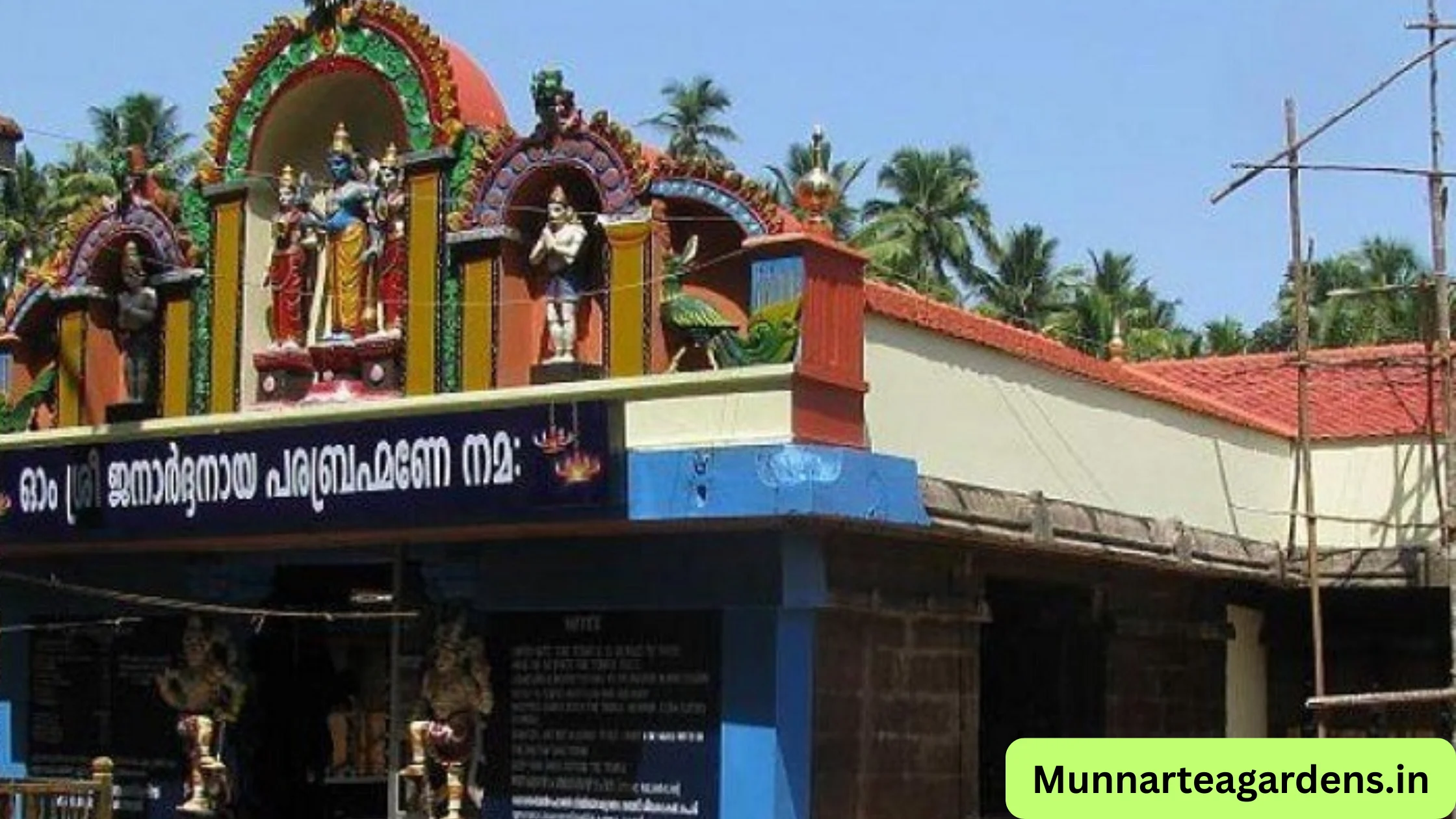
Most people visit Varkala for the beach. The tall red cliffs. The blue sea. The coconut trees swaying in the wind. But there is something even more special in Varkala. Something that has been there for thousands of years — long before tourists came with cameras and surfboards.
It is the Janardhana Swamy Temple.
This temple is not just a place to pray. It is a place where history, stories, and faith all come together in one spot. People come here from all over India. Some come to pray. Some come to ask for blessings. And some come because they want to do something very important — remember their ancestors and say thank you to them.
In this guide, we will tell you everything about this temple. What it is, why it is special, how to get there, when to go, what to wear, what to eat nearby, and much more.
Whether you are planning a trip in 2026 or just curious about this wonderful place — this guide is for you.
History and Significance — A Temple That Is 2,000 Years Old
Imagine something that is two thousand years old. That is older than your great-great-great-great (and many more greats) grandparents. That is how old the Janardhana Swamy Temple is believed to be.
This temple is dedicated to Lord Janardhana, which is another name for Lord Vishnu. Vishnu is one of the most important gods in Hinduism. He is known as the protector of the world.
The Story of the Temple
There is a beautiful legend about this temple. Long, long ago, a wise man was doing deep meditation near the sea at Varkala. Lord Vishnu was very happy with his devotion. So, the god himself appeared and told him to build a temple right there.
The idol of Lord Janardhana inside this temple is believed to be swayambhu — which means it appeared on its own, by divine power. Nobody carved it. Nobody placed it there. It just appeared. That is why this temple is considered extra special and sacred.
Why Is This Temple So Famous?
This temple is listed as one of the 108 Divya Desams. These are 108 special Vishnu temples across India and Sri Lanka that were praised in ancient Tamil devotional songs. Being on this list makes Janardhana Swamy Temple one of the most respected Vishnu temples in the whole country.
People also come here for another very important reason — to pray for their ancestors. There is a belief that if you perform a special prayer here called Pitru Tarpan, your ancestors’ souls will find peace. That is why you will see many families arriving with flower garlands and offerings, especially on certain holy days.
Architecture and Highlights — What Makes This Temple Beautiful
When you walk towards the temple, the first thing you will notice is how calm and peaceful it feels. The temple has a very traditional Kerala look.
Kerala-Style Architecture
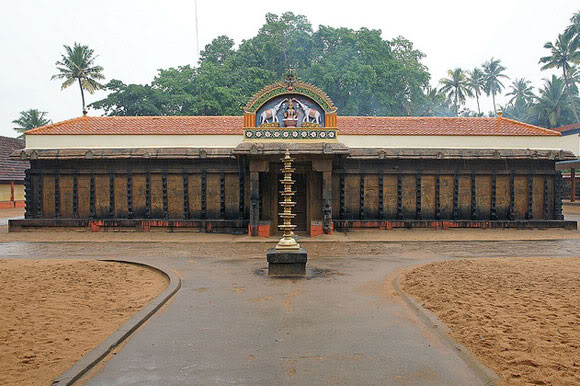
The temple is built in the Kerala-Dravidian style. This means it has a tall tower (called a Gopuram) at the entrance decorated with carvings and colors. The walls are made of old stone and wood. The roofs are sloping and covered with copper sheets that shine in the sun.
Everything about the design feels ancient and grand — like stepping back in time.
The Lamp That Never Goes Out
Inside the temple, there is something truly magical — a sacred oil lamp that has been burning non-stop for over 700 years. Can you believe that? Century after century, someone has kept that lamp alive. It is one of the most amazing things to see inside the temple.
This lamp is called the Vilakku. It burns quietly in the dim temple hall, and when you see it, you feel something very peaceful inside.
The Sub-Shrines
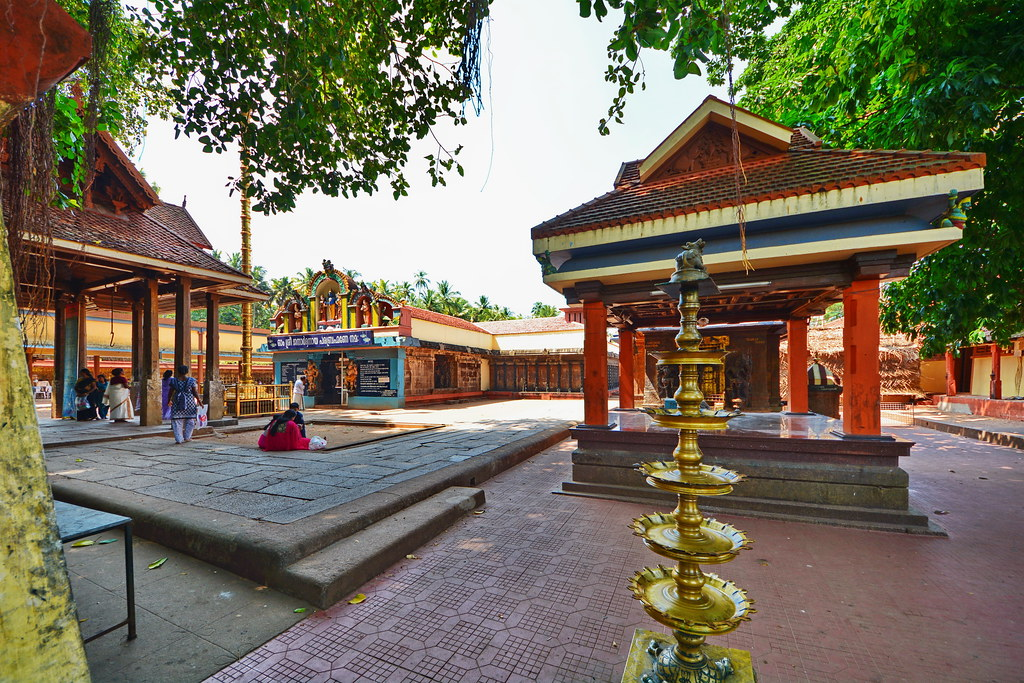
Inside the main temple complex, there are also smaller shrines. You can find shrines for:
- Lord Ganesha (the elephant god, remover of obstacles)
- Lord Hanuman (the monkey god, symbol of strength and devotion)
- Goddess Lakshmi (goddess of wealth and happiness)
Devotees usually visit all the shrines before leaving.
The Sacred Tank
Right near the temple is a holy water tank called the Kulam. Pilgrims believe that bathing in this water before entering the temple helps cleanse the body and mind. The water is calm and cool, surrounded by old stone steps.
Religious Importance and Festivals — When the Temple Comes Alive
The temple is open every day. But there are some days when it becomes extra magical — during festivals.
Daily Puja Timings
Every day, the priests perform special prayers called pujas. These happen at different times of the day. During each puja, the idol is decorated with fresh flowers, lit lamps are waved in front of it, and devotional music is played. The smell of incense fills the air. It feels very divine.
Major Festivals to Know
Here are the biggest celebrations at the temple:
1. Vaikunta Ekadasi This is one of the most important days for Vishnu devotees. It usually falls in December or January. Thousands of people come to the temple on this day. There is a special gate inside called the Vaikunta Dwaram (Gate of Heaven) that is opened only on this day. Passing through it is considered very auspicious.
2. Arattu Festival This is a grand procession where the idol of Lord Janardhana is taken out of the temple in a decorated palanquin. The streets are filled with elephants, music, drums, and thousands of devotees walking together. It is truly a feast for the eyes.
3. Mandalam This is a 41-day festival period that falls between November and January. Devotees often fast, pray, and follow special rituals during this time.
4. Temple Anniversary The temple celebrates its annual festival with great joy. There are special decorations, rituals, dances, and cultural performances.
Pitru Tarpan — Praying for Ancestors
One of the most unique things about this temple is the tradition of Pitru Tarpan. This is a special prayer that Hindu families perform for their ancestors who have passed away.
People believe that performing this ritual here — so close to the sacred beach and the sea — helps the souls of their ancestors rest in peace and attain salvation. Many families plan their trip to Varkala specifically for this reason.
Visitor Guide 2026 — Practical Information
Okay. Now let us talk about the practical stuff. If you are planning to visit in 2026, here is what you need to know.
Temple Timings
The temple is open in two sessions every day:
- Morning: Around 6:30 AM to 12:00 PM (noon)
- Evening: Around 5:00 PM to 8:00 PM
Please check the exact timings before you visit, as they can change slightly during festivals.
Dress Code — What to Wear
This is a traditional Hindu temple, so there are rules about clothing. Please follow them — it is a sign of respect.
- Men should wear a dhoti or lungi (a cloth wrapped around the waist). Remove your shirt before entering the main sanctum.
- Women should wear a saree or churidar with a dupatta (scarf). Avoid shorts, skirts, or sleeveless tops.
- Everyone must remove their footwear before entering.
Do not worry if you do not have the right clothes. You can usually rent or borrow a dhoti near the temple entrance.
Photography Rules
Photography inside the main sanctum hall is generally not allowed. Please respect this rule. You can take photos outside in the courtyard.
Prasad — The Holy Food Offering
After the puja, the priests give out prasad — a small portion of food or sweets that has been offered to God. Accept it with both hands as a sign of respect. Common prasad here includes coconut pieces, bananas, and sweet pongal.
You can also buy special offerings at the temple counter if you want to make a donation or book a personal puja.
Best Time to Visit in 2026
The best time to visit Varkala and the Janardhana Swamy Temple is between October and February. During these months:
- The weather is cool and pleasant (not too hot)
- Major festivals happen in this period
- The sea is calm and beautiful
Avoid visiting in the rainy season (June to September) as it can be very wet and some areas may flood.
How to Reach Varkala Temple — Getting There is Easy
Good news — Varkala is very well connected. Getting there is quite simple.
By Train
The easiest and most popular way is by train. The Varkala Sivagiri Railway Station is just a short walk (about 1 km) from the temple. Many trains from Thiruvananthapuram, Kollam, Kochi, and other Kerala cities stop here.
From Thiruvananthapuram (Trivandrum): about 1 hour by train. From Kollam: about 35–40 minutes by train.
By Road
If you prefer to come by bus or car:
- From Thiruvananthapuram: About 50–55 km. It takes roughly 1 to 1.5 hours by road.
- From Kollam: About 37 km. Around 45–60 minutes by road.
- KSRTC buses (Kerala State Road Transport) run regularly from both cities. Ask for Varkala bus stop.
- Local auto-rickshaws are available from the bus stand to the temple.
Parking
If you come by car or bike, parking is available near the temple area. Try to arrive early in the morning to get a good spot, especially on festival days.
Nearby Attractions — Don’t Just Visit the Temple
While you are in Varkala, there are so many other amazing things to see. Here are the top ones:
Papanasam Beach
This beach is just a few steps away from the temple — and it is no ordinary beach. The name Papanasam means “destroyer of sins.” People believe that bathing in the sea here washes away all your sins. That is why you will see pilgrims taking a dip in the sea before going to the temple. The beach is rocky and beautiful, and the waves are strong and powerful.
Varkala Cliff
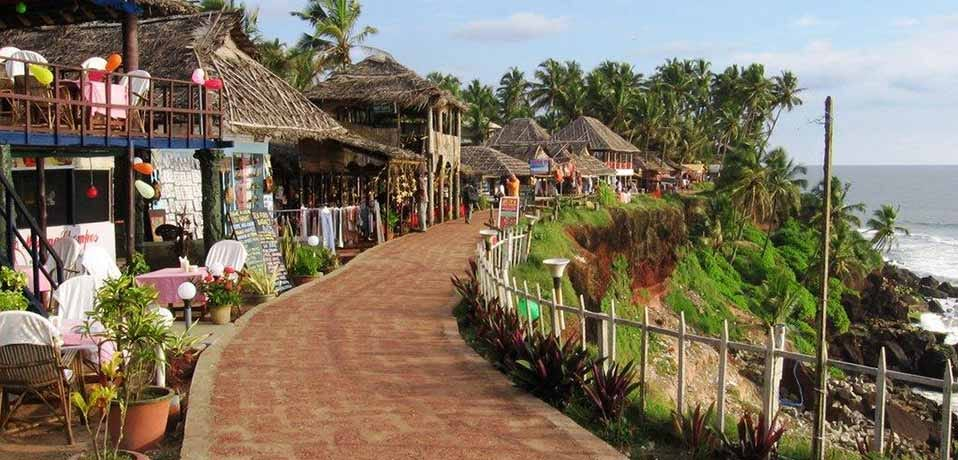
The Varkala Cliff is one of the most famous sights in all of Kerala. Imagine a long, tall red cliff with the blue sea crashing below it. On top of the cliff, there are little shops, cafes, and restaurants. Tourists from all over the world sit here and watch the sunset. It is absolutely stunning.
Janardhanapuram Lighthouse
Near the beach, there is a lighthouse — a tall tower with a big light at the top that guides ships at sea. You can visit it and get a great view of the coastline from the top.
Sivagiri Mutt
Just a few kilometers from the temple is the Sivagiri Mutt — the ashram of Sree Narayana Guru, one of Kerala’s greatest saints and social reformers. It is a peaceful place and worth a visit, especially if you are interested in Kerala’s history and culture.
Kappil Lake and Anjengo Fort
If you have more time, you can take a short trip to Kappil Lake — a serene backwater lake where you can enjoy a boat ride. Nearby is the old Anjengo Fort, built by the British East India Company. History lovers will enjoy this a lot.
Where to Stay — Finding a Good Place to Sleep
Varkala has many good places to stay for every budget.
Budget-Friendly Stays (Near the Temple)
If you want to be close to the temple, stay in Varkala town. There are many small guesthouses and lodges here. They are simple, clean, and affordable. A room usually costs between ₹500 to ₹1,500 per night. Great for pilgrims and backpackers.
Mid-Range Hotels (On the Cliff)
If you want a nicer stay with a view, choose a hotel or guesthouse on the Varkala Cliff. You get to see the sea from your window. Prices range from ₹1,500 to ₹4,000 per night.
Luxury Resorts and Ayurvedic Retreats
Varkala is famous for Ayurveda — the ancient Indian system of natural healing using herbs and oils. Many luxury resorts offer special Ayurvedic packages with massages, healthy food, and yoga. If you want to mix a temple visit with relaxation and wellness, this is perfect. Prices can go from ₹5,000 to ₹15,000 per night.
Tip: Temple vs. Beach — Which Side to Stay?
- Staying near the temple (Varkala town side) is better for pilgrims. It is quieter and more peaceful.
- Staying on the Cliff is better if you want a fun beach holiday mixed with the temple visit.
Where to Eat — Yummy Food
You will definitely get hungry after all that walking and praying. Here is where you can eat:
Near the Temple — Simple and Sattvic
Near the temple, you will find small eateries that serve sattvic food — simple, vegetarian, and made without onion or garlic. This is considered spiritually pure food. You can get:
- Idli and sambar
- Pongal (sweet rice)
- Rice and dal
- Kerala banana chips
These places are very affordable and the food is home-cooked and tasty.
On the Cliff — A Whole Different World.
The Cliff area has many cafes and restaurants serving both Indian and international food. You can enjoy:
- Kerala fish curry with rice — a must-try
- Fresh seafood (grilled fish, prawns)
- Continental breakfast (eggs, toast, coffee)
- Fresh coconut water and fruit smoothies
The cafes on the cliff edge have the most beautiful views while you eat. Watch the waves crash below while you sip your coffee.
Local Tea Shops
For a quick, cheap snack, try any of the small chai shops in Varkala town. A cup of strong Kerala chai (tea) with a banana or biscuit will cost you just ₹10–₹20. Perfect for mornings before the temple.
Travel Tips and Practical Info for 2026
Here is a quick list of helpful tips to make your trip smooth and enjoyable:
Best Months to Visit
- For nice weather: November to February
- For festivals: December to January (Vaikunta Ekadasi, Arattu)
- For fewer crowds: March to May (but it will be hot)
Budget for Your Trip
Here is a rough idea of what a 1-2 day trip might cost:
| Item | Approx. Cost (₹) |
|---|---|
| Train ticket (from Trivandrum) | ₹30–₹100 |
| Budget guesthouse (per night) | ₹500–₹1,500 |
| Meals (per day) | ₹200–₹500 |
| Temple offerings (optional) | ₹50–₹500 |
| Local auto/transport | ₹100–₹200 |
| Total (2 days approx.) | ₹1,500–₹4,000 |
What to Carry
- Light, modest clothing (follow the dress code)
- Extra cash (many small shops don’t accept cards)
- Water bottle
- Sunscreen and hat (for beach visits)
- A small bag for your shoes (you’ll remove them at the temple)
Dos and Don’ts Inside the Temple
✅ Do:
- Dress modestly
- Remove shoes before entering
- Speak softly and be respectful
- Follow the queue patiently
- Accept prasad with both hands
❌ Don’t:
- Take photos inside the sanctum
- Make loud noise or talk on the phone
- Enter if you are not in proper attire
- Bring non-vegetarian food inside the premises
- Rush or push in the crowd
For Elderly Visitors
The temple ground is mostly flat and easy to walk through. However, the steps near the beach and cliff can be steep. If you are bringing elderly family members, take it slow and hold their hand on the steps. Many temples also have helpful volunteers — don’t hesitate to ask for assistance.
Read Also: Affordable Honeymoon Places in Kerala 2026: Complete Guide for Indian Couples on a Budget
(FAQs) – Janardhana Swamy Temple, Varkala
1. What is Janardhana Swamy Temple famous for?
It is one of the 108 Divya Desams and is especially known for Pitru Tarpan, the swayambhu idol of Lord Vishnu, and the lamp that has been burning for over 700 years.
2. How old is this temple?
It is traditionally believed to be more than 2,000 years old.
3. What are the temple timings?
Morning: 5:30 AM – 12:00 PM | Evening: 5:00 PM – 8:00 PM (timings may change during festivals).
4. Is there any entry fee?
No, entry is completely free.
5. What is the dress code?
Men: Dhoti (shirtless inside sanctum). Women: Saree or churidar with dupatta. No western clothes.
6. Are photos allowed inside the temple?
Photography is not allowed inside the main sanctum. Outer areas are fine.
7. What is special about Pitru Tarpan here?
It is considered very powerful for performing rituals for departed ancestors, especially during Karkidaka Vavu.
8. What is the best time to visit?
October to March is the best season. Visit early morning or evening for a peaceful experience.
9. What prasad is available?
Coconut, banana, pongal, and simple temple lunch (sambar rice) are available.
10. How far is the temple from Varkala Beach?
Just 5–10 minutes walking distance from Papanasam Beach.
11. Can I combine temple visit with beach holiday?
Yes, it’s very convenient. You can visit the temple in the morning and enjoy the beach in the evening.
12. Is there any special custom?
Many devotees take a sea bath before entering the temple for darshan.
Conclusion — Plan Your Visit to This Amazing Temple
The Janardhana Swamy Temple in Varkala is truly one of a kind.
Where else can you find a temple that is 2,000 years old, sitting right next to a beautiful beach, with a lamp that has been burning for 700 years? Where else can you feel so peaceful, surrounded by the sound of waves and temple bells at the same time?
Whether you are a devoted pilgrim, a curious traveler, or just someone looking for a unique experience in Kerala — this temple will stay in your heart forever.
So pack your bags, dress in a simple kurta, and get ready to visit one of India’s most sacred and beautiful places. Take a holy dip at Papanasam Beach, offer a prayer to Lord Janardhana, light a lamp, eat some Kerala food, and watch the sunset from the Varkala Cliff.
Have you visited the Janardhana Swamy Temple? Share your experience in the comments below. And if this guide helped you, share it with your family and friends who love to travel.
Sunil Singh is a dedicated travel content writer and the founder of MunnarTeaGardens.in. He specializes in creating comprehensive, user-friendly guides on Munnar’s tea gardens, hill stations, and Kerala tourism. Drawing from the latest tourism trends, official sources, and visitor experiences, Sunil helps thousands of travelers plan safe and rewarding trips every year.