
Munnar has a reputation for expensive stays — luxury plantation bungalows, heritage estates, hillside resorts charging ₹8,000 and above. That reputation is earned but incomplete. There is a genuine budget tier in Munnar’s tea garden accommodation, and it is larger and better than most travel content suggests.
The challenge is not finding cheap stays — it is finding cheap stays that actually sit near tea gardens rather than in Munnar town disguised as “plantation adjacent.” This guide covers the difference, the real price ranges, and how to book well.
The Honest Price Reality for Tea Garden Stays in 2026
Before anything else, a realistic framework:
True budget (₹1,000 – ₹2,500/night): Family-run homestays and small guesthouses inside or directly adjacent to working tea plantations. Basic rooms, usually hot water, sometimes meals on request. The view is real because the location is real.
Mid-budget (₹2,500 – ₹5,000/night): Small resort properties on the edges of plantation areas. Better-finished rooms, more reliable amenities, often includes breakfast. Some have garden or valley views; others have a tea bush in the car park and call it a plantation stay.
“Cheap” but misleading (₹1,500 – ₹3,000/night in Munnar town): Budget hotels in or near Munnar’s town centre. Clean and functional, but the tea gardens are a 20-minute drive away. These are fine if you are using Munnar as a base for day trips — not if the plantation experience is what you came for.
The key question when evaluating any budget property is: is the map pin inside a tea estate area, or inside Munnar town? This single question eliminates most disappointments.
Areas With the Best Value Tea Garden Stays
Chithirapuram (Best Overall Value)
Chithirapuram sits 8–10 kilometres from Munnar town inside the KDHP (Kannan Devan Hills Plantations) estate belt. The homes and guesthouses here are surrounded by working tea gardens, not separated from them by a road and a fence.
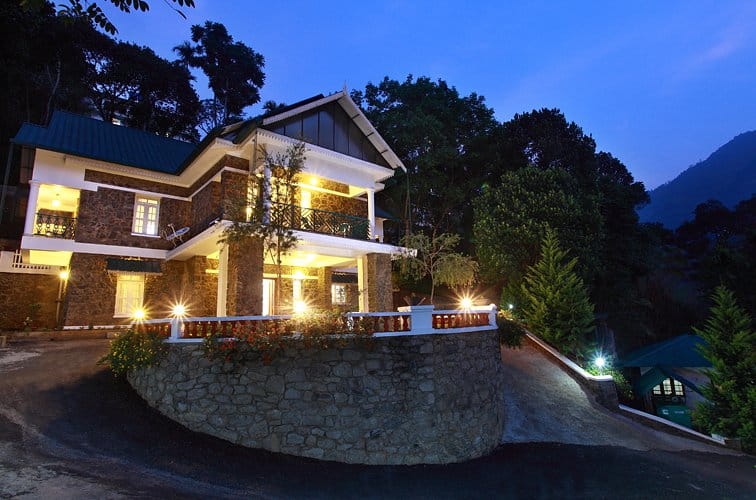
Rates here run ₹1,200–₹2,800 per night depending on season. In the off-season (June–September), ₹900–₹1,500 is achievable. The trade-off is convenience — you will need an auto or your own vehicle to reach Munnar town’s restaurants and shops (about 20 minutes).
What you get at this price: a genuine plantation setting, cool nights, mist on the garden at dawn, and usually a host who knows the local estate trails better than any tour guide.
Anachal (Best for Families and Easy Access)
On the Kochi–Munnar highway, Anachal is where the tea gardens begin in earnest. Properties here sit at slightly lower elevation than Munnar town, which means marginally warmer temperatures — still cool, but without the deep cold of the upper ranges in winter.
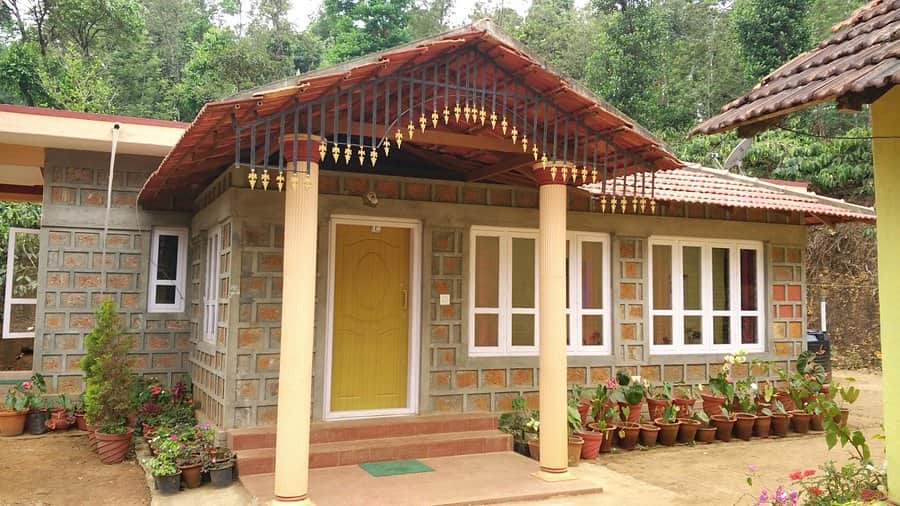
Budget properties in Anachal (₹1,200–₹2,500) tend to be better road-connected than Chithirapuram options, with autos and local transport available. The plantation views are wide rather than intimate — you are looking across the valley gardens rather than sitting inside them.
Good for families with young children or travellers who want tea garden surroundings without very steep access roads.
Devikulam Road (Best Views Per Rupee)
The stretch of road between Munnar and Devikulam (about 5–12 kilometres from town) passes through one of the most visually open parts of the plantation belt. Valley views here are wide, and several small guesthouses and homestays sit directly on the edge of the tea fields.
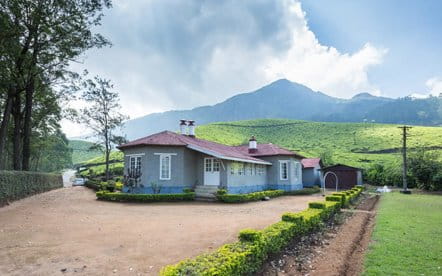
This area offers some of the most photographically striking settings at budget prices — particularly for sunrise, when morning light crosses the valley from the east and lights up the tea rows in sequence.
Rates: ₹1,000–₹2,200 in off-season, ₹1,800–₹3,200 in peak season.
How to Actually Find Good Budget Stays
Most of the best budget tea estate stays in Munnar are not heavily marketed. They fill up through word of mouth, Google searches, and direct bookings — which means they are findable if you know how to look.
Google Maps search method: Open Google Maps, search “Munnar tea gardens,” zoom in to Chithirapuram or the Devikulam road area, and look for guesthouses and homestays pinned inside the green plantation zones. Click each one, read the reviews, and contact the ones with consistent ratings of 4.0 and above.
Booking.com filter method: Search “Munnar” on Booking.com, filter by “Bed and Breakfast” and “Guesthouse” property types, sort by guest rating, and check the map view. Anything pinned on the Mattupetty road, the Devikulam road, or north of Munnar town (toward Chithirapuram) is in genuine plantation territory.
Airbnb map method: Search “Munnar” on Airbnb, switch to map view, and zoom in to the areas north and east of the town centre. Hosts who list stays in Chithirapuram and Pallivasal tend to write detailed location descriptions because they know the access roads require explanation — this is actually a useful quality filter.
What “Tea Garden View” Actually Means (And When It Doesn’t)
This is the most important thing to verify before booking any cheap tea garden resort.
Genuine plantation view: The map pin is inside a working estate area. Reviews mention walking in the gardens, mist over the bushes, and hearing estate workers in the morning. Photos show the garden beginning at or immediately behind the property.
Claimed plantation view: The map pin is in Munnar town or on the main highway. Photos show a hill visible from a rooftop terrace. The words “tea garden view” appear in the listing but no review mentions actually being inside a plantation.
Three ways to verify before booking:
- Check the map pin location against Google Earth’s satellite view — you can see the tea garden rows clearly
- Ask the host directly: “Can we walk into the tea garden from the property, or is it a view from a distance?”
- Read the most recent reviews specifically for any mention of the setting, not just the room
Budget Resorts vs Budget Homestays: Which Is Better?
Both have a place depending on what you want from the stay.
Budget homestays (₹1,000–₹2,500): Family-run, usually 2–5 rooms, located in residential plantation areas. The settings are more authentic, the food is better (home-cooked Kerala meals at ₹150–₹300 per meal if requested), and the hosts often have local knowledge that no resort can replicate. The rooms are basic.
Budget resorts (₹2,500–₹4,500): Small properties with more standardised facilities — consistent hot water, better-finished bathrooms, sometimes a small restaurant. More predictable than a homestay, but the setting is often less intimate and the food is usually hotel-standard rather than home-cooked.
For pure plantation experience and value per rupee: homestay wins. For reliability and consistency: small resort wins. Most first-time visitors to Munnar who care about the setting lean toward homestays once they understand the difference.
Things Worth Paying a Little More For
At budget price points, a few upgrades are worth the extra ₹300–₹500 per night:
Geyser hot water instead of bucket hot water. Munnar mornings in November–February are cold enough (8–14°C) that a bucket of hot water in a freezing bathroom is an unpleasant experience. Confirm whether the property has an electric geyser before booking.
A covered balcony or sit-out area. If the point of the stay is the view and the setting, having a place to sit outside in the morning is worth something. Many budget rooms have windows but no outdoor space.
A property with meals available. In plantation areas, the nearest restaurant is often 15–20 minutes away. A homestay that will cook dinner for ₹200 per person saves you the trip and usually produces better food.
Season-by-Season Pricing Guide
| Season | What to Expect |
|---|---|
| June–September (Monsoon) | Lowest prices (₹900–₹1,800). Fewer tourists, very green gardens, some roads slippery. Genuinely beautiful if you don’t mind rain. |
| October–November | Mid-prices (₹1,400–₹2,500). Post-monsoon clarity, excellent views, comfortable temperatures. One of the best times to visit. |
| December–February | Peak prices (₹2,200–₹4,000+). Cold nights, clear mornings, high occupancy. Book 2–3 weeks ahead. |
| March–May | Rising prices in April (school holidays). Temperatures warmer than winter but still pleasant. Neelakurinji flowers bloom on cycle years. |
Important Checks Before You Book
- Road access: Some plantation properties involve steep, narrow tracks. If you are arriving by taxi rather than your own vehicle, confirm the driver is familiar with the route.
- Cellular signal: Several plantation areas in Munnar have poor signal — BSNL often works where other operators do not. Download offline maps before you leave Munnar town.
- Power outages: Munnar experiences occasional power cuts, particularly in peak season. Properties with inverter backup are worth noting in reviews.
- Check-in time: Some family homestays have specific check-in windows because they have day jobs alongside the guesthouse. Confirm arrival time in advance.
Frequently Asked Questions
Q: What is the cheapest time to find tea garden accommodation in Munnar?
June to September (monsoon) offers the lowest rates — often 30–40% below peak season prices. The gardens look their most vivid green during this period.
Q: Are cheap tea garden resorts safe for solo travellers?
Yes. Family-run homestays in Munnar’s plantation areas are consistently rated safe by solo travellers, including solo women. Choose properties with multiple recent reviews.
Q: Can I find budget tea garden stays on short notice?
In off-season, yes — walk-in availability is common. In December and January, the best budget properties fill up 2–3 weeks ahead. Book early for peak season.
Q: Is it cheaper to book directly with the property or through a booking platform?
For stays of 3+ nights, contacting the property directly (via the phone number on their Booking.com or Google listing) often yields a 10–15% discount. For single nights, platform prices are usually fine.
Q: What should a budget tea estate stay include as a minimum?
Hot water, a clean bathroom, a bed with warm bedding (essential for Munnar’s cold nights), and a location that is genuinely inside or immediately adjacent to a working tea garden.
Read Also: Tea Estate Stays in Munnar That Include Trekking Packages: Complete Guide (2026)

Sunil Singh is a dedicated travel content writer and the founder of MunnarTeaGardens.in. He specializes in creating comprehensive, user-friendly guides on Munnar’s tea gardens, hill stations, and Kerala tourism. Drawing from the latest tourism trends, official sources, and visitor experiences, Sunil helps thousands of travelers plan safe and rewarding trips every year.