
There’s a particular kind of silence you only find at 1,600 metres above sea level — the kind where the only sounds are wind rustling through tea bushes and the distant call of a Nilgiri flycatcher. If you’ve ever stood in the middle of a Kerala tea estate at dawn, mist still clinging to the hills, you already know why Munnar keeps pulling people back.
But here’s what most travel blogs won’t tell you: simply staying in a tea estate is only half the experience. The real magic happens when you lace up your boots and walk into those hills. And in 2026, more tea estate resorts in Munnar than ever are bundling their stays with guided trekking packages — giving you a front-row seat to one of India’s most dramatic landscapes.
This guide covers everything: the best properties, what the trekking packages actually include, how to choose the right trail for your fitness level, and the insider tips that turn a good trip into a great one.
Why Munnar Is Still India’s Most Rewarding Tea Country
Munnar sits in Kerala’s Idukki district at an elevation ranging from 1,400 to 2,695 metres. The Western Ghats — a UNESCO World Heritage biodiversity hotspot — form its backbone, and over 80,000 acres of tea plantations carpet the slopes in every direction.
What makes this region genuinely special for trekkers isn’t just the scenery. It’s the ecological variety packed into short distances. On a single morning walk from a tea estate, you can move through manicured plantation rows, into shola forests thick with endemic flora, and up to ridge lines where you spot Nilgiri tahr grazing on open grasslands. Very few places in India deliver that kind of biodiversity within a 10-kilometre radius.
The tea estates themselves — many dating back to British colonial operations from the 1880s — add a layer of living history that pure wildlife destinations can’t match. Walking through rows of Camellia sinensis bushes that have been tended for over a century while staying in a bungalow that once housed a British planter? That’s a travel experience with genuine depth.
What to Look for in a Tea Estate Stay + Trekking Package
Before we get to specific properties, let’s talk about what separates a genuinely good package from one that sounds better on paper.
Guided vs. Self-Guided Trekking
Most tea estate stays in Munnar offer guided treks, which is genuinely recommended here — not as a formality, but because local guides navigate the unmarked shola forest paths that don’t appear on Google Maps. They also know which trails are passable after monsoon rains, where the Nilgiri tahr herds are grazing that morning, and which plants are safe to touch (a practical concern given some trails pass through areas with wild bees and nettles).
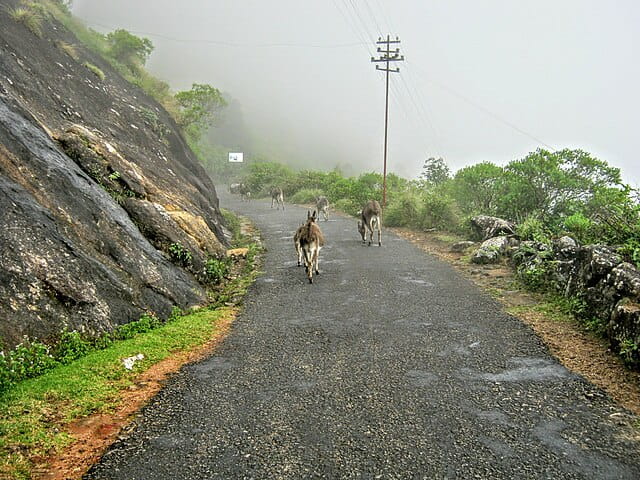
Self-guided options exist on the marked plantation paths and are fine for casual walkers. But if summit trails like Anamudi or Meesapulimala are on your list, always go with a registered guide.
What a Complete Package Should Include
A well-structured tea estate trekking package in 2026 typically covers:
- Accommodation in the estate bungalow or resort (usually 2–3 nights minimum for trekking packages)
- Daily guided treks of varying difficulty (half-day and full-day options)
- Tea factory tour — many estates include a walk-through of their processing facility
- All meals, since most estate stays are fully remote and self-contained
- Porter support for longer summit treks
- Wildlife interpretation by naturalist guides on forest trails
- Entry permits for restricted areas like Eravikulam National Park
Watch out for packages that charge extra for permits or guides after quoting a base price — always ask for an all-inclusive breakdown.
Best Tea Estate Stays in Munnar with Trekking Packages (2026)
1. Windermere Estate
Best for: First-time tea estate visitors who want a balanced experience
Perched at around 1,800 metres in the Pothamedu Valley, Windermere is arguably the most well-known estate stay in Munnar — and for good reason. The colonial-era bungalows have been carefully restored, and the property spans over 100 acres of working tea and coffee plantations.
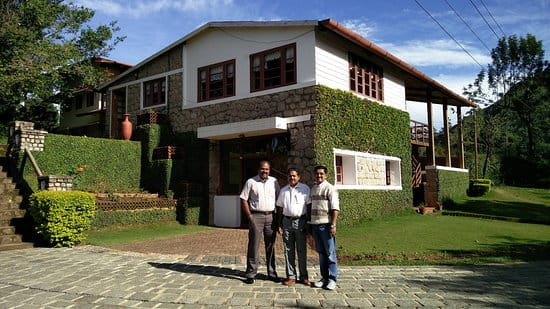
Their trekking packages are structured around three trail types: plantation walks (easy, 2–3 hours), shola forest trails (moderate, 4–5 hours), and full-day summit approaches to Chokramudi Peak at 2,056 metres. Guides here are particularly knowledgeable about endemic bird species — Windermere is a popular base for birdwatchers targeting the Nilgiri laughingthrush and the rare broad-tailed grassbird.
Package highlights: Guided nature walks twice daily, organic garden tour, tea-tasting sessions after treks, plantation breakfast at dawn.
Best season to visit: October through March for clear summit views; April and May for fewer crowds and drier trails.
2. The Tall Trees Munnar
Best for: Families and those wanting a slightly more resort-like environment with trekking access
Situated between Munnar town and Mattupetty, Tall Trees strikes a balance between comfort and accessibility to serious trails. The property borders a forest reserve, which means guests can access shola ecosystem walks directly from the grounds without a long drive to a trailhead.
What sets Tall Trees apart is their naturalist-led interpretation walks — these aren’t just guided treks, they’re educational experiences where guides stop to explain the ecological relationships between the shola-grassland mosaic, explain why the Nilgiri tahr herds move to higher elevations after 10 AM, and identify the orchid species clinging to tree branches overhead.
For families with children, the estate offers shorter circuit treks (1.5–2 hours) specifically designed to be engaging for younger trekkers, with storytelling elements built in.
Package highlights: Naturalist walks, birding at dawn, bonfire evenings with a local guide recounting wildlife sightings, multi-day packages up to 5 nights.
3. Blackberry Hills Retreat
Best for: Serious trekkers targeting Meesapulimala and high-altitude routes
If Meesapulimala — at 2,640 metres, the second-highest peak in the Western Ghats and the highest trekking peak in Kerala — is your goal, Blackberry Hills is the most logical base. The property is positioned in Rajamala, close to the Eravikulam National Park boundary, which cuts down the approach distance to high-altitude trails significantly.
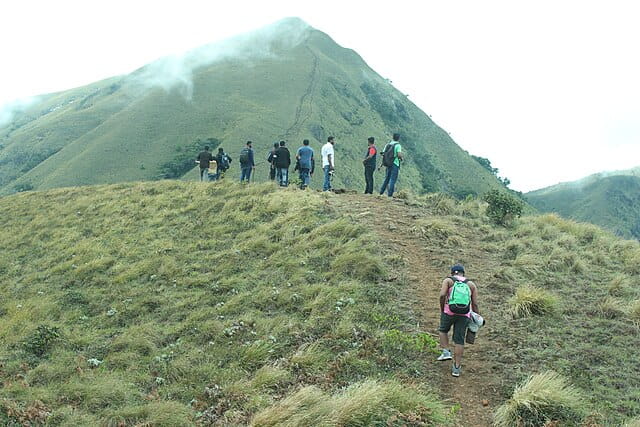
The trekking packages here are designed for people who mean business. Multi-day routes to Meesapulimala (typically done over 2 days with an overnight camp), rhododendron forest trails in bloom during February–March, and grassland hikes through Nilgiri tahr territory are the core offerings. The Meesapulimala summit package typically runs from November to April and requires Forest Department permit coordination — the resort handles this logistics, which is a genuine time-saver.
Practical note: Meesapulimala treks require moderate to high fitness. The trail involves sustained ascent over 14+ kilometres round trip with significant elevation gain. Blackberry Hills’ staff will honestly assess your fitness level before booking — which is the kind of transparency that builds trust.
Package highlights: Meesapulimala summit trek, rhododendron trail in season, high-altitude camping, star-gazing sessions on clear evenings.
4. Spice Village (CGH Earth)
Best for: Eco-conscious travellers wanting deep sustainability credentials alongside trekking
CGH Earth’s Spice Village has been a benchmark for responsible hospitality in Kerala for years. Built in the style of a tribal hamlet with thatched cottages, it sits surrounded by spice and tea gardens on the outskirts of Munnar.
Their trekking and nature experiences are woven into a broader sustainability narrative. Guides are recruited and trained from local communities, and a portion of trekking fees directly fund conservation in partnership with the Kerala Forest Department. Guests on their trekking packages frequently encounter wildlife simply because the trails used by Spice Village are less trafficked than the popular tourist routes.
The Tribal Village Walk is a unique offering that combines trekking with cultural immersion — you walk through tea garden terrain alongside a local guide from the Muthuvan tribal community, learning about traditional forest use, medicinal plants, and the history of the landscape before the tea estates arrived.
Package highlights: Community-led tribal walks, spice garden tours, responsible wildlife observation, plantation-to-cup tea experiences, cooking classes using foraged ingredients.
5. Serene Greens Resort
Best for: Budget-conscious travellers who don’t want to compromise on the trekking experience
Not every outstanding tea estate experience needs to cost a fortune. Serene Greens, located in the Pallivasal area, offers a solid mid-range package that includes guided plantation treks, a tea factory visit, and transport to the Eravikulam National Park boundary.
It’s a simpler, more straightforward stay than the properties listed above — fewer amenities, more functional accommodation — but the trekking access is genuinely comparable. The guides here have worked in the plantation hills for decades and carry that earned knowledge with them on every walk.
The Trekking Trails: A Difficulty Guide
Easy Trails (Suitable for All Fitness Levels)
- Pothamedu Viewpoint Loop — 4 km, mostly flat through tea gardens, stunning valley panoramas
- Attukad Waterfalls Trail — 3 km, easy forest path, accessible year-round
Moderate Trails (Some Hill Climbing Required)
- Chokramudi Peak — 12 km round trip, 600m elevation gain, summit views over Munnar valley
- Top Station Trek — 15 km, old bridle path through shola forest, ends at the highest point of the Munnar–Kodaikanal road
Challenging Trails (High Fitness Required)
- Meesapulimala Summit — 14+ km, 1,200m elevation gain, requires Forest Department permit
- Anamudi Base Trail — access restricted (Anamudi summit is closed to trekkers to protect Nilgiri tahr habitat, but the base circuit through Eravikulam NP remains open with permit)
Practical Planning: What You Need to Know Before You Book
Best Time to Visit for Trekking
The October to February window is ideal. Post-monsoon skies clear up dramatically by late October, trails dry out, and the landscape is at its most vivid green. Winter mornings (December–January) bring mist and cool temperatures between 5–15°C at elevation — trekking conditions that feel almost Alpine.
March to May is drier and slightly warmer; a good secondary window. Avoid June through September for trekking — the Southwest Monsoon brings heavy rainfall, leeches on forest trails, and frequent trail closures.
Getting There
Munnar is approximately 130 km from Kochi (Cochin) International Airport — the nearest major airport. The drive through the Ghats takes 3.5 to 4.5 hours depending on traffic and the route taken. Most tea estate resorts offer airport transfers as part of their packages, which is worth taking up given the winding mountain roads.
Permits and Regulations
Eravikulam National Park, home to the highest concentration of Nilgiri tahr globally, requires entry permits that must be purchased online through the Kerala Forest Department portal. Daily visitor numbers are capped. If your itinerary includes Rajamala trails within the park boundary, book permits at least 2–3 weeks in advance during peak season.
Packing for a Tea Estate Trek
The elevation means temperatures drop sharply after sunset and on summit approaches — pack a proper fleece or insulated layer regardless of the month. Light trail shoes with ankle support work for plantation and shola forest walks; full hiking boots are advisable for Meesapulimala and similar summit treks. Carry a 2-litre water supply and stay sun-protected on open ridge lines — UV exposure at altitude is significantly higher than at sea level.
The Unexpected Joy of Tea Estate Trekking
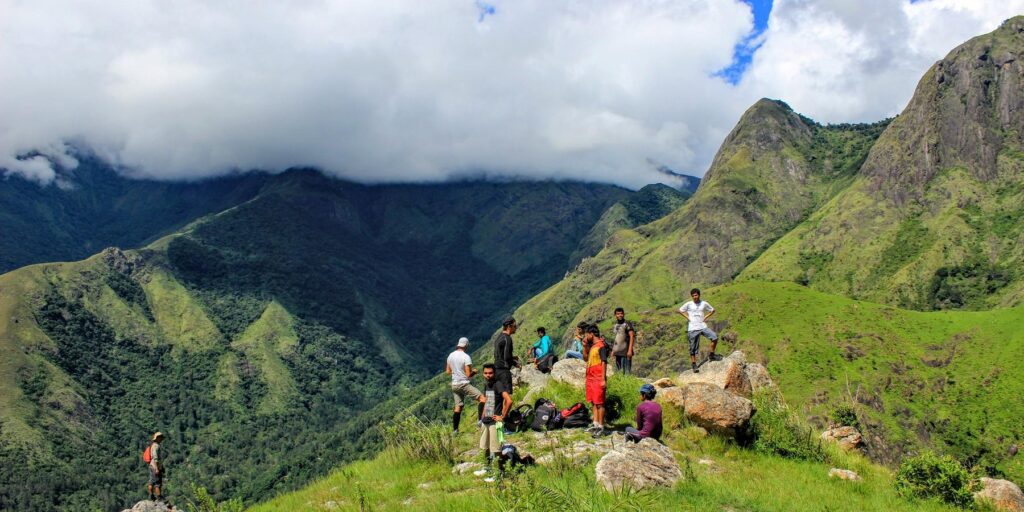
There’s something that doesn’t come through in any package description or review: the particular pleasure of returning from a four-hour trek in the shola hills to find a cup of freshly brewed estate tea waiting on a verandah overlooking the valley you just walked through.
That circularity — from the tea plant on the hillside to the cup in your hand — becomes oddly meaningful after you’ve walked through those same rows of bushes in the early morning. It’s not a sentiment you can manufacture. It just happens.
That’s the real reason tea estate trekking packages in Munnar continue to grow in popularity despite every other hill station competing for the same traveller. No amount of luxury amenity or curated experience quite replicates the combination of landscape, living history, biodiversity, and the fundamental satisfaction of arriving somewhere on foot.
Final Thoughts: Choosing the Right Stay for You
To summarise the decision clearly:
- For serious summit trekkers → Blackberry Hills Retreat (Meesapulimala access)
- For eco-conscious and cultural depth → Spice Village, CGH Earth
- For first-timers and families → Windermere Estate or Tall Trees
- For budget travellers → Serene Greens Resort
Whatever your level or budget, the core advice remains the same: book a minimum of 3 nights. Two nights is enough to tick boxes; three nights is enough to actually exhale, find your trail legs, and understand why so many people who come to Munnar’s tea estates come back the following year.
The hills will be there. The mist will roll in right on schedule. The tea will be excellent. All you have to do is show up.
Planning a trip to Munnar? Drop your questions in the comments — specific trail conditions, permit queries, or itinerary advice for your travel dates.
Read Also: Budget Tea Estate Stay in Munnar for Nature Lovers

Sunil Singh is a dedicated travel content writer and the founder of MunnarTeaGardens.in. He specializes in creating comprehensive, user-friendly guides on Munnar’s tea gardens, hill stations, and Kerala tourism. Drawing from the latest tourism trends, official sources, and visitor experiences, Sunil helps thousands of travelers plan safe and rewarding trips every year.