
There’s something almost cinematic about waking up in Munnar. The fog rolls in overnight, the air smells faintly of damp earth and fresh tea leaves, and the hills unfold in every shade of green you didn’t know existed. Whether you’re visiting the famous Kolukkumalai tea estate perched at 8,000 feet — the world’s highest organic tea plantation — or wandering the slopes of Munnar’s KDHP (Kannan Devan Hills Plantations) gardens, this Kerala hill station is one of India’s most rewarding destinations.
But here’s what most travel guides skip: Munnar’s weather and terrain punish the unprepared. Temperatures can drop to 5°C at night even in April, mist-covered trails turn slippery without warning, and leeches are a genuine concern during monsoon treks. Getting your packing right isn’t just convenient — it’s the difference between a dream trip and a soggy, uncomfortable ordeal.
This 2026 packing guide is built around the realities of Munnar’s climate, terrain, and tea garden culture — not a generic hill station checklist.
Understanding Munnar’s Climate Before You Pack
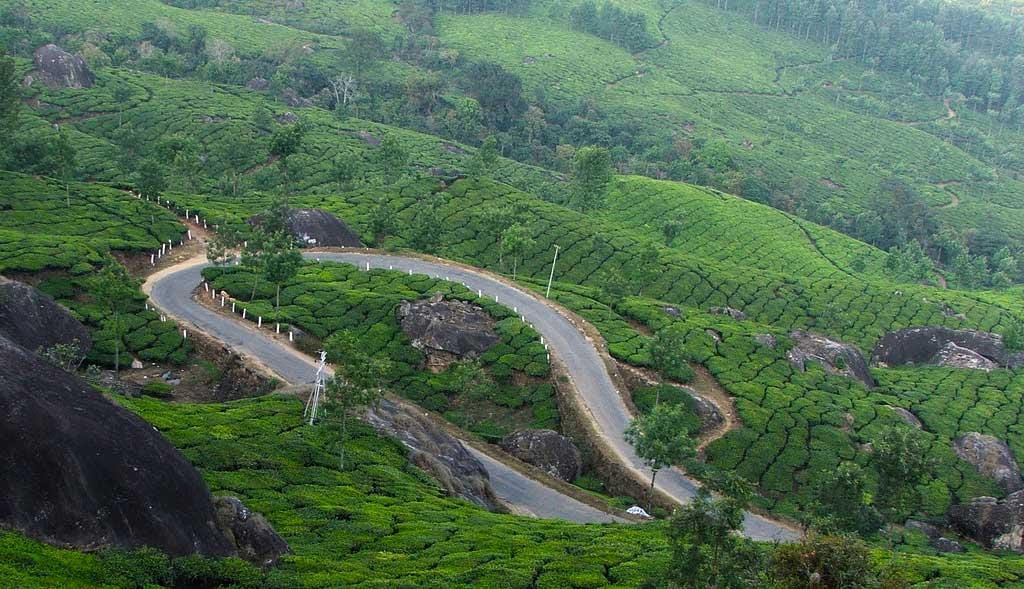
What to Expect Season by Season
Before you stuff anything into a bag, understand the climate you’re walking into.
October to February (Peak Season): Days are crisp and clear (15–22°C), nights dip sharply (5–10°C). This is the best time for tea garden walks. Pack layers — mornings and evenings demand a jacket even if afternoons feel pleasant.
March to May (Pre-Monsoon): Warmer days (up to 25°C) but unpredictable showers begin in May. Lighter fabrics work during the day; a light fleece is still essential at night.
June to September (Monsoon): Heavy rainfall, lush green landscapes, and near-zero visibility on some days. Waterfalls roar. Leeches emerge. This is a beautiful but demanding time to visit — your packing list changes significantly.
Knowing your travel window determines everything on this list.
The Complete Munnar Tea Garden Packing List (2026)
Clothing — Layer Smart, Not Heavy
The golden rule for Munnar packing: layers over bulk. You don’t need a thick ski jacket — you need the right combination of thin, functional layers that you can add or remove as the altitude and time of day shift.
Essential Clothing Items
Thermal innerwear (2 sets): Lightweight merino wool or synthetic thermals are your best investment. Cotton thermals absorb sweat and stay damp — avoid them. Merino wool regulates body temperature and resists odor, which matters when you’re trekking between tea rows for hours.
Full-sleeve T-shirts or base layers (3–4): Full sleeves protect against sunburn on open hillsides and provide a barrier against leeches during monsoon visits. Quick-dry synthetic fabric is ideal.
Mid-layer fleece or light jacket (1–2): A 200gsm fleece is the workhorse of your Munnar wardrobe. It packs small, warms efficiently, and layers over thermals for those 6 AM tea garden walks when the mist is still thick.
Waterproof outer shell or rain jacket (1): Non-negotiable if you’re visiting between May and October. A packable windcheater doubles as a rain layer during lighter showers. For monsoon visits specifically, invest in a proper waterproof jacket — cheap ponchos are unreliable on narrow muddy trails.
Trekking pants or cargo trousers (2): Avoid jeans entirely. Denim is heavy when wet, takes forever to dry, and provides zero insulation when damp. Quick-dry trekking pants are far superior. During monsoon, consider pants you can tuck into socks to deter leeches.
Light cotton clothes for town days (1–2 sets): When you’re visiting Munnar town, the tea museum, or roadside stalls, lighter clothes work fine. A simple kurta or casual shirt is comfortable.
Warm socks (3–4 pairs): Wool-blend socks keep feet warm even when slightly damp. Bring more pairs than you think you need — wet socks in cold weather are miserable.
Waterproof trekking shoes or hiking boots (1 pair): This is where many travelers go wrong. Canvas sneakers or regular sports shoes have no grip on wet grass and muddy slopes. A pair of ankle-support waterproof trekking shoes is worth every rupee — especially on trails around Eravikulam National Park and Kolukkumalai.
Sandals or slip-ons (1 pair): For hotel evenings and town walks. Lightweight and compact.
Gloves and a warm beanie (1 each): For peak season travel (November to January), these are essential for early morning drives to Top Station or Mattupetty Dam. Even a basic wool beanie makes a dramatic difference in wind.
Gear and Accessories
What to Carry for Tea Garden Walks
Daypack (20–30L): A compact daypack is more practical in Munnar than a large rucksack for daily excursions. Keep your main luggage at the hotel and carry only what you need. Look for one with a rain cover.
Trekking poles (optional but recommended): If you’re doing longer treks like Meesapulimala or the Kolukkumalai route, trekking poles ease the load on your knees on steep descents. They’re also useful on slippery monsoon trails.
Reusable water bottle (1L minimum): Hydration matters even in cool weather. Many tea estates have limited facilities — carry enough water. A bottle with an insulated sleeve keeps water cool and prevents condensation.
Headlamp or torch with extra batteries: Early morning visits to tea gardens or sunrise treks to Chokramudi Peak begin before dawn. A good headlamp keeps both hands free. Bring spare batteries — cold temperatures drain them faster.
Sunglasses with UV protection: The sun at altitude is deceptively intense even on partly cloudy days. Polarized lenses reduce glare from the mist-kissed tea terraces.
Sun protection (SPF 50+ sunscreen and lip balm): Open hillside exposure at 5,000–8,000 feet means significantly stronger UV radiation than at sea level. Reapply every two hours on tea garden walks.
Insect repellent (DEET-based or natural): Especially critical during and just after monsoon. Leeches in Munnar are the most-underestimated packing item — a DEET-based spray or salt (traditional local method) helps significantly.
Small first aid kit: Include adhesive bandages, antiseptic cream, pain relievers, antacids, ORS sachets, and antihistamine tablets. Altitude changes can trigger mild headaches in some travelers.
Umbrella (compact, wind-resistant): A small umbrella complements your rain jacket perfectly and is useful in town or on wider plantation roads where you can’t use trekking poles.
Health and Hygiene Essentials
Prescription medications: Carry more than you need. The nearest well-stocked pharmacy is in Munnar town, and not all medications are easily available.
Hand sanitizer and wet wipes: Tea garden visits, roadside snack stops, and outdoor lunches mean limited access to running water. Wet wipes are a traveler’s best friend.
Lip balm with SPF: The cold wind at elevation, combined with low humidity on clear winter days, chaps lips quickly.
Moleskin or blister patches: New trekking shoes and long walks are a recipe for blisters. Pack a few blister patches preemptively.
Personal toiletries in a waterproof pouch: Budget hotels in Munnar don’t always stock quality toiletries. Bring your own shampoo, conditioner, and body wash in travel-sized bottles.
Documents and Money
Government-issued photo ID (original + photocopy): Required for entry permits at Eravikulam National Park and Chinnar Wildlife Sanctuary. Foreigners need passport copies.
Eravikulam and Kolukkumalai entry tickets: Pre-book online where available. Kolukkumalai jeep ride tickets sell out during peak season — plan ahead.
Cash in small denominations: Many tea estate canteens, roadside stalls, and smaller guesthouses don’t accept cards or UPI. Carry at least ₹2,000–3,000 in cash. The nearest ATM is in Munnar town.
Travel insurance documents: Increasingly important for trek-heavy itineraries. Medical evacuation from remote tea estates or higher trails can be expensive.
Hotel booking confirmations (printed or offline): Mobile connectivity in Munnar is patchy — download offline copies before you arrive.
Tech and Electronics
Power bank (20,000 mAh): Cold weather reduces phone battery life significantly. A large-capacity power bank is essential, especially on multi-day treks.
Universal travel adapter: Older guesthouses and homestays sometimes have older socket types.
Offline maps downloaded (Google Maps or Maps.me): Internet is unreliable in tea estate areas. Download offline maps of Munnar district before leaving your base city.
Camera or phone with a good camera: Munnar’s light is stunning at golden hour — the way it catches the rows of tea bushes on a clear evening is genuinely extraordinary. Come prepared to photograph it.
Packing Tips Specific to Tea Garden Visits
Wear muted or natural colors: Bright colors disturb wildlife in areas like Eravikulam and can make you uncomfortable in the close-knit tea estate communities. Olive, beige, grey, and dark green work well.
Respect estate rules: Most KDHP estates ask visitors not to pluck tea leaves without permission. Dress modestly when visiting estate offices or interacting with workers.
Pack light snacks: Long jeep rides to Kolukkumalai (a rough 16km off-road ascent) leave little room for food stops. Carry energy bars, nuts, and dry fruit.
Leave the suitcase behind: Seriously. A 40–50L backpack or duffel is far more practical in Munnar than rolling luggage. Most roads, guesthouses, and terrain simply aren’t built for hard-shell suitcases.
What Not to Pack for Munnar
Every experienced hill traveler has a story about overpacking. Here’s what to leave home:
- Heavy cotton clothing — it holds moisture and dries slowly in the cool, damp air
- High heels or formal footwear — genuinely useless on plantation paths
- Excessive electronics — power cuts happen; carrying too many devices adds weight for limited benefit
- Luxury toiletries in glass bottles — breakage risk in a backpack on rough roads is high
- Too many “just in case” outfits — most homestays offer laundry services
Final Checklist
| Category | Items |
|---|---|
| Clothing | Thermals, fleece, rain jacket, trekking pants, full-sleeve tees, warm socks, trekking shoes, beanie, gloves |
| Gear | Daypack, headlamp, water bottle, sunglasses, sunscreen, insect repellent, first aid kit |
| Health | Medications, ORS, antihistamines, lip balm, blister patches, hand sanitizer |
| Documents | ID, permits, cash, insurance, hotel confirmations |
| Tech | Power bank, offline maps, camera, adapter |
Final Words
Munnar rewards the prepared traveler generously. Those rolling green hills, the scent of Darjeeling-grade high-altitude tea, the silence of a plantation at dawn — these are experiences that stay with you for years. But they’re best enjoyed when you’re warm, dry, and equipped for the terrain.
Pack smart in 2026, and Munnar will give you everything it has.
Planning your Munnar trip? Drop your questions in the comments below — from best tea estate stays to hidden sunrise spots, we’re happy to help.
Read Also: Munnar Tea Gardens Travel Tips for Tourists (2026 Guide)

Sunil Singh is a dedicated travel content writer and the founder of MunnarTeaGardens.in. He specializes in creating comprehensive, user-friendly guides on Munnar’s tea gardens, hill stations, and Kerala tourism. Drawing from the latest tourism trends, official sources, and visitor experiences, Sunil helps thousands of travelers plan safe and rewarding trips every year.