
There’s a specific kind of magic that happens when you stand inside a Munnar tea garden in December.
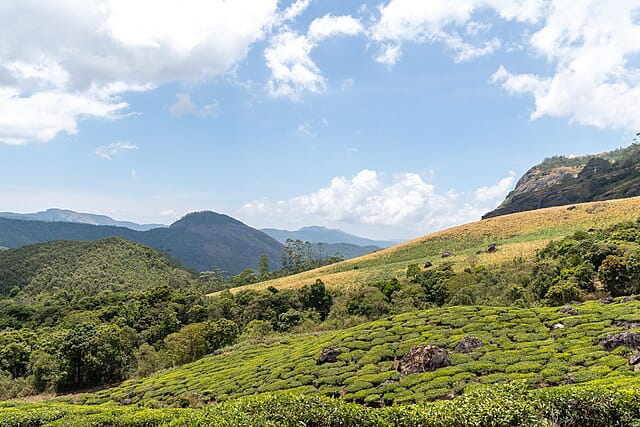
The air smells of fresh dew and green leaves. The hills roll endlessly in every direction, draped in that deep emerald carpet of tea bushes. The mist hasn’t lifted yet, and somewhere below, you can hear the faint clinking of glass bangles as a tea plucker moves rhythmically between the rows.
If you’ve been wondering whether winter is the right time to visit Munnar’s famous tea gardens — stop wondering. It absolutely is. But like any destination, knowing how to visit makes all the difference.
This guide covers everything: what to expect, the best gardens to explore, how to get there, what to wear, and the insider tips that most travel blogs skip entirely.
Why Winter Is Actually the Best Season for Munnar Tea Gardens
Most travelers assume Munnar’s tea gardens are best visited in summer. That’s a common misconception — and it costs people the most spectacular version of the experience.
December and January bring a unique combination of conditions to Munnar that you simply don’t get at other times of the year.
Real Temperature Experience (Not Just Numbers)
On paper, winter temperatures range from 8°C to 20°C, but the real experience can feel colder than that.
- Early mornings: Can feel like 5–8°C due to wind and humidity
- Daytime: Comfortable 15–20°C
- Nights: Drop back to 8–12°C, especially in quieter estate areas
If you stay inside a tea plantation, the cold feels stronger compared to hotels in town.
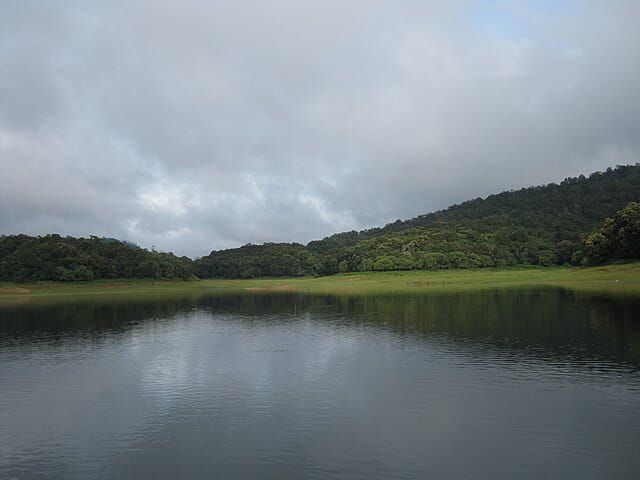
What this means for photography enthusiasts and nature lovers: the tea gardens look their absolute sharpest in winter. The greens are vivid, the skies are often deeply blue, and the famous Munnar mist rolls in and out in cinematic waves — especially in the early mornings.
The “Sea of Clouds” Phenomenon
Here’s something that doesn’t get talked about enough. On many December and January mornings in Munnar, the valleys fill completely with cloud cover while the hilltop tea gardens sit above it all. Tea pickers move through the rows with clouds literally beneath their feet.
Locals call it “manju” (mist in Malayalam), and experienced guides will time morning walks specifically to catch this effect between 6:30 and 8:30 AM.
Fewer Crowds Than You’d Think
Despite winter being a popular travel season in Kerala overall, Munnar’s tea gardens are far less crowded in December–January compared to the October–November post-monsoon rush or the April–May pre-summer peak. You can often walk through major estates like Kolukkumalai or Lockhart Tea Estate with only a handful of other visitors — which makes the experience feel private and immersive.
The Best Tea Gardens to Visit in Munnar: A Curated List
Not all tea gardens in Munnar offer the same experience. Some are purely scenic. Others have active factories you can tour. A few have excellent guided walks with real insight into how tea is grown, harvested, and processed.
Here’s a breakdown of the top options for winter 2026.
Kolukkumalai Tea Estate — The Crown Jewel
If you visit only one tea estate in Munnar, make it Kolukkumalai.
Located at roughly 2,100 meters, it is widely regarded as one of the highest tea estates in the world. The drive up on a jeep trail is itself an adventure — steep, rocky, and deeply rewarding once you reach the top.
In December and January, Kolukkumalai offers something particularly extraordinary: sunrise views where you watch the entire landscape below you disappear under a sea of clouds while you stand in warm golden light. Many visitors describe it as one of the most surreal natural experiences they’ve had anywhere in India.
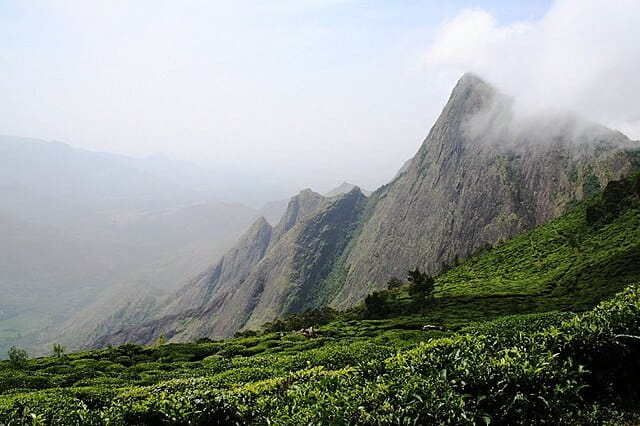
The estate’s factory, which still uses vintage British-era machinery from the early 20th century, operates on most days. Factory visits are informal but fascinating — the woody, earthy scent of processed orthodox tea is unlike anything you’ll encounter in a supermarket aisle.
Practical note: Kolukkumalai requires a private jeep from Suryanelli (about 14 km from Munnar town). Budget around ₹1,200–₹1,800 per jeep. Most visitors combine it with a sunrise trip, which means starting at 4:30–5:00 AM.
Lockhart Tea Estate — The Accessible Beauty
Lockhart Gap is a 10-minute drive from Munnar town and offers some of the most photogenic tea garden views in the region — without requiring a rugged jeep trek.
The tea bushes here are immaculately maintained, and in winter, you’ll often see tea pluckers at work in the early morning hours. The estate is managed by Tata Tea (now Tata Consumer Products), one of India’s most storied tea companies.
A well-maintained walking trail passes through the estate and links to a viewpoint overlooking the Mattupetty Dam — a beautiful combination for a half-day outing.
KDHP (Kannan Devan Hills Plantations) — Tea With History
KDHP is not a single estate but a collection of plantations covering over 23,000 hectares across the Munnar region. It was originally established by British planters in the late 19th century and later taken over by workers themselves — making it one of India’s most unique employee-owned plantation companies.
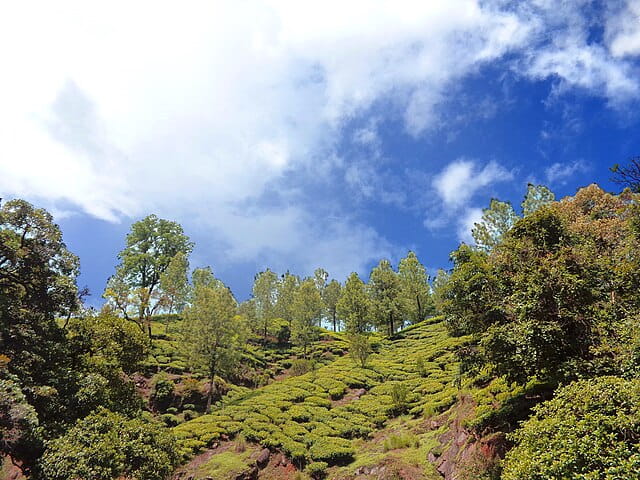
The Tea Museum run by KDHP in Munnar town is an excellent starting point. It traces the entire journey of Munnar tea from seed to cup, with original colonial-era artifacts, processing demonstrations, and guided tastings. It’s especially good for first-time visitors who want context before walking into a garden.
Entry fee for the Tea Museum: approximately ₹75 for adults. Photography is permitted in most areas.
Kundala Tea Garden — Quiet and Underrated
Most travel guides skip Kundala, which is exactly why it belongs on this list.
Located near the Kundala Lake, this garden offers a peaceful walk without the tour bus crowds you sometimes see at more famous estates. In winter, the light hitting the hillside rows of tea around mid-morning is exceptional. Combined with a visit to the lake and the nearby Rose Garden, Kundala makes for one of Munnar’s best half-day itineraries.
What Happens Inside a Tea Garden in December and January
Understanding what’s actually going on in the gardens during your visit makes the experience richer.
Is Tea Harvested in Winter?
Yes — but not at the same intensity as other seasons. Munnar’s peak harvest (called a “flush” in tea industry terminology) typically runs from March through May and again from August through November. In December and January, harvesting slows but doesn’t stop entirely.
This means you will likely see some plucking activity during a winter visit, particularly in the early mornings, but the gardens won’t have the full bustle of peak harvest season. Many visitors actually prefer this — it’s easier to have quiet conversations with workers and guides without the noise of large harvest operations.
The Art of Tea Plucking
If you get the chance to watch an experienced tea plucker at work, pay attention to the hands. Skilled pluckers follow what’s called the “two leaves and a bud” standard — only the youngest, most tender growth at the tip of each branch is taken. An expert can pluck 25–30 kg of green leaves per day.
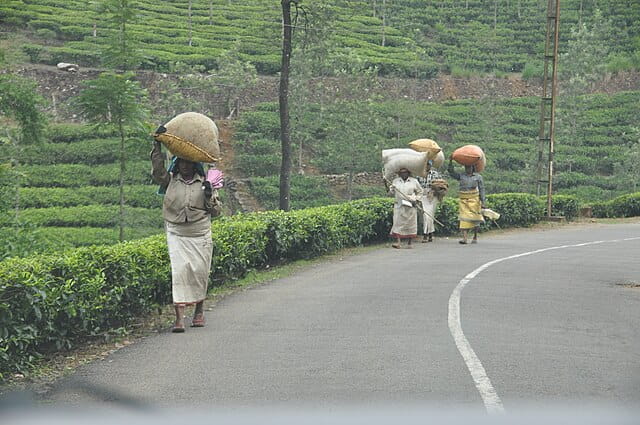
Some estates in Munnar allow visitors to try plucking themselves. It’s harder than it looks, and it tends to give people an immediate, visceral appreciation for the labor that goes into every cup of tea.
Getting to Munnar: Your 2026 Transport Breakdown
By Air
The nearest airport is Cochin International Airport (Kochi), approximately 110 km from Munnar. It’s well-connected to major Indian cities and has some international routes. From the airport, taxis to Munnar take roughly 3.5 to 4 hours depending on traffic and road conditions, and cost approximately ₹2,500–₹3,500 for a sedan.
By Train
The nearest railway station is Ernakulam Junction (Kochi). Several direct trains connect Kochi to major cities including Mumbai, Delhi, Bangalore, and Chennai. From Ernakulam, private taxis or KSRTC buses connect to Munnar.
By Road
The drive from Kochi to Munnar (NH85) is genuinely beautiful — particularly the stretch after Adimali where the road begins climbing into the Western Ghats. It’s a journey many travelers say they enjoyed as much as the destination.
State-run KSRTC buses operate between Kochi and Munnar multiple times daily. Private cab booking apps like Ola and local operators offer more comfort and flexibility.
Where to Stay: Options for Every Budget
Luxury Stays
Tea-themed resort properties around Munnar have grown significantly in quality over the past five years. Properties like Windermere Estate (Pothamedu) and Spice Tree Munnar offer well-designed rooms with garden views, in-house tea experiences, and curated nature walks. Expect to pay ₹8,000–₹20,000 per night during peak December season.
Mid-Range
A strong mid-range option is the Munnar Tea County (KTDC-managed), which offers clean rooms, a good restaurant, and easy access to key sights. Rates typically run ₹3,000–₹6,000 per night in winter. Several well-reviewed homestays near Pothamedu also fall in this category and offer a more personal, family-run experience.
Budget
Munnar town has a solid range of budget hotels and lodges around the ₹800–₹2,000 per night range. They’re functional and centrally located, though they lack garden views. For budget travelers focused on exploring estates during the day, these work perfectly well.
Booking tip: December is Munnar’s most popular month. Book at least 4–6 weeks in advance, especially if you want a tea estate property or a scenic room with views.
What to Pack for a Winter Visit to Munnar
This is where a lot of visitors get caught out. Kerala is a tropical state, and many people arrive underprepared for Munnar’s genuine winter chill.
Pack these essentials: a fleece or light down jacket (essential for early morning garden walks and evenings), layerable clothing in neutral colors (you’ll be walking through gardens where dark colors can make you warmer), waterproof walking shoes or trekking sandals with good grip, a small daypack, sunscreen (the UV index at elevation is higher than you’d expect on clear days), and an insulated water bottle.
Leave behind: high heels or dress shoes (useless on garden trails), overly bright or strongly patterned clothing (it disrupts wildlife and tends to stand out uncomfortably in natural settings), and the assumption that “it’s Kerala, it’ll be warm.”
Pros of Visiting Munnar in Winter
- Clear views after morning fog (great for photography)
- Best season for peaceful tea garden walks
- Comfortable weather for sightseeing (no heat)
- Ideal for couples and relaxed travel
Many regular visitors say winter mornings are the best time to experience Munnar’s real atmosphere
Cons You Should Know
- Very cold mornings (can be uncomfortable without warm clothes)
- Fog may block views early in the day
- Some remote roads can feel damp and slippery
- Water can be too cold in budget stays without proper heating
If you start your day late, you might miss the best views entirely
Expert Tips for a Richer Tea Garden Experience
Go early, without exception. The best light, the freshest air, the most active tea pluckers, and the lowest foot traffic all converge between 6:30 and 9:00 AM. Sleeping in is the single biggest mistake visitors make.
Hire a local guide for at least one day. The tea gardens have layers of history — colonial, ecological, social — that aren’t visible to an untrained eye. A knowledgeable guide (many KDHP workers offer informal walks for ₹300–₹600) will show you things you’d walk right past otherwise.
Try the estate tea on-site. Tea tastes different when you drink it standing in the garden where it was grown, freshly brewed in the factory kitchen. Several estates offer this informally. The Kolukkumalai factory, in particular, serves tea in simple glasses that locals have been drinking from for decades. It’s worth far more than anything you’ll buy in a packaged box.
Respect the workers. The tea garden experience is someone else’s workplace. Ask before photographing workers, be patient during factory visits, and avoid walking through active harvesting rows without permission.
Combine garden visits with Eravikulam National Park. The park, home to the endangered Nilgiri tahr, sits adjacent to several major tea estates. Winter is an excellent time to spot wildlife, and the combination of park and garden in a single day is one of Munnar’s best itineraries. Note: Check current park entry status before visiting, as seasonal closures do occur.
A Simple 2-Day Winter Itinerary
Day 1 — Kolukkumalai and Surroundings
Start at 4:30 AM for the jeep ride to Kolukkumalai. Catch the sunrise, explore the factory, and be back in Munnar town by 11:00 AM. Spend the afternoon at the KDHP Tea Museum and the Mattupetty Dam area. Evening walk through Pothamedu viewpoint as the sun drops behind the Western Ghats.
Day 2 — Eravikulam and Kundala
Morning visit to Eravikulam National Park (book tickets online in advance). Post-park, drive to Kundala Tea Garden and lake for a quiet afternoon walk. Return to Munnar town for a final evening at a tea-themed cafe — several now do proper estate-to-cup tastings.
Practical Winter Tips
- Carry a jacket + light sweater (both needed)
- Start your day early (before 9 AM)
- Confirm hot water availability in stays
- Book stays slightly away from town for better views
- Carry moisturizer — air gets dry
Final Thoughts: Why Munnar in Winter Stays With You
There’s a reason people who visit Munnar’s tea gardens in December or January talk about it differently from other trips. It’s not just the scenery — though the scenery is extraordinary. It’s the combination of sensory experiences that you don’t get in many places: the cold air, the warm tea, the labor and craft that goes into every leaf, the mist that erases and reveals the landscape at will.
The Western Ghats have been growing tea since the 1880s. The gardens you’ll walk through in winter 2026 are part of a living, continuous story — one that involves thousands of people, centuries of cultivation, and a landscape that somehow gets more beautiful the longer you look at it.
Plan carefully, pack warmly, and go early in the morning.
The tea garden at dawn is waiting for you.
Read Also: Munnar Tea Garden Trip Total Cost Breakdown: Budget, Mid-Range & Luxury (2026)

Sunil Singh is a dedicated travel content writer and the founder of MunnarTeaGardens.in. He specializes in creating comprehensive, user-friendly guides on Munnar’s tea gardens, hill stations, and Kerala tourism. Drawing from the latest tourism trends, official sources, and visitor experiences, Sunil helps thousands of travelers plan safe and rewarding trips every year.