
There’s a reason tea lovers across the world keep coming back to Munnar.
Nestled in the Western Ghats of Kerala at elevations between 1,400 and 2,500 metres above sea level, the tea gardens of Munnar produce a leaf that is, in every measurable way, different. Not just in taste — but in chemistry.
If you’ve ever sipped a cup of high-grown Munnar tea and wondered why it feels a little lighter, a little brighter, and somehow more “alive” than your average tea bag — there’s a scientific explanation for that. And it has everything to do with altitude.
Let’s dig into what the research actually says in 2026 — no hype, no wellness buzzwords, just the real science behind one of India’s most iconic teas.
Why Munnar Tea is Different From Regular Tea
Munnar tea is not just another cup of tea — its taste and quality come directly from the unique conditions of the Western Ghats.
What makes it different:
- High-altitude growing conditions
Tea is grown between 900–2,600 meters, which slows leaf growth and improves flavor complexity - Cool climate + misty environment
The natural mist and rainfall create a fresh aroma and balanced taste - Richer flavor profile
Many regular visitors say that Munnar tea has a slightly brisk, floral, and citrus-like note compared to flat-tasting commercial tea
One thing most people don’t realize is that tea from higher elevations usually tastes smoother but more aromatic, which is exactly what you get in Munnar.
What Makes Munnar Tea “High-Grown”?
Before we get into health benefits, it helps to understand what separates high-grown tea from the rest.
In the tea world, elevation matters enormously. Teas grown above 1,200 metres are classified as high-grown or “high-altitude” teas. At these heights, the air is cooler, the sunlight is more intense, and the plants grow more slowly. This slow growth is not a disadvantage — it’s the whole point.

Slower growth means the tea leaves accumulate more polyphenols, catechins, and amino acids than low-grown varieties. These compounds are not just responsible for flavour — they are the same molecules that researchers have been studying for decades because of their effects on human health.
Munnar’s combination of misty mornings, acidic red soil, and year-round cool temperatures creates what tea specialists call a “stress environment” for the Camellia sinensis plant. Plants under mild stress produce more protective compounds. And those compounds end up in your cup.
How Munnar Tea is Processed (Local Insight)
Tea processing in Munnar follows a careful traditional method:
- Hand-picking – Only the top leaves and buds are selected
- Withering – Leaves are dried to remove moisture
- Rolling – Releases natural oils and flavor
- Oxidation – Determines tea type (black, green, white)
- Drying – Locks in aroma and taste
In places like Kolukkumalai, some factories still use old-style processing methods, which give tea a stronger and more authentic flavor

Many regular visitors say factory visits completely change how they understand tea — it’s not just a drink, it’s a process.
The Antioxidant Advantage: Why Altitude Changes Everything
More Catechins Per Cup
One of the most consistent findings in tea research is that high-altitude teas contain significantly higher concentrations of catechins — particularly epigallocatechin gallate (EGCG), the catechin that has attracted the most scientific attention.
A 2021 study published in the Journal of Food Composition and Analysis compared tea samples from various elevations and found that teas grown above 1,500 metres had catechin levels roughly 20–30% higher than those grown below 800 metres. Munnar’s primary tea-growing zones sit comfortably within that high-altitude bracket.
EGCG is significant because it acts as a powerful free-radical scavenger. Free radicals are unstable molecules that accumulate in the body through pollution, stress, processed food, and normal metabolic processes. Left unchecked, they contribute to cell damage — which is linked to accelerated ageing and chronic disease.
In practical terms: your morning cup of Munnar tea is giving your cells a measurably better antioxidant hit than a lowland equivalent.
Theaflavins and the Fermentation Factor
Munnar is primarily known for its orthodox black tea, which undergoes a full oxidation process. This transforms the catechins into theaflavins and thearubigins — compounds unique to black tea.
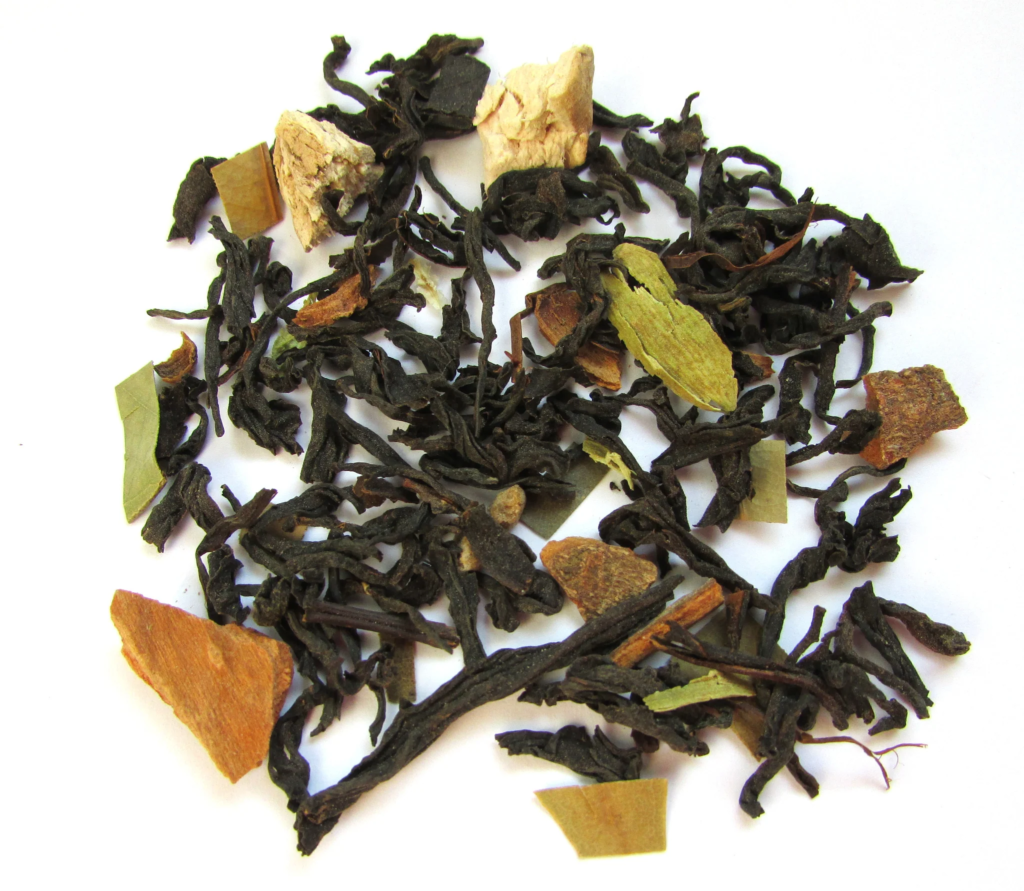
Research from the Tea Research Association of India has noted that theaflavins in particular show anti-inflammatory properties and may support gut health by acting as prebiotics. A 2022 review in Nutrients found that theaflavin-3-gallate specifically showed potential in modulating gut microbiome composition in a positive direction.
This is newer science — and exciting science — suggesting that your cup of Munnar black tea isn’t just hydrating you. It may be quietly feeding the beneficial bacteria in your digestive system.
Heart Health: The Evidence That’s Hard to Ignore
Cholesterol and Blood Pressure
The cardiovascular benefits of tea are among the most studied areas in nutrition science.
A 2020 meta-analysis published in Critical Reviews in Food Science and Nutrition, covering 39 randomised controlled trials, found that regular black tea consumption was associated with modest but statistically significant reductions in LDL cholesterol and systolic blood pressure. The effect sizes weren’t dramatic — this isn’t medicine — but they were consistent across populations.
The theaflavins in black tea appear to inhibit cholesterol absorption in the gut and improve endothelial function (the responsiveness of blood vessel walls). Both are mechanisms that matter for long-term cardiovascular health.
For Munnar’s high-grown tea specifically, the higher polyphenol content means these effects are likely more pronounced per cup than for standard commercial teas.
Inflammation as a Root Cause
Here’s something that doesn’t get talked about enough: chronic low-grade inflammation is now considered a root driver of most major non-communicable diseases — heart disease, type 2 diabetes, certain cancers, and even Alzheimer’s.
Polyphenols in high-altitude teas have been shown to downregulate inflammatory markers like C-reactive protein (CRP) and interleukin-6 (IL-6). A 2023 study from the Rajiv Gandhi Centre for Biotechnology in Thiruvananthapuram specifically examined polyphenol profiles of Kerala teas and found that high-altitude varieties showed notably stronger anti-inflammatory activity in vitro compared to commercially processed flat-grown teas.
That’s a Kerala-specific finding — and it matters for people choosing Munnar tea with health in mind.
Mental Clarity and the L-Theanine Effect
Calm Without Sedation
One of the most distinctive things about high-grown teas is their L-theanine content.
L-theanine is a naturally occurring amino acid found almost exclusively in the tea plant. High-altitude cultivation, particularly in mist-heavy environments like Munnar’s, consistently produces leaves with elevated L-theanine levels. The compound works synergistically with caffeine — moderating its stimulating effects and promoting what neuroscientists describe as “alert relaxation.”
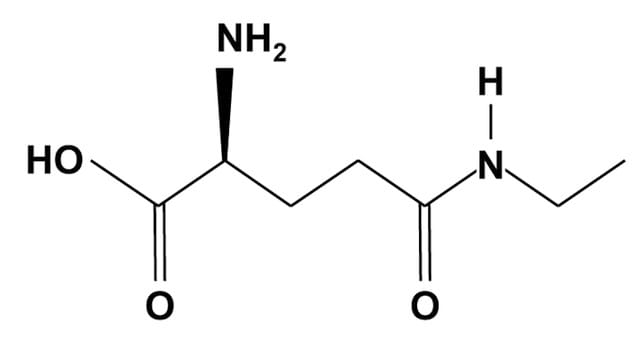
A 2021 double-blind study in Nutritional Neuroscience confirmed that the L-theanine and caffeine combination improves sustained attention, reaction time, and working memory without the jitteriness or crash associated with caffeine alone.
If you’ve ever noticed that a cup of quality Munnar tea leaves you focused but not anxious, this is the biochemistry behind that experience.
Cognitive Protection Over the Long Term
More speculatively — but worth noting — there is emerging research on the neuroprotective effects of EGCG and other tea polyphenols. Some longitudinal studies from Japan and China have suggested associations between regular tea drinking and reduced risk of cognitive decline in older adults.
This is still an active area of research and far from settled science. But it aligns with what we know about the anti-inflammatory and antioxidant mechanisms of high-polyphenol teas.
Blood Sugar Balance: What Diabetologists Are Watching
Type 2 diabetes management is another area where tea science is generating genuine interest.
Several trials have found that regular black tea consumption is associated with improvements in insulin sensitivity and post-meal blood glucose response. The proposed mechanism involves theaflavins inhibiting certain digestive enzymes (notably alpha-glucosidase) that break down starch into glucose — effectively slowing the absorption of sugar into the bloodstream.
A 2023 clinical trial conducted at a hospital in Kochi, Kerala, found that patients with pre-diabetes who consumed two cups of high-polyphenol black tea daily showed meaningful improvements in fasting glucose levels over 12 weeks compared to a control group.
It’s important to say clearly: tea is not a substitute for diabetes medication or medical advice. But as a dietary habit, the evidence increasingly supports its role in metabolic health maintenance.
Gut Health: The Microbiome Connection
Prebiotics You Didn’t Know You Were Getting
The gut microbiome has become one of the most researched frontiers in medicine over the last decade, and tea polyphenols are right in the middle of that story.

High-polyphenol teas like Munnar’s high-grown black tea appear to function as selective prebiotics — feeding beneficial bacterial strains like Lactobacillus and Bifidobacterium while suppressing certain pathogenic bacteria. A 2024 review in Frontiers in Microbiology described black tea polyphenols as “promising modulators of microbiota composition,” noting their ability to increase short-chain fatty acid production, which supports gut wall integrity.
This is relatively new science, but it connects the dots between regular tea drinking and the broad sense of digestive wellness that many habitual tea drinkers report.
Bone Density and Ageing Well
Here’s a benefit that surprises most people: tea may be good for your bones.
Multiple cross-sectional studies have found that regular tea drinkers have higher bone mineral density than non-drinkers. A large study involving over 3,000 women published in The American Journal of Clinical Nutrition found that those who drank tea regularly had up to 5% higher bone density than those who didn’t — independent of calcium intake.
The fluoride naturally present in tea, combined with the phytoestrogenic effects of certain polyphenols, are the most cited explanations. High-grown teas, with their greater mineral uptake due to altitude and soil chemistry, may offer a modest but real advantage here.
How to Brew Munnar Tea for Maximum Health Benefit
Getting the Most From Your Leaves
The health benefits don’t brew themselves — technique matters.
- Water temperature: 85–90°C for green or lightly oxidised varieties; full boiling (100°C) for orthodox black tea
- Steep time: 3–4 minutes for black tea. Longer steeping releases more tannins, which can reduce polyphenol bioavailability
- Milk: Adding full-fat milk significantly reduces the bioavailability of catechins — studies show milk proteins bind to polyphenols. If health is the primary goal, drink it plain or with a small amount of lemon
- Quantity: Most of the research showing health benefits is based on 2–4 cups per day
- Loose leaf vs. bags: Munnar tea in loose-leaf orthodox form retains more intact polyphenols than dust-and-fannings used in many commercial bags
A Note on Quality: Not All Munnar Tea Is Equal
It’s worth being direct here: the health benefits discussed above are tied to high-quality, properly processed, high-altitude tea. Much of what is sold as “Munnar tea” in tourist shops is a blend or a lower-grade product.
For genuine high-grown Munnar tea with the polyphenol profiles described in the research, look for:
- Estate-specific sourcing (Kolukkumalai, Top Station, Munnar High Range estates are well-regarded)
- Orthodox processing rather than CTC (crush-tear-curl)
- FSSAI certification and fresh harvest dates (ideally within 6–12 months)
The difference in both taste and nutritional value between a premium orthodox Munnar tea and a generic blend is substantial.
Myths vs Reality About Munnar Tea
Myth 1: All Munnar tea is organic
Reality:
Not all tea is fully organic — some estates follow mixed farming practices
Myth 2: Strong tea = better tea
Reality:
High-quality tea is actually balanced, not overly bitter
Myth 3: All tea gives instant weight loss
Reality:
Tea supports metabolism, but it’s not a magic solution
Myth 4: Milk tea gives same benefits
Reality:
Milk reduces absorption of some antioxidants
Health Benefits
Munnar tea is rich in:
- Antioxidants → supports immunity
- Polyphenols → may help heart health
- L-theanine → improves focus and calm energy
Many regular visitors say switching from sugary drinks to tea improves overall energy and digestion
The Bottom Line
The health case for Munnar high-grown tea is genuinely strong — and it’s getting stronger as research matures.
Between the elevated catechin and L-theanine content driven by altitude, the unique theaflavin profile of orthodox processing, and the growing evidence around gut health and cardiovascular support, this is a beverage that earns its reputation.
It won’t replace a balanced diet or regular exercise. No single food or drink will. But as a daily habit, a well-brewed cup of high-grown Munnar tea is one of the more pleasurable and evidence-supported things you can add to your routine.
That’s a rare combination. Savour it.
Disclaimer: This article is for informational purposes only and does not constitute medical advice. Consult a qualified healthcare professional before making changes to your diet or health regimen.
Read Also: Munnar Weather & Best Time to Visit Tea Gardens: Month-by-Month Guide (2026)

Sunil Singh is a dedicated travel content writer and the founder of MunnarTeaGardens.in. He specializes in creating comprehensive, user-friendly guides on Munnar’s tea gardens, hill stations, and Kerala tourism. Drawing from the latest tourism trends, official sources, and visitor experiences, Sunil helps thousands of travelers plan safe and rewarding trips every year.