
The endless green hills, crisp mountain air, and gorgeous tea estates are common memories of a trip to Munnar. However, the workers who grow, harvest, and process the tea that draws millions of tourists every year are hidden behind every stunning landscape. Enjoying magnificent views while ensuring that local workers, families, and the environment also benefit from tourists is the goal of sustainable tea tourism.
Munnar is progressively experiencing a change from sightseeing alone to responsible travel experiences as more tourists become aware of their impact on the environment. Visitors now have the chance to make a positive impact by selecting responsible activities, honoring local communities, and supporting companies that protect the environment rather than just taking pictures and moving on.
This guide explains how travelers can enjoy Munnar’s tea country responsibly while helping preserve its unique heritage for future generations.
What Is Sustainable Tea Tourism?
Sustainable tea tourism means exploring tea plantations and nearby communities in ways that protect the environment, respect workers, and contribute to the local economy.
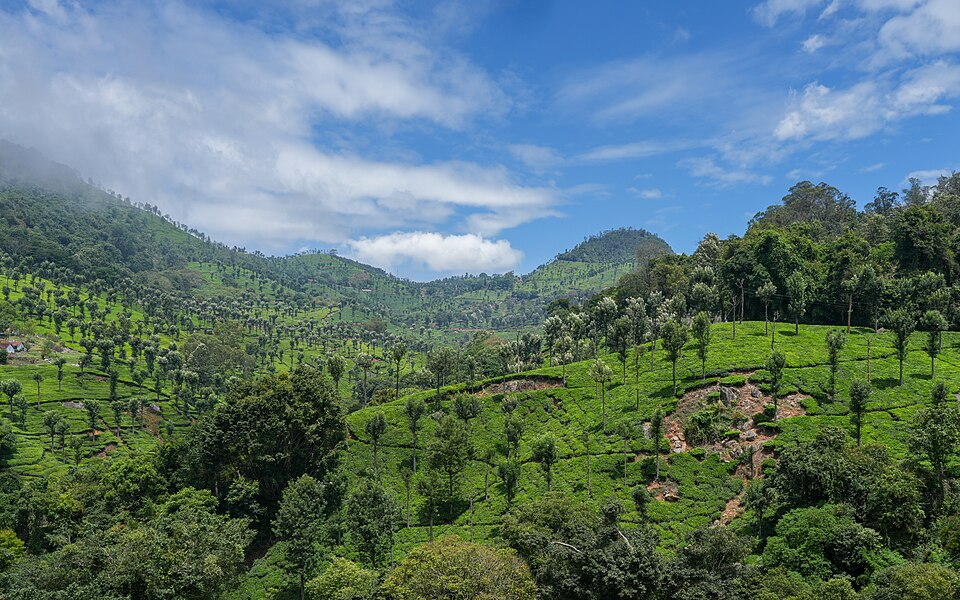
Instead of focusing only on sightseeing, responsible tourism encourages visitors to understand how tea is grown, appreciate the people behind every cup, and make travel choices that leave a positive impact.
A sustainable visit generally supports three important areas:
- Environmental conservation
- Fair opportunities for local communities
- Preservation of tea-growing traditions
When these three work together, tourism becomes beneficial for everyone—not just visitors.
Why Sustainability Matters in Munnar
Tea plantations cover thousands of acres across Munnar. They provide employment to thousands of workers while also shaping the region’s identity.
However, tourism also brings challenges such as:
- Plastic waste on viewpoints
- Water pollution
- Increased traffic
- Pressure on natural forests
- Disturbance to wildlife
- Damage to plantation paths due to overcrowding
Choosing responsible travel habits helps reduce these problems while supporting the people who depend on tea cultivation.
Understanding the People Behind Munnar’s Tea Industry
Many visitors spend only a few hours inside tea estates without realizing the amount of work involved in producing tea.
The journey includes:
- Maintaining tea bushes year-round
- Hand-plucking fresh leaves
- Transporting leaves quickly to factories
- Processing through multiple stages
- Quality grading
- Packaging
Tea workers often begin work early in the morning, especially during harvesting seasons. Their experience and skill determine the quality of the final product.
Learning about this process helps visitors appreciate tea beyond its scenic value.
Ways Travelers Can Support Local Tea Workers
One of the simplest ways to practice sustainable tourism is by making choices that directly benefit local communities.
Buy Tea from Estate Shops
Many estates sell tea directly through official outlets.
Buying directly often means:
- Better quality products
- Authentic local tea
- Support for plantation businesses
- Reduced dependence on middlemen
Avoid purchasing tea from unverified roadside sellers claiming unrealistic discounts.
Hire Local Guides
A knowledgeable local guide can explain:
- Tea cultivation methods
- Plantation history
- Local wildlife
- Seasonal changes
- Traditional farming practices
Besides making the experience more meaningful, hiring local guides also creates employment within the community.
Stay in Locally Managed Homestays
Instead of always choosing large resorts, consider locally operated accommodations.
Benefits include:
- Income stays within the community
- Local food experiences
- Better cultural interaction
- Personalized hospitality
Many hosts also recommend lesser-known attractions that distribute tourism beyond crowded locations.
Eat at Local Restaurants
Small family-run restaurants often prepare traditional Kerala meals using locally sourced ingredients.
Supporting these businesses contributes directly to the local economy while offering visitors a more authentic culinary experience.
Eco-Friendly Practices Every Visitor Should Follow
Responsible tourism doesn’t require major sacrifices. Small actions can make a noticeable difference.
Carry a Reusable Water Bottle
Plastic bottles remain one of the biggest sources of tourist waste.
Many hotels provide filtered drinking water where bottles can be refilled.
Avoid Single-Use Plastics
Carry reusable items such as:
- Shopping bags
- Water bottles
- Coffee cups
- Cutlery when needed
Reducing plastic waste helps protect both plantations and nearby streams.
Stay on Designated Paths
Tea bushes may appear sturdy, but walking through plantations can damage plants and compact the soil.
Always use approved walking routes unless accompanied by authorized staff.
Never Pick Tea Leaves Yourself
Visitors sometimes pluck tea leaves for photographs or souvenirs.
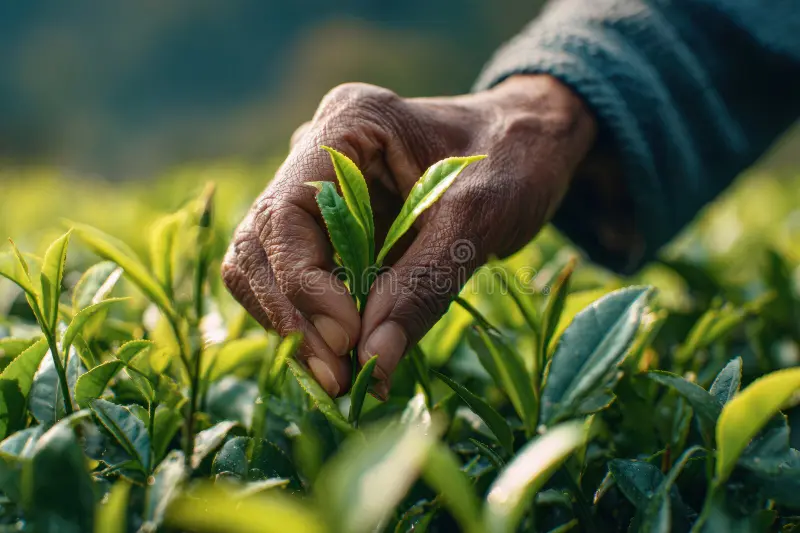
Although it seems harmless, repeated picking by tourists affects plantation operations and can damage carefully maintained bushes.
Photography is welcome in many areas, but harvesting should always be left to trained workers.
Respect Wildlife
Tea estates often share boundaries with forests.
Visitors may encounter:
- Birds
- Butterflies
- Giant squirrels
- Nilgiri langurs
- Wild elephants in nearby forest zones
Avoid loud music, feeding animals, or entering restricted forest areas.
Choosing Responsible Tea Estate Experiences
Not every plantation experience contributes equally to sustainable tourism.
Look for experiences that include:
- Guided educational tours
- Tea tasting sessions
- Factory demonstrations
- Environmental awareness
- Local history
- Cultural interaction
Experiences focused solely on commercial photography often provide little understanding of tea cultivation.
Understanding Organic and Sustainable Tea Farming
Some estates are introducing environmentally friendly farming methods that reduce chemical usage and improve soil health.
Common sustainable farming practices include:
- Rainwater harvesting
- Composting tea waste
- Natural pest management
- Soil conservation
- Shade tree preservation
While not every estate follows organic farming, many are gradually adopting eco-friendly practices suitable for the region.
The Environmental Value of Tea Landscapes
Tea plantations contribute more than scenic beauty.
When managed responsibly, they can help:
- Reduce soil erosion on hills
- Preserve green cover
- Support bird habitats
- Improve rainfall absorption
- Protect fragile mountain ecosystems
However, these benefits depend on proper land management and responsible tourism.
A Different Way to Experience Munnar
Many travelers rush through five or six viewpoints in one day.
A slower approach often creates a richer experience.
Instead of constantly moving between attractions, consider spending more time in one tea estate by:
- Joining a plantation walk
- Watching tea processing
- Speaking with local workers when appropriate
- Learning tea tasting techniques
- Observing seasonal harvesting
This deeper engagement often becomes more memorable than collecting dozens of photographs.
A Unique Insight: Your Tea Purchase Can Influence Tourism More Than Your Entry Ticket
One aspect rarely discussed is that the money visitors spend after entering a destination often has a greater long-term impact than the entry fee itself.
A traveler who:
- buys locally processed tea,
- hires a local guide,
- stays in a family-run homestay, and
- eats at neighborhood restaurants
can contribute significantly more to the local economy than someone who only visits viewpoints and leaves.
In other words, responsible spending—not just responsible behavior—is one of the most powerful forms of sustainable tourism.
Responsible Photography Tips
Tea gardens are among India’s most photographed landscapes.
While taking pictures:
- Ask permission before photographing workers closely.
- Avoid interrupting harvesting activities.
- Don’t climb onto tea bushes.
- Stay away from machinery unless permitted.
- Keep drone usage within local regulations and estate policies.
Respectful photography preserves both privacy and plantation operations.
Best Time to Experience Sustainable Tea Tourism
Every season offers different experiences.
March to May
- Pleasant weather
- Green plantations
- Ideal for plantation walks
June to September
- Lush monsoon landscapes
- Rich greenery
- Slippery trails require extra caution
October to February
- Comfortable temperatures
- Excellent visibility
- Popular season for educational estate visits
Regardless of the season, responsible travel practices remain equally important.
Simple Checklist Before Visiting a Tea Estate
Before heading to a plantation, remember to:
- Carry a reusable water bottle.
- Wear comfortable walking shoes.
- Avoid littering.
- Respect workers’ privacy.
- Stay on marked paths.
- Support local businesses whenever possible.
- Purchase authentic local products.
- Leave natural surroundings exactly as you found them.
Final Thoughts
Tea tourism in Munnar is about far more than enjoying beautiful landscapes. Every plantation represents generations of farming knowledge, thousands of hardworking families, and a mountain ecosystem that requires careful protection.
Responsible choices—whether purchasing locally produced tea, avoiding plastic waste, respecting plantation rules, or supporting community businesses—help ensure that tourism benefits everyone involved.
The most meaningful souvenir from Munnar is not just a packet of fresh tea but the knowledge that your visit helped preserve the region’s people, traditions, and natural beauty for years to come.
Read Also: Quiet Tea Garden Roads in Munnar for Bike Rides

Sunil Singh is a dedicated travel content writer and the founder of MunnarTeaGardens.in. He specializes in creating comprehensive, user-friendly guides on Munnar’s tea gardens, hill stations, and Kerala tourism. Drawing from the latest tourism trends, official sources, and visitor experiences, Sunil helps thousands of travelers plan safe and rewarding trips every year.