
The first time the mist rolled in over Kolukkumalai at five in the morning — thick, cold, smelling faintly of damp earth and fresh tea leaves — I understood why people fall completely in love with Munnar and never quite get over it. There’s nowhere else in India quite like this. At 1,600 metres above sea level, with the Western Ghats wrapping around you on every side, Munnar’s weather isn’t just a backdrop to your trip — it is the trip. And when it comes to visiting the tea gardens specifically, getting your timing right can mean the difference between walking through emerald rows of manicured bushes under golden morning light, or sloshing through knee-high mud wondering where you went wrong. I’ve made that mistake. You don’t have to.
So here’s everything you need to know about Munnar’s weather, month by month, for 2026 — written not from a weather database, but from years of actually being there.
Why Tea Garden Weather Is Different from “Hill Station” Weather
Most people planning a Kerala trip look up “best time to visit Munnar” and get a generic answer: October to March. That’s not wrong — but it’s incomplete, especially if tea gardens are your primary reason for coming.
Here’s what most people miss: tea garden experiences in Munnar are governed not just by rainfall, but by harvest cycles, morning fog patterns, and the specific microclimate of whichever estate you’re visiting. Kolukkumalai — the highest tea estate in the world, sitting at around 2,200 metres near Top Station — behaves very differently from the lower-altitude gardens near Munnar town, like those around Chinnakanal or the famous TATA Tea plantations off Mattupetty Road.
The harvest at most Munnar estates peaks during the dry months — November through February — when you’ll see pluckers moving swiftly through the rows, their nimble fingers pulling the “two leaves and a bud” that define high-quality Munnar tea. Watch this process up close, and you’ll never look at a cup of tea the same way. Trust me on this one.
Month-by-Month Munnar Weather Guide for Tea Garden Visitors
January — Peak Season, Peak Beauty
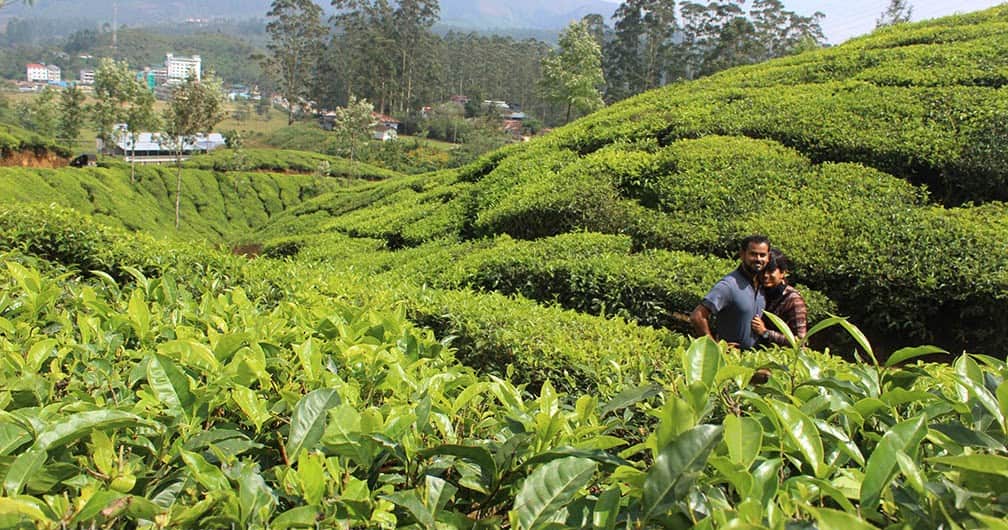
January is arguably the single best month to visit Munnar if tea gardens are your focus. Days are crisp and dry, with temperatures hovering between 8°C and 20°C. The fog burns off by mid-morning, revealing those impossibly photogenic rows of bright green tea bushes against a clear blue sky.
This is full harvest season. Estates like Lockhart Tea Factory near Munnar town and the KDHP (Kannan Devan Hills Plantations) estates welcome visitors, and you’ll see the tea-making process in full swing — withering, rolling, fermenting, drying. Book a factory visit in advance; they fill up quickly in January.
The downside? Prices spike. Hotel rooms near Mattupetty Road that cost ₹2,500 in September can easily touch ₹7,000–₹10,000 in January. If you’re on a budget, come mid-week and book at least three weeks ahead.
February — Still Excellent, Slightly Less Crowded
February maintains January’s clear weather while shedding some of the tourist rush. Temperatures remain comfortable — perhaps nudging 22°C in the afternoons. The tea gardens are lush and actively harvested, morning light is spectacular for photography, and you’ll find slightly easier access to the more offbeat trails around Eravikulam National Park (though Neelakurinji blooms won’t return until 2030, so don’t plan around those).
An insider tip: Visit the Tata Tea Museum on Nallathanni Estate in the morning when the light comes in through the tall windows. The museum itself costs around ₹150 per person and explains the colonial history of tea cultivation in Munnar better than any guidebook can.
March — The Transition Begins
March is the start of a slow transition. Days are noticeably warmer — temperatures can touch 25°C in the lower elevations — and the air loses that January crispness. The tea gardens remain accessible and visually stunning, but the plucking is winding down toward its inter-flush rest period in some estates.
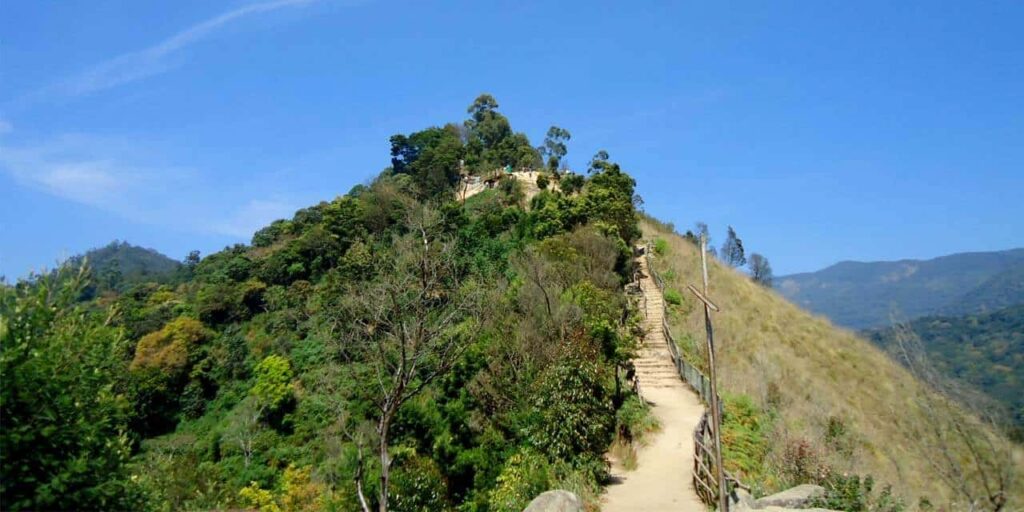
It’s still a perfectly good month to visit, and accommodation prices are beginning to drop. For budget travelers, late March offers a sweet spot: decent weather, lower costs, fewer crowds. The drive from Munnar to Top Station (about 32 kilometres) is spectacular this time of year, with clear views into Tamil Nadu.
April & May — Hot, Dry, and Underrated for Certain Experiences
April and May are the pre-monsoon months, and most mainstream travel advice tells you to avoid them. I disagree — partially. These months are warmer and drier, with temperatures hitting 28–30°C in Munnar town. The tea bushes are in their inter-flush rest, which means plucking has slowed significantly.
But here’s the counterintuitive truth: if you want to understand the rhythm of a tea estate rather than just photograph it, visiting during the rest period is genuinely interesting. Workers are pruning, shaping, and preparing the bushes for the next flush. The estates feel more “working farm” and less “tourist attraction.” Some KDHP estate tours run during this period at reduced rates — around ₹500–₹800 per person compared to ₹1,000+ in peak season.
Also worth noting: Eravikulam National Park remains open through much of April (check the official Kerala Forest Department website for 2026 dates), and the wildlife — especially Nilgiri Tahr — is easier to spot before the monsoon vegetation gets too thick.
June, July & August — Monsoon Season: Proceed Thoughtfully
The southwest monsoon arrives in Munnar around early June and stays through August, sometimes spilling into September. Annual rainfall here averages 300–350 cm, and during peak monsoon months, it rains. Not Chennai-light-drizzle rains. Real, persistent, sometimes-three-days-straight rains.
The tea gardens in monsoon are a completely different beast. The greenery is almost unnaturally vivid — that particular shade of green that Kerala painters try to capture and never quite do. The waterfalls along Munnar-Udumalpet Road come alive; Attukal and Cheeyappara, both visible from the highway near Neriamangalam, are genuinely thunderous.
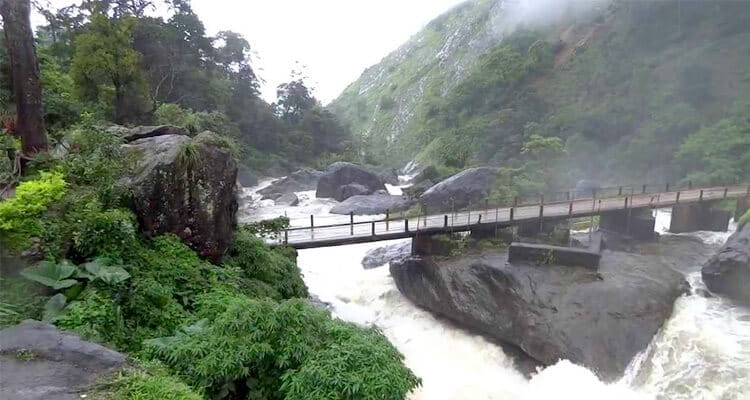
That said, the roads get tricky. The stretch from Adimali to Munnar (about 40 km on NH85) can experience landslides and roadblocks. Check KSRTC bus schedules and road status before you travel — the Kerala State Road Transport Corporation runs reliable services, but diversions are common.
Tea garden access is restricted during heavy rainfall for safety reasons. Kolukkumalai, being at higher altitude, becomes genuinely risky and most estate tour operators pause operations. Lower-altitude gardens like those around Pallivasal (about 8 km from Munnar town) remain more accessible.
If you must visit in monsoon — and honestly, it has a dark, moody romance to it — stay at least 4–5 nights to catch the odd clear morning. The mist in the gardens after overnight rain is something out of a Satyajit Ray film.
September — The Overlooked Gem
September is my personal favourite month to visit Munnar, and almost no one talks about it. The monsoon is tapering, the landscape is at its most extravagantly lush, and the tourist crowds haven’t yet returned. Prices are still low. Tea gardens are beginning to prepare for the second flush harvest, and you’ll occasionally catch a garden mid-transition — workers clearing, bushes being assessed — which feels wonderfully authentic.
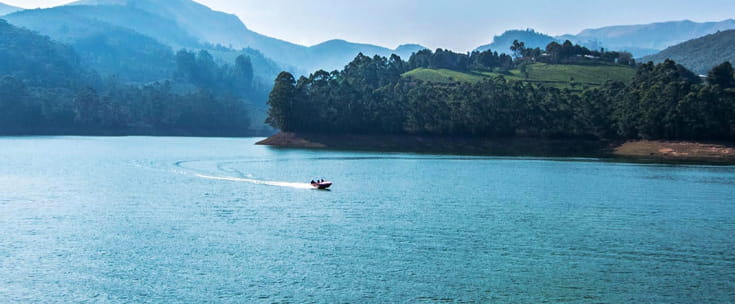
Mornings in September carry that specific cool-damp smell of the Western Ghats post-monsoon. I’ve walked the trail from Munnar town toward Mattupetty Dam (roughly 13 km) in September and had it almost entirely to myself.
One caution: waterproofing is non-negotiable. Pack good rain gear, and choose guesthouses that have been around a while — some of the newer budget places near Old Munnar Market haven’t been properly waterproofed.
October & November — The Sweet Return of Sunshine
October marks the reliable return of clear weather, and by November, Munnar is fully in its glory. The landscapes are still impossibly green from the monsoon, but the skies are clearing. The fresh flush — the post-monsoon harvest — begins in October and represents some of the finest quality tea of the year. Visiting a factory during fresh flush is genuinely memorable; the smell of fresh-rolled tea leaves is almost intoxicating.
November is particularly good for the Kolukkumalai trek. Starting from Suryanelli village (the base is roughly 40 km from Munnar town), the road up is unpaved and requires a jeep — budget around ₹2,500–₹3,500 for a round trip jeep hire from Suryanelli. The views from the top, over the Tamil Nadu plains on one side and the Munnar ranges on the other, are the kind that make you forget you exist for a moment.
December — Festive Rush and Cold Mornings
December brings two things: beautiful weather and enormous crowds. Christmas and New Year are peak holiday season in Munnar, and you’ll encounter visitors from every corner of India, plus a steady international contingent. Accommodation near Top Station Road and around Kundale Lake area can be near impossible to book without at least a month’s advance notice.
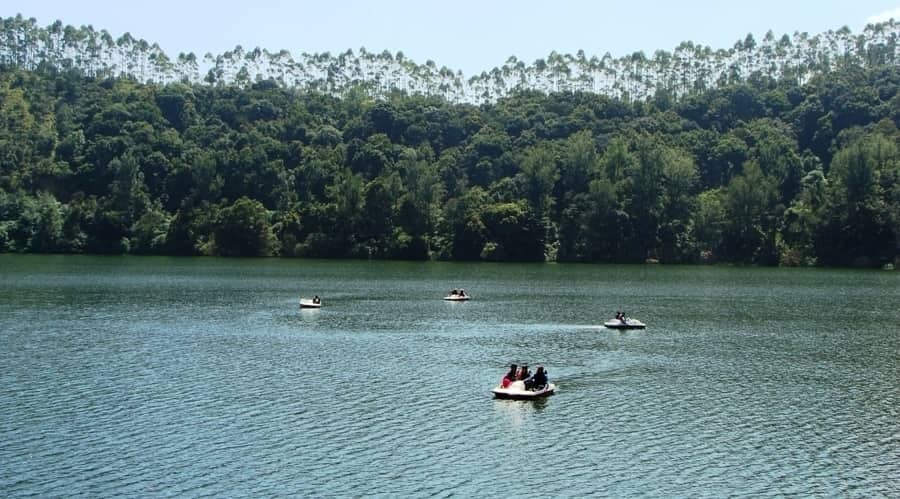
Temperatures dip sharply — nights can go below 5°C at higher elevations. The tea gardens are in active harvest mode and absolutely picturesque. If you’re planning a December trip, book everything early, travel on weekdays, and try to be at the tea estates by 7:30 AM before the tour groups arrive.
Month-by-Month Quick Reference Table
| Month | Weather | Tea Garden Access | Crowd Level | Avg. Hotel Cost (Mid-range) | Verdict |
|---|---|---|---|---|---|
| January | Dry, 8–20°C | Excellent – full harvest | Very High | ₹6,000–₹10,000 | Best overall |
| February | Dry, 10–22°C | Excellent – full harvest | High | ₹5,000–₹8,000 | Excellent |
| March | Warm, 14–25°C | Good – harvest slowing | Moderate | ₹3,500–₹6,000 | Good |
| April | Warm, 18–28°C | Limited – inter-flush rest | Low | ₹2,500–₹4,500 | For offbeat travelers |
| May | Hot, 20–30°C | Limited – pruning season | Low | ₹2,000–₹4,000 | Budget pick |
| June | Heavy rain | Very Limited | Very Low | ₹1,800–₹3,500 | Monsoon lovers only |
| July | Very heavy rain | Restricted | Very Low | ₹1,500–₹3,000 | Avoid (unless experienced) |
| August | Heavy rain | Restricted | Very Low | ₹1,500–₹3,000 | Avoid (unless experienced) |
| September | Tapering rain | Reopening | Low | ₹2,000–₹3,500 | Hidden gem ✨ |
| October | Mostly clear | Good – fresh flush | Moderate | ₹3,000–₹5,000 | Very good |
| November | Clear, 10–22°C | Excellent – peak harvest | Moderate-High | ₹4,000–₹7,000 | Excellent |
| December | Cold, 5–18°C | Excellent – peak harvest | Very High | ₹6,000–₹12,000+ | Book way ahead |
Three Things Most Tourists Get Wrong About Munnar Timing
1. Assuming “off-season” means bad experience. September and early October are genuinely excellent months that most travel blogs write off. The mistake is conflating “off peak” with “bad.” What you give up in predictable sunshine, you gain in solitude, price, and a more authentic sense of the place.
2. Not accounting for altitude differences. Munnar town sits at about 1,600 metres, but Kolukkumalai is closer to 2,200 metres. In my experience, Kolukkumalai can be fogged in and inaccessible while Munnar town is perfectly clear — and vice versa. Always check conditions specifically for your destination, not just for “Munnar.”
3. Visiting tea gardens in the middle of the day. This one costs people so much. The golden-hour light on the tea terraces — especially around 7–8 AM — is extraordinary. By 11 AM, the tourist buses have arrived, the light is harsh, and the pluckers have retreated for their break. Get there early. Set an alarm. It is absolutely worth it.
Practical Notes for Your 2026 Visit
Getting to Munnar: The most common route is from Kochi via NH85 — about 130 km, typically 3.5 to 4.5 hours by cab. KSRTC buses run regularly from Ernakulam Bus Station and are a genuinely comfortable (and cheap — around ₹250–₹350) option if you’re travelling light. From Coimbatore via Udumalpet, it’s about 100 km and a scenic, tea-garden-lined drive.
Local transport: Auto-rickshaws within Munnar town are metered but negotiable. For tea estate access, jeep hires are common — budget ₹1,500–₹3,000 per day depending on distance.
Best base: Munnar town is convenient, but staying near Mattupetty (13 km from town) or Devikulam (15 km) puts you closer to the finest gardens and gives you those quiet early mornings that make the whole thing worthwhile.
Frequently Asked Questions
Q: Is Munnar safe to visit during the monsoon?
Broadly speaking, yes — but with caveats. The town itself is fine. The problem is road access, particularly on the ghat sections from Adimali. Always check Kerala government road advisories before travelling June through August. Carry a physical map as mobile data can be patchy in the ghats. I’ve done monsoon trips to Munnar twice and found them rewarding, but you need flexibility — don’t book a rigid itinerary.
Q: Can I visit tea estates for free, or is there an entry fee?
It depends on the estate. The KDHP visitor experience at Nallathanni Estate charges around ₹150–₹200 for a factory visit. Some private estates charge between ₹500–₹1,200 for guided garden walks. Wild, unguided entry into active plantation areas isn’t generally permitted — and honestly, a guided walk with a tea worker who’s been there for 20 years is infinitely more valuable than walking around alone.
Q: What’s the coldest Munnar gets, and should I pack heavy woolens?
December through February nights can drop to 4–7°C at higher points. In Munnar town, expect 8–12°C at night during peak winter. A good fleece, a wind-resistant jacket, and thermals for early morning tea garden walks are enough. You don’t need expedition-level gear — this isn’t Leh — but don’t be fooled by Kerala’s tropical reputation either.
Q: Are the tea gardens accessible for elderly travelers or those with mobility issues?
The flat sections of lower-altitude estates — particularly around the KDHP gardens near Munnar town — are reasonably accessible and some have paved paths. Kolukkumalai involves rough jeep roads and uneven terrain at altitude, which is genuinely challenging. For elderly travelers, I’d recommend booking a factory tour rather than a plantation trek — you still get an intimate look at the process without the physical difficulty.
Q: When does Munnar get the best sunrise from the tea estates?
Between October and February, the sun rises clean and golden over the Eastern hills, hitting the tea garden terraces around 6:45–7:15 AM. The estate near Top Station Road and the ridge above Kolukkumalai Factory are my personal favourites for sunrise. Arrive before 6:30 AM. Bring tea in a flask — actual Munnar tea that you’ve bought from the estate shop — and drink it while the light arrives. Some travel experiences live in your memory permanently. This is one of them.
Munnar’s weather has a personality — sometimes misty and moody, sometimes brilliantly clear, occasionally demanding patience. The tea gardens respond to each season differently, and part of the joy of visiting multiple times, as I have, is discovering that there’s no single “right” version of this place. November’s crisp harvest-season energy is different from September’s quiet post-monsoon magic. Both are real. Both are worth experiencing.
If you’re visiting for the first time in 2026, go between November and February for the easiest, most photogenic experience. But if you’re willing to trade predictability for intimacy, September will show you a Munnar that most tourists never see — and honestly? It might be the one you remember longest.

Sunil Singh is a dedicated travel content writer and the founder of MunnarTeaGardens.in. He specializes in creating comprehensive, user-friendly guides on Munnar’s tea gardens, hill stations, and Kerala tourism. Drawing from the latest tourism trends, official sources, and visitor experiences, Sunil helps thousands of travelers plan safe and rewarding trips every year.