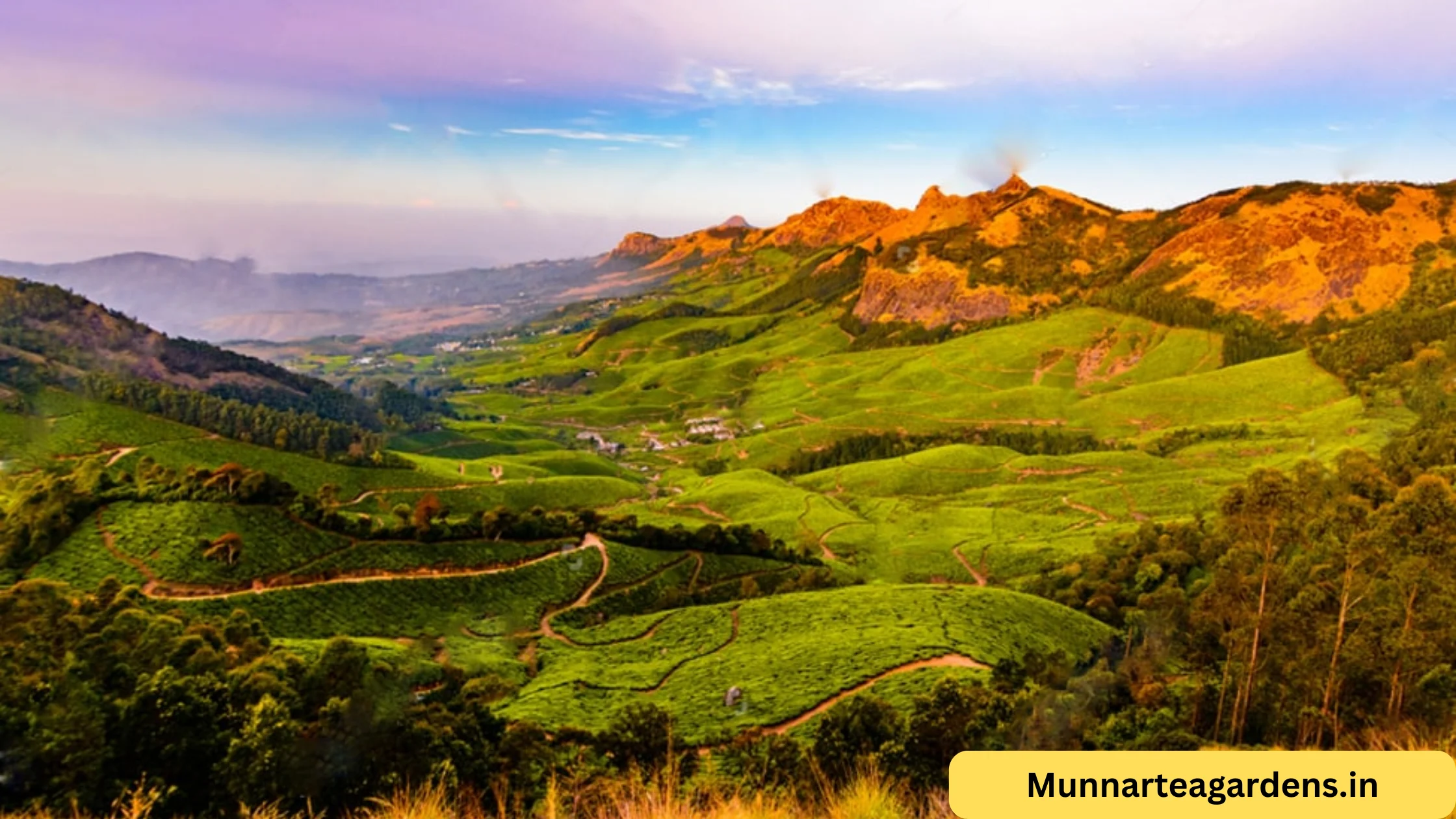
The vivid emerald of the tea plants, the hazy white of the morning clouds, and the purplish-blue of the uncommon Neelakurinji are the colors that have always characterized Munnar. But as 2026 approaches, a new hue—green—takes center stage.
Munnar has formally become a Global Responsible Tourism (RT) Destination as a result of recent historic orders from the Kerala High Court and the Kerala Tourism Department. An important milestone was reached in late 2025 when the state rebranded our cherished hill station as a “Responsible and Resilient Tourism Destination.” The Comprehensive Plastic Ban, which aims to safeguard the delicate Western Ghats for future generations, is the biggest change for tourists this year.
Here is all the information you need to be a safe and compliant traveler if you are considering a vacation to the hills this month.
What is forbidden by the 2026 Plastic Ban?
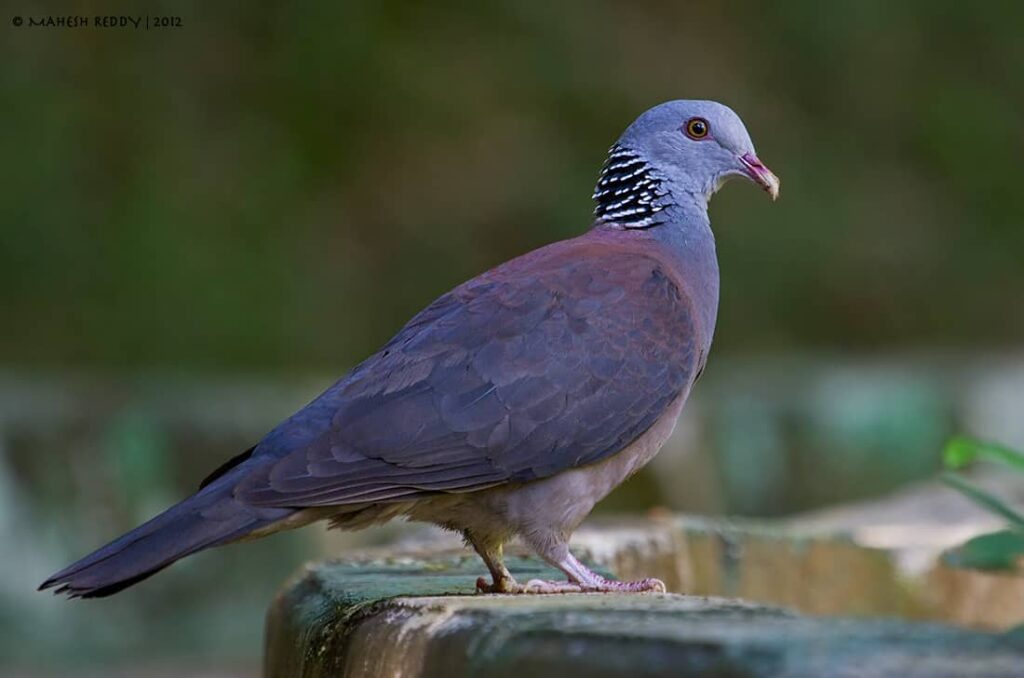
As a haven for rare species like the Nilgiri Wood Pigeon and the Nilgiri Tahr, Munnar’s environment is extremely delicate. The Kerala High Court ordered a stringent ban on single-use plastics, which went into full force on October 2, 2025, in order to safeguard our Shola forests and water bodies.
At all entry crossings, including Adimali, Neriamangalam, and Marayoor, authorities have erected strict checkpoints where cars are examined for forbidden objects.
Checklist of Banned Items:
Single-use plastic water bottles: It is completely forbidden to use any plastic container that holds five liters or less.
Soft drink bottles: Plastic bottles that hold less than two liters are seized.
Plastic Carry Bags: Regardless of thickness, non-biodegradable bags are no longer permitted.
Disposable Cutlery & Tableware: Paper cups or plates covered in plastic are no longer used, nor are plastic spoons, forks, straws, or stirrers.
Styrofoam (Thermocol): Thermocol-based packaging and ornamental products are prohibited.
The “Survive and Thrive” Tip: Don’t worry about drinking enough water! Over 100 “Smart Water Kiosks” have been built by Munnar at popular tourist destinations like the Town Center, Echo Point, and Mattupetty Dam. For a small cost of ₹5, these kiosks offer chilled, UV-filtered mountain water. Bring a premium bottle made of copper, glass, or stainless steel; it’s the latest essential item for Munnar travelers.
The Significance of Responsible Tourism (RT) in 2026
Making the shift to a Global RT Destination is more about the positive influence you can leave behind than it is about what you cannot carry. Munnar is a trailblazer in the UN’s “Women-Friendly Tourism” initiative in 2026, guaranteeing that travel benefits the entire community.
The impact of your travel in 2026:
Empowering Local Artists: You may directly support the “Her Trails” program by choosing to shop at women-led businesses or buy naturally dyed fabrics from Aranya Natural. This guarantees that local women businesses, from homestay owners to community guides, retain 70% of the tourism sector.
Carbon Offsetting and Net-Zero Objectives: Munnar is headed toward becoming a Net-Zero Travel Destination. A “Carbon Calculator” is now provided at check-in at many resorts. Contributing to neighborhood sapling plantation drives or selecting “Village Life Experience” packages that emphasize walking and bicycling over vehicle transportation are two ways to lessen your travel impact.
Maintaining the Silent Valley: The fragile Shola grasslands are vulnerable to erosion. You can preserve endangered bird breeding grounds and maintain solid soil for the next Neelakurinji bloom by following official trekking trails and refraining from “wild” camping in unapproved areas.
The Safari Experience with “Green Tag”
Eravikulam National Park, Munnar’s crown treasure, has received a significant sustainability upgrade. Electric Safari Buses have taken the place of the outdated diesel fleet as of the 2026 season.
Wildlife observations have been transformed by these emission-free, silent cars. The Nilgiri Tahr (the endangered mountain goat) and Sambar Deer are now less timid and frequently graze right next to the safari route since they don’t have to deal with the loud noise and heavy vibration of traditional engines.
Crucial Information for January 2026: With crisp air and clear skies, the park is at its most picturesque right now. In order to give new Tahr fawns a tranquil atmosphere, it is planned to close during the yearly calving season, which runs from February to March, even if it is still open until the end of this month. To guarantee your place in the new electric fleet, we advise purchasing your tickets online through the official webpage.
The 2026 Munnar Traveller’s Triple-R Rule
Here at Kerala.com Travel Division, we encourage all of our visitors to adhere to these three straightforward guidelines in order to guarantee a “hassle-free and worry-free” experience:
Refuse: Being courteous is essential. Request paper or fabric mementos instead of plastic-wrapped ones. When you buy for spices at the Munnar market, bring a reusable bag.
Be mindful that you are about to enter a “Silent Zone.” In wooded areas, keep your noise levels down. Shouting and loud music disrupt the wildlife and mar other travelers’ peaceful experience.
Replenish: Return to the land. Purchase fresh food from the farm, such as Vattavada strawberries or Marayoor jaggery. The local farmers who serve as this landscape’s primary caretakers are supported by these purchases.
Organizing Your Trip: Compliance & Logistics
We have incorporated these new requirements into all of our 2026 itineraries as an Accredited Tour Operator. To assist you in navigating the new restrictions, our drivers and guides have received specialist RT training.
Taxi Services: In keeping with the district’s green objectives, KeralaTaxi.com’s fleet now includes electric car alternatives for local touring.
Accommodation: We give top priority to reserving “RT Classified” hotels and resorts that have passed the state’s safety and gender examinations.
Entry Permits: Make sure your digital permits are prepared. Currently, Indians must pay ₹200 to enter Eravikulam, but foreigners must pay ₹500.
Concluding Remarks
The 2026 Plastic Ban is an invitation rather than a constraint. It is an invitation to see Munnar as it was meant to be: unspoiled, aromatic, and untamed. The Keralan government and the local community have pledged to make sure that, whether you stand at Top Station or gaze out over the Anayirankal Dam, you witness nature in its purest form, unadulterated by the trash of contemporary consumption.
We at Kerala.com Travel Division are honored to be your partners during this change. You are more than just a tourist when you travel with us; you are supporting one of the most effective conservation narratives in history.
Sunil Singh is a dedicated travel content writer and the founder of MunnarTeaGardens.in. He specializes in creating comprehensive, user-friendly guides on Munnar’s tea gardens, hill stations, and Kerala tourism. Drawing from the latest tourism trends, official sources, and visitor experiences, Sunil helps thousands of travelers plan safe and rewarding trips every year.