
What you’ll discover in this guide: The best hidden tea estates in Munnar, how to reach them without a tour operator, what to expect during a plantation walk, when to visit, and insider tips that most travel blogs won’t tell you.
Every year, thousands of visitors pour into Munnar, snap a few photographs at the roadside tea gardens near Top Station, and head back to their hotels convinced they’ve experienced Kerala’s famous highlands. They haven’t — not even close.
The real Munnar hides behind misty ridgelines, along narrow estate roads, and inside small plantation bungalows that don’t advertise on booking websites. These are working tea estates where generations of families have cultivated some of India’s finest orthodox teas. They smell different, sound different, and feel entirely unlike anything you’ll find near the tourist buses.
This guide is for the travellers who want that experience. We’ll take you off the standard circuit and into Munnar’s lesser-known tea country — step by step.
Why Most Visitors Miss the Hidden Plantations
Munnar receives over a million tourists annually. The majority follow the same route: Eravikulam National Park, Mattupetty Dam, Echo Point, and the tea museum near town. These are all worthwhile stops, but they represent only the outermost layer of what Munnar offers.
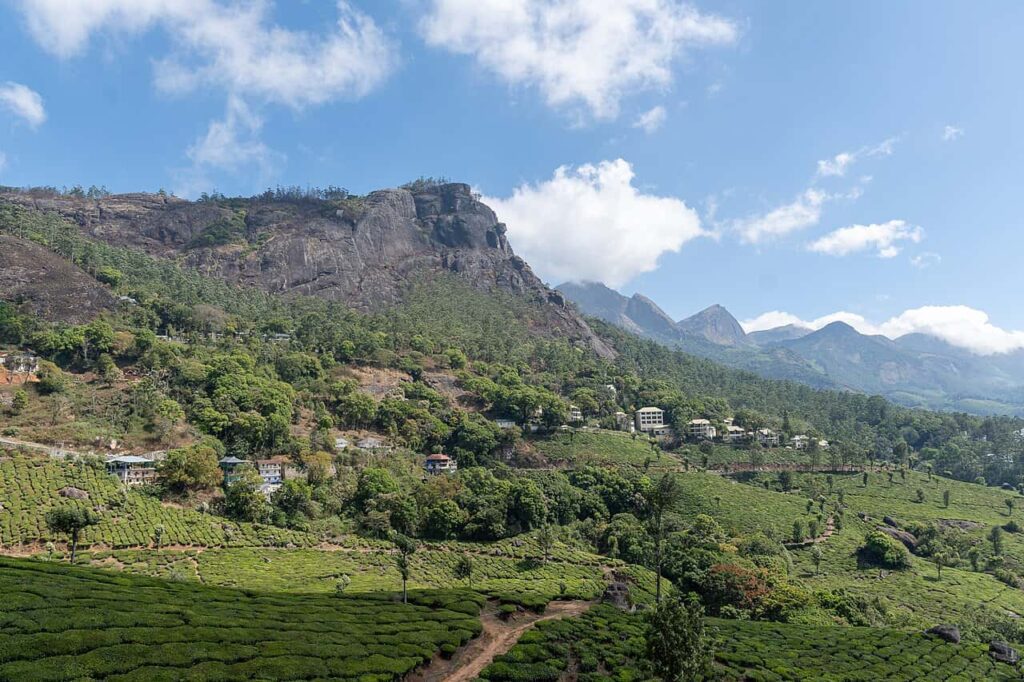
The hidden tea estates are tucked into elevation bands between 1,500 and 2,100 metres, accessible only through estate roads that don’t appear on Google Maps. Most of them are part of large private holdings owned by Tata Tea (now Tata Consumer Products), Kannan Devan Hills Plantations (KDHP), and smaller private families. Some have opened selective walking tours. Others welcome visitors only through advance arrangement.
The reason most tourists miss them is simple: they don’t ask. Local auto-rickshaw drivers, homestay owners, and estate workers know exactly where these places are. The knowledge is there — it just isn’t packaged for mass consumption.
Top Hidden Tea Plantation Areas Worth Exploring
Below are the plantation zones that experienced travellers consistently praise for their seclusion, scenery, and authentic tea culture.
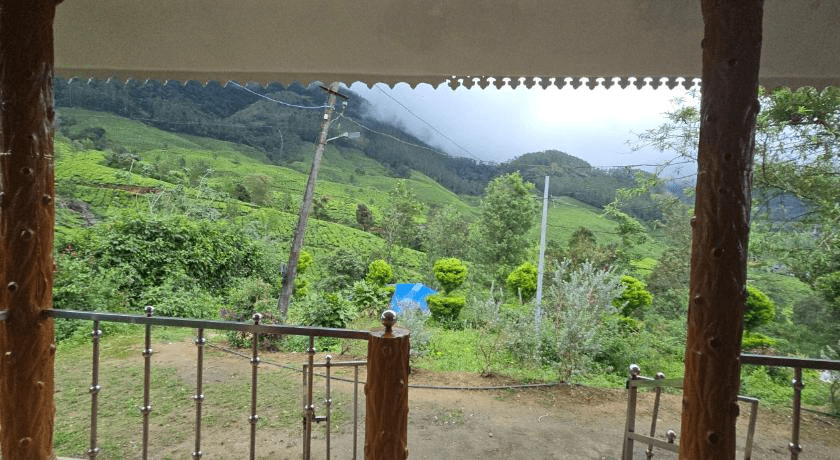
- Chinnakanal Estate Area (Upper Munnar)
Sitting at around 1,800 metres, the Chinnakanal belt offers an extraordinary density of tea cover with almost no tourist infrastructure. The roads here are narrow but motorable. Early morning walks through the estate reveal women pluckers beginning their first round — a sight that feels genuinely untouched. Several homestays along this stretch offer plantation-view rooms at a fraction of the cost of Munnar town hotels. - Pallivasal and Suryanelli Zone
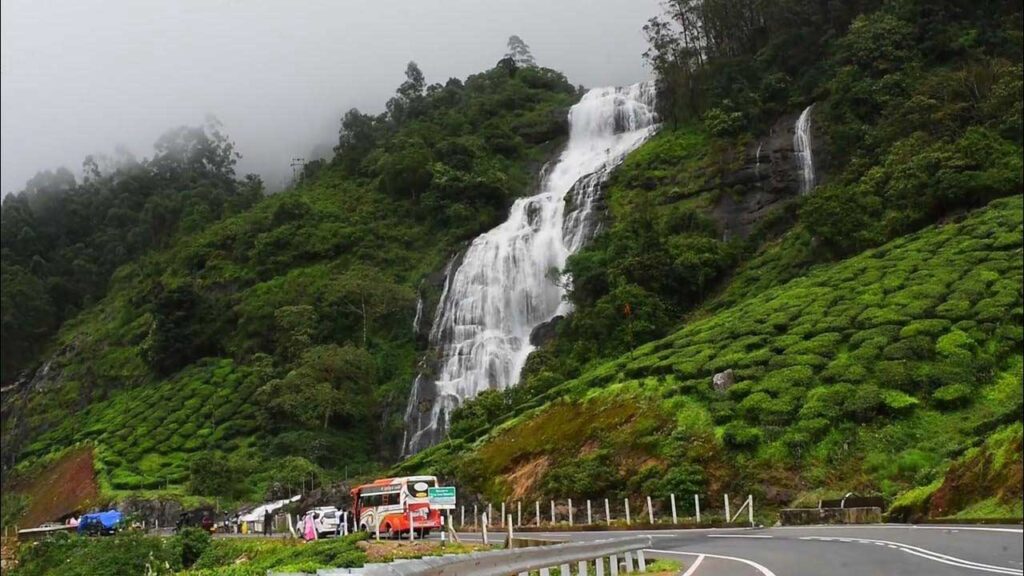
The Pallivasal area, located about 8 km from central Munnar, is known for its hydroelectric station but contains some of the most visually dramatic tea terracing in the region. The Suryanelli road winds through private estate land where the tea bushes are unusually dense and the air carries a distinctive vegetal sweetness. This route connects to small waterfalls that locals use but tourists rarely find. - Vattavada Highland Plateau
Vattavada is technically a vegetable farming village, but the approach road from Munnar passes through high-elevation tea estates that are absolutely breathtaking. At approximately 2,000 metres, the landscape shifts between tea, cardamom, and strawberry fields. The plantation walks here double as high-altitude treks, and on clear days, the views extend for dozens of kilometres. - Lockhart Gap and Adjoining Estates
The Lockhart Gap pass, connecting Munnar to the Marayoor region, cuts through estate land that sees very few tourists. The road is often shrouded in cloud, giving it a dramatic, almost cinematic quality. The tea grown at this elevation tends to be particularly high-grade, and some small estate bungalows here accept day visitors for walks and tasting sessions. - Kolukkumalai Tea Estate
No guide to hidden Munnar plantations would be complete without Kolukkumalai. Sitting at approximately 2,250 metres, it is one of the highest tea estates in the world. The factory here still operates antique British-era rolling machines that produce a tea unlike anything sold in supermarkets. The estate road is rough (a 4×4 or sturdy jeep is strongly recommended), and the sunrise from the ridge above the factory is genuinely extraordinary. This one has become slightly more known in recent years, but it still demands effort to reach — which keeps the crowds thin.
How to Actually Access These Estates
Getting to hidden plantations without a packaged tour requires a small amount of planning but is entirely doable as an independent traveller.
Hire a Local Driver, Not a Tour Operator
Ask your homestay or hotel owner to connect you with a local driver — ideally someone who lives in the plantation areas rather than in Munnar town. These drivers know which estate checkposts allow visitor entry, which roads are passable after rains, and which factory managers are willing to show visitors around. A full-day hire typically costs between ₹1,200 and ₹1,800 and is far more flexible than any organised tour.
Request Estate Walk Permissions in Advance
For Kolukkumalai and some of the larger KDHP-managed estates, it is worth calling ahead or sending an email to request a guided walk. KDHP in particular has a heritage programme for some of its estates. Be courteous, keep your group small (ideally two to four people), and you are likely to receive a warm reception.
Walk Into the Right Conversations
In smaller estate areas like Chinnakanal, simply starting a conversation with a local tea shop owner or an auto-rickshaw driver will quickly yield the names of estates where walking is informally permitted. The local community is almost universally proud of their tea culture and happy to point curious visitors in the right direction.
💡 Insider Tip: Visit the Munnar Tourism Information Centre on Old Bazaar Road before heading out. Staff there can provide a list of plantation estates registered for eco-tourism under the Kerala Tourism Responsible Tourism initiative — these estates have trained guides and fixed walk durations.
Best Season and Time of Day to Visit Tea Plantations
| Season | Months | What to Expect |
|---|---|---|
| Peak Season | September – February | Clear skies, best views, active plucking in progress, factories running at capacity |
| Shoulder Season | March – May | Warm and dry, fewer visitors, some factories slowing down before pre-monsoon pruning |
| Monsoon | June – August | Lush, intensely green landscape, roads can be treacherous, misty and dramatic atmosphere |
Within the day, the ideal time to be inside a plantation is between 6:30 AM and 10:00 AM. This is when the mist sits low over the bushes, the light is golden and diffused, and the pluckers are actively at work. By mid-morning, the sunlight flattens and the workers break. For factory tours, mid-morning to early afternoon (10 AM to 2 PM) is when most processing activity is underway.
What to Expect During a Plantation Walk
A proper plantation walk is not a manicured garden stroll. You’ll be walking on estate paths, sometimes along narrow ridges between planted rows, sometimes through sections where the waist-high bushes press close on both sides. Mud is common after rain, and the terrain can be steep.
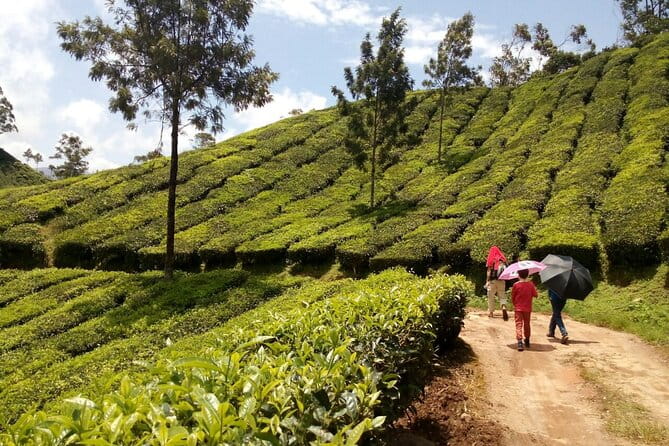
Most guided walks include three core experiences. First, you’ll observe — and often participate in — hand plucking. An experienced plucker harvests a precise two-leaves-and-a-bud combination at remarkable speed. Trying it yourself makes immediately clear why quality hand-plucked tea commands a premium. Second, you’ll visit the processing facility, where the wilting, rolling, oxidation, and drying stages are explained in sequence. The smell inside an orthodox tea factory — green and slightly grassy in the withering room, warm and nutty near the dryers — is one of those travel memories that stays with you. Third, you’ll have a tea tasting, usually three or four grades poured in sequence, from a brisk CTC (crush-tear-curl) to a more refined orthodox or white-tip variety.
⚠️ Please Note: Never enter a private tea estate without permission. Estate roads are private property and entry without authorisation is not permitted. Always confirm access through your accommodation or a registered guide service.
Practical Information for Your Visit
Where to Stay
Plantation-view homestays in Chinnakanal and Vattavada offer far more authentic experiences than Munnar town hotels. Look for properties listed under the Kerala Responsible Tourism initiative.
How to Get There
Fly into Cochin International Airport (COK), then drive approximately 130 km (3–4 hours) to Munnar via the Kothamangalam route. Taxis and buses are both available.
Estimated Costs
Plantation walk: ₹300–800 per person. Local driver for a day: ₹1,200–1,800. Homestay accommodation: ₹800–2,500 per night.
What to Wear
Closed-toe shoes with grip, light layers (mornings are cool even in summer), and clothes you don’t mind getting muddy. Carry a light rain jacket regardless of season.
Bringing Tea Home: What to Buy and Where
The best tea you’ll find in Munnar is not in the tourist shops lining the main road. It is either purchased directly at estate factory outlets or at the KDHP tea outlet near the town centre, which stocks grades not distributed through national retail chains.
Look for orthodox whole-leaf grades, particularly FTGFOP1 (Finest Tippy Golden Flowery Orange Pekoe), which represents the highest quality tier. White teas from Munnar’s highest elevations are increasingly available and make exceptional gifts. If a factory shop is open during your walk, buying directly there ensures freshness and supports the estate workers more directly than any middleman purchase does.
Frequently Asked Questions
Is it safe to travel to Munnar’s remote plantation areas alone?
Yes. Munnar and its surrounding estate areas are among the safest travel destinations in India. The plantation communities are welcoming and accustomed to visitors. Standard travel precautions apply, and having a local driver is advisable for remote roads.
Can children join plantation walks?
Absolutely. Children generally find tea plucking and factory visits highly engaging. Keep in mind that some factory areas have operating machinery, so hold younger children’s hands during factory sections of the tour.
Is Kolukkumalai accessible by normal car?
The upper portion of the Kolukkumalai road is steep and unpaved. A standard sedan may struggle, particularly after rain. It is advisable to hire a 4×4 jeep from the base village, which local operators run at reasonable shared or private rates.
How many days do I need to explore the hidden plantations properly?
A minimum of three full days is recommended if you want to cover two or three plantation zones meaningfully. Five days allows you to be more relaxed, include a trek up to Kolukkumalai, and still have time to explore Munnar town’s heritage quarter and spice markets.
Final Thoughts: The Munnar That Stays With You
The tea plantations most travellers photograph from the highway are beautiful. But they are, in the end, a backdrop. The hidden estates — the ones that require a bit of effort, a conversation with a stranger, and a willingness to drive an unpaved road — offer something fundamentally different. They offer the thing that serious travellers are always quietly looking for: the feeling of being somewhere real.
Munnar’s best-kept secret is not a waterfall or a viewpoint. It is the sound of a tea factory at work before the tourists arrive, the weight of fresh-plucked leaves in your hands, and a cup of tea poured by someone who spent their life making it perfectly. Go find that version of Munnar. It is waiting for you, just a little further up the hill.
📌 Save This Guide: Bookmark this page before your trip. Road conditions and estate access policies can change seasonally. Always verify current access with your accommodation on arrival in Munnar.
Read Also: Best Tea Gardens in Munnar for Sunrise Nature Experience

Sunil Singh is a dedicated travel content writer and the founder of MunnarTeaGardens.in. He specializes in creating comprehensive, user-friendly guides on Munnar’s tea gardens, hill stations, and Kerala tourism. Drawing from the latest tourism trends, official sources, and visitor experiences, Sunil helps thousands of travelers plan safe and rewarding trips every year.