
There’s a moment — usually just after dawn — when the mist sits so low over Munnar’s tea estates that you genuinely can’t tell where the hills end and the clouds begin. If you’re waking up inside one of the region’s heritage tea bungalows, with a cup of single-estate Darjeeling-style high-grown tea in hand and no sound except birdsong and a distant waterfall, you’ll understand why people keep coming back here.
Munnar, tucked into the Western Ghats of Kerala at elevations ranging from 1,450 to 2,695 metres, is India’s most celebrated high-altitude tea country. But beyond the well-worn tourist circuit, a quieter world exists — one of colonial-era planter bungalows, private estate trails, and curated farm-to-table experiences that luxury travellers are now discovering in growing numbers.
This guide covers the best luxury tea bungalows in Munnar for 2026, what makes each one worth its price tag, and the insider details that will help you choose the right one for your trip.
Why Munnar’s Tea Bungalows Are in a Class of Their Own
Most luxury stays sell you a view. Munnar’s heritage bungalows sell you an immersion.
These properties — many built by British planters in the late 19th and early 20th centuries — sit directly within working tea estates. You’re not looking at tea gardens from a pool deck. You’re walking through them in the early morning while pickers are already at work, attending private tea-tasting sessions with resident estate managers, and eating meals made largely from produce grown on the land around you.
The Indian tea industry produces over 1.3 billion kg of tea annually, with the Munnar high-range (grown above 1,500 metres) considered among the finest in the country due to its cool temperatures, well-distributed rainfall, and volcanic-rich soil composition. Staying on an active estate gives travellers a ground-level understanding of this industry that no day tour can replicate.
These aren’t cookie-cutter luxury hotels. Each bungalow has its own personality — shaped by whoever built it, whoever ran the estate for decades, and the particular microclimate of the valley it sits in.
Top Luxury Tea Bungalows in Munnar (2026)
1. The Bison (Windermere Estate) — For the Purist
Best for: Couples seeking authenticity without pretension | Elevation: ~1,800m
If you want to understand what staying in a working estate actually means, start here. Windermere Estate has been cultivating tea since the 1870s, and The Bison — the restored planter’s bungalow at its heart — carries that history in its teak floorboards, wood-framed windows, and the particular stillness that only old buildings in high places seem to hold.
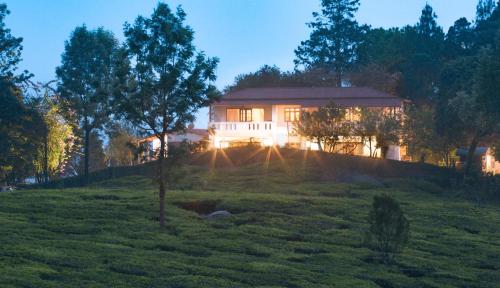
There are just four rooms. That’s intentional. The idea is that you feel like a guest of the estate, not a hotel guest. Meals are served at a communal table, and the estate manager often joins guests for evening conversations about cultivation, the monsoon cycle, and the peculiar economics of premium tea.
What sets it apart in 2026 is a newly introduced “Estate Residency” programme — a minimum 3-night stay that includes guided plantation walks, a personal tea-tasting itinerary, and a sunrise trek to the upper reaches of the estate where the finest single-flush leaves are harvested.
Practical note: No spa, no pool — and that’s the point. Guests who try to book it looking for resort amenities tend to leave disappointed. Guests who come for quiet and connection to place leave transformed.
2. Tall Trees Munnar — For the Family That Wants It All
Best for: Multi-generational families and groups | Location: Bison Valley Road
Tall Trees occupies a forested property at the edge of tea country, and it does something rare: it manages to be genuinely luxurious while remaining warm and unpretentious enough for children and grandparents alike.
The villas are spacious — some with private sit-outs overlooking a river valley, others with direct views of the estate slopes. The property has invested heavily in its food programme; their kitchen sources from both on-site cultivation and neighbouring organic farms, and the Kerala breakfast spread alone is worth the stay.
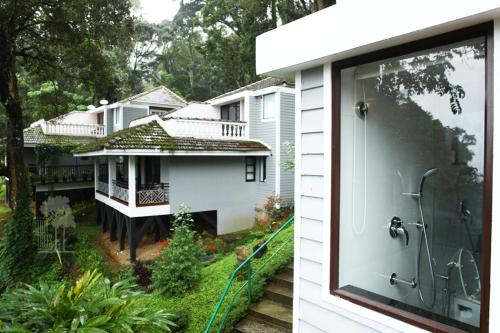
What’s new in 2026: a curated “Planter’s Life” package that takes guests through the full arc of a tea working day, from 5:30am withering room observation through mid-morning factory tours to a late-afternoon guided tasting of high-grown orthodox teas. It’s educational without being boring — their tea sommelier has a gift for making the science of oxidation feel personal.
Insider tip: Book the valley-view villas, not the garden rooms. The sunrise light on the opposite hillside around 6:15am is genuinely extraordinary.
3. Sienna Store & Café — The Boutique Darling
Best for: Design-conscious travellers, slow-travel enthusiasts | Location: Munnar Town vicinity
Sienna isn’t technically a “heritage bungalow,” but it earns its place on this list because it does something the legacy properties struggle to do: it bridges Munnar’s tea culture with contemporary design sensibility without losing its soul.
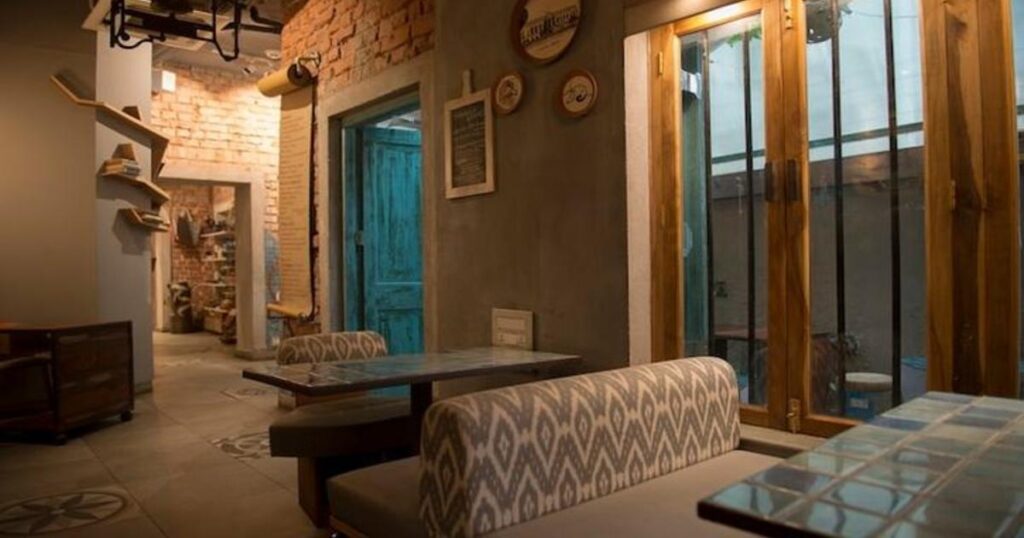
The accommodation — a handful of beautifully curated rooms — sits above a beloved local store and café that has become a reference point for conscious consumption in the region. They work directly with small-holder tea farmers, stock single-estate varieties that most resorts have never heard of, and curate a guest experience that feels like staying with a very well-read, very well-travelled friend.
The design aesthetic draws on Kerala craft traditions — handwoven textiles, terracotta accents, locally sourced furniture — without tipping into the self-conscious “heritage” décor that can feel staged.
What to expect: Slower pace, deeper conversations, exceptional food. Not suitable for guests expecting traditional hotel service, but ideal for those who find meaning in the story behind the cup.
4. Fragrant Nature Munnar — For Views and Spa Seekers
Best for: Couples on honeymoon, wellness-focused travellers | Elevation: ~1,600m
Fragrant Nature has arguably the most dramatic setting of any luxury property in the Munnar region — a steep hillside property where rooms seem to cantilever over the valley, and the nearest tea bushes are close enough to touch from certain balconies.
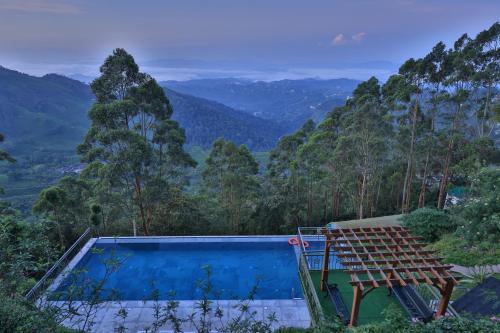
The spa is the strongest in the region by some margin. Their Ayurvedic programme draws on Kerala’s deep medical tradition (the state has been a centre of Ayurvedic practice for over 1,500 years), and the therapists here are trained in traditional Keraleeya Chikitsa methods, not the watered-down “wellness massage” versions found at most hill stations.
The tea integration is thoughtful: estate-grown green tea is used in several body treatments, the breakfast includes fresh-brewed single-estate teas paired with traditional puttu and kadala curry, and guests can request a personalised tea consultation as part of their stay.
2026 update: A new “Misty Morning Pavilion” — an open-sided teak structure at the highest point of the property — has been added for private dinners and sunrise meditation sessions. It has already become the most-photographed spot on the property’s social channels.
5. Elysian Munnar (KTDC Elite) — For Heritage Architecture Lovers
Best for: History enthusiasts, solo travellers wanting character on a budget | Location: Near Top Station Road
If the British colonial aesthetic is what draws you to Munnar’s tea country, this is the property to book. The main structure dates to the early 1900s, and while it has been updated for comfort, the architectural bones remain intact — deep verandahs, sloping tiled roofs, whitewashed walls with dark wood accents, and gardens laid out in the formal English style that planters favoured.
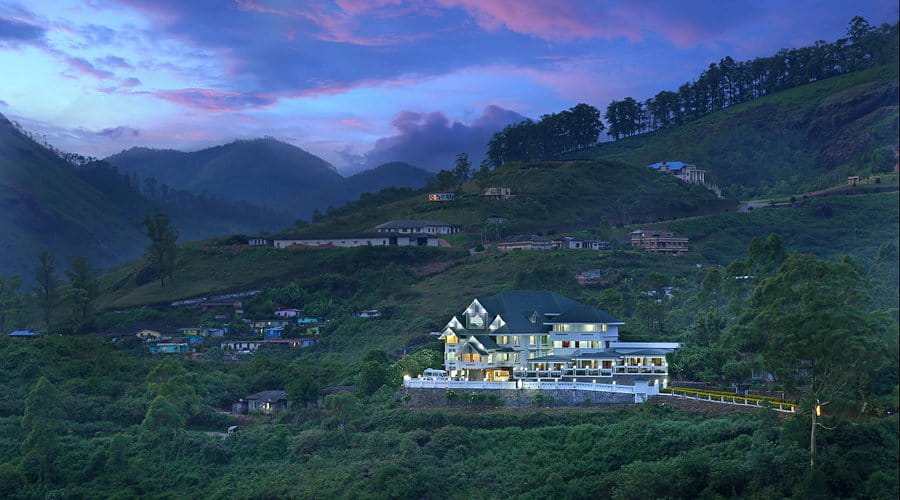
KTDC (Kerala Tourism Development Corporation) operates several heritage properties across the state with varying degrees of success, but Elysian Munnar has benefited from a careful restoration rather than a modernisation, and the result feels genuinely lived-in rather than museum-like.
The surrounding estate is primarily cardamom and pepper rather than tea, which gives it a different sensory quality — warmer, more spiced, more humid — than the high-grown tea estates further up.
Honest caveat: Service standards are inconsistent, as they often are at government-run properties. What it lacks in polish it compensates for in character and price-to-experience value.
How to Choose the Right Tea Bungalow in Munnar
Consider Elevation First
This matters more than most booking guides acknowledge. Properties above 1,800m (like Windermere) are colder, clearer, and receive more mist — which is atmospheric but can be genuinely cold, especially between November and February. Properties at 1,400–1,600m are milder year-round and better suited to guests who prefer temperate comfort.
Off-Season Is Not a Compromise — It’s a Different Experience
The post-monsoon months of October and November transform Munnar. The tea bushes are at their most vivid green, waterfalls are at full flow, and the estates are busy with the second flush harvest. Visitor numbers are lower than peak season (December–January), which means more personal attention at smaller properties and better availability at flagship bungalows.
Avoid visiting during the height of summer (April–May), when haze reduces visibility significantly and the tea bushes enter a recovery period.
Ask About the Tea Programme Before You Book
The difference between a “tea bungalow” and a “hotel near tea gardens” often comes down to whether the property has a dedicated tea education component. Before booking, ask specifically: Do they have a resident tea expert? Is there a tasting programme? Can guests access the factory floor?
Properties that can answer these questions in detail — with named staff members and specific itineraries — are the ones taking their identity seriously.
What to Expect: A Typical Day at a Munnar Tea Bungalow
5:30 AM — If you’ve arranged it with the estate manager the night before, this is when pickers begin their work. Walking with them in the first light is a rare and genuinely moving experience.
7:00 AM — Breakfast. At the best properties, this is an unhurried affair. Single-estate teas are brewed to specific temperatures and steep times; Kerala savouries appear alongside more familiar options.
9:30 AM — Factory tour. Most estates run their processing within 24 hours of picking. The smell of withering leaves is unlike anything you’ve encountered before — floral, green, faintly grassy.
12:30 PM — Lunch, followed by an afternoon that most guests spend reading on verandahs or walking the lower estate trails.
4:00 PM — Tea hour. The most knowledgeable estates offer a formal tasting at this point: three or four single-estate variants, brewed side by side, with notes on soil, altitude, and harvest date.
7:30 PM — Dinner, often served with a story. The best bungalows treat this as the centrepiece of the day.
Quick Comparison: Munnar Tea Bungalows at a Glance
| Property | Best For | Rooms | Standout Feature |
|---|---|---|---|
| The Bison (Windermere) | Authenticity | 4 | Estate Residency programme |
| Tall Trees Munnar | Families | 20+ | Planter’s Life package |
| Sienna Store & Café | Design / Culture | ~8 | Direct-trade tea sourcing |
| Fragrant Nature | Spa / Romance | 30+ | Ayurvedic wellness, views |
| Elysian Munnar (KTDC) | Heritage architecture | 15 | Colonial-era structure |
Final Thoughts: What Munnar’s Tea Bungalows Offer That No Resort Can
There’s a particular kind of slowness that happens when you spend three or four days on a working tea estate. You start to notice things. The way the light changes on the hillside at different hours. The difference in smell between a green tea withering room and a black tea oxidation room. The particular silence that follows the last picker leaving the fields at dusk.
Munnar’s luxury tea bungalows are not selling you activities or amenities in the conventional sense. They’re offering you time — structured, meaningful, unhurried time — in one of the most beautiful agricultural landscapes on earth.
In 2026, with wellness travel and slow tourism among the fastest-growing segments of the premium travel market, there’s perhaps no destination in South Asia better positioned to deliver exactly that.
Book early. The best bungalows have fewer than ten rooms for good reason — and they fill up months in advance.
Planning your Munnar trip? Bookmark this guide and check individual property websites for 2026 availability and updated pricing. High season (December–January) typically requires bookings at least 3–4 months in advance at premium estates.

Sunil Singh is a dedicated travel content writer and the founder of MunnarTeaGardens.in. He specializes in creating comprehensive, user-friendly guides on Munnar’s tea gardens, hill stations, and Kerala tourism. Drawing from the latest tourism trends, official sources, and visitor experiences, Sunil helps thousands of travelers plan safe and rewarding trips every year.