
Look at you sitting just below the knee in a sea of chilly, green mountain air, with the quiet smell of freshly harvested tea leaves rising by. India’s tea gardens are among the most beautiful locations on Earth, no matter weather the event takes place in the foggy highlands of Kerala or the wavy Nilgiri hills of Tamil Nadu.
But if you’re planning a trip in 2026 and can only pick one, the debate between Munnar and Ooty is very real. Both are legendary. Both are beautiful. And both promise experiences that will stay with you long after you’ve returned home.
So which one should you visit? That depends on who you are, what you want, and how you like to travel. Let’s break it all down.
Quick Answer: Munnar wins on sheer dramatic beauty and altitude. Ooty wins on accessibility and colonial charm. Read on to find out which is right for you in 2026.
A Tale of Two Tea Destinations
The Story Behind Munnar’s Tea Gardens
Located in the Western Ghats of Kerala at elevations reaching up to 2,695 metres, Munnar is often described as God’s own tea country — and it earns that title every single day. The town itself is relatively small, but the surrounding hills unfurl into one of the largest high-altitude tea-growing regions in the world.
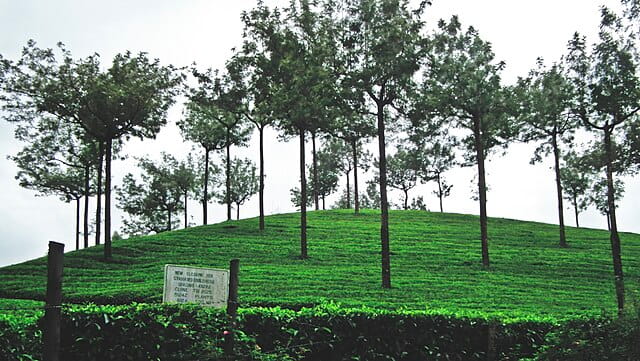
The British first established tea cultivation here in the late 1800s. The Tata Group later took over significant portions, and today, estates like Kolukkumalai (the world’s highest tea estate, situated at around 2,100 metres) draw travellers from across the globe. The tea grown here is predominantly Orthodox and CTC black tea, with a bold, robust flavour profile that reflects its high-altitude origins.
In 2026, Munnar’s infrastructure has matured considerably. Better roads, more homestay options in the interior estates, and guided forest trail experiences have elevated the destination without stripping away its raw, untouched feel.
The Story Behind Ooty’s Tea Gardens
Ooty — officially Udhagamandalam — sits in Tamil Nadu’s Nilgiri district, and has a long-standing identity as India’s most romanticised hill station. Tea arrived here too during the British colonial era, and today the Nilgiri Tea produced in and around Ooty holds a Geographical Indication (GI) tag — a mark of its unique terroir and heritage.

Estates like Doddabetta, Glenmorgan, and Havukal are embedded into the broader Ooty experience, which also includes the UNESCO-listed Nilgiri Mountain Railway, the famous botanical gardens, and a thriving local culture. Nilgiri tea is known for its bright liquor, brisk quality, and distinctive muscatel flavour, especially during the summer frost (locally called “kochai”).
Ooty in 2026 is busier than ever, with domestic tourism rebounding strongly. That’s both a blessing and a challenge for travellers seeking the quieter side of the hills.
Munnar vs Ooty: The Head-to-Head Comparison
Let’s put both destinations side by side across the criteria that matter most to travellers.
| Category | Munnar Tea Gardens | Ooty Tea Gardens |
| Altitude | Up to 2,695 m (8,842 ft) | Up to 2,240 m (7,349 ft) |
| Tea Type | Orthodox & CTC black tea | Nilgiri Orthodox & CTC |
| Best Season | Sept – May | Oct – June |
| Garden Access | Tata Tea Museum, Kolukkumalai | Doddabetta, Glenmorgan |
| Scenic Beauty | ★★★★★ Dramatic valleys | ★★★★☆ Rolling meadows |
| Crowd Level | Moderate (off-season low) | High during peak seasons |
| Factory Tours | Available (Kolukkumalai) | Available (Glenmorgan) |
| Overall Experience | Immersive & dramatic | Gentler & classic hill town |
Scenic Beauty: Where Will Your Jaw Actually Drop?
Munnar: Drama at Every Turn
Ask anyone who has driven from Cochin to Munnar through the Anamudi range, and they’ll tell you the same thing: the landscape doesn’t slowly reveal itself — it hits you all at once. Steep escarpments, cascading waterfalls like Attukal and Cheeyappara, and an endless carpet of emerald-green tea terraces make for some of the most cinematic scenery in all of South India.
The Eravikulam National Park sits right beside the tea estates, home to the endangered Nilgiri Tahr. Sunrise at Top Station — a viewpoint at 1,700 metres — offers views into the neighbouring state of Tamil Nadu that are simply unmatched. Munnar’s beauty is dramatic, angular, and deeply immersive.

Pro Tip: Visit Kolukkumalai by jeep for sunrise. The views over the tea valleys at dawn, with low clouds threading between the rows, are among the most stunning experiences in all of Indian travel.
Ooty: Softer, Sweeter, More Painterly
Ooty’s scenery tells a different story — one of rolling meadows, eucalyptus forests, and neatly ordered tea rows that feel almost European in their manicured calm. The Doddabetta Peak at 2,637 metres is the highest point in the Nilgiris and offers panoramic views on clear days.

The tea gardens here lack the raw altitude drama of Munnar, but what they offer instead is a kind of pastoral gentleness — wide valleys, neat hedgerows, colonial bungalows peering out from between the tea bushes. If Munnar is a blockbuster, Ooty is an art film.
The Tea Experience Itself: Plucking, Tasting, and Learning
Munnar: From Bush to Cup
Munnar offers several structured tea experiences that go beyond just standing in a field. The Tata Tea Museum near Nallathanni Estate is an excellent starting point — it walks you through the history of tea in the Kannan Devan hills, with exhibits on plucking techniques, processing methods, and the social history of plantation labour.
The crown jewel, though, is Kolukkumalai Tea Factory — an old wooden factory still using original British-era machinery. Tours here are informal and hands-on. You can watch workers sort and dry leaves the traditional Orthodox way, then sip a cup made on-site. Visitors consistently describe it as one of the most authentic factory experiences in India.
What You Can Do at Munnar Tea Estates:
- Guided tea-plucking walks on working estates
- Factory tours at Kolukkumalai (jeep access, 4WD required)
- Tea-tasting sessions at the Tata Tea Museum
- Overnight stays in estate bungalows (Windermere, Strawberry Hills)
Ooty: Nilgiri Tea and Heritage
Ooty’s tea experience is woven into the town’s colonial fabric. The Glenmorgan Tea Estate — about 28 km from Ooty — is one of the most accessible working estates open to visitors. Situated at around 1,800 metres, it offers guided walks, factory tours, and tea-tasting sessions in a setting that feels lifted from a 1930s postcard.
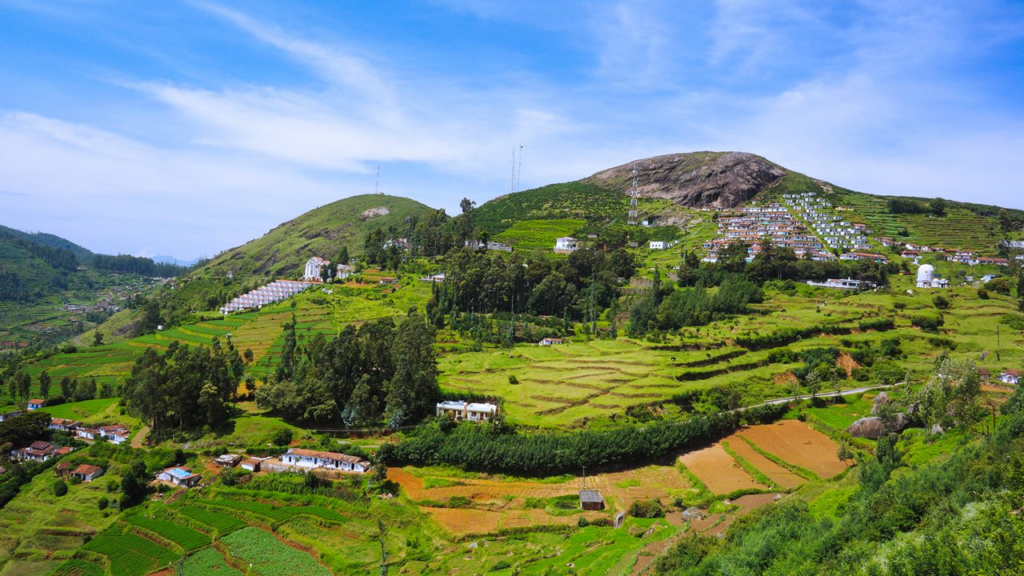
The Tea Factory & Museum on Commercial Road right in Ooty town is a popular stop for first-time visitors — it’s smaller than Munnar’s offerings, but perfectly set up for travellers short on time. The distinctive Nilgiri muscatel flavour, especially prized during the cold season, is something Ooty uniquely owns.
What You Can Do at Ooty Tea Estates:
- Glenmorgan Estate tour and tea tasting (most popular)
- In-town tea factory visits on Commercial Road
- Buy Nilgiri GI-tagged tea directly from estate shops
- Combine with the Nilgiri Mountain Railway for a heritage experience
Best Time to Visit in 2026
Munnar: September to May Is the Sweet Spot
Munnar’s tea gardens look their best after the monsoon — roughly from September through May. The post-monsoon period (September–November) is especially spectacular: the estates are freshly washed, waterfalls run full, and the skies clear up beautifully. Temperatures range from 10°C to 25°C, making walking the gardens genuinely pleasant.
Avoid peak monsoon months (June–August) unless you genuinely love dramatic mist and don’t mind slippery roads. December and January bring cooler temperatures and are popular among domestic tourists, so expect some crowds but excellent weather.
Ooty: October to June Works Well
Ooty’s best window is October through June, with the summer months (April–June) being the peak tourist season — and often the most crowded. If you’re visiting purely for the tea gardens, aim for the shoulder months: October–November or February–March, when visitor numbers are lower and the Nilgiri hills are at their most verdant.
The town can get extremely crowded during May–June holidays, especially on weekends. Book accommodation well in advance if your travel falls in this window.
2026 Planning Tip: Both destinations have seen increased domestic footfall post-2023. For the most peaceful experience, arrive on weekdays and book estate-based accommodation rather than town hotels.
Getting There: Accessibility Compared
Reaching Munnar
The nearest major airport is Cochin International Airport (COK), about 110 km away — a roughly 3.5 to 4-hour drive through winding ghat roads. Alternatively, travellers from South India often take a train to Ernakulam or Aluva and then drive up. There’s no direct rail to Munnar itself, and the last stretch is always a road journey through mountain curves.
Munnar’s roads have improved significantly over the past few years, but the ghat sections remain narrow and slow. Hiring a local driver is strongly recommended over self-driving for first-time visitors.
Reaching Ooty
Ooty is served by Coimbatore Airport (CJB), approximately 88 km away. There’s also the option of taking the iconic Nilgiri Mountain Railway from Mettupalayam — a UNESCO World Heritage route that’s one of the finest train journeys in India. The cog railway climbs through forests and tea gardens, and the journey itself is worth the trip.
Compared to Munnar, Ooty is slightly easier to access with more transport options, making it a natural choice for travellers with tighter schedules.
Who Should Visit Munnar and Who Should Visit Ooty?
Choose Munnar If You…
- Want the most dramatic, high-altitude tea scenery in India
- Are interested in an immersive, hands-on tea estate experience
- Love trekking, wildlife, and nature (Eravikulam, Anamudi)
- Are comfortable with a slightly longer, winding journey to get there
Choose Ooty If You…
- Want a hill station experience with tea gardens as one part of the trip
- Are travelling with kids, seniors, or first-time hill station visitors
- Want to combine the Nilgiri Mountain Railway with your tea visit
- Prefer a more accessible destination with more dining and accommodation options
The Verdict: Which Is Better to Visit in 2026?
Here’s the honest truth: there is no wrong answer. These two destinations serve different kinds of travellers, and the best one is simply the one that fits your trip.
That said, if we’re talking about pure, undiluted tea garden experience — the drama of the estates, the authenticity of the factory, the scale of the plantation landscape — Munnar edges ahead. Kolukkumalai alone is worth the journey. There’s nowhere else in India quite like standing at 8,000 feet, breathing in Darjeeling-cold air, and watching a century-old wooden factory churn out perfectly orthodox black tea.
Ooty, on the other hand, rewards those who see the tea gardens as part of a richer hill station experience. The Nilgiri Mountain Railway, the colonial architecture, the botanical gardens — Ooty bundles it all into one charming, if sometimes crowded, package. And its Nilgiri tea is genuinely world-class, with the muscatel frost tea being something truly special for connoisseurs.
Bottom Line: For tea enthusiasts and serious nature travellers — go to Munnar. For families, first-time hill visitors, and those who want variety — Ooty delivers a fuller, more rounded escape.
Frequently Asked Questions
Is Munnar better than Ooty for a tea garden visit?
For a dedicated tea estate experience, Munnar generally offers more dramatic landscapes and more immersive plantation visits, particularly at Kolukkumalai. However, Ooty’s Nilgiri tea has a distinct, prized flavour and the destination is more accessible. Both are excellent; your choice depends on your priorities.
Which is closer from Bangalore — Munnar or Ooty?
Ooty is significantly closer to Bangalore — approximately 270 km via Mysore, roughly a 5–6 hour drive. Munnar is about 460–470 km from Bangalore, making it a longer journey (8+ hours by road or via flight to Cochin).
Can you visit both Munnar and Ooty on the same trip?
Yes, many travellers do a combined Kerala-Tamil Nadu circuit. A typical route goes: Cochin → Munnar (2–3 nights) → Thekkady → Coimbatore → Ooty (2 nights). The drive between Munnar and Ooty takes approximately 6–7 hours via Udumalpet.
What is the best month to visit Munnar or Ooty in 2026?
For Munnar, September to December is ideal — post-monsoon freshness, clear skies, and lower crowds. For Ooty, October–November or February–March offer the best balance of good weather and manageable tourist numbers. Both destinations are worth avoiding during peak summer long weekends.
Final Thoughts
India’s tea gardens are living, breathing cultural landscapes — places where history, ecology, and daily labour intersect in the most beautiful way. Whether you choose the high-altitude drama of Munnar or the colonial elegance of Ooty, you’re choosing to slow down, breathe deeply, and reconnect with something ancient and grounding.
In 2026, both destinations are worth every minute. So if you truly can’t decide — maybe the real answer is to visit both.
Have you visited Munnar or Ooty? Which did you prefer? Share your experience in the comments below.
Read Also: Lesser Known Villages Near Munnar: Hidden Places Beyond the Tea Gardens

Sunil Singh is a dedicated travel content writer and the founder of MunnarTeaGardens.in. He specializes in creating comprehensive, user-friendly guides on Munnar’s tea gardens, hill stations, and Kerala tourism. Drawing from the latest tourism trends, official sources, and visitor experiences, Sunil helps thousands of travelers plan safe and rewarding trips every year.