Most people who visit Munnar follow the same well-worn path — Mattupetty Dam, Echo Point, Eravikulam National Park. They take their photos, sip a cup of tea at a roadside stall, and head back to their hotel feeling like they’ve “done” Munnar.
But here’s what they miss.
Tucked deep within the rolling hills and emerald tea estates of Munnar lies a completely different world — one that doesn’t show up on the first page of travel blogs. Narrow mist-covered trails that lead to private tea-tasting bungalows. Ancient waterfalls surrounded by cardamom groves. Villages where tea pluckers have been following the same morning ritual for over 150 years.
If you’re planning a trip to Munnar in 2026, this guide is your insider pass. Whether you’re a solo traveler chasing solitude, a couple looking for a quiet retreat, or a family eager for a genuine cultural experience — these hidden gems in Munnar’s tea gardens will genuinely surprise you.
Why Munnar’s Tea Gardens Are More Than Just a Backdrop
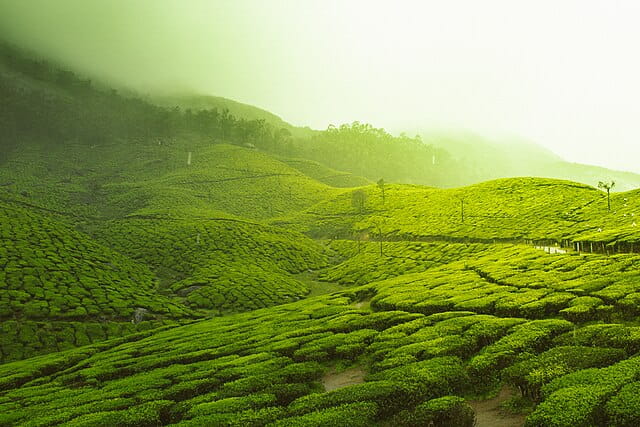
Munnar sits at an elevation of roughly 1,600 metres (5,200 feet) above sea level in the Idukki district of Kerala. The region produces over 60,000 tonnes of tea annually and is home to some of India’s most scenic high-altitude plantations.
What most travel itineraries don’t tell you is that the tea garden landscape itself is a living ecosystem — a mosaic of tea bushes, shola forests, mountain streams, and tribal settlements that stretch across more than 30,000 hectares of the Western Ghats.
According to the Tea Board of India, the Munnar region has been a continuous tea-growing zone since the 1870s, when British planter John Daniel Munro first established estates here. That’s nearly 150 years of layered history waiting to be explored — if you know where to look.
Hidden Gems in Munnar’s Tea Gardens: The 2026 Traveler’s List
1. Kolukkumalai — The World’s Highest Tea Estate
Why it’s special: At approximately 2,600 metres above sea level, Kolukkumalai is widely recognised as the world’s highest tea estate. It sits on the Tamil Nadu–Kerala border and most GPS maps will confidently try to lead you astray to get there.
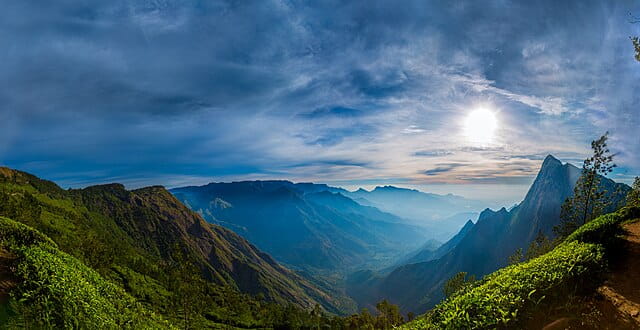
The road to Kolukkumalai is one of the steepest jeep tracks in South India — and that’s exactly what makes it magical. The 13-kilometre ascent through dense eucalyptus forests offers jaw-dropping views of the Palani Hills and, on clear mornings, stretches all the way to the Pambar river valley below.
At the top, you’ll find a colonial-era tea factory that still uses machinery from the 1930s. The factory manager, if you arrive early enough, will often let you watch the orthodox tea processing method — withering, rolling, fermenting — the old-fashioned way. No conveyor belts. No automation. Just honest, hands-on craftsmanship.
Insider tip: Sunrise at Kolukkumalai is genuinely one of the most extraordinary experiences in all of South India. Plan to reach the base by 4:30 AM and complete the jeep ride before dawn. Carry a heavy jacket — temperatures can drop to 4–6°C in peak winter months (December to February).
Best time to visit: October to February for clear skies; post-monsoon months (September–October) offer lush green landscapes and dramatic cloud formations.
2. Chinnakanal Waterfalls — Munnar’s Best-Kept Secret
Why it’s special: About 20 kilometres from Munnar town, Chinnakanal is a quiet village surrounded by cardamom and tea estates that sees a fraction of the tourist footfall that more famous spots attract. The area is dotted with multiple small waterfalls, the most accessible being the Power House Falls — a stunning double cascade that plunges into a rocky pool surrounded by thick shola vegetation.
What makes Chinnakanal particularly interesting for 2026 travellers is the growing network of homestays run by local Muthuvan tribal families. These are not polished resort experiences. They are genuine — clay walls, wood-fire cooking, and evenings spent learning to identify medicinal plants used for generations.
Local guide Rajan, who has been leading treks through Chinnakanal for nearly two decades, describes it simply: “Most tourists go to see the tea gardens. The people who stay here start to understand them.”
Don’t miss: The cardamom processing units near the village market, open most mornings. The smell alone is worth the detour.
3. Lockhart Gap — A Forgotten Colonial Trail
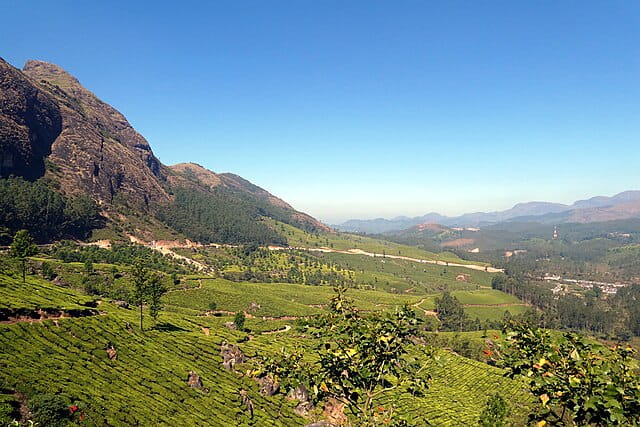
Why it’s special: Lockhart Gap is a mountain pass about 13 kilometres from Munnar that cuts between the Anamudi Shola National Park and the Rajamala Range. Named after a British surveyor, the pass has a narrow, slightly overgrown trail that follows what was once a colonial-era inspection path used by estate managers to walk between plantations.
Today, it’s mostly visited by birdwatchers. The Nilgiri wood pigeon, the laughingthrush, and the rare Broad-tailed Grassbird have all been spotted along this stretch. According to the Kerala Forest Department’s biodiversity surveys, the shola ecosystems around Lockhart Gap are among the most species-rich habitats in the entire Western Ghats.
For photography enthusiasts: The gap offers a natural framing effect — dense tea bushes on either side of the trail, with the valley opening dramatically below. Early morning light between 6:30 and 8:00 AM turns this scene into something almost unreal.
Getting there: Take the Munnar–Devikulam road and watch for a small signboard near the 13 km marker. The trail is unmarked beyond that — go with a local guide if it’s your first visit.
4. Pothamedu Viewpoint & the Estates Beyond
Why it’s special: Pothamedu is technically on the tourist map, but most visitors stop at the main viewpoint and turn around. The real magic lies 3–4 kilometres further along a dirt path that winds through working tea, coffee, and cardamom estates that are still privately owned and rarely visited.
Walking this trail on a quiet weekday morning is a completely different experience from the crowded main viewpoint. You’ll pass workers’ quarters with little kitchen gardens, small temples wrapped in marigold garlands, and occasionally encounter groups of tea pluckers singing traditional folk songs — a practice that’s unfortunately becoming rarer as the industry modernises.
Cultural insight: The tea pluckers of Munnar are predominantly Tamil-speaking women from communities that migrated to these hills during British rule. Their songs — called Kummi in some communities — are a living archive of migration, hardship, and resilience. Several researchers from the Kerala Folklore Academy have documented these traditions over the past decade, describing them as a unique intangible cultural heritage.
Best experience: Ask your homestay host to arrange an early morning walk here. The golden hour light across the valley, combined with the sound of plucking and singing, creates a memory that no resort swimming pool can match.
5. Marayoor Sandalwood Forest & Munnar’s Forgotten Frontier
Why it’s special: About 40 kilometres from Munnar town, Marayoor is Kerala’s only natural sandalwood forest — and it’s spectacularly undervisited. The drive from Munnar passes through some of the most dramatic landscape transitions in the Western Ghats, moving from lush tea plantations to semi-arid Deccan-style grasslands in the span of just a few kilometres.
Marayoor also has Muniyara — a cluster of prehistoric Neolithic dolmens believed to be over 3,000 years old. These stone burial chambers, scattered across a hillside, are almost completely devoid of signage or tourist infrastructure, which makes the experience all the more compelling.
Pair it with: The Chinnar Wildlife Sanctuary, just 20 kilometres from Marayoor, is one of the least crowded wildlife reserves in Kerala. It’s home to elephants, leopards, star tortoises, and the endangered grizzled giant squirrel — one of the rarest mammals in India.
2026 travel note: The Munnar–Marayoor route has seen improved road conditions as of 2025, making it accessible to regular cars. However, the Chinnar section still requires a wildlife permit, which can be arranged at the sanctuary entrance.
6. Anayirangal Dam & the Quiet Waters Nobody Talks About
Why it’s special: Mattupetty Dam gets all the attention. But Anayirangal, about 22 kilometres from Munnar, offers almost everything Mattupetty does — misty reservoir, rolling hills, tea estate views — with roughly one-tenth of the crowd.
The area around Anayirangal is part of the KDHP (Kanan Devan Hills Plantations) estate system, and the reservoir is flanked on three sides by continuous tea plantations that slope gently into the water. On still mornings, the reflection of the green hills on the surface creates a mirror-like effect that photographers absolutely love.
There are no boat rides here. No vendors. No loudspeakers. Just the sound of water, wind, and the distant hum of tea factory machinery.
Practical note: There’s no formal parking lot or tourist infrastructure. Park responsibly along the roadside and carry your own water.
7. Tea Estate Bungalows: Stay Where History Was Made
Why it’s special: Several colonial-era planter bungalows within Munnar’s tea estates have been converted into boutique stays in recent years. These are not luxury hotels — they are original structures from the early 1900s, often positioned on hilltops with panoramic views of the surrounding gardens.
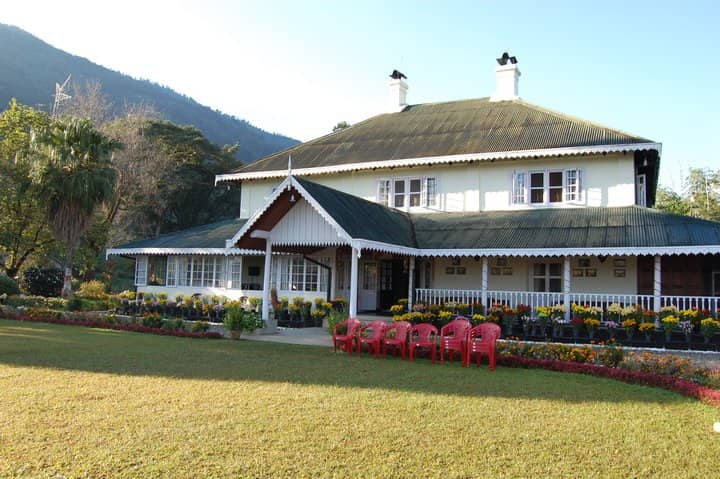
Staying in a planter’s bungalow gives you an entirely different relationship with the landscape. You wake up surrounded by tea bushes. Breakfast is served on a veranda that looks out over miles of uninterrupted green. The estate manager or local staff will often share stories about the plantation’s history that you simply won’t find in any guidebook.
Some estates also offer short guided walks through their gardens, where you can learn about the difference between orthodox and CTC (Crush, Tear, Curl) processing methods, understand how altitude affects flavour profiles, and — importantly — actually taste the teas at the source.
Booking tip: Many of these bungalows are not listed on mainstream booking platforms. Reaching out directly to KDHP heritage stays or local travel operators in Munnar typically yields better availability and more authentic experiences.
Practical Travel Tips for Munnar in 2026
Best Time to Visit Hidden Spots
The shoulder seasons — March to May and September to November — are ideal for exploring offbeat Munnar. The monsoon (June–August) makes some trails inaccessible but rewards those who brave it with extraordinary green landscapes. Peak winter (December–January) is cold but crystal clear — perfect for sunrise experiences at Kolukkumalai.
Getting Around
Most offbeat locations in Munnar require either a jeep rental or a guided trek. Auto-rickshaws are available for locations within 10–15 kilometres of the town centre. For places like Kolukkumalai and Chinnar, a hired jeep with a local driver is the only practical option.
Responsible Travel in Tea Garden Areas
These are working landscapes — not theme parks. A few guidelines that make a real difference:
- Always ask permission before entering private estate areas.
- Do not pluck tea leaves as a souvenir gesture; it disrupts the harvest cycle.
- If you’re photographing tea pluckers, introduce yourself first. Many are happy to interact, but the respect matters.
- Carry out all your waste. Many of these areas have no municipal waste collection.
What to Carry
High-altitude areas like Kolukkumalai require warm layers even in summer. Waterproof shoes are strongly recommended for monsoon visits. A reusable water bottle, basic first-aid kit, and offline map (Google Maps or Maps.me downloaded for the Idukki region) are essentials.
A Final Thought: Slow Down in Munnar
Travel in 2026 is increasingly about meaning over movement. Munnar’s tea gardens reward exactly that kind of travel.
The hidden places described in this guide don’t have entrance gates or souvenir shops. They have silence, and history, and the kind of beauty that takes a few minutes to fully settle in. They have people — pluckers and farmers and forest guides — who carry knowledge that no app can replicate.
If you give Munnar more than a weekend, it will give you more than photographs.
Plan your next Munnar experience with us at MunnarTeaGardens.in — where every route we recommend starts with the question: what do you actually want to feel?

Sunil Singh is a dedicated travel content writer and the founder of MunnarTeaGardens.in. He specializes in creating comprehensive, user-friendly guides on Munnar’s tea gardens, hill stations, and Kerala tourism. Drawing from the latest tourism trends, official sources, and visitor experiences, Sunil helps thousands of travelers plan safe and rewarding trips every year.