
Munnar is one of the most famous tea-producing regions in India. Located in the Western Ghats of Kerala, this hill station is covered with lush green tea gardens that stretch as far as the eye can see. Many travelers visit Munnar not just for its scenic beauty but also to learn how tea is made in its factories.
If you have ever wondered how fresh green leaves turn into the tea you drink every day, this guide will explain everything in simple words. From plucking leaves in the fields to packing tea in factories, every step plays an important role in creating the perfect cup.
Overview of Tea Production in Munnar
Tea production in Munnar mainly focuses on black tea, although green tea and other varieties are also made. The cool climate, high altitude, and frequent rainfall make it ideal for growing tea plants.
Most tea estates in Munnar follow a well-organized system:
- Tea leaves are plucked by hand
- Leaves are quickly transported to factories
- Processing begins within hours to maintain freshness
Step 1: Plucking Tea Leaves
The process starts in the tea gardens. Workers carefully pluck the top two leaves and a bud from each plant. This is considered the best quality part of the tea plant.
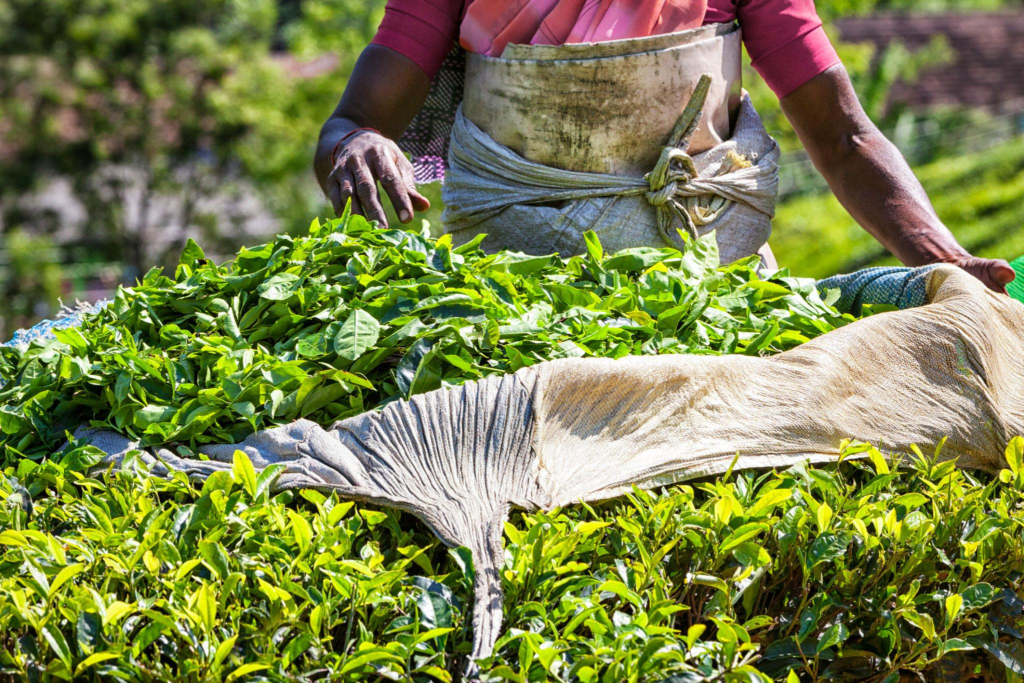
Key Points:
- Plucking is usually done by hand
- Only fresh and tender leaves are selected
- Leaves are collected in baskets
This step is very important because the quality of tea depends on the leaves chosen.
Step 2: Withering Process
After plucking, the leaves are taken to the factory and spread out on large trays or troughs. This process is called withering.
What Happens in Withering:
- Leaves lose moisture
- Leaves become soft and flexible
- Weight reduces by about 30–40%
Withering usually takes 12 to 20 hours depending on weather conditions.
Step 3: Rolling the Leaves
Once the leaves are soft, they are rolled using machines. Rolling twists the leaves and breaks their cells.
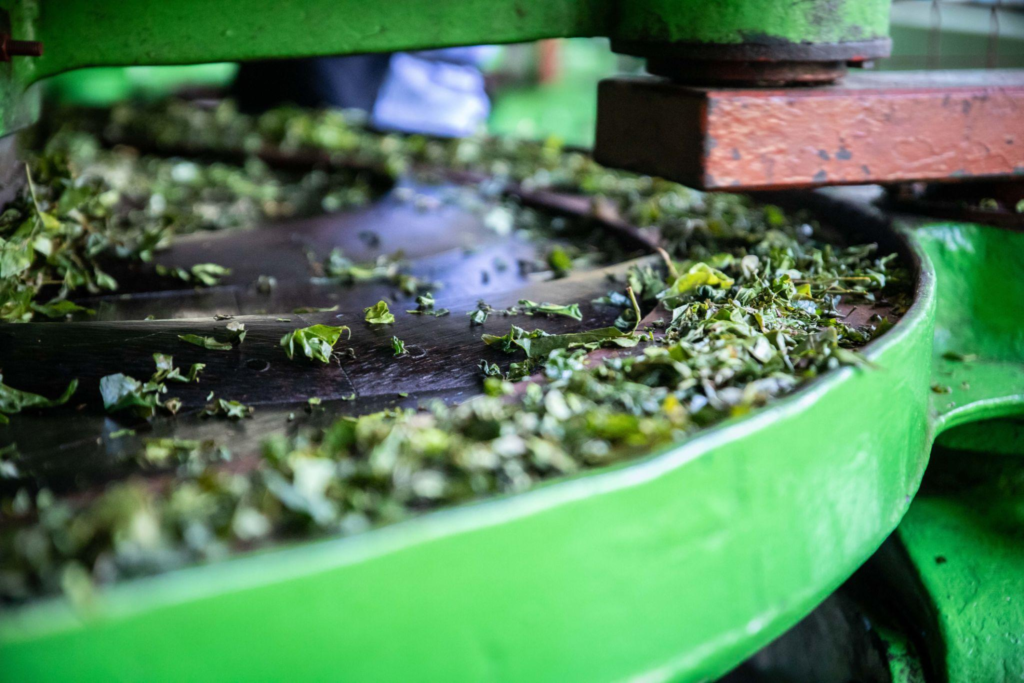
Why Rolling is Important:
- Releases natural juices
- Starts the oxidation process
- Shapes the tea leaves
This step gives tea its flavor and aroma.
Step 4: Oxidation (Fermentation)
After rolling, the leaves are spread out again for oxidation. This step is sometimes called fermentation, but it does not involve bacteria.
What Happens:
- Leaves react with oxygen
- Color changes from green to brown
- Flavor develops
The time of oxidation determines the type of tea:
- Short oxidation → green tea
- Full oxidation → black tea
Step 5: Drying (Firing)
Next, the oxidized leaves are dried using hot air. This step stops oxidation and removes remaining moisture.
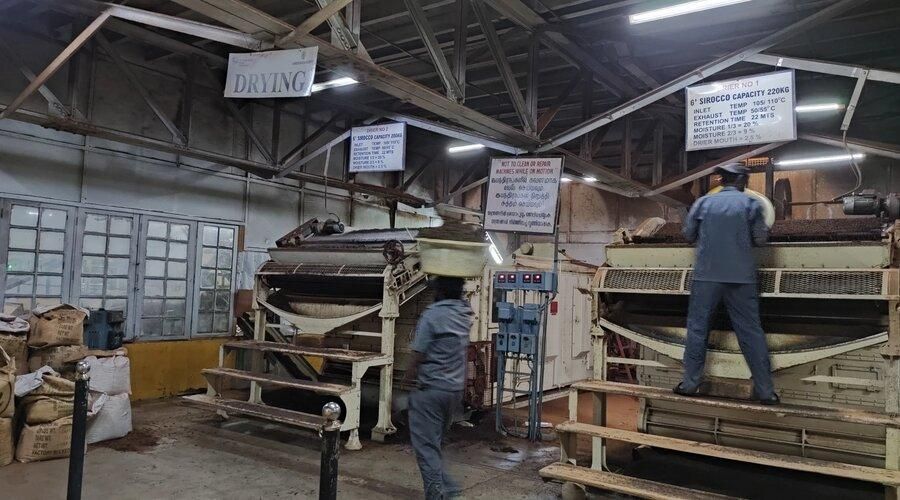
Key Points:
- Leaves become crisp and dark
- Moisture is reduced to about 2–3%
- Tea becomes stable for storage
Drying locks in the flavor created during oxidation.
Step 6: Sorting and Grading
After drying, tea leaves are sorted based on size and quality.
Types of Grades:
- Whole leaf tea
- Broken leaf tea
- Dust tea
Grading does not mean better or worse quality. It only refers to size and appearance.
Step 7: Packing and Distribution
Finally, the processed tea is packed into boxes, bags, or tea packets.
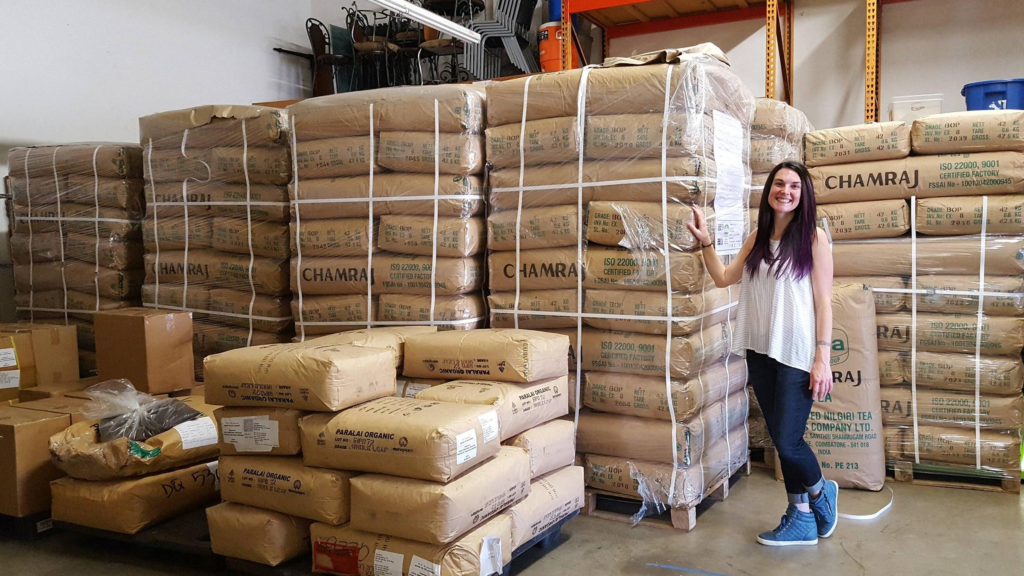
What Happens Next:
- Tea is sent to markets
- Exported to different countries
- Sold in local shops
Munnar tea is known for its strong flavor and refreshing taste.
Types of Tea Made in Munnar
Different types of tea are produced in Munnar depending on how the leaves are processed.
1. Black Tea
- Fully oxidized
- Strong flavor
- Most common type
2. Green Tea
- Not oxidized
- Light and fresh taste
- Healthy option
3. White Tea
- Minimal processing
- Very delicate flavor
- Expensive and rare
4. Oolong Tea
- Partially oxidized
- Between green and black tea
Machines Used in Munnar Tea Factories
Tea factories in Munnar use modern machines along with traditional methods.
Common machines include:
- Withering troughs
- Rolling machines
- Oxidation trays
- Drying ovens
- Sorting machines
These machines help maintain quality and speed up production.
Best Time to Visit Tea Factories in Munnar
If you want to see the tea-making process live, the best time to visit is:
- October to March (pleasant weather)
- Morning hours (processing is active)
Many tea estates offer guided tours where you can see each step in real time.
Popular Tea Factories to Visit in Munnar
Tata Tea Museum is one of the most popular places where visitors can learn about tea history and processing. It provides demonstrations and detailed explanations of how tea is made.
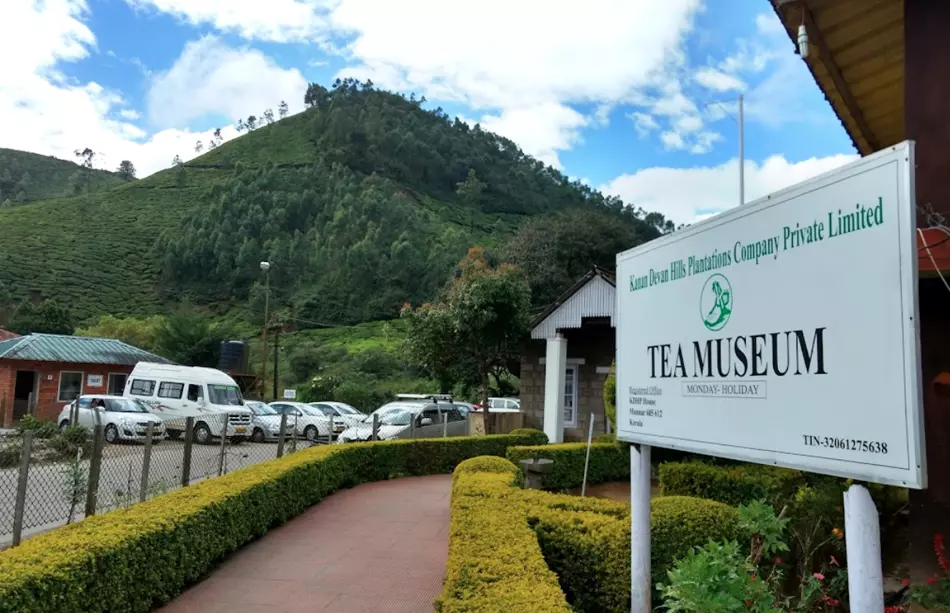
Other private tea factories also allow guided tours with permission.
Why Munnar Tea Is Famous
Munnar tea is loved worldwide because of:
- High altitude cultivation
- Fresh mountain air
- Skilled workers
- Traditional processing methods
Many regular visitors say that tea from Munnar has a unique taste that is hard to find anywhere else.
FAQs About Tea Processing in Munnar
How long does it take to make tea in factories?
The full process takes around 24 to 48 hours from plucking to final product.
Is tea made daily in Munnar factories?
Yes, tea processing happens almost every day during the harvesting season.
Can tourists see the tea-making process?
Yes, many factories allow guided tours.
What is the most important step in tea processing?
Each step is important, but oxidation plays a major role in flavor development.
Is Munnar tea organic?
Some estates produce organic tea, but not all tea is organic.
Tips for Visitors
- Wear comfortable shoes for plantation visits
- Visit early in the day for better experience
- Follow factory rules during tours
- Buy fresh tea directly from factories
Conclusion
Tea production in Munnar is a fascinating process that combines nature, skill, and technology. From carefully plucked leaves in the gardens to perfectly packed tea in factories, every step is important.
Understanding how tea is made helps you appreciate the effort behind every cup. If you ever visit Munnar, make sure to explore a tea factory and see the process with your own eyes. It will completely change the way you look at tea.
Read Also: Munnar Tea Garden Entry Fee 2026: Price, Timing & Tips

Sunil Singh is a dedicated travel content writer and the founder of MunnarTeaGardens.in. He specializes in creating comprehensive, user-friendly guides on Munnar’s tea gardens, hill stations, and Kerala tourism. Drawing from the latest tourism trends, official sources, and visitor experiences, Sunil helps thousands of travelers plan safe and rewarding trips every year.