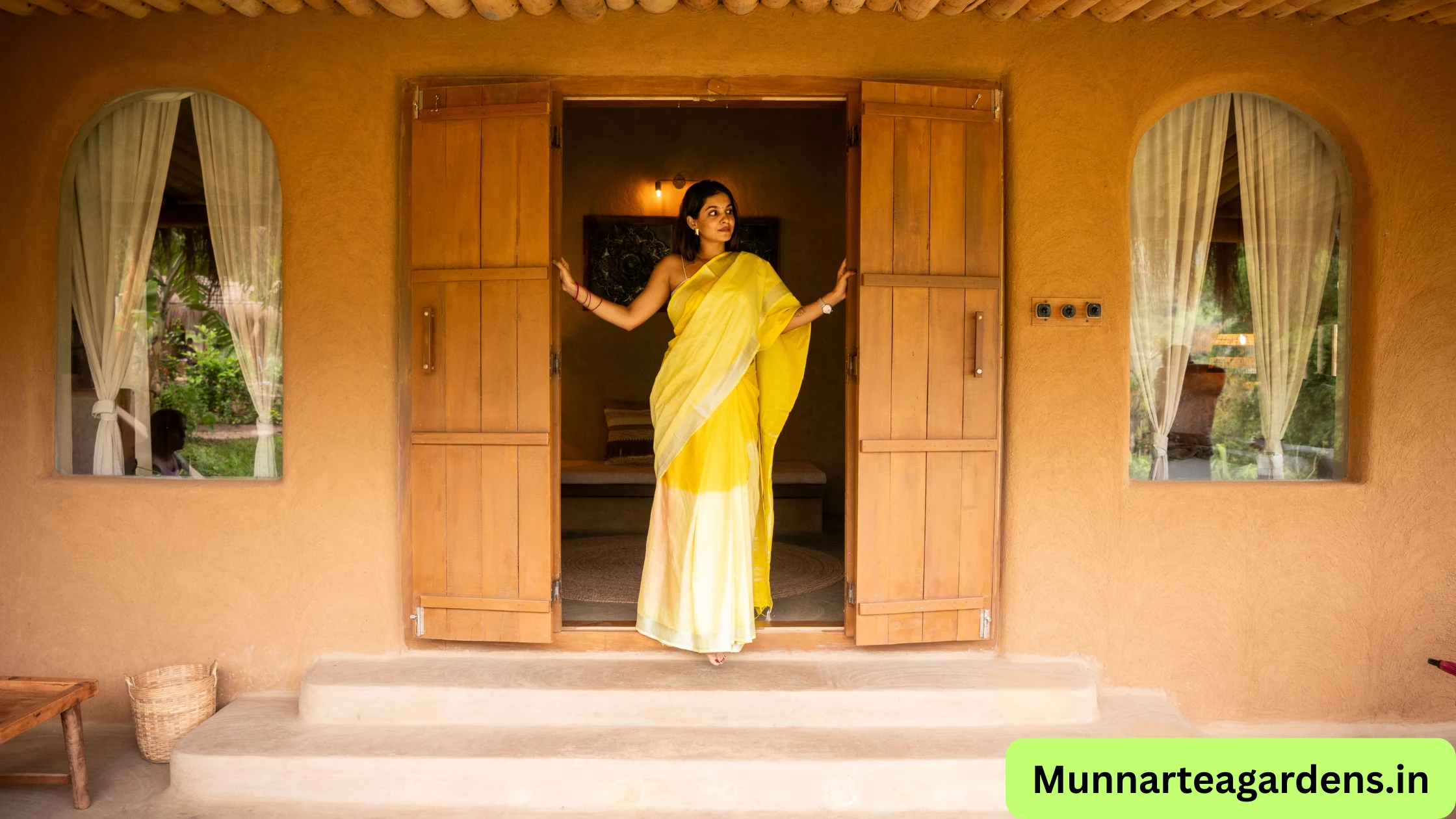
Marayoor is one of the most peaceful hill destinations in Kerala. It is famous for sandalwood forests, sugarcane farms, ancient dolmens, waterfalls, and beautiful mountain views. Many travelers now prefer staying in traditional mud houses in Marayoor because these stays offer a calm and natural experience away from crowded tourist places.
If you are planning a relaxing holiday in 2026, this guide will help you understand everything about mud house stays in Marayoor, including types of stays, prices, facilities, best travel time, nearby attractions, and useful travel tips.
Why Marayoor? The Untold Side of Munnar
While most tourists flock to Mattupetty Dam or Top Station, Marayoor (located approximately 40 km from Munnar town) offers a completely different landscape. Known as the sandalwood village of Kerala, it is famous for:
- Natural sandalwood forests managed by the Forest Department.
- Muniyaras (prehistoric megalithic dolmens) dating back to the Stone Age.
- Jaggery production using sugarcane cultivated in the region.
- Dry, rain-shadow terrain—dramatically different from the misty greens of Munnar.
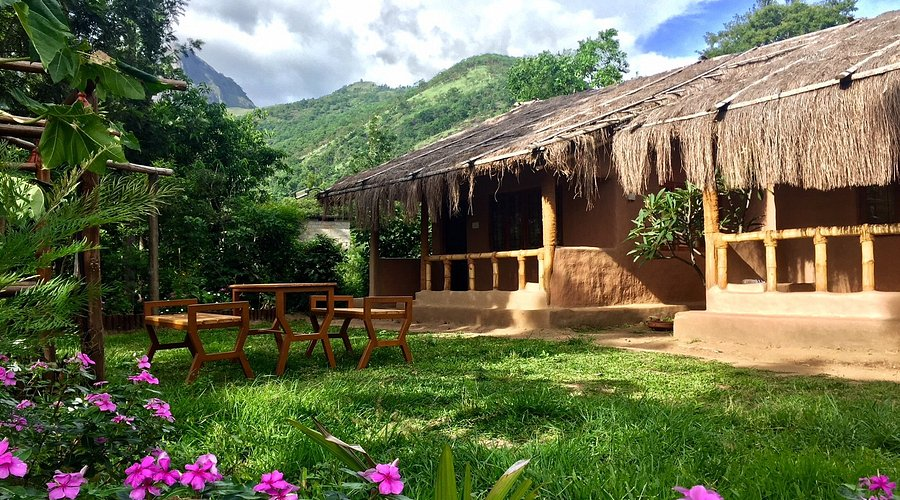
Staying in a mud house here is not just accommodation; it is an immersive lifestyle experience. These structures, built using traditional Kerala architecture (often called Mannu Veedu), are naturally cool in summer and warm in winter, making them ideal for eco-tourism.
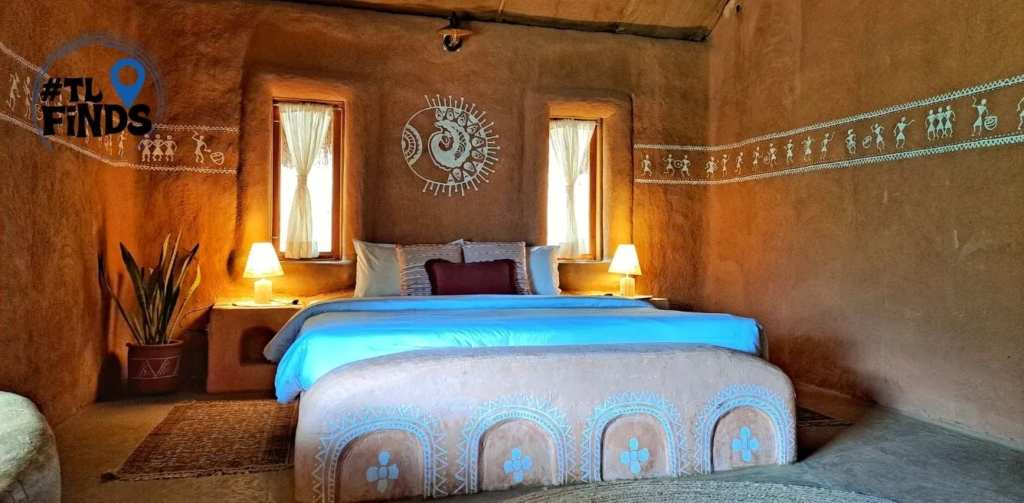
What is a Mud House Stay? (Understanding the Concept)
A mud house, or earthen home, is constructed using locally sourced red soil, bamboo, hay, and natural resins. Unlike concrete hotels, these homes are designed to:
- Regulate temperature naturally (no AC required even in peak summer).
- Reduce carbon footprint by using biodegradable, low-embodied-energy materials.
- Blend with the landscape—often surrounded by organic farms, spice gardens, or water bodies.
In Marayoor, mud house stays range from basic homestay cottages to boutique eco-resorts. Most offer modern amenities (Western toilets, running water, solar lighting) while preserving the rustic charm.
Pro Tip (2026 Update): Post-pandemic, travelers are increasingly seeking private, open-air, contactless stays. Mud houses naturally provide larger personal spaces and outdoor seating areas—perfect for families and work-from-anywhere nomads.
Top 5 Mud House Properties in Marayoor for 2025–2026
After analyzing recent traveler reviews, hygiene audits, and accessibility reports, here are the best mud house options for different budgets.
| Property Name | USP | Price per Night (INR) | Best For | Google Rating |
|---|---|---|---|---|
| Mudhouse Marayoor (The OG) | Working organic farm + traditional thatched roof | 3,500 – 5,500 | Solo travelers & couples | 4.5/5 |
| Chinnar Wildlife Mud Hut | Inside buffer zone of Chinnar WLS; wild sighting | 4,000 – 6,000 | Wildlife enthusiasts | 4.3/5 |
| Marayoor Heritage Home | 100-year-old restored mud mansion | 5,500 – 8,500 | Heritage & culture lovers | 4.7/5 |
| Eco-Wood Mud Resort | Modern amenities + swimming pool (built with mud tiles) | 7,000 – 12,000 | Luxury seekers / Families | 4.6/5 |
| Kailasam Homestay | Budget mud cottage; home-cooked Marayoor jaggery meals | 1,800 – 2,800 | Backpackers & students | 4.2/5 |
Prices are approximate for double occupancy in 2026 season (excluding taxes). Always verify directly with the property.
Cost Breakdown: A 4-Night Mud House Stay (2026 Estimates)
| Expense Item | Budget Stay (₹) | Mid-Range (₹) | Luxury Eco-Resort (₹) |
|---|---|---|---|
| Accommodation (4 nights) | 8,000 – 12,000 | 16,000 – 24,000 | 28,000 – 48,000 |
| Food (meals + snacks) | 2,500 – 3,500 | 4,000 – 6,000 | 7,000 – 10,000 |
| Local transport/taxi | 2,500 – 4,000 | 4,000 – 5,500 | 6,000 – 8,000 |
| Activities (treks + permits) | 1,500 – 2,000 | 2,500 – 3,500 | 3,500 – 5,000 |
| Total (approx) | ₹14,500 – 21,500 | ₹26,500 – 39,000 | ₹44,500 – 71,000 |
*Costs for two adults. Add 25-30% for peak season (Dec–Jan).*
Money-saving tip: Book directly via the property’s phone or WhatsApp—avoid OTA commissions. Also, many mud houses offer free jaggery tasting or a guided nature walk if you stay 3+ nights.
How to Reach Marayoor Mud Houses (For North & South Indian Travelers)
Marayoor is located on the Munnar–Udumalpet–Pollachi highway (SH 17). It is well-connected but requires a planned approach.
By Air
- Cochin International Airport (COK) – 135 km (approx. 4 hours via Adimali)
- Coimbatore International Airport (CJB) – 125 km (approx. 3.5 hours via Pollachi)
2026 Update: Pre-booked taxis from Coimbatore are now cheaper and faster due to improved road conditions on the Pollachi–Udumalpet stretch.
By Train
- Aluva Railway Station (closest to Munnar side) – 120 km
- Pollachi Junction (closest to Marayoor side) – 70 km – Highly recommended for those coming from Tamil Nadu or Bengaluru.
By Road (Self-Drive or Bus)
- From Munnar town: Take the scenic route via Suryanelli (40 km, 1.5 hours). Road is winding but paved.
- KSRTC buses run from Munnar to Marayoor (6:30 AM, 2:00 PM). Get down at Marayoor Bus Stand; most mud houses offer pickup (nominal fee).
Important: Do not rely solely on Google Maps for last-mile directions. Many mud houses are on unpaved trails. Call the host 30 minutes before arrival.
Popular Attractions Near Mud House Stays
Visitors staying in Marayoor can explore many nearby attractions.
Sandalwood Forest
Marayoor Sandalwood Forest is one of the main tourist attractions in the area. The forest is known for its rare natural sandalwood trees.
Muniyara Dolmens
Muniyara Dolmens are ancient stone burial structures believed to be thousands of years old.
Thoovanam Waterfalls
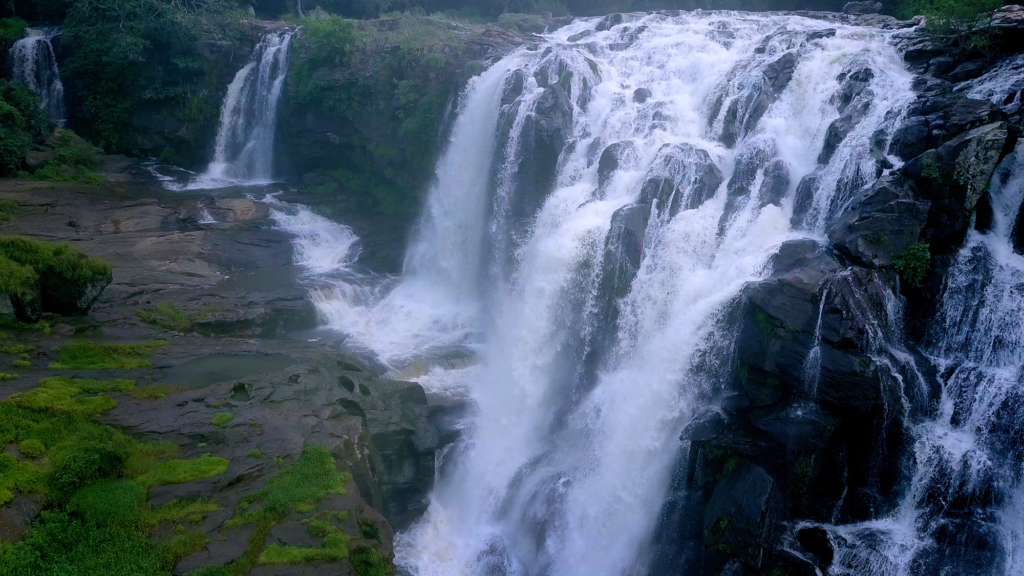
Thoovanam Waterfalls is located inside Chinnar Wildlife Sanctuary and is popular among trekking lovers.
Eravikulam National Park
Eravikulam National Park is located near Marayoor and is famous for Nilgiri Tahr sightings and scenic mountain landscapes.
Best Time to Experience Mud House Living in Marayoor
Unlike central Munnar which gets crowded in summer, Marayoor has a different microclimate because it lies in the rain-shadow region of the Western Ghats.
| Season | Months | Mud House Experience | Pros / Cons |
|---|---|---|---|
| Peak Winter | Dec – Feb | Crisp mornings, cool nights (12°C – 25°C) | ✅ Best for bonfires and clear skies. ❌ Rooms book fast, premium pricing. |
| Summer | Mar – May | Dry heat (28°C – 35°C) but mud houses stay cool indoors | ✅ Low crowds, cheaper rates. ❌ Daytime outdoor exploration is harsh. |
| Southwest Monsoon | Jun – Sep | Heavy rains, lush surroundings, leeches possible | ✅ Dramatic waterfalls; very cheap. ❌ Mud paths become slippery; not ideal for elderly. |
| Post-Monsoon | Oct – Nov | Green landscape + clear skies – Hidden Gem | ✅ Best balance of weather and price. ❌ Fewer tourists means fewer daily buses. |
Sunil’s Expert Take: For mud house stays, October–November and January–February offer the most comfortable experience. Avoid June–July unless you are a hardcore monsoon lover.
Food Options in Mud House Resorts
Most mud house stays in Marayoor serve local Kerala food. Visitors can enjoy:
- Kerala meals with rice and curry
- Homemade breakfast
- Fresh vegetables from farms
- Traditional snacks
- Organic tea and coffee
Some resorts also prepare campfire dinners for guests.
Sample 3-Day Itinerary with Mud House Base
This itinerary is designed for a family of four from Delhi or Mumbai, arriving via Coimbatore.
Day 0 (Travel & Check-in)
- Evening: Reach Coimbatore airport → Pre-book taxi (₹2,500 – ₹3,500) to Marayoor.
- Night: Check into mud house. Dinner: traditional Kerala meal with Marayoor jaggery.
Day 1 (History & Sandalwood)
- 7:00 AM: Breakfast on the mud house verandah.
- 9:00 AM – 12:30 PM: Visit Marayoor Sandalwood Forest (permit required – ask host to arrange).
- 1:00 PM: Lunch at local thattukada (try thali with sharkara upperi).
- 3:00 PM – 5:00 PM: Explore Muniyaras (Megalithic Dolmens) near Kanthalloor.
- Evening: Return to mud house for campfire & storytelling by the host.
Day 2 (Wildlife & Waterfalls)
- Early morning (6:00 AM): Guided trek to Chinnar Wildlife Sanctuary (booking needed 1 day prior).
- 10:00 AM: Visit Thoovanam Waterfalls (permitted only with forest guide).
- Afternoon: Free time – jaggery-making demonstration at a local farm.
- Evening: Photography at Pothamedu Viewpoint (sunset over valley).
Day 3 (Departure)
- 8:00 AM: Packing & breakfast.
- 9:30 AM: Visit Keezhthali Kavu (ancient Bhagavathy temple).
- 11:00 AM: Start return drive to Coimbatore airport.
Mud House Packing Checklist (2026 Essentials)
Since mud houses are often located in remote areas with limited shops nearby, packing smartly is critical.
- Eco-friendly toiletries (septic tanks are sensitive).
- Torch/Headlamp (some areas have low outdoor lighting).
- Mosquito repellent cream or patch (natural surroundings = insects).
- Power bank (occasional voltage fluctuations, though solar backup is common).
- Comfortable slip-on shoes (easy to remove before entering mud house).
- Light cotton clothes for day + one warm jacket (evenings get cool).
- Reusable water bottle (properties provide filtered water).
- Rain cover for bag (if traveling Oct–Dec or Jun–Sep).
- Basic first aid + ORS packets (for dehydration after treks).
What to leave behind: Heels, hairdryers (won’t work on solar inverters), plastic bags (Marayoor has strict eco-rules).
Pros & Cons of Mud House Stays in Marayoor
Before booking, weigh these factors honestly.
✅ Pros
- Authentic experience – live like the local hill tribes.
- Naturally air-conditioned interiors – no electricity needed for cooling.
- Photography dream – earthy textures, warm light, rustic aesthetics.
- Support sustainable tourism – directly benefits local farmers and masons.
- Privacy – most mud houses have separate cottages, not shared walls.
❌ Cons
- No room service (some properties have limited staff).
- Mobile network issues – Jio works decently, Airtel may be patchy.
- Limited food menu – don’t expect continental or multi-cuisine.
- Dust in dry months (March–April) – carries from unpaved roads.
- Not wheelchair accessible – thresholds and uneven floors.
Safety & Health Advisory for First-Timers
- Drink only boiled/filtered water (most hosts provide). Avoid tap water.
- Carry basic medicines – nearest pharmacy is in Marayoor town (10-15 min drive).
- Respect wildlife – Do not feed monkeys or venture into forests without a guide.
- Inform host about allergies – many traditional meals use coconut and spices.
- COVID-19 caution (2026): While restrictions are lifted, keep a mask handy for shared taxis or crowded viewpoints.
2026 Updates & Trends for Marayoor Mud Houses
- Workation packages – 3 properties now offer 50 Mbps satellite internet (₹1,000/day extra).
- Electric vehicle (EV) charging – Eco-Wood Mud Resort installed a 15A charging point.
- Increased forest patrols – Overnight treks into Chinnar now require online advance permits (apply 7 days prior).
- No single-use plastic zone enforced strictly – carry cloth bags.
- New direct jeep service from Marayoor bus stand to all mud houses (₹100 per person).
Travel Tips for Nature Lovers
Here are some useful tips before booking a mud house stay in Marayoor:
- Book early during holiday seasons
- Check road conditions before travel during monsoon
- Respect forest and wildlife rules
- Carry cash because some remote areas may have limited card payment options
- Choose eco-friendly travel practices and avoid plastic waste
A mud house stay in Marayoor is perfect for travelers who want peace, greenery, and a close connection with nature. These eco-friendly stays provide a unique village-style experience while allowing visitors to enjoy forests, waterfalls, wildlife, and beautiful mountain scenery.
Whether you are planning a family holiday, romantic getaway, or solo nature trip, Marayoor mud house resorts can offer a relaxing and memorable experience in 2026.
Read Also: Hidden Waterfalls in Munnar with Exact Route and Map
Frequently Asked Questions (FAQ)
1. Are mud houses safe during heavy rains?
Yes, well-built structures have waterproofing and elevated foundations. However, avoid budget properties during monsoons.
2. Do mud houses have attached bathrooms?
Most do. But some traditional homestays may have semi-outdoor bathrooms. Always ask before booking.
3. Can we get non-vegetarian food?
Limited options. Marayoor is predominantly vegetarian due to local customs. Only 2-3 properties serve chicken/fish on prior request.
4. Is Marayoor better than Munnar town for a quiet trip?
Absolutely. If you hate traffic and commercial shops, Marayoor is superior.
5. Are children allowed in mud houses?
Yes, but avoid for toddlers under 2 years (uneven floors, open drains in some farms).
6. What is the check-in/check-out time?
Typically 12 PM check-in, 10 AM check-out. Late check-out possible in off-season.
7. Can we book a mud house for just one night?
Yes, but the experience is rushed. Minimum 2 nights recommended to unwind.
8. Do we need a local guide for sightseeing?
Not mandatory for sandalwood forest (forest dept provides one), but highly recommended for dolmens and tribal villages.
9. Which mobile network works best?
Jio 4G (strongest). BSNL (average). Airtel/Vi (weak inside mud walls).
10. Are mud houses pet-friendly?
Only 2 properties – Mudhouse Marayoor and Kailasam Homestay. Confirm in advance.

Sunil Singh is a dedicated travel content writer and the founder of MunnarTeaGardens.in. He specializes in creating comprehensive, user-friendly guides on Munnar’s tea gardens, hill stations, and Kerala tourism. Drawing from the latest tourism trends, official sources, and visitor experiences, Sunil helps thousands of travelers plan safe and rewarding trips every year.