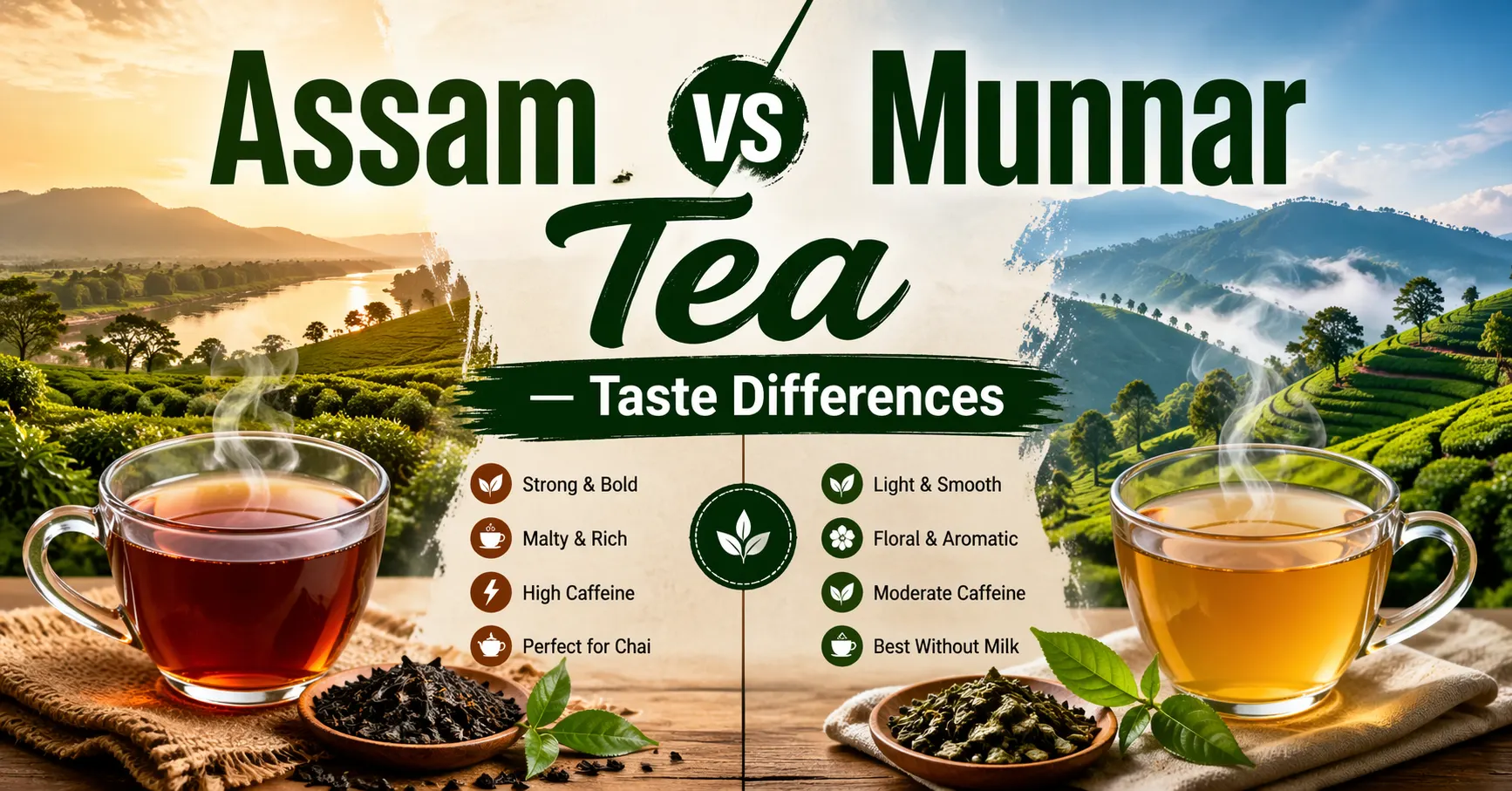
Tea in India is not just a beverage—it’s a cultural identity. But if you’ve ever wondered why two Indian teas can taste completely different, the answer lies in geography, climate, and processing. The comparison between tea from Assam and Munnar is one of the most fascinating examples of this.
This guide goes beyond basic comparisons. It helps you understand taste differences, choose the right tea for your preference, and even brew each type correctly—all while aligning with what real visitors and tea drinkers actually experience.
Visual Introduction: Assam vs Munnar Tea Regions
Assam Tea Gardens
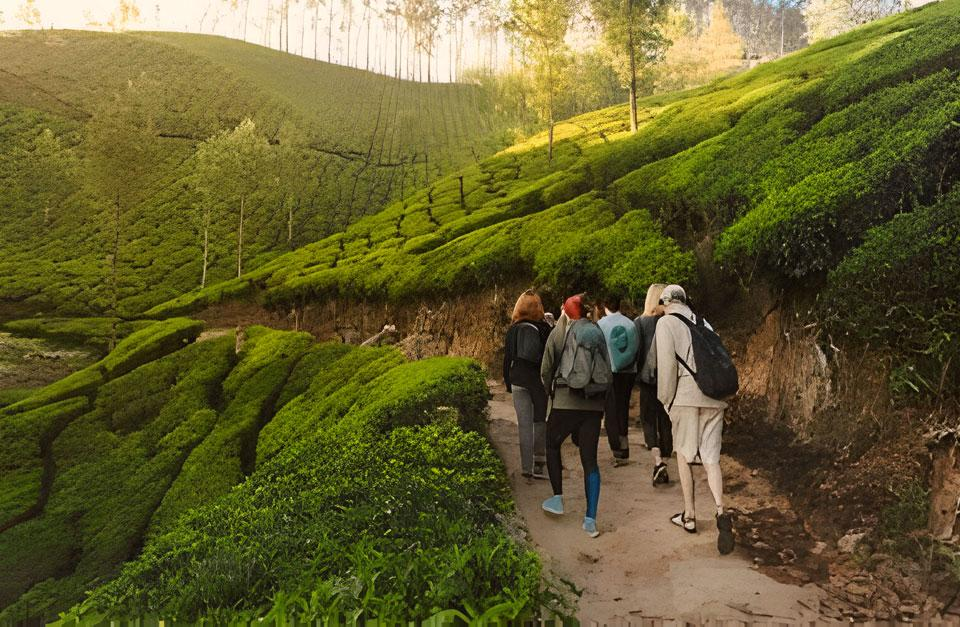
Munnar Tea Gardens
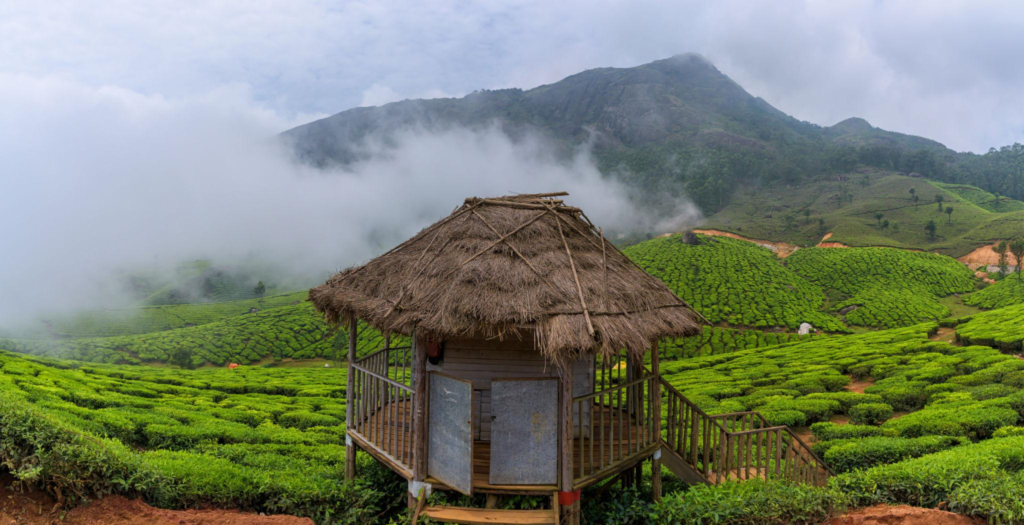
At first glance, both regions look like lush green paradises—but their altitude, climate, and soil composition create dramatically different flavors.
Quick Comparison Table (Taste, Aroma & Feel)
| Feature | Assam Tea | Munnar Tea |
|---|---|---|
| Region Type | Lowland plains | High-altitude hills |
| Flavor Profile | Strong, bold, malty | Light, fresh, slightly sweet |
| Aroma | Rich, earthy | Floral, aromatic |
| Color | Deep reddish-brown | Golden to light amber |
| Best Use | Milk tea (chai) | Black tea, green tea |
| Caffeine Level | High | Moderate |
| Aftertaste | Heavy, lingering | Clean, crisp |
If you want a quick takeaway:
- Assam = Strong & bold morning tea
- Munnar = Smooth & refreshing anytime tea
Why Do Assam and Munnar Teas Taste Different?
The taste difference is not random—it’s science.
Climate & Geography
- Assam sits in the humid plains of the Brahmaputra Valley
- Hot weather + heavy rainfall
- Leads to faster leaf growth → stronger flavor
- Munnar is located in the Western Ghats
- Cool climate + high altitude (1,500–2,500 m)
- Slower growth → more delicate flavors
Many regular visitors say that tea from hill stations like Munnar tastes “cleaner” because of slower leaf development.
Soil Composition
- Assam soil: Alluvial, nutrient-rich → dense flavor
- Munnar soil: Mountain soil → lighter, aromatic notes
Tea Plant Variety
- Assam: Camellia sinensis var. assamica
- Larger leaves
- Stronger taste
- Munnar: Mostly Camellia sinensis var. sinensis
- Smaller leaves
- Subtle flavor
Detailed Taste Breakdown
Assam Tea Taste Profile
- Bold and full-bodied
- Malty sweetness (similar to dark chocolate or toasted grains)
- Slight bitterness if over-brewed
- Thick mouthfeel
Best described as: “Heavy, powerful, and energizing”
Who Should Choose Assam Tea?
- People who like strong chai with milk
- Morning tea drinkers
- Those who prefer caffeine kick
Munnar Tea Taste Profile
- Smooth and light-bodied
- Mild sweetness with floral notes
- Clean finish with no heaviness
- Subtle complexity
Best described as: “Refreshing, elegant, and calming”
Who Should Choose Munnar Tea?
- Black tea lovers (without milk)
- Health-conscious drinkers
- Evening tea drinkers
Also Read: Darjeeling vs Munnar: Which Indian Tea Destination Is Worth Visiting in 2026?
Aroma Comparison
Taste is only half the story—aroma plays a huge role.
- Assam tea aroma:
- Earthy, deep, slightly woody
- Feels “warm” and comforting
- Munnar tea aroma:
- Floral, fresh, sometimes citrusy
- Feels “cool” and uplifting
If you enjoy smelling your tea before sipping, Munnar tea usually offers a more layered experience.
Brewing Differences
Many people think they don’t like a tea—but they’re just brewing it wrong.
Assam Tea Brewing Guide
- Water: 95–100°C
- Time: 3–5 minutes
- Best with: Milk + sugar
Over-brewing = bitterness
Munnar Tea Brewing Guide
- Water: 80–90°C
- Time: 2–3 minutes
- Best with: No milk (or very little)
Over-brewing kills its delicate flavor
Color & Visual Appearance
- Assam tea:
- Dark, reddish-brown
- Looks strong even before tasting
- Munnar tea:
- Light golden or amber
- Looks clean and refined
Visual cue matters: darker doesn’t always mean better—it means stronger.
Health Perspective: Which Is Better?
Both teas are healthy—but they serve different purposes.
Assam Tea
- Higher caffeine → boosts energy
- Good for focus and alertness
- Rich in antioxidants
Munnar Tea
- Lower caffeine → gentler on body
- Better for relaxation
- Often preferred for detox routines
Many regular tea drinkers switch:
- Assam in the morning
- Munnar in the evening
Price & Availability
- Assam tea:
- Widely available across India
- Generally more affordable
- Munnar tea:
- Premium varieties cost more
- Specialty teas (like Kolukkumalai) are expensive
If budget matters, Assam wins.
If experience matters, Munnar often wins.
Real-World Use Cases (What Should You Actually Buy?)
Choose Assam Tea if:
- You drink chai daily
- You want strong taste with milk
- You need an energy boost
Choose Munnar Tea if:
- You enjoy sipping tea slowly
- You prefer subtle flavors
- You want a premium tea experience
Common Mistakes People Make
Mistake 1: Using milk in Munnar tea
→ Kills its flavor
Mistake 2: Drinking Assam tea without milk (for beginners)
→ Can feel too strong
Mistake 3: Over-brewing both teas
→ Leads to bitterness
Which Tea Is Better? Honest Answer
There is no universal winner.
- Assam tea = power and strength
- Munnar tea = balance and elegance
The “better” tea depends on your purpose, not just taste.
Expert Insight
From a tea evaluation standpoint:
- Assam tea dominates global breakfast blends because of its body and strength
- Munnar tea is appreciated in specialty markets for its aroma and finesse
Tea tasters often evaluate:
- Liquor color
- Briskness
- Aroma
- Mouthfeel
In these categories:
- Assam scores high in body
- Munnar scores high in aroma
Final Verdict
If you’re still confused, use this:
- Want strong chai? → Assam
- Want light, aromatic tea? → Munnar
- Want both? → Keep both (this is what most tea lovers do)
FAQs: Assam vs Munnar Tea
Is Assam tea stronger than Munnar tea?
Yes, Assam tea is significantly stronger and more full-bodied.
Can I drink Munnar tea with milk?
You can, but it’s not recommended—it reduces its delicate flavor.
Which tea is better for daily use?
Assam tea is more commonly used daily, especially for chai.
Which tea is healthier?
Both are healthy. Munnar tea is better for low caffeine intake, while Assam is better for energy.
Why does Munnar tea taste lighter?
Because of high-altitude growth and slower leaf development.
Conclusion
The difference between Assam and Munnar tea is a perfect example of how nature shapes flavor. One gives you strength and intensity, the other offers elegance and calmness.
Instead of choosing one over the other, the smarter approach is understanding when and how to enjoy each.
If your goal is to build a tea experience—not just drink tea—this comparison is the starting point.
Also See: Morning vs Evening in Munnar: Which Time is Better for Sightseeing? (2026 Guide)

Sunil Singh is a dedicated travel content writer and the founder of MunnarTeaGardens.in. He specializes in creating comprehensive, user-friendly guides on Munnar’s tea gardens, hill stations, and Kerala tourism. Drawing from the latest tourism trends, official sources, and visitor experiences, Sunil helps thousands of travelers plan safe and rewarding trips every year.