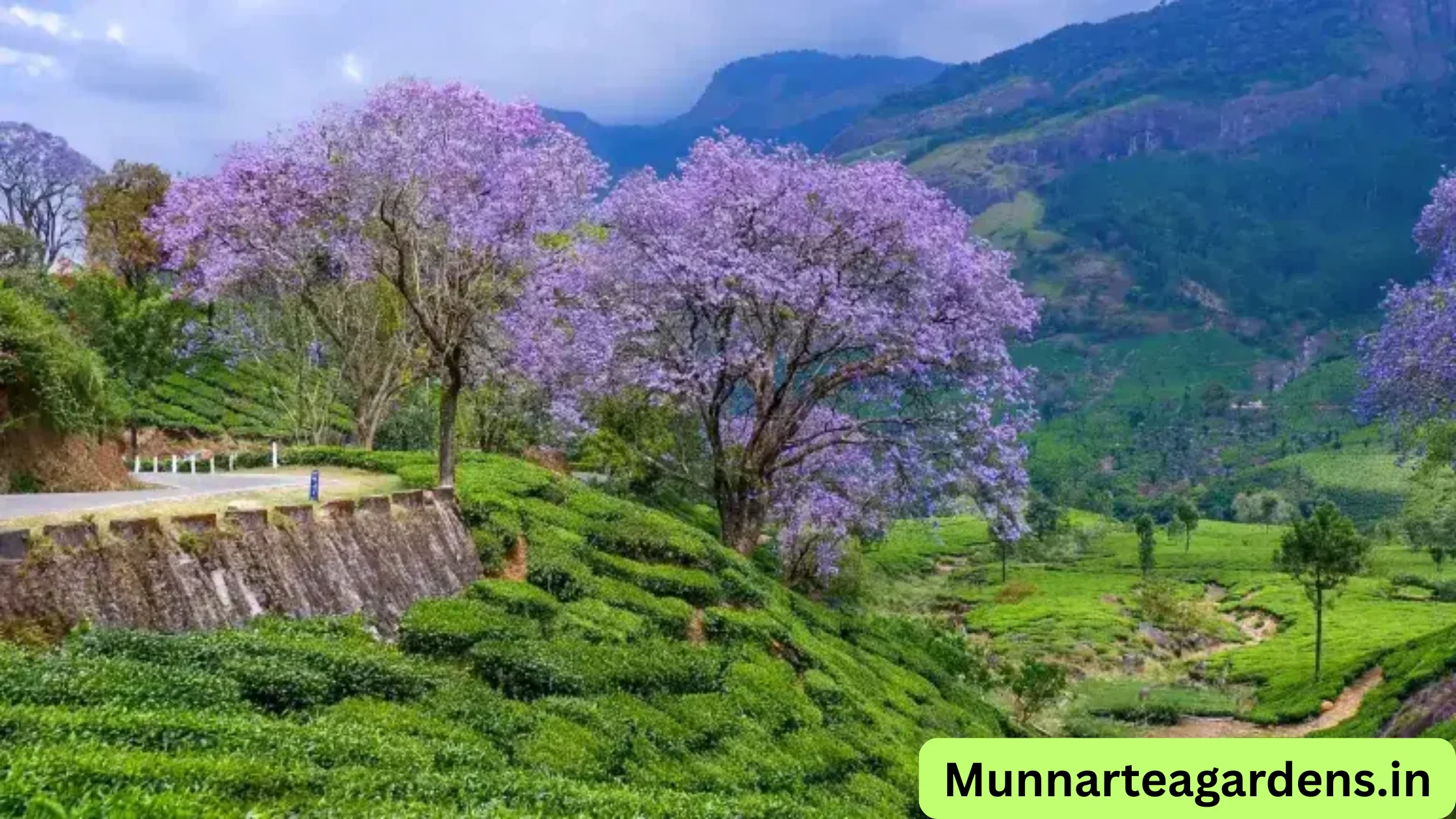
Most people who visit Munnar end up at the same three or four places. They take a photo at Echo Point, buy some tea powder from the market, and head back to their hotel. And honestly, there is nothing wrong with that. Munnar is beautiful even at its most touristy.
But if you have been to Munnar before, or if you are the kind of traveller who gets a little restless in crowded viewpoints, you already know there is something more waiting beyond the main road.
I first went to Munnar in 2019 with my partner. We spent the first two days doing everything on the standard itinerary. But on day three, we took a wrong turn near Rajamala and ended up on a narrow path that led to a small clearing with a view that I still think about on bad days. Nobody else was there. Just us, the mist, and an unbroken line of green hills.
That is what Munnar can feel like when you step even slightly off the beaten track.
This article is for couples who want that kind of experience, and for photography lovers who are tired of the same shots that fill every travel blog.
Quick Overview: What to Expect at Each Spot
| Location | Best For | Best Time to Visit | Crowd Level |
|---|---|---|---|
| Lakkam Waterfalls | Waterfall photography, solitude | June to September | Very Low |
| Chinnakanal | Misty mornings, couple walks | November to February | Low |
| Kundala Lake (far end) | Reflections, silence | Early morning, any season | Moderate |
| Pothamedu Viewpoint | Sunrise, tea garden shots | October to March | Low |
| Suryanelli | Landscape photography | November to January | Very Low |
| Marayoor Sandalwood Forests | Nature walks, forest light | December to February | Very Low |
| Top Station (off-path areas) | Cloud-level photography | October to May | Low to Moderate |
1. Lakkam Waterfalls — The Waterfall Most Tourists Skip
Lakkam Waterfalls sits about 22 kilometres from Munnar town, near the Rajamala area. Most visitors go to Attukal Waterfalls and call it a day. Lakkam remains almost entirely to itself.
The waterfall is not massive, but that is exactly the point. It drops through layered rocks into a small natural pool surrounded by dense shola forest. During the monsoon, the water turns white and powerful. In winter, it becomes a quiet, gentle stream with exceptional clarity.
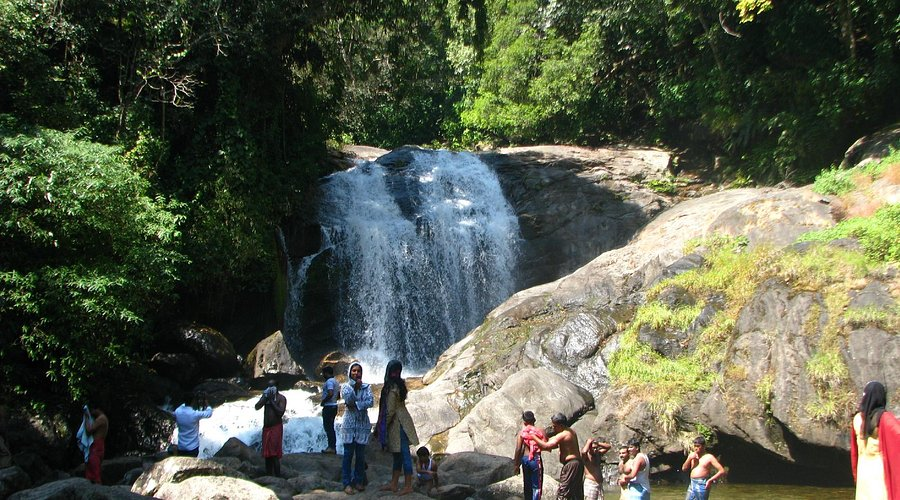
Why photographers love it: The light that filters through the forest canopy in the morning creates a layered, soft look that is very hard to replicate at open waterfalls. If you shoot in RAW format and arrive around 8 to 9 AM, you will have about an hour of near-perfect natural lighting.
For couples: The path to the falls is short but feels like it belongs to another world. There is almost no mobile network, which is either a problem or a feature depending on how you look at it.
How to reach: Take the road towards Rajamala and look for signs after the Eravikulam National Park entry. Local auto drivers from Munnar town know this spot well.
2. Chinnakanal — A Village That Feels Like a Dream
Chinnakanal is located about 20 kilometres from Munnar on the way to Adimali. It is a small village sitting at a slightly lower altitude than Munnar town, which means the mist rolls in differently here, often hugging the ground rather than covering everything.
The village has tea estates, small streams, a modest waterfall called Silver Cascade, and very few tourists. The roads through Chinnakanal wind past homes with kitchen gardens and small patches of cardamom.
What makes it special for photography: The combination of lower mist, green tea bushes, and occasional sunbreaks gives you a kind of split-light effect that landscape photographers chase. The Silver Cascade waterfall, while small, has a clean foreground with rounded rocks that frame the shot naturally.
For couples: This is a place for a slow morning. Rent a bike from Munnar town, ride to Chinnakanal, have tea at one of the small roadside shops, and just walk. Nobody is going to rush you anywhere.
3. The Far End of Kundala Lake
Kundala Lake is not entirely unknown, but here is what most visitors do not do: they walk only to the designated viewpoint, take photos, and leave. The far end of the lake, which requires about a 30-minute walk from the main area, is where the real stillness lives.
The water at the far end is completely undisturbed. On clear mornings, the reflection of the surrounding hills and occasional clouds sits on the surface like a painting. This is the kind of spot that rewards patience.
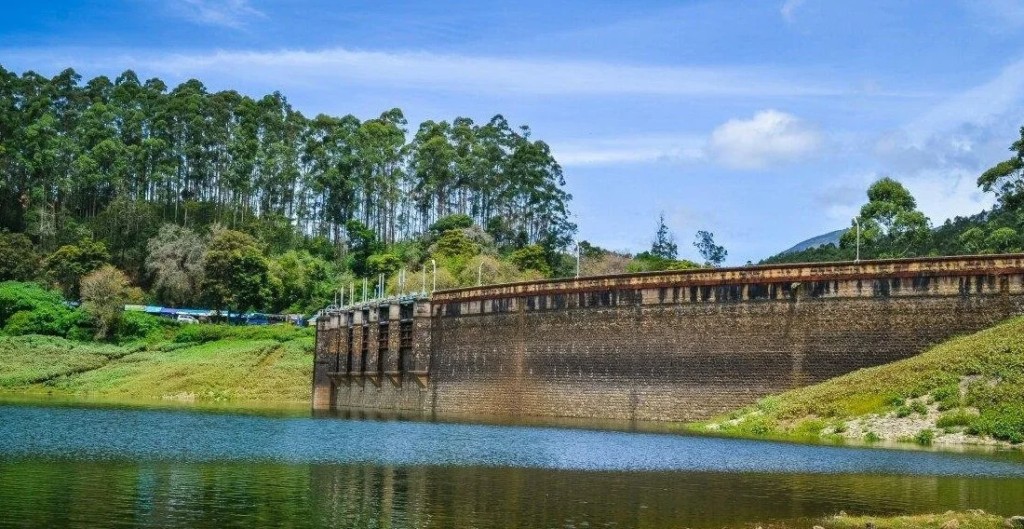
Photography tip: Come before 7:30 AM if possible. By 9 AM, small ripples from wind and birds break up the reflection. The golden hour here, when the first light hits the water, is genuinely one of the better natural photography moments in the entire Munnar region.
For couples: Carry a small mat and breakfast. Sit at the far edge. This is not an action spot. It is a slow, quiet, memorable one.
4. Pothamedu Viewpoint — Sunrise Without the Crowd
Pothamedu is about 6 kilometres from Munnar town, which makes it surprisingly close. The viewpoint overlooks a wide spread of tea, coffee, and cardamom plantations. On a clear morning, you can see multiple layers of hills stacked behind each other in a blue-to-green gradient.
The reason it remains less crowded than Echo Point or Mattupetty is simply that fewer travel guides mention it prominently. That may change in time, but for now, arriving at Pothamedu at sunrise on a weekday means you will likely have the best angles to yourself.
For photographers: The layered hills create natural depth in wide-angle shots. The early mist, when it is present, adds a dreamlike quality to the tea garden rows. This is also a good spot for long-exposure shots of cloud movement if you carry a tripod.
For couples: The walk to the viewpoint itself, through a tea estate path, is worth doing slowly. The smell of tea leaves in the morning is one of those small things that stays with you.
5. Suryanelli — Almost Nobody Goes Here
Suryanelli is located further out, closer to the Idukki border, and most Munnar itineraries do not include it at all. That makes it the most genuinely hidden spot on this list.
The landscape here is broader and wilder. Rolling grasslands, patches of eucalyptus, scattered rocks, and long views that feel more like the Scottish Highlands than South India. On a clear day, the visibility stretches for what seems like forever.
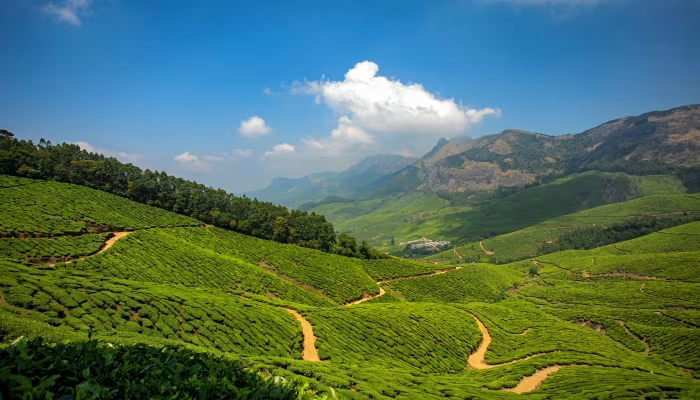
Photography note: This is a golden-hour landscape photographer’s location. The open grassland means you can shoot in multiple directions without obstacles. The light during the last 45 minutes before sunset turns the grass a warm amber.
Getting there: You will need a private vehicle or a cab hired from Munnar town. Ask specifically for Suryanelli near Idukki. The roads are passable but narrow in places.
6. Marayoor Sandalwood Forests — Light and Silence
Marayoor is about 40 kilometres from Munnar and is known mainly for its jaggery and sandalwood. But the forest itself — the only natural sandalwood forest in Kerala — is rarely seen as a photography destination. That is a missed opportunity.
The light inside the forest in the morning, when it breaks through the canopy in thin shafts, is the kind of light that makes every photographer stop walking. The trees are old and large. The forest floor is layered with roots and fallen leaves. The air smells different here.
For couples: Marayoor also has dolmens nearby — ancient megalithic burial chambers — and a small river. It is a place that gives you a lot of different textures in one visit.
Note: Entry is regulated. You will need to coordinate with the forest department. A local guide is strongly recommended both for navigation and for not disturbing the ecosystem.
7. Top Station (Off-Path Sections)
Top Station is technically on most tourist maps, but the viewpoint most visitors access is a small platform near the end of the road. What many do not realize is that there are walking paths extending in both directions from that point, and they lead to spots where you are entirely above the cloud line on some mornings.
Standing above the clouds with nothing below you but white is one of those experiences that does not translate well into words. It barely translates into photographs. But you will want to try anyway.
Photography tip: Come between November and February for the best chance of being above the clouds. Arrive before 7 AM and start walking the ridge path to your left from the main viewpoint.
Tips for Couples Visiting These Spots
- Carry water and light snacks to every location. Most of these spots have no food stalls nearby.
- Hire a local driver for a full day rather than booking spot-to-spot cabs. They know the terrain and can suggest detours.
- Early mornings are non-negotiable for both photography and solitude. Most of these places are crowd-free before 8 AM.
- Monsoon season (June to September) is dramatically beautiful but roads to some spots can be difficult. Always check local conditions.
- Respect the environment. These locations are hidden partly because they have not been overrun yet. Carry your waste back.
Best Seasons at a Glance
| Season | Months | What You Get |
|---|---|---|
| Post-monsoon | October to November | Lush green, waterfalls full, clear skies |
| Winter | December to February | Mist, cool air, best light for photography |
| Summer | March to May | Warm, less mist, fewer tourists |
| Monsoon | June to September | Dramatic skies, heavy falls, some roads closed |
Frequently Asked Questions
Q1. Are these hidden spots in Munnar accessible without a private vehicle?
Most of them require either a private cab or a rented bike. Public transport does not reach places like Suryanelli or Lakkam Waterfalls. Hiring a full-day cab from Munnar town is the most practical option.
Q2. Is Munnar safe for couples travelling alone?
Yes, Munnar is generally considered a safe destination for couples. The local population is accustomed to tourism and is welcoming. However, for remote trails and forest areas, always inform your hotel staff about your plans and carry a basic first-aid kit.
Q3. How many days are needed to cover these hidden spots?
A minimum of three dedicated days is needed if you want to explore these locations properly. Rushing through them defeats the purpose. Four to five days gives you flexibility for weather delays and slow mornings.
Q4. What camera gear should photography lovers carry to Munnar?
A wide-angle lens is essential for landscape and tea garden shots. A telephoto helps with distant hill layers. A tripod is highly recommended for waterfall long-exposure shots and golden-hour landscape work. The weather can shift quickly, so carry a rain cover for your gear.
Q5. What is the best month to visit Munnar for photography?
October and November offer the best combination of green landscapes and clear skies after the monsoon. December to February is ideal for mist photography. Each season has something distinct to offer.
Q6. Are permits required to visit these locations?
Most spots on this list are freely accessible. Marayoor Sandalwood Forest requires coordination with the forest department. Eravikulam National Park (near Lakkam) has a standard entry fee. Always check current regulations before you visit.
Final Thought
Munnar is one of those destinations that gives you exactly as much as you are willing to look for. The obvious beauty is right there on the main road. But the kind of beauty that stays with you — the misty clearing, the silent lake edge, the light through sandalwood trees — is waiting just a little further.
If you are travelling as a couple, the best souvenir you can bring back from Munnar is not something you buy. It is a morning you both remember in your own slightly different way.
Go slow. Wake up early. Take the wrong turn sometimes.
Read Also: Rajamalai National Park Munnar Travel Guide 2026

Sunil Singh is a dedicated travel content writer and the founder of MunnarTeaGardens.in. He specializes in creating comprehensive, user-friendly guides on Munnar’s tea gardens, hill stations, and Kerala tourism. Drawing from the latest tourism trends, official sources, and visitor experiences, Sunil helps thousands of travelers plan safe and rewarding trips every year.