Kerala’s emerald coastline and labyrinthine backwaters are home to vibrant fishing villages that pulse with raw, unfiltered life. Far from the polished tourist trails, these coastal hamlets offer an immersive dive into the daily rhythms of fishermen, the aroma of fresh catches, and the warmth of homestay hospitality. Fishing village tourism in Kerala promises authentic experiences—from witnessing ancient Chinese fishing nets in action to paddling canoes through mangrove-fringed canals. This guide uncovers the best spots, activities, and tips to craft your unforgettable journey into Kerala’s maritime soul.
Why Fishing Village Tourism in Kerala Stands Out for Authentic Experiences
In a state renowned for houseboat cruises and Ayurvedic retreats, fishing villages provide a grounded counterpoint. Here, tourism revolves around responsible immersion rather than spectacle. Visitors join early-morning net hauls, learn coir-rope weaving from artisans, and savor seafood straight from the sea, all while supporting local economies. These villages embody Kerala’s ethos of sustainable travel—model initiatives like Kumbalangi promote eco-friendly practices, ensuring cultural traditions thrive without exploitation.
What sets these experiences apart? Intimacy and spontaneity. Unlike scripted shows, interactions feel organic: a fisherman might invite you aboard his canoe or share toddy-tapping secrets over banana-leaf meals. Backed by lush paddy fields, coconut groves, and bird-filled wetlands, these villages highlight Kerala’s biodiversity—kingfishers darting over Ashtamudi Lake or egrets stalking shallow waters. For travelers seeking offbeat Kerala tourism, fishing villages deliver profound connections, blending adventure, culture, and cuisine in equal measure.
Top Fishing Villages in Kerala for Tourism
Kerala’s 580km coastline hosts dozens of fishing enclaves, but a select few shine for tourism. From Kochi’s historic shores to Kollam’s hidden islands, here’s where to head for genuine vibes.
Fort Kochi: Iconic Chinese Fishing Nets and Colonial Charm
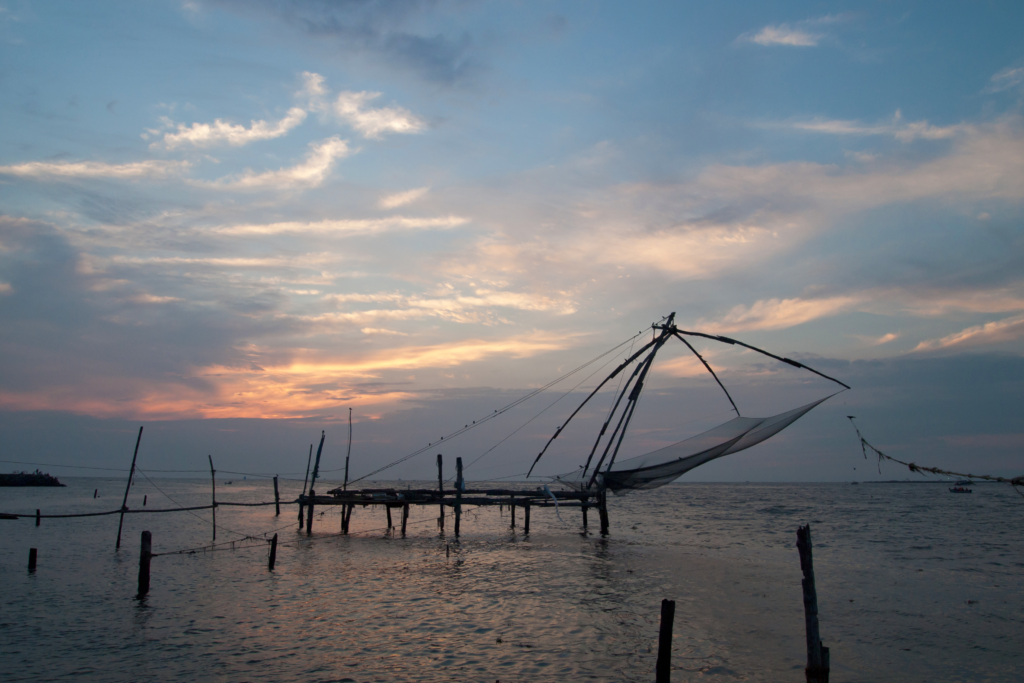
No fishing village guide to Kerala is complete without Fort Kochi, where towering Chinese fishing nets (Cheenavala) dominate the skyline at Vasco da Gama Square. Introduced between 1350-1450 AD by Chinese explorer Zheng He, these teak-and-bamboo cantilevered marvels—reaching 10m high and spanning 20m—operate on a delicate balance system. Stone counterweights (30cm diameter) allow teams of four-plus fishermen to lower nets into the sea, lit at night to lure fish. Mornings and early evenings bring rhythmic hauls, with hauls of sardines and mackerel shared beachside.
Stroll Fort Kochi Beach for sunset silhouettes, then wander narrow lanes past colonial bungalows and seafood shacks. Nearby Fort Immanuel adds historical depth. It’s a living fishing hub—boats unload daily catches amid touts and tourists—perfect for photography and casual chats with net operators. Pro tip: Arrive pre-dawn for uncrowded action; try negotiating a “net experience” for ₹50-100.
Kumbalangi: India’s First Model Tourism Village Near Kochi
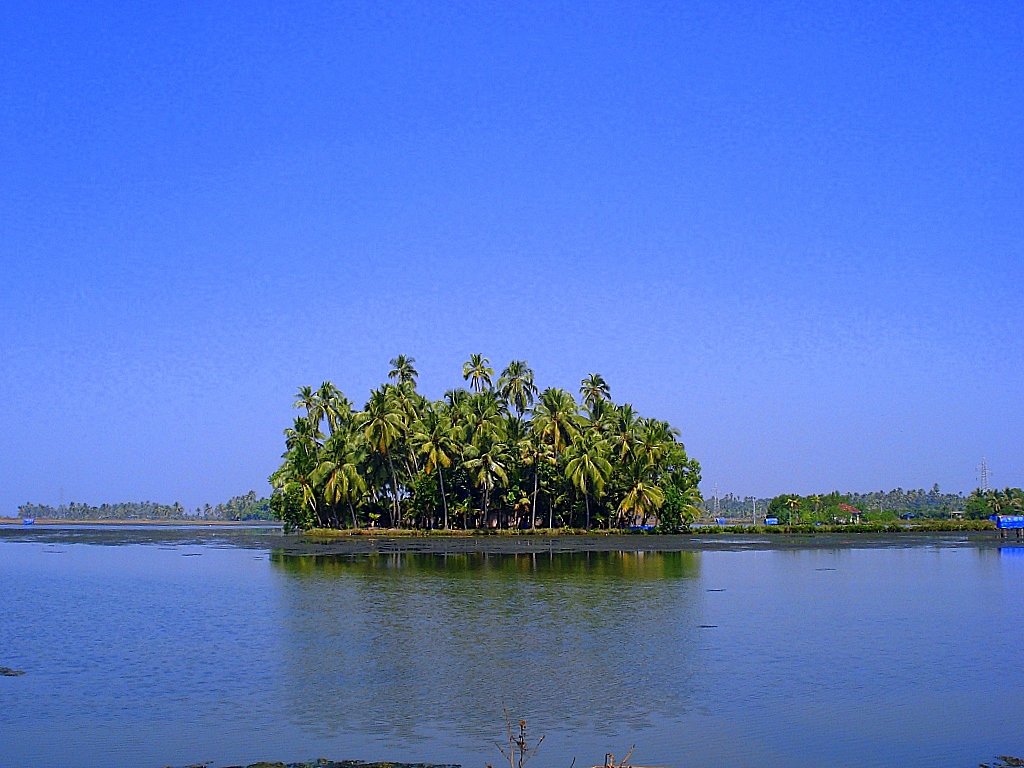
Just 25km from Kochi, Kumbalangi (or Kumbalangy) is a backwater-facing fishing hamlet pioneering ecotourism. Dubbed India’s first “model tourism village,” it showcases sustainable living through demos of fishing, pottery, basket-weaving, and coir-making. Wander crab farms, toddy shops, and mangrove paths, or join fishermen for net-casting in serene canals. Reviews rave about guided tours blending authenticity with education—spot herons, learn prawn farming, and end with Kerala sadhya feasts.
Homestays here immerse you overnight, waking to cock crows and fresh fish grills. Book via Kerala Tourism for 4-6 hour packages (₹1000-2000/person), ideal day trips from Kochi.
Munroe Island: Tranquil Backwaters and Canoe Adventures Near Kollam
Tucked at the Ashtamudi Lake-Kallada River confluence, Munroe Island (Munrothuruthu) is a cluster of eight isles brimming with rural poetry. Glide narrow canals by canoe, passing coconut-shaded homes, paddy fields, and coir units where locals extract fibers for mats and ropes. Fishermen demonstrate traditional techniques, sharing tales amid mangroves teeming with kingfishers, herons, and migratory birds.
Activities abound: kayaking, cycling flat trails, birdwatching, and village walks. Homestays offer prawn fry, crab roast, and fish curry using lake-fresh ingredients. Less crowded than Alleppey, it’s authentic bliss—perfect for 1-2 night stays. Access via 30-min boat from Kollam or road from Varkala (27km).
Vypin Island: Bustling Fish Markets and Lighthouse Views
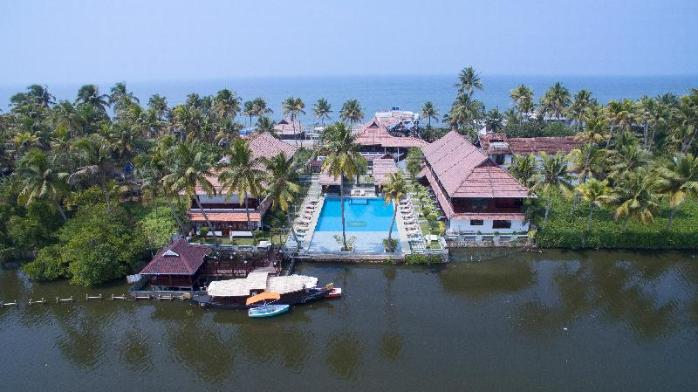
Linked to Kochi by ferry, Vypin Island buzzes with fishing life. Start at the fish market for chaotic auctions of gleaming sardines and prawns, then canoe backwaters fringed by lagoons and seafood farms (prawns, crabs). Climb the 1970s lighthouse for sea panoramas, beachcomb at fishermen’s coves, and village-walk past thatched homes.
A 6-hour tour (₹2000-3000) includes tuk-tuk pickup, ferry, banana-leaf lunch, and authentic glimpses—fishermen mending nets, women sorting catches.
Northern Gems: Beypore, Azhikode, and Beyond
Head north to Beypore (Kozhikode), famed for its fishing harbor and Uru shipbuilding—watch massive wooden dhows crafted riverside, then beach-lounge amid fresh hauls. Nearby Azhikode (Kannur) offers Meenkunnu Chal Beach, a serene fishing hamlet with net-fishing, pine forests, and kite-flying sands—”hill of fish” vibes at their purest.
Don’t miss Vizhinjam (Kovalam) for reed huts and harbor hustle, or Poovar‘s fisherfolk enclaves yielding abundant catches.
Essential Activities for an Immersive Fishing Village Experience
Elevate your trip with hands-on pursuits tailored for authenticity.
Early Morning Fishing Expeditions
Rise at 4 AM for net hauls in Fort Kochi or bow-and-arrow hunts in Kumarakom canals—spot fish darting, aim true amid splashes. Vypin and Munroe offer canoe-fishing with locals, teaching casts and lore.
Village Walks and Cultural Immersion
Tread paddy paths, peek into coir sheds, or toddy-tap palms. Kumbalangi’s crafts demos and Munroe’s festivals (Onam, Vishu) reveal generational skills.
Canoe Rides and Backwater Exploration
Paddle slim canoes through Munroe’s mazes or Vypin’s lagoons—eco-friendly intimacy beats houseboats. Spot otters, birds, and village vignettes.
Seafood Feasts and Local Cuisine
From beachside grills to homestay sadhyas, indulge in karimeen pollichathu (pearl spot fish), prawn fry, and crab roast—hyper-fresh, spice-laden bliss.
Homestays for Overnight Authenticity
Stay in Kumarakom, Munroe, or Kumbalangi homes: wake to fishing calls, dine family-style, stargaze backwaters. ₹1500-4000/night, booked via Kerala Tourism.
Best Time to Visit, Getting There, and Pro Tips
Seasonal Guide: When to Go
October-March rules for fishing village tourism—pleasant 23-32°C, low rain, vibrant post-monsoon greens. December-February peaks with crowds; September/October offers lush solitude. Avoid June-August monsoons: floods disrupt harbors, though backwaters glow emerald.
How to Reach and Logistics
Fly into Kochi (COK) for central villages; Trivandrum (TRV) for south. Trains/buses link Kollam, Kannur. Ferries/tuk-tuks navigate islands—Jankaar for Vypin. Rent bikes for Beypore explorations.
Practical Tips:
- Pack: Light cottons, rain gear, reef-safe sunscreen, binoculars.
- Budget: ₹3000-5000/day (tours, meals, stays).
- Sustainability: Support RT spots, avoid plastics, respect fishing hours.
- Health: Mosquito repellent; try Ayurvedic massages post-sea.
Crafting Your Perfect Fishing Village Itinerary
5-Day Sampler:
- Day 1-2: Fort Kochi + Vypin (nets, markets).
- Day 3: Kumbalangi day tour.
- Day 4-5: Munroe Island homestay (canoes, coir).
Extend North: Add Beypore/Azhikode via Kozhikode.
Kerala’s fishing villages aren’t just destinations—they’re doorways to soul-stirring simplicity. Plan responsibly, embrace the salt-kissed air, and let the waves weave memories. Your authentic Kerala odyssey awaits.
Read Also: Is Kerala Expensive for Tourists in 2026? Full Guide
Sunil Singh is a dedicated travel content writer and the founder of MunnarTeaGardens.in. He specializes in creating comprehensive, user-friendly guides on Munnar’s tea gardens, hill stations, and Kerala tourism. Drawing from the latest tourism trends, official sources, and visitor experiences, Sunil helps thousands of travelers plan safe and rewarding trips every year.