
If you are searching for Munnar tea estate tourism, you probably want more than pretty photos. You want to know where to stay, which tea places are actually worth your time, and how to enjoy Kerala’s tea culture without wasting a day. This guide gives you that, with a clear focus on tea estates, heritage stays, museum visits, and the practical details most travelers need.
What Is Munnar Tea Estate Tourism and Why It Actually Matters
Munnar tea estate tourism is a travel style built around tea gardens, tea factory visits, museum stops, plantation walks, and estate stays in the hills of Munnar. It is not just about looking at green slopes from the road. The real value comes from seeing how tea is grown, picked, processed, packed, and sold in one of Kerala’s most famous hill regions.
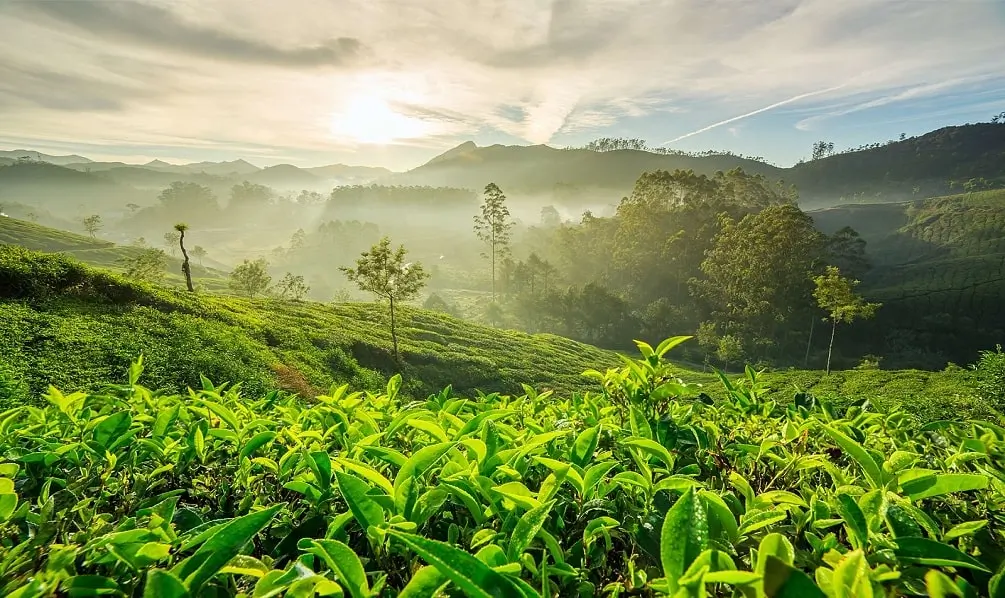
This matters now because Munnar is not a small scenic stop anymore. KDHP’s plantations in the Munnar region cover about 24,000 hectares, and the area produces around 21 million kg of tea a year, which shows how central tea still is to the local economy and identity. The best tea trips here connect landscape, history, and working plantation life in one visit. That is why a tea-focused Munnar trip feels different from a normal hill-station holiday.
What makes Munnar special is that the tea estates are not decoration. They are living agricultural spaces with heritage buildings, old factories, worker communities, and tourist access points. When you plan your trip well, you can go beyond sightseeing and actually understand why Munnar became famous in the first place.
Who This Is For Eligibility, Requirements, or Use Cases
Tea plantations in Munnar
This trip is best for travelers who enjoy slow travel, photography, cool weather, history, and nature. It also works well for couples, families, solo travelers, and first-time visitors to Kerala who want a structured experience instead of jumping between random viewpoints. If you like places where you can walk, sip tea, and stay in a calm estate setting, Munnar fits that mood very well.
It is also a strong fit for people who want a stay that feels part of the destination itself. Estate bungalows and plantation resorts let you wake up inside the tea landscape, not just drive in for one hour and leave. That changes the whole trip, because mornings, mist, and plantation silence are part of the experience.
- Tea lovers will get the most value. You can visit a tea museum, watch how tea is made, and taste fresh blends at the end of the visit.
- Photography-focused travelers also benefit. The estate roads, rolling rows of tea bushes, and sunrise light near higher plantations create strong photo opportunities.
- Travelers who dislike slow, outdoor sightseeing may not enjoy it as much. Many tea estate experiences involve walking, waiting, and staying in areas that are spread out rather than packed into one compact town center.
The most important requirement is to plan around location and timing. Munnar tea spots are spread out, and some of the most rewarding ones, like Kolukkumalai, are remote and work better with an early start.
How It Actually Works The Complete Process
A good Munnar tea estate trip usually starts with choosing your base. If you stay in town, you are closer to the tea museum and regular restaurants. If you stay inside or near an estate bungalow, you get better views, quieter mornings, and a more immersive tea experience. Properties like Windermere Estate, Briar Tea Bungalows, and tea estate bungalow stays show how plantation lodging is a major part of the Munnar tea tourism scene.
Next, decide what kind of tea experience you want. The easiest introduction is the tea museum in Nallathanni Estate, which is near Munnar town and gives you the history side first. Incredible India says the Tea Museum is a tribute to tea history in Munnar, while other listings place it at around 1.5 km from Munnar town and open from 9:00 am to 5:00 pm, with Monday closed. That makes it a practical first stop if you want context before visiting larger estates.
After that, add one estate visit that matches your pace. Kolukkumalai is the headline name for many visitors because it is known for dramatic altitude and wide views, and several travel sources place its tea factory visit around 7:00 am to 6:00 pm, with Sundays closed. Lockhart Tea Estate is often recommended for a quieter, heritage-heavy feel, while KDHP-linked plantation experiences give you the broader industrial story.
The part most guides skip is timing your day around the hill weather. Munnar mornings are usually the clearest and most photogenic, while afternoon mist can hide the slopes and make long drives slower. If you want both sightseeing and a calm estate feel, do the museum or estate walk early, then keep the afternoon for tea tasting, shopping, or a slower bungalow stay.
The Real Benefits With Numbers Where Possible

The biggest benefit is that Munnar gives you both scenery and substance in one trip. Many hill stations give you views, but Munnar also gives you a working tea economy, museum history, and estate accommodation built around the plantations themselves. KDHP reports that its plantations spread across 24,000 hectares and produce about 21 million kg annually, so this is not a staged tourist zone.
You also get strong value if you prefer one trip that covers multiple travel goals. In a single tea-focused itinerary, you can see heritage, nature, photography spots, and local products without long transfers. That saves energy and cuts the need to book separate day trips for each interest.
Another benefit is the educational side, which many travelers underestimate. The museum and factory visits show the journey from leaf to cup, which makes tea tasting more meaningful because you understand what you are drinking. Visitors frequently point out that the guided tea museum experience helps them see vintage machinery, processing steps, and tasting in one place.
A less obvious benefit is calm. Estate stays are often away from the busiest parts of town, so you get quieter mornings, cleaner views, and a slower rhythm that suits early walks and longer conversations. For many travelers, that is the part they remember most after the photos fade.
Mistakes Most People Make and How to Avoid Them
One common mistake is treating all tea gardens as the same. Some visitors stop at roadside viewpoints and assume they have “done” Munnar tea tourism, but that only gives them the visual layer. To avoid this, pair one scenic stop with one real learning stop, such as the tea museum or a factory visit, so the trip has both beauty and meaning.
Another mistake is staying too far from the tea belt and then losing time to road travel. Munnar looks compact on a map, but the useful stops are spread across hills and slopes. Choose your stay based on the sights you want most, because a plantation bungalow near the tea belt can save you a lot of back-and-forth driving.
A third mistake is going late in the day to places that are best in the morning. The light gets flatter, the mist thickens, and the view can disappear just when you hoped for your best photos. For tea estate photography and open views, start early and keep the highest-altitude visit for the morning slot.
A fourth mistake is skipping the museum because it sounds optional. That is where you understand the history of tea in Munnar, and it gives context to everything else you see later. If you remove the museum, the trip can feel pretty but incomplete.
A fifth mistake is assuming remote estates are easy to self-manage. Some places, especially higher or more isolated ones, are better handled with clear transport planning and buffer time. The safer choice is to plan one major estate stop per day rather than trying to fit too many hill visits into one schedule.
Expert Tips That Actually Work
Start with the tea museum on your first real sightseeing day. That gives you a clean mental map of Munnar’s tea story before you stand in the fields themselves. Once you know the history, the estate view feels richer and less random.
Book or choose your stay based on whether you want access or atmosphere. Town stays are easier for food and movement, but estate bungalows give you the experience most people are actually chasing. Windermere and similar plantation stays show the appeal clearly: the room is not the point, the setting is.
Visit one high-view estate early and one relaxed estate later. Kolukkumalai works better as an early outing because its appeal is tied to altitude and light, while a lower or more central plantation visit can be slower and easier after lunch. This split keeps the day from feeling rushed.
Buy tea only after tasting it. Estate shops often carry several blends, and fresh tasting helps you avoid buying something just because the tin looks nice. If possible, compare one orthodox tea and one stronger everyday blend so you leave with something you actually enjoy drinking.
Keep one full unplanned hour in the day. That gives you room for fog, photo stops, tea breaks, or a last-minute detour to a viewpoint without wrecking the schedule. In Munnar, the slow moments are often the ones people remember most.
Choose simple clothing and good walking shoes. Estate paths can be uneven or damp, and the weather can change faster than you expect in the hills. A small backpack, water, and a light layer are enough for most plantation visits.
Common Questions — Answered Directly
What is the best time to visit Munnar tea estates?
The best time is usually when the weather is clear and cool, because the views are better and the roads are easier to manage. Morning is especially strong for photography and plantation walks. If your main goal is scenery, start early and keep the higher estates for the first half of the day.
Is the Munnar tea museum worth visiting?
Yes, because it gives the historical side of the trip that the tea fields alone cannot provide. Incredible India describes it as a tribute to the history of tea cultivation in India, and visitor reports say the museum includes old machinery, tea-making steps, and a tasting at the end.
Where should I stay for a tea estate experience in Munnar?
Stay in a plantation bungalow or tea estate resort if your goal is atmosphere and views. Properties like Windermere Estate, Briar Tea Bungalows, and tea estate bungalow stays are built around the landscape itself, which makes the experience feel more complete. If you want easier access to shops and restaurants, stay nearer to town instead.
Is Kolukkumalai better than the tea museum?
They do different jobs, so the better choice depends on what you want. Kolukkumalai is more about altitude, scenery, and the feeling of being deep in the hills, while the museum is about history and process. For a first trip, the best answer is to do both if your schedule allows it.
How many tea estates are there in Munnar?
Different sources give different counts depending on how they define the region, but Munnar clearly has many estates and a large tea footprint. One travel source says there are more than 50 tea estates in and around Munnar, while KDHP’s plantations alone cover about 24,000 hectares in the region.
Can I visit a tea factory in Munnar?
Yes, several tea-focused visits include factory viewing or heritage processing demonstrations. Kolukkumalai, the tea museum, and some estate experiences give visitors a look at tea production, processing, and packaging. That is one of the biggest reasons tea tourism in Munnar feels more complete than a normal hill-station visit.
Is Munnar good for a family trip?
Yes, especially if your family likes nature, easy sightseeing, and slower travel days. The key is to keep the itinerary simple and avoid packing too many remote stops into one day. A museum visit, one estate walk, and one scenic stay are usually enough for a comfortable family trip.
Quick Reference Summary
Munnar tea estate tourism works best when you treat it as a full experience, not just a photo stop. The strongest trips combine a tea museum visit, one or two estate walks, and a stay that puts you close to the plantations. KDHP’s tea region spans about 24,000 hectares and produces around 21 million kg of tea a year, which shows how deeply tea is tied to the place.
If you want the most rewarding version of the trip, start with the tea museum, visit one high-view estate like Kolukkumalai, and stay in a plantation bungalow or tea resort if your budget allows. That gives you history, scenery, and comfort in one plan. The next step is simple: choose your base first, then build the rest of the itinerary around it.
Conclusion
Munnar tea estate tourism is strongest when you combine three things: one good stay, one meaningful learning stop, and one scenic plantation visit. That balance gives you the real feel of Kerala’s tea culture instead of a rushed checklist.
The tea museum helps you understand the story, the estates show you the landscape, and the bungalow stays let you live inside that landscape for a night or two. If you plan the day around morning light and fewer, better stops, the trip feels calmer and more memorable. A simple plan is often the best one here.

Sunil Singh is a dedicated travel content writer and the founder of MunnarTeaGardens.in. He specializes in creating comprehensive, user-friendly guides on Munnar’s tea gardens, hill stations, and Kerala tourism. Drawing from the latest tourism trends, official sources, and visitor experiences, Sunil helps thousands of travelers plan safe and rewarding trips every year.