
Munnar is one of the most stunning hill stations in Kerala. It’s famous for its endless lush green tea plantations, refreshing cool climate, misty hills, beautiful waterfalls, and super peaceful atmosphere. Every year, lakhs of tourists flock here to enjoy the breathtaking natural beauty and fill their lungs with fresh mountain air.
If you are planning a trip to Munnar for the first time, this guide will help you understand everything before your visit. From the best tea gardens to visit to ticket prices, travel tips, best time to visit, and things to do, this article covers all important information in simple and easy words.
Why Are Munnar Tea Gardens Famous?
Munnar tea gardens are famous because of their huge green landscapes spread across hills and valleys. The tea plantations look like a green carpet covering the mountains.
The tea industry in Munnar started during the British period, and today it is one of the largest tea-producing regions in South India. Visitors love Munnar because of:
- Beautiful tea plantation views
- Cool climate throughout the year
- Fresh tea aroma in the air
- Tea factory visits
- Photography spots
- Peaceful environment
- Sunrise and sunset viewpoints
Many travelers also visit Munnar for honeymoon trips, family vacations, solo travel, and nature photography.
Best Tea Gardens to Visit in Munnar
1. Kolukkumalai Tea Estate
Kolukkumalai Tea Estate is one of the most famous tea estates near Munnar. It is known as one of the highest tea plantations in the world.
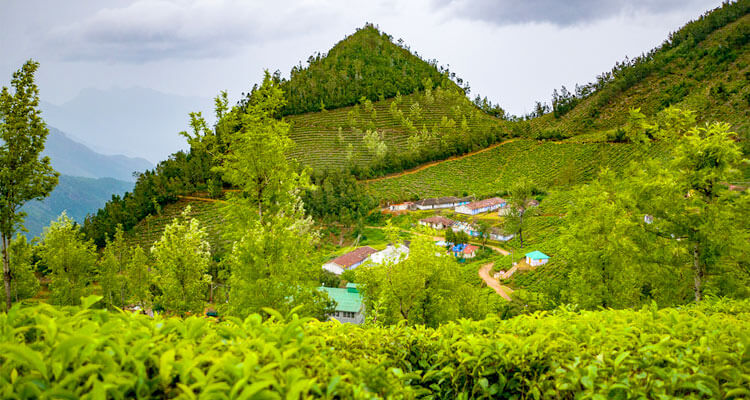
Why Visit Kolukkumalai?
- Amazing sunrise views
- Jeep safari experience
- Old tea factory
- Beautiful mountain scenery
- Fresh tea tasting
The road is rough, so tourists usually hire jeeps to reach the top.
2. Tata Tea Museum
KDHP Tea Museum is one of the best places to learn about the history of tea production in Munnar.
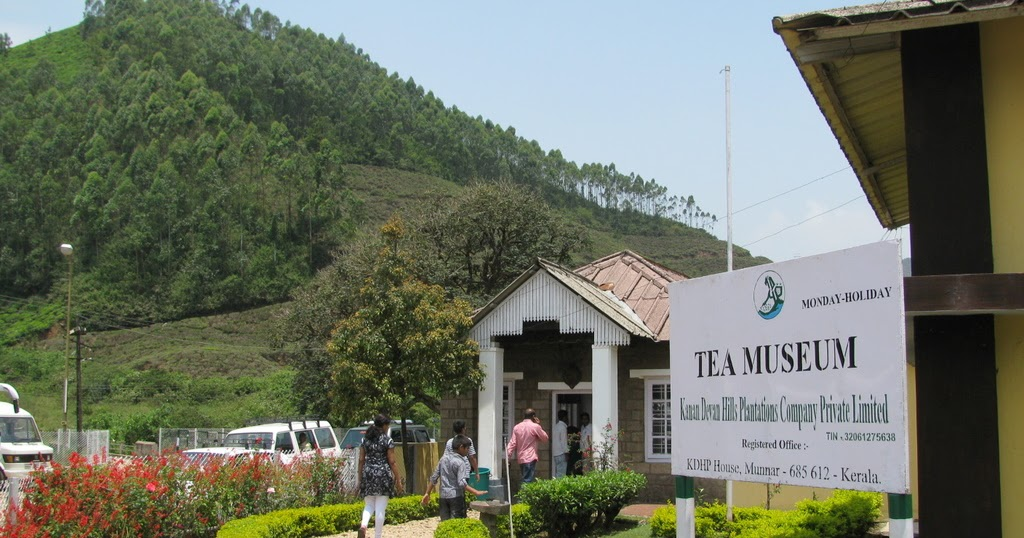
Things You Can See
- Old tea machines
- Tea processing demonstration
- History of tea plantations
- Tea tasting sessions
- Tea products shopping
This place is perfect for families and first-time visitors.
3. Lockhart Tea Estate
Lockhart Tea Factory is another beautiful tea plantation area known for peaceful surroundings and scenic roads.
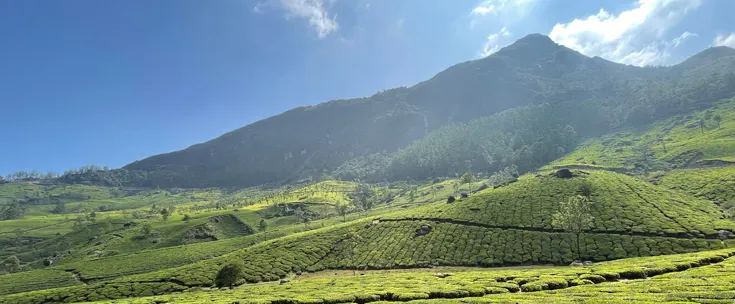
Highlights
- Tea factory tour
- Green hills photography
- Tea shopping
- Quiet atmosphere
4. Sevenmallay Tea Estate
Sevenmallay Tea Estate is famous for its endless green plantations and road-side viewpoints.
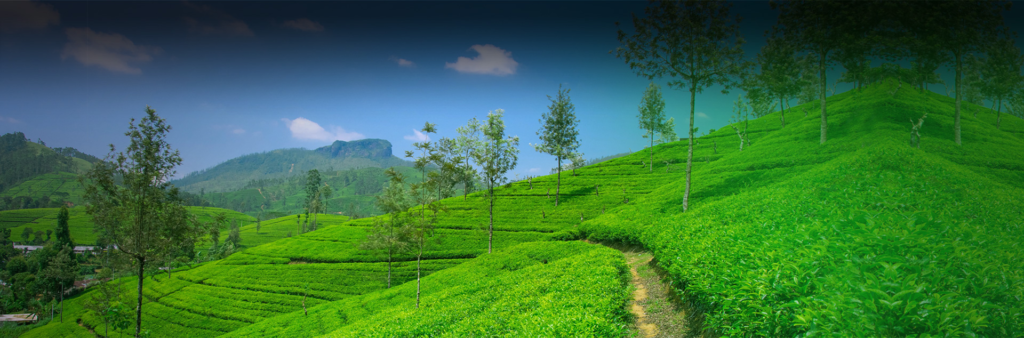
Many tourists stop here while traveling around Munnar because the views are excellent for photography.
Best Time to Visit Munnar Tea Gardens
October to March (Best Season)
This is the most popular season to visit Munnar.
Weather
- Cool and pleasant
- Temperature between 10°C to 20°C
- Perfect for sightseeing
Best For
- Honeymoon trips
- Family vacations
- Tea garden photography
- Outdoor activities
April to June
Summer in Munnar is cooler than many other Indian cities.
Best For
- Escaping heat
- Relaxing vacations
- Budget travel
July to September (Monsoon Season)
Munnar becomes extremely green during monsoon.
Pros
- Beautiful misty views
- Less crowded
- Fresh greenery
Cons
- Heavy rain
- Slippery roads
- Outdoor activities may get affected
How to Reach Munnar
By Air
The nearest airport is Cochin International Airport.
Distance from Munnar:
- Around 110 km
From the airport, you can hire:
- Taxi
- Cab
- Bus
By Train
Nearest railway stations:
- Aluva Railway Station
- Ernakulam Junction Railway Station
After reaching the station, tourists usually take taxis or buses to Munnar.
By Road
Munnar is well connected by road from:
- Kochi
- Madurai
- Coimbatore
- Thekkady
Road trips to Munnar are very popular because of the scenic mountain routes.
Entry Fees and Timings of Tea Gardens in Munnar
Different tea estates and museums have different ticket prices.
Average Entry Fees
- Tea museums: ₹75 to ₹150
- Tea factory tours: ₹100 to ₹300
- Jeep safari to Kolukkumalai: ₹1500 to ₹3000 (depends on group size)
Timings
Most tea gardens and museums open between:
- 9:00 AM to 5:00 PM
It is better to visit during daylight for the best views.
Things to Do in Munnar Tea Gardens
1. Tea Plantation Walks
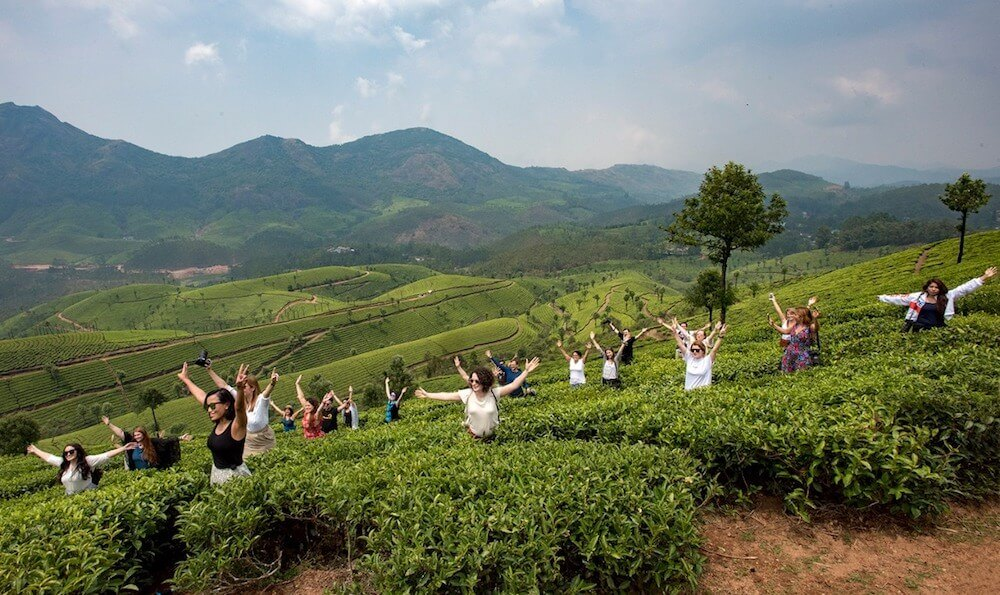
Walking through tea gardens is one of the best experiences in Munnar. The fresh air and green surroundings feel very relaxing.
2. Tea Factory Tours
Visitors can learn:
- How tea leaves are processed
- Different types of tea
- Tea packaging methods
3. Tea Tasting
Many tea factories offer tea tasting sessions where tourists can try:
- Black tea
- Green tea
- Masala tea
- Fresh organic tea
4. Photography
Munnar tea plantations are perfect for:
- Nature photography
- Couple photoshoots
- Sunrise photography
- Drone photography
5. Jeep Safari
Jeep rides to mountain viewpoints are very popular, especially at Kolukkumalai.
What to Wear While Visiting Munnar
Carry These Items
- Light jackets
- Comfortable shoes
- Umbrella during monsoon
- Sunglasses
- Camera
- Water bottle
Morning and evening temperatures can become cold, especially in winter.
Best Places Near Munnar Tea Gardens
Eravikulam National Park
Eravikulam National Park is famous for Nilgiri Tahr and beautiful mountain landscapes.
Mattupetty Dam
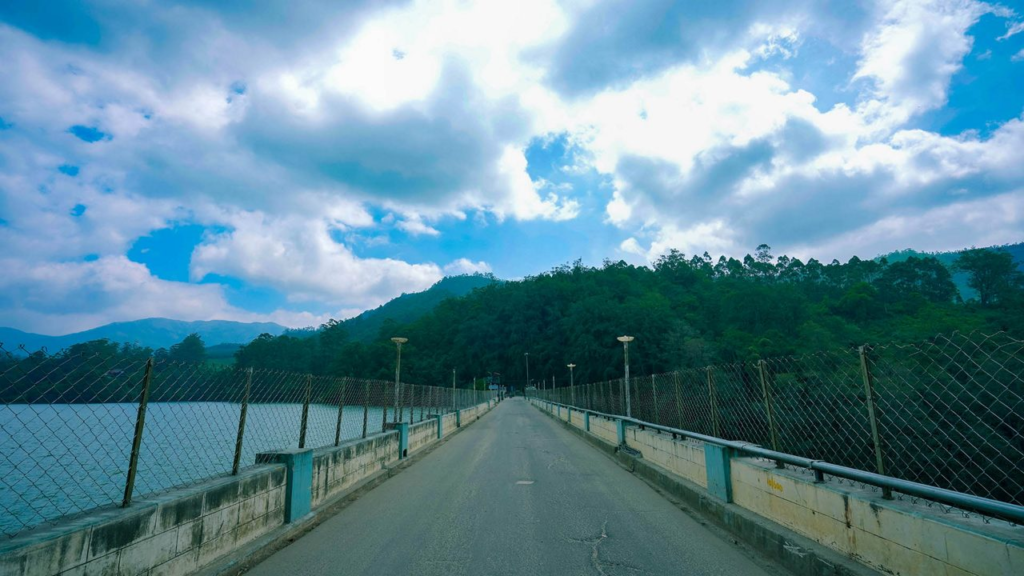
Mattupetty Dam is a popular picnic and boating spot.
Echo Point
Echo Point is known for natural echo sounds and scenic lake views.
Top Station
Top Station offers breathtaking valley and cloud views.
Is One Day Enough for Munnar Tea Gardens?
Yes, you can explore some famous tea gardens in one day. But for a complete Munnar experience, staying for 2 to 3 days is better.
This gives enough time for:
- Tea plantation visits
- Sightseeing
- Relaxation
- Local food
- Sunrise points
Travel Tips for Visiting Munnar Tea Gardens
- Start sightseeing early in the morning
- Carry cash for small shops
- Book hotels early during peak season
- Wear comfortable walking shoes
- Avoid littering in tea gardens
- Follow local safety instructions
- Check weather conditions before traveling
Best Foods to Try in Munnar
While visiting Munnar, try local Kerala food like:
- Appam
- Puttu and Kadala Curry
- Kerala Parotta
- Tea and homemade chocolates
- Banana chips
Many restaurants also serve South Indian and North Indian meals.
Shopping in Munnar
Popular things to buy:
- Fresh tea
- Homemade chocolates
- Spices
- Essential oils
- Handmade products
Tea shops near plantations often sell authentic locally produced tea.
Is Munnar Good for Honeymoon Trips?
Yes, Munnar is one of the most popular honeymoon destinations in South India.
Couples enjoy:
- Romantic weather
- Tea garden walks
- Luxury resorts
- Mountain views
- Candlelight dinners
Frequently Asked Questions (FAQs)
What is the best month to visit Munnar tea gardens?
October to March is considered the best time because the weather remains cool and pleasant.
Are Munnar tea gardens free to visit?
Some tea plantations can be viewed for free from roadsides, but museums and factory tours usually charge entry fees.
Can we walk inside tea plantations in Munnar?
Yes, many tea estates allow visitors to walk in designated tourist areas.
Is Munnar safe for family trips?
Yes, Munnar is generally safe for families, couples, and solo travelers.
How many days are enough for Munnar?
A 2 to 3-day trip is ideal for exploring tea gardens and nearby attractions comfortably.
Which is the most famous tea estate in Munnar?
Kolukkumalai Tea Estate is one of the most famous and highly visited tea plantations near Munnar.
Is Munnar expensive for tourists?
Munnar has options for all budgets. You can find budget hotels, mid-range resorts, and luxury stays.
Final Words
Munnar tea gardens offer one of the most beautiful travel experiences in Kerala. The green hills, cool weather, fresh tea aroma, and peaceful atmosphere make Munnar a perfect destination for nature lovers.
Whether you are visiting with family, friends, or your partner, Munnar gives unforgettable memories and stunning views everywhere you go. Planning your trip properly will help you enjoy the tea plantations, sightseeing spots, local food, and relaxing hill station atmosphere even more.
Also Read: Where to Buy Authentic Tea in Munnar: Top Certified Factory Outlets

Sunil Singh is a dedicated travel content writer and the founder of MunnarTeaGardens.in. He specializes in creating comprehensive, user-friendly guides on Munnar’s tea gardens, hill stations, and Kerala tourism. Drawing from the latest tourism trends, official sources, and visitor experiences, Sunil helps thousands of travelers plan safe and rewarding trips every year.