
I still remember that crisp morning in Munnar when I stepped off the narrow path between the tea bushes and everything went quiet except for the soft wind whispering through the leaves. The sun was just peeking over the hills, turning the mist into a golden haze, and suddenly a tiny flash of blue zipped past my head. It was a Nilgiri flycatcher, so close I could almost feel the beat of its wings. That single moment shifted how I saw these famous tea gardens forever. They’re not just pretty rows of green for Instagram shots or factory tours—they’re alive with birds, butterflies, and secret trails that most visitors never even notice. If you’re heading to Munnar and want something more than the usual sightseeing, this is the side of the plantations worth waking up early for.
The Tea Gardens as a Hidden Wildlife Haven
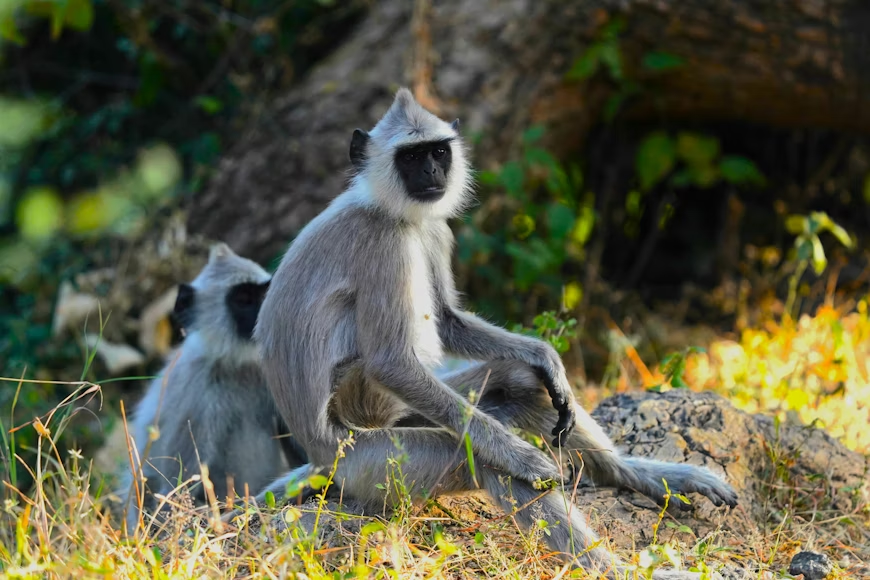
What makes Munnar’s tea estates so special for wildlife is that perfect blend of human care and untouched nature. The Kannan Devan Hills Plantations and other big estates have left pockets of shola forest—those thick, misty woodlands native to the Western Ghats—right next to the neatly trimmed tea bushes. It creates a kind of natural corridor where insects thrive, birds nest, and butterflies dance without anyone bothering them much. I’ve walked these gardens dozens of times over the years, and every visit feels different. One day it’s all about the birds calling from the treetops; the next, it’s butterflies everywhere you look. The altitude, the cool climate, and the way the estates have preserved native trees mean you’re basically stepping into a living ecosystem that’s been quietly humming along for decades.
Birds That Turn Every Stroll Into a Birdwatching Adventure
The birds here are the real soundtrack of the tea gardens. There are over 140 species recorded in the area, and many of them feel like old friends once you start spotting them regularly. Take the Nilgiri flycatcher I mentioned—that deep electric blue male perching on a tea twig like he’s posing just for you. His call is sharp and metallic, cutting through the morning air. Then there’s the Malabar whistling thrush, the one locals sometimes call the whistling schoolboy because its song sounds exactly like someone practicing scales. You’ll hear it near the little streams that run through the lower parts of the estates, especially after a light rain when it loves splashing around in puddles.
I once spent a whole afternoon near Pallivasal estate just watching a pair of black-and-orange flycatchers building their nest. The male would dart out, snatch an insect mid-air, and zip back to his mate with this gentle determination that made me smile. Other regulars include the chatty red-whiskered bulbuls hopping from bush to bush like they own the place, and the painted bush-quail that scurry along the ground in little family groups, almost invisible until they suddenly explode into flight. If you’re lucky, you might catch the hill myna mimicking sounds so perfectly it sounds like a phone ringing in the distance. These aren’t rare sightings either—slow down, keep your ears open, and you’ll be amazed at what shows up.
Butterflies: Nature’s Living Confetti in the Plantations
If the birds provide the music, the butterflies are the colorful show. Munnar hosts nearly 200 species, and post-monsoon from October right through February is when they really put on a display. The Southern birdwing is my absolute favorite—India’s largest butterfly with wings that can stretch eight inches across. It glides over the tea rows like a slow-motion kite, black and yellow patterns standing out against the green. Then you have the Paris peacock, all shimmering blues and greens, fluttering around any wildflowers along the edges.
What I love most is how accessible it all feels. Unlike trekking deep into thick jungle where everything hides, the open tea gardens let you get really close. I remember standing still in a quiet valley behind the Lockhart estate and counting more than a dozen different kinds in just ten minutes: common sailors with their bold white stripes, delicate lime butterflies hovering low, and the soft Nilgiri grass yellow dancing almost at ground level. The trails near abandoned cardamom patches are especially good because the estates often leave those spots untouched. Butterflies land on your sleeve if you stay patient and quiet—soft footsteps are the secret.
The Hidden Trails That Feel Like Your Own Private Discovery
The real magic, though, happens when you leave the main roads and find the hidden trails. These aren’t the crowded, signposted paths full of tour groups. They’re the quiet routes that local tea pluckers and a few experienced guides know about. My favorite starts just above Kolukkumalai, the world’s highest organic tea plantation. It begins gently through the tea rows, then slips into a shola forest where old trees covered in moss create this cathedral-like feel. Nilgiri wood pigeons coo from the branches, and sometimes you’ll spot a lone Nilgiri tahr watching from a rocky ledge nearby.
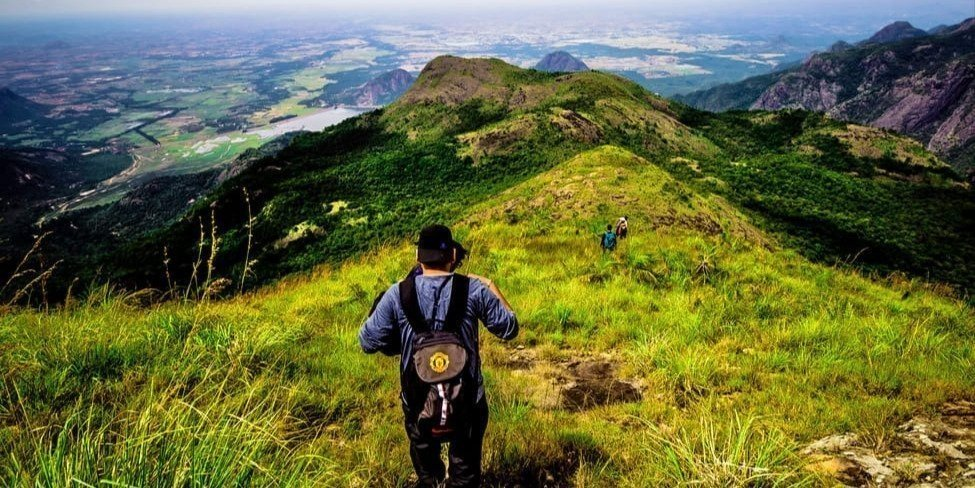
Another one I keep going back to is the Lakshmi Hills trail. It winds through private estate land and opens up onto grassy ridges where the wind carries the smell of wild herbs. Butterflies love it here—Malabar ravens and five-bar swordtails swirl around like they’re putting on a private show. A local guide named Ravi once took me along and pointed out fresh elephant tracks in the soft soil. “They pass through at night,” he said quietly, “but they leave the gardens alone.” That’s what makes Munnar feel so special: wild and cultivated living side by side without conflict.
There are shorter trails near Devikulam or leading toward Anayirangal Dam that dip in and out of cardamom undergrowth. You might see giant squirrels leaping between trees or catch the flash of a Malabar grey hornbill. Most are only two to four kilometers, but they feel endless because every bend brings something new.
When to Go and How to Make the Most of Your Visit
Timing matters. Winter months from December to February bring clear skies and peak bird activity as migrants pass through. Monsoon turns the trails misty and magical, with fresh butterfly broods appearing once the heavy rains ease. Even summer mornings reward early risers. Always check with the estate office first—some paths are open only to guests or with a guide. Wear sturdy shoes, carry water, and go slow. Many plantations now run low-impact nature walks that support local families and help plant more native trees. The small fee you pay often goes straight back into conservation.
Why It Matters: Respect, Conservation, and That Next Cup of Tea
What stays with me most is how exploring this way changes everything. You come for the views and the tea, but you leave realizing every cup you brew at home started in a place where a flycatcher might have rested on the exact same bush. The estates here have worked hard to balance production with preservation, keeping forest corridors alive. It’s not perfect, but the efforts are working—bird numbers are steady, butterflies are thriving, and visitors get to experience something genuine.
So next time you’re in Munnar, skip the packed viewpoints for a morning or two. Grab binoculars, a small backpack with snacks and a light rain jacket, and head into the gardens before the buses arrive. Follow a hidden trail until the tea fades into forest. Listen for that whistling thrush or watch a Southern birdwing float past. You’ll go home with real stories, not just photos—and trust me, your next cup of tea will taste even better knowing the wild world that helped create it.
These gardens have been welcoming curious souls like us for generations. Tread lightly, smile at the pluckers you pass, and let Munnar’s quieter side surprise you. It’s the kind of experience that sticks with you long after you’ve unpacked your suitcase back home.

Sunil Singh is a dedicated travel content writer and the founder of MunnarTeaGardens.in. He specializes in creating comprehensive, user-friendly guides on Munnar’s tea gardens, hill stations, and Kerala tourism. Drawing from the latest tourism trends, official sources, and visitor experiences, Sunil helps thousands of travelers plan safe and rewarding trips every year.